Why Does Acne Become More Inflammatory With Age
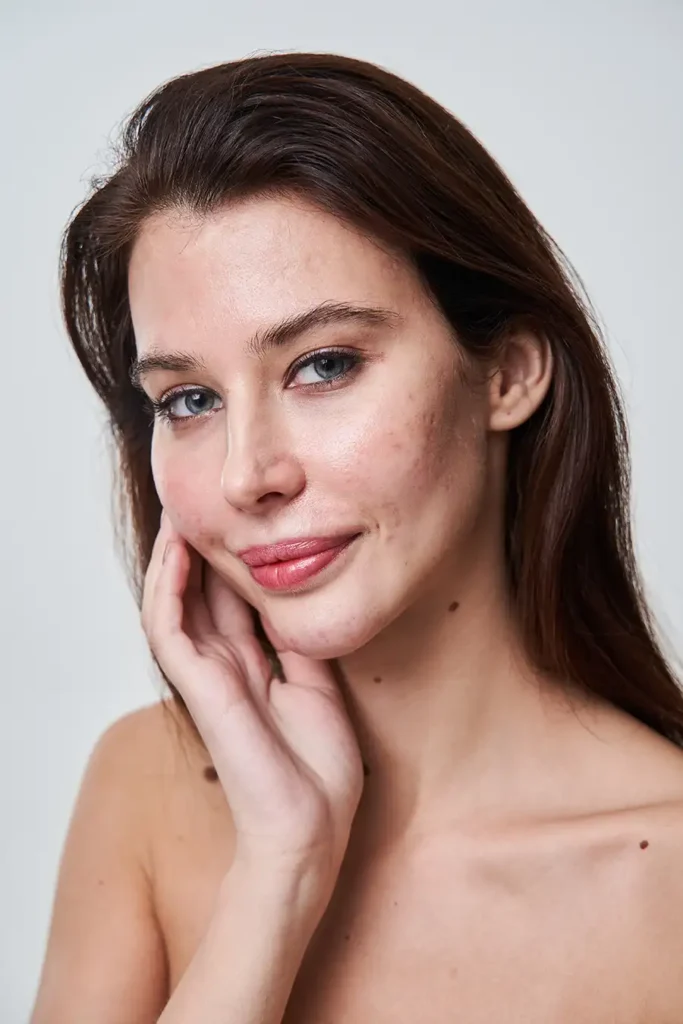
Acne starts for most people during the teen years when oil glands ramp up production and pores get clogged. But for some, it sticks around or flares up worse as they get older, turning into red, swollen spots that hurt more than before.
In young skin, acne comes from too much oil, dead skin cells building up, and bacteria called Cutibacterium acnes, or C. acnes for short. This bacteria lives in hair follicles and triggers swelling through the body’s defense system, using things like Toll-like receptors. These receptors spot the bacteria and call in immune cells, starting a chain reaction of inflammation[1][2].
As people age, the skin’s community of bacteria changes. The mix of germs on the skin shifts, and certain types of C. acnes grow stronger in oily spots like the face, back, and chest. Not everyone gets acne even with lots of C. acnes around. It depends on the exact strain of bacteria, how the body reacts, and tiny changes in the skin’s environment[1].
The swelling gets fiercer over time because of a loop that feeds itself. Clogged pores and extra oil help bacteria form sticky films. Bacteria then release stuff that ramps up swelling. Immune signals like IL-1 make oil glands work harder and skin cells pile up more, keeping the cycle going[1].
Immune cells play a bigger role too. Pathways involving Th17 cells kick in stronger, pumping out cytokines such as IL-17 and IL-19. These chemicals draw in more fighter cells like neutrophils and macrophages, making pimples redder and more tender. Studies show higher IL-17 levels link to worse acne, though this happens mostly in the skin itself, not spreading through the whole body[2].
Hormones shift with age, especially in women, keeping oil flowing. Skin gets thinner and slower to heal, so breakouts last longer and scar easier. Things like stress, diet, or medicines can nudge this along, but the core issue is the skin’s growing overreaction to its own bacteria[1][2].
Treatments focus on breaking this loop by calming swelling, clearing pores, and balancing bacteria. Options like creams with retinoids or antibiotics target the root causes at any age.
Sources
https://pmc.ncbi.nlm.nih.gov/articles/PMC12735603/
https://pmc.ncbi.nlm.nih.gov/articles/PMC12732949/