Why Does Acne Become Chronic
Acne starts as a simple problem but can turn into something that sticks around for years. Understanding why this happens requires looking at how your skin works and what keeps the cycle going.
The Basic Problem
Acne begins when four things go wrong at the same time. First, your hair follicles get clogged. Dead skin cells don’t shed properly, and they pile up inside the pore. Second, your skin produces too much oil. This oil, called sebum, builds up behind the blockage. Third, bacteria called Cutibacterium acnes multiply in this oily, blocked environment. Fourth, your immune system reacts to all of this, causing inflammation and the red, swollen bumps you see.
Why It Keeps Coming Back
The tricky part about acne is that it doesn’t always go away on its own. Even after a pimple heals, the same spot can break out again and again. This happens for several reasons.
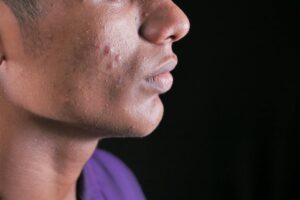
Bacteria can linger inside your follicles even after a breakout seems to be gone. If the pore refills with oil and bacteria, the same follicle gets infected again. Your skin in certain areas might naturally produce more oil than other spots. If your chin or jawline tends to be oilier, those areas become repeat offenders for breakouts.
Incomplete healing makes things worse. When a pimple doesn’t fully heal, the follicle stays weakened and more likely to break out again in the same location. Harsh skincare habits can also prevent proper healing. Over-cleansing or using products that dry out your skin too much can damage your skin barrier, making it harder for the area to recover.
The Bacterial Factor
Cutibacterium acnes is interesting because almost all adults have this bacteria on their skin. Yet not everyone gets acne. The difference comes down to the specific strain of bacteria and how your body responds to it. Some strains produce enzymes that break down skin barriers and create inflammation more easily than others. These bacteria also form protective layers called biofilms that shield them from your immune system and even from antibiotics.
The Inflammation Connection
Your immune system plays a huge role in chronic acne. When your body detects the bacteria and other irritants in your follicles, it sends immune cells to fight back. These cells release chemicals that cause inflammation. Over time, this constant immune response can damage the follicle wall and surrounding skin tissue. The inflammation spreads, creating more lesions and making the problem worse.
Hormones and Stress
Hormones directly control how much oil your skin produces. During puberty, stress, or certain parts of your menstrual cycle, hormones called androgens spike. These hormones tell your oil glands to produce more sebum. Areas like your jawline and chin are especially sensitive to these hormonal changes, which is why people often get breakouts in the same spots during stressful times or at certain times of the month.
Stress itself makes acne worse. When you’re stressed, your body releases cortisol, which activates receptors in your skin cells. This triggers more oil production and abnormal shedding of skin cells, creating the perfect conditions for acne to develop.
The Friction Problem
Sometimes the cause isn’t just internal. Constant rubbing, pressure, or friction can keep acne going in the same spot. Tight clothing, hats, or even resting your chin on your hand repeatedly can irritate the skin and prevent healing. This type of acne, called acne mechanica, shows how your daily habits can keep the cycle alive.
Why It Becomes Systemic
While acne starts as a local problem on your skin, chronic acne involves your whole body’s response. Your immune system stays activated, producing inflammatory chemicals that keep your skin inflamed. The bacteria develop resistance to your body’s defenses and to treatments. The follicles become structurally damaged and more prone to future blockages.
Breaking the Cycle
Understanding why acne becomes chronic shows that treating it requires more than just spot treatment. You need to address the bacterial colonization, reduce inflammation, normalize skin shedding, and manage the factors that trigger breakouts in your specific case. This might mean using treatments that work on multiple fronts at once, managing stress and hormones, and being gentle with your skin to allow proper healing.
The reason acne becomes chronic is that it’s not just one problem. It’s a combination of blocked pores, excess oil, bacteria, inflammation, and your body’s response all working together. Until you interrupt this cycle at multiple points, the same spots will keep breaking out.
Sources
https://pmc.ncbi.nlm.nih.gov/articles/PMC12735603/
https://pmc.ncbi.nlm.nih.gov/articles/PMC12732949/