Why Does Acne Appear Along the Hairline
Acne along the hairline is a frustrating problem that many people experience, but understanding why it happens is the first step toward managing it effectively. The hairline and surrounding areas like the forehead and back of the neck are particularly prone to breakouts, and there are several specific reasons for this.
The most common cause of hairline acne is the buildup of oils on your hair and skin. Your scalp naturally produces sebum, an oily substance that protects your skin and hair. When this oil accumulates in the hairline area, it can mix with dead skin cells and clog your hair follicles, leading to pimples and bumps. This is especially true in the T-zone of your face, where oil production tends to be higher than in other areas.
Hair care and beauty products play a significant role in hairline acne. Many shampoos, conditioners, styling products, and makeup contain ingredients that are comedogenic, meaning they are likely to clog pores. When these products come into contact with your facial skin along the hairline, they can contribute to breakouts. If you are experiencing more acne than usual along your hairline, it may be worth examining the products you use regularly and considering whether they might be causing the problem.
Physical factors can also trigger hairline acne. Hats, helmets, headbands, and bandanas trap sweat, dirt, and dead skin cells against your skin near the hairline. This combination of moisture, friction, and trapped debris creates an ideal environment for acne to develop. Even tight hairstyles that pull on the hairline can contribute to irritation and breakouts.
Hormonal changes are another important factor. During puberty, menstruation, pregnancy, or menopause, hormonal fluctuations can trigger breakouts anywhere on the body, including along the hairline. Stress also plays a role by releasing hormones that can exacerbate acne conditions.
It is worth noting that not all bumps along the hairline are acne. Seborrheic dermatitis, a chronic inflammatory skin condition that affects areas rich in oil glands, commonly appears on the forehead and hairline. People often mistake this condition for acne or irritation from hair products. Seborrheic dermatitis shows up as red or pink patches, greasy scales or flakes, and sometimes acne-like bumps. Unlike acne, seborrheic dermatitis is not a hygiene issue and is not caused by dirty skin.
Milia is another condition that can be confused with acne. These are tiny cysts filled with keratin that form when skin cells do not shed properly and become trapped beneath the skin surface. They appear as small white dots and require different treatment than acne.
To reduce hairline acne, start by washing your hair and face more regularly and limiting your use of hair products and makeup. Look for products that are not comedogenic. If you wear hats or headbands frequently, try to give your skin breaks from them when possible. Keeping the area clean and dry is important, as moisture and trapped debris fuel breakouts.
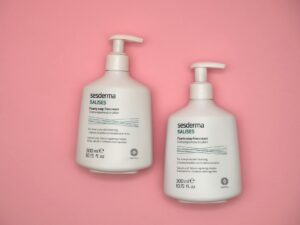
A proper hairline acne treatment should be gentle on your scalp and contain ingredients that are anti-fungal, anti-inflammatory, and anti-microbial. These treatments can help by gently exfoliating the scalp and removing impurities that contribute to breakouts.
If your hairline acne persists despite these efforts, or if you notice persistent redness, flaking, or other unusual symptoms, it may be worth consulting a dermatologist. They can determine whether you are dealing with acne, seborrheic dermatitis, folliculitis, or another skin condition, and recommend the most appropriate treatment for your specific situation.
Sources