Why Does Acne Appear After Reducing Skincare Products
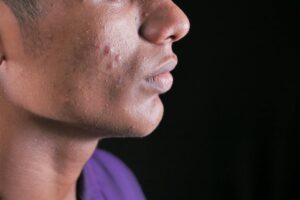
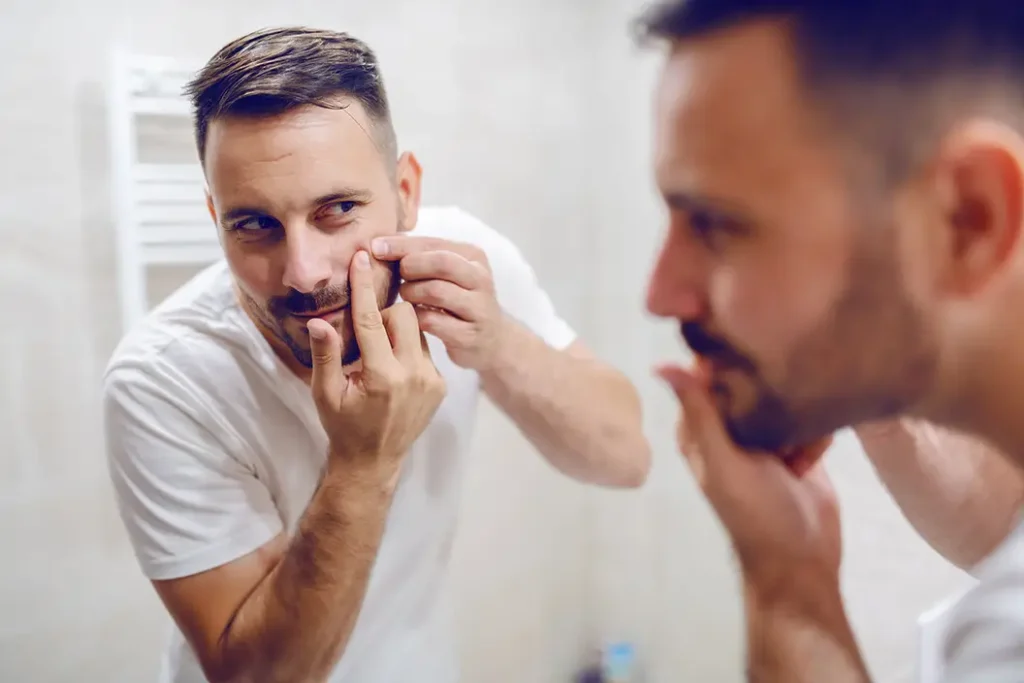
When people decide to simplify their skincare routine by using fewer products, they sometimes experience an unexpected problem: more breakouts. This can be frustrating and confusing, especially when the goal was to improve skin health. Understanding why this happens helps explain the relationship between skincare routines and clear skin.
Your skin needs consistent care to stay balanced. When you use a regular skincare routine, your skin adapts to those products and the ingredients they contain. Your skin barrier becomes accustomed to the moisturizers, cleansers, and treatments you apply daily. When you suddenly remove products from this routine, your skin can react negatively.
One major reason breakouts increase is dehydration. Even people with oily skin need moisturizer to keep their skin hydrated. Without proper hydration, your skin can become dehydrated and actually produce more oil to compensate for the lack of moisture. This excess oil can clog pores and lead to breakouts. The skin barrier, which protects against bacteria and irritants, also weakens when it lacks proper hydration and nourishment.
Another factor is the loss of active ingredients that were keeping acne under control. If your routine included products with salicylic acid, benzoyl peroxide, or retinoids, these ingredients were actively working to remove excess oil, exfoliate dead skin cells, and prevent clogged pores. When you stop using these products, acne-causing bacteria can multiply again, and dead skin cells may accumulate in your pores more easily.
Consistency matters greatly for skin health. Your skin needs regular, ongoing care to maintain clarity. When you skip steps or reduce the frequency of your routine, improvement requires regular, consistent care to show lasting results. Breakouts can occur because your skin is no longer receiving the steady treatment it had adapted to.
The timing of when you reduce products also affects your skin. If you stop using products suddenly rather than gradually, your skin may struggle to adjust. A gentler approach would be to reduce products one at a time while monitoring how your skin responds, rather than eliminating multiple products at once.
It is important to understand that acne is not simply a hygiene issue. Acne is influenced by hormones, genetics, oil production, bacteria, and inflammation. Reducing skincare products does not address these underlying factors. If hormonal changes, stress, or dietary factors are contributing to your acne, removing skincare products will not solve these problems and may make breakouts worse.
If you want to simplify your routine, the key is to do it thoughtfully. Keep the essential steps: gentle cleansing, targeted treatment for acne, and proper moisturizing. These three steps form the foundation of clear skin. You can reduce the number of products, but make sure the ones you keep are effective and address your specific skin concerns.
Sources
https://www.westchestercosmeticdermatology.com/blog/adult-acne-why-it-happens-and-how-to-treat-it/
https://www.tuftsmedicine.org/about-us/news/acne-over-30
https://www.aboutskinderm.com/skincare-for-teens-tips-for-managing-acne-and-oily-skin/
https://artofskincare.com/blogs/learn/acne-lesson-1-what-is-acne-and-why-do-i-have-it
https://worldofasaya.com/blogs/acne/how-to-clear-skin-ultimate-acne-treatment-guide