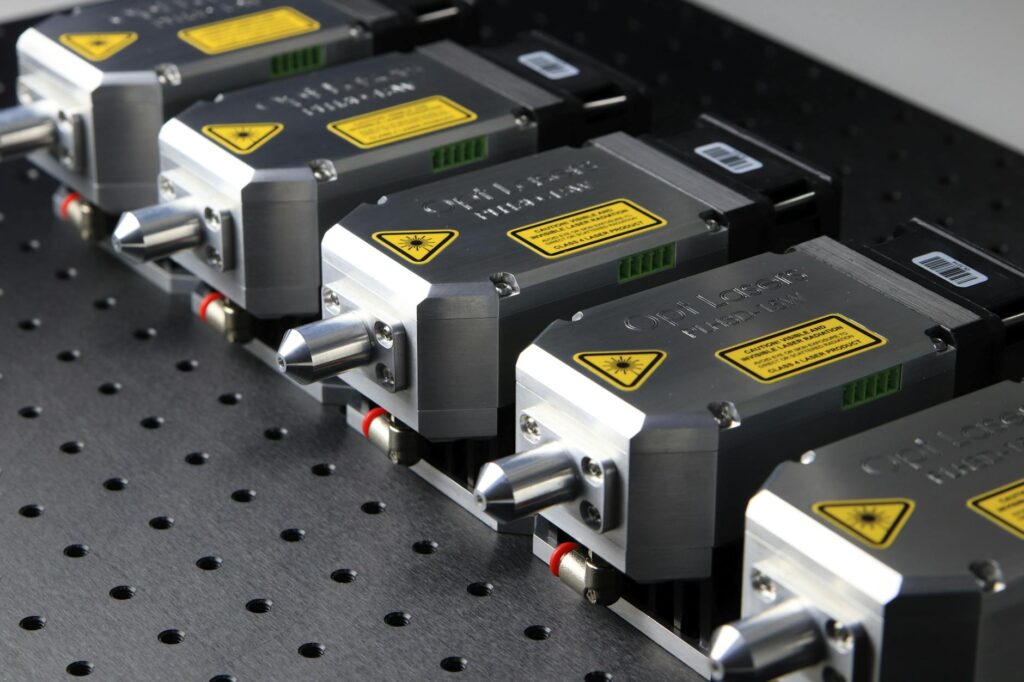
Discovery Pico Laser works for mixed acne marks because its ultra-short picosecond pulses target multiple types of scarring and discoloration simultaneously through different mechanisms. While traditional lasers rely on heat to damage tissue and trigger collagen remodeling, the Discovery generates pulses in trillionths of a second, creating a photomechanical effect that shatters pigment and stimulates the skin’s natural repair response without excessive thermal damage. For someone with a combination of boxcar scars, rolling scars, and post-inflammatory hyperpigmentation on their cheeks, a single Pico Laser treatment plan can address the depth variations and color differences that would typically require separate procedures with different laser types. This article explains how the technology works, why it’s effective for mixed acne marks, what results you can realistically expect, and important limitations to understand before pursuing treatment.
Table of Contents
- How Picosecond Laser Technology Targets Different Types of Acne Marks
- Why Mixed Acne Marks Require Multi-Mechanism Solutions
- Collagen Remodeling and Skin Texture Improvement
- Treatment Frequency, Session Spacing, and Realistic Expectations
- Skin Type Considerations and Risk of Post-Inflammatory Changes
- Comparing Pico Laser to Other Scar Treatment Options
- The Future of Pico Laser Technology and Combination Approaches
- Conclusion
- Frequently Asked Questions
How Picosecond Laser Technology Targets Different Types of Acne Marks
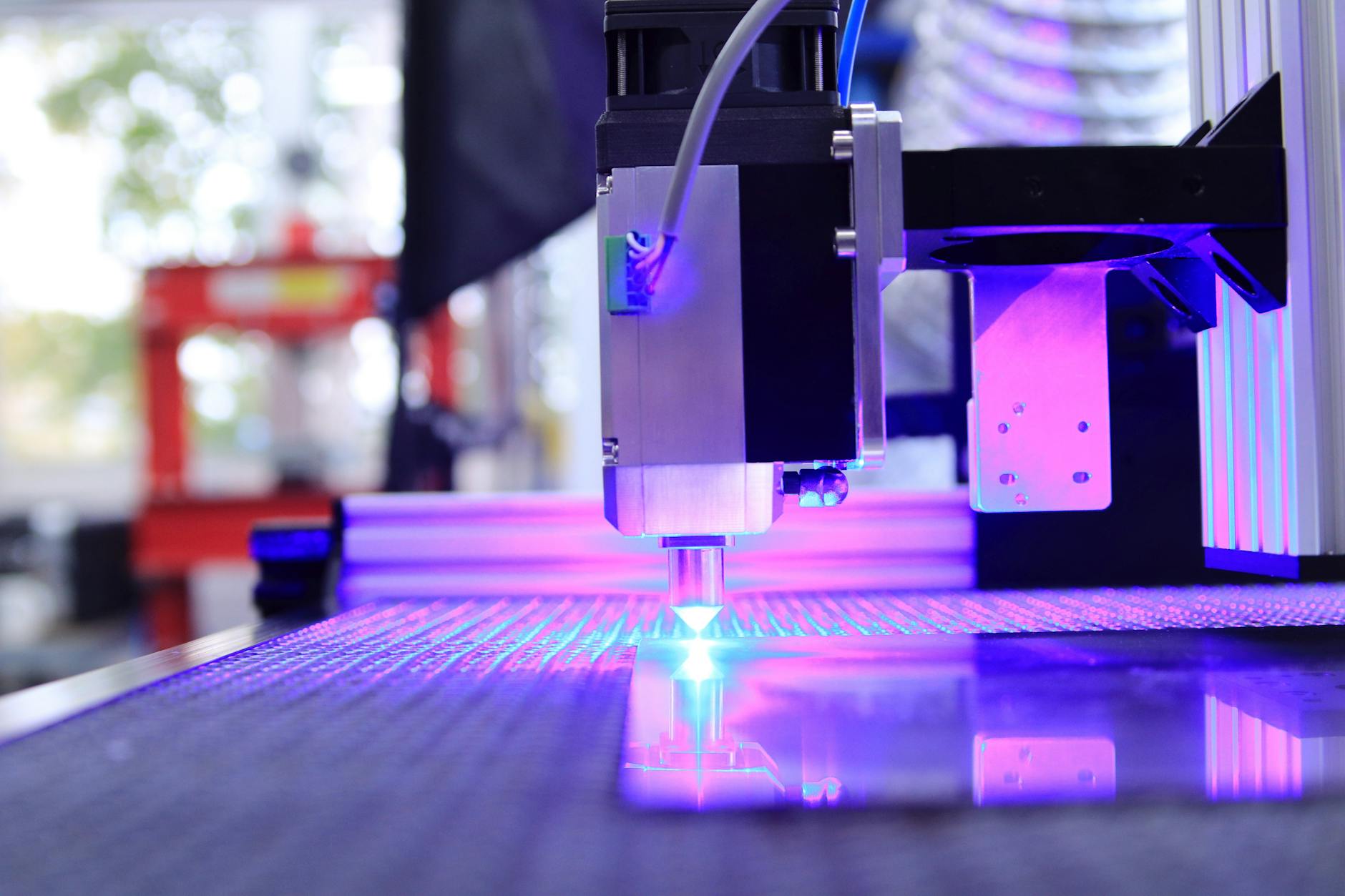
The Discovery Pico Laser operates at a wavelength of 1064nm (with some models including additional 532nm and 755nm options), and the key advantage lies in its pulse duration. Traditional fractional CO2 or erbium lasers deliver energy over milliseconds, creating thermal damage that heals into collagen; Pico Laser delivers the same or more energy over picoseconds, which is roughly 1,000 times faster. This speed means the laser energy doesn’t have time to spread and burn surrounding tissue—instead, it creates a pressure wave that breaks apart pigmented cells and stimulates fibroblasts without the extensive controlled burn that other lasers require. For atrophic (depressed) scars, the mechanical stress and subsequent healing response triggers collagen synthesis.
For post-inflammatory hyperpigmentation, the rapid energy pulse shatters melanin granules, which the body then clears naturally. A 35-year-old patient with mixed acne scars on her shoulders—some depressed boxcar scars about 2mm deep alongside dark brown discoloration from old inflamed cysts—underwent four Pico Laser sessions spaced 4-6 weeks apart. By the fourth session, the hyperpigmentation had largely resolved, and the boxcar scars appeared shallower due to new collagen filling. She experienced mild redness for 24-48 hours post-treatment but no blistering or significant downtime, which would have been likely with fractional CO2 at comparable or effective depths.
Why Mixed Acne Marks Require Multi-Mechanism Solutions
Acne scars and marks are not uniform problems—they vary in depth, width, color, and the underlying tissue damage. Boxcar scars are defined, punched-out depressions; rolling scars are soft waves created by fibrous bands pulling skin down; atrophic scars can be shallow surface damage or deep dermal loss. Post-inflammatory hyperpigmentation is flat discoloration caused by excess melanin, while post-inflammatory erythema is redness from dilated blood vessels and ongoing inflammation. Traditional ablative lasers excel at removing surface tissue and promoting collagen remodeling but can worsen hyperpigmentation in darker skin types by stimulating melanocytes.
Pico Laser’s photomechanical action doesn’t selectively heat melanin the way nanosecond lasers do; instead, the pressure wave shatters pigment molecules and vaporizes them without the thermal energy that can trigger new pigment production. However, if your acne marks are primarily hypertrophic (raised, thickened tissue), Pico Laser alone is less effective than steroid injections or other scar-softening treatments. Similarly, if you have very deep boxcar scars (3mm or more), you may need subcision (a needle or blade inserted under the scar to break fibrous bands) combined with Pico Laser, not Pico Laser as a standalone treatment. The technology works best on shallow-to-moderate marks and discoloration, not on severe structural deformities.
Collagen Remodeling and Skin Texture Improvement
When the Pico Laser’s mechanical wave passes through the dermis, it creates controlled micro-trauma that signals the skin to initiate its healing cascade without the extensive tissue damage of older laser technologies. Fibroblasts respond to this injury signal by producing new collagen and elastin over the weeks and months following treatment. This remodeling effect improves skin texture, tightens skin, and gradually fills in shallow atrophic scars.
The response is cumulative—results continue to improve over 3-6 months after the final session, which is why practitioners recommend patience before deciding if additional treatments are needed. A 42-year-old man with mild rolling scars and generalized skin texture roughness from past acne completed a series of six Pico Laser treatments at 3-week intervals. While the individual rolling scars didn’t disappear completely, his overall skin appeared smoother and more even within 12 weeks post-treatment, and the scars appeared less prominent due to surrounding skin texture improvement. This texture refinement benefit extends beyond scar treatment—many providers now use Pico Laser for general skin rejuvenation and pigmented lesion removal, which means you may see additional benefits like improved tone and reduced pore appearance alongside scar improvement.
Treatment Frequency, Session Spacing, and Realistic Expectations
Most practitioners recommend 3-6 Pico Laser sessions spaced 4-8 weeks apart, depending on the extent of marks and your skin’s healing response. Starting conservatively with 3-4 sessions allows you to assess results before committing to additional treatments. Full results typically don’t manifest until 8-12 weeks after your final session, as collagen remodeling is a slow biological process. Some marks will soften significantly, some will improve noticeably, and some will show only minor change—realistically, most people see 40-70% improvement in atrophic scars and 60-85% improvement in hyperpigmentation with a complete series.
Deeper boxcar scars benefit from more sessions; a 28-year-old with severe boxcar scars may need 6-8 sessions over 6 months for satisfactory results, whereas someone with mild textural marks might see good results in 3. The tradeoff is cost and time commitment. Each session typically costs $300-$800 depending on treatment area size and provider location, so a complete series can run $1,500-$5,000. This is a meaningful investment, and it’s worth clarifying expectations with your provider upfront—ask specifically whether your marks are the type that respond well to Pico Laser, or whether combination treatment (e.g., subcision plus Pico Laser) would be more effective.
Skin Type Considerations and Risk of Post-Inflammatory Changes
Pico Laser is generally safe across all skin types, but the underlying mechanism of action means different skin types experience different risks. In darker skin (Types IV-VI), the 1064nm wavelength is safer than fractional CO2 because it penetrates past superficial melanin without creating the sustained heat that can trigger post-inflammatory hyperpigmentation or cause hypertrophic scarring. However, in very dark skin, even the mechanical wave can stimulate melanocyte activity if aggressive treatment parameters are used. A few case reports describe worsening of hyperpigmentation in darker skin types treated with standard Pico settings, which is why careful provider selection and conservative starting parameters matter.
A warning: if you have a history of keloid formation or hypertrophic scarring from other injuries, inform your provider before Pico Laser treatment. The mechanical trauma and collagen stimulation, while typically mild, could theoretically trigger excessive scar tissue in predisposed individuals. Additionally, if you have active acne, treating acne scars with Pico Laser is premature—active inflammation and new scarring can occur during treatment, negating benefits. Ensure your acne is controlled with topical or oral medications before pursuing scar treatment.
Comparing Pico Laser to Other Scar Treatment Options
Pico Laser competes with fractional CO2, fractional erbium, radiofrequency microneedling, and chemical peels for acne scar treatment. Fractional CO2 is more aggressive, with faster visible results (often significant improvement in 1-3 sessions) but greater downtime, risk of hypopigmentation in darker skin, and higher cost per session. Radiofrequency microneedling is gentler, works through collagen stimulation without melanin targeting, and suits darker skin types better but requires more sessions (6-10) and produces more subtle results. Chemical peels address only surface marks and hyperpigmentation, not structural scars.
Pico Laser sits in the middle—more effective than peels or microneedling for mixed marks, less aggressive than fractional CO2, and safer in darker skin than CO2 when used appropriately. For a patient choosing between Pico Laser and fractional CO2, the decision hinges on downtime tolerance and skin type. If you’re darker-skinned, have mixed marks, and need minimal downtime, Pico Laser is the better choice. If you’re lighter-skinned, have primarily atrophic scars, and can tolerate 5-7 days of visible healing, fractional CO2 might deliver faster results.
The Future of Pico Laser Technology and Combination Approaches
Newer Pico Laser systems now incorporate additional wavelengths and adjustable pulse widths, allowing providers to customize treatment to specific mark types within a single session. Some devices include 532nm wavelengths that specifically target hemoglobin, addressing post-inflammatory erythema (redness) alongside atrophic scars. This multi-wavelength approach is expanding the range of marks Pico Laser can effectively treat in a single treatment plan.
Combination approaches—pairing Pico Laser with subcision for deep boxcar scars, with topical retinoids or vitamin C for enhanced collagen synthesis, or with microneedling for additive collagen stimulation—are increasingly common and often produce superior results than laser alone. As Pico Laser technology matures and more data accumulates, we’re learning that treatment parameter optimization (energy levels, spot size, and pass density) matters as much as wavelength selection. This means outcomes depend heavily on provider experience and judgment, not just the laser model. If considering Pico Laser, prioritize providers with documented experience treating acne scars specifically, not just general skin rejuvenation.
Conclusion
Discovery Pico Laser works for mixed acne marks because its picosecond pulses simultaneously address depressed scars through collagen stimulation and discoloration through photomechanical pigment disruption, without the extensive thermal damage or skin-type-specific risks of older laser technologies. Realistic expectations are 40-70% improvement in atrophic scars and 60-85% improvement in hyperpigmentation over a course of 3-6 sessions, with results continuing to improve for weeks after your final treatment. The technology is safe across skin types when appropriately calibrated, but outcomes depend on scar depth, scar type, patient skin type, and provider expertise.
If you’re considering Pico Laser for acne marks, consult a dermatologist or cosmetic specialist who has experience with the specific laser model and your scar types. Ask about your skin type and scar profile, whether combination treatment might be necessary, realistic timelines, and expected improvement percentages for your particular situation. Set expectations carefully—Pico Laser is effective but not a cure, and severely depressed or wide scars may require combination approaches or acceptance of partial improvement.
Frequently Asked Questions
How is Pico Laser different from traditional lasers for acne scars?
Pico Laser delivers energy in picoseconds (trillionths of a second) rather than milliseconds, creating a mechanical pressure wave instead of thermal damage. This shatters pigment and stimulates collagen without burning surrounding tissue, reducing downtime and skin-type-specific risks like post-inflammatory hyperpigmentation.
How many sessions do I need to see results?
Most people see noticeable improvement after 3-4 sessions, with full results appearing 8-12 weeks after the final treatment. Complete improvement typically requires 4-6 sessions spaced 4-8 weeks apart, though this varies based on scar depth and type.
Does Pico Laser work for dark skin?
Yes, the 1064nm wavelength is generally safe in darker skin types because it doesn’t selectively heat superficial melanin the way shorter-wavelength lasers do. However, aggressive treatment parameters can still risk post-inflammatory hyperpigmentation, so provider expertise and conservative starting parameters are important.
Can Pico Laser treat active acne or prevent new scars?
No. Pico Laser treats existing scars and marks, not active acne. Treating active breakouts with laser can worsen inflammation and create new scars. Ensure your acne is controlled before pursuing scar treatment.
What’s the downtime after Pico Laser?
Typical downtime is 24-48 hours of mild redness and possibly slight swelling. Some patients are fine immediately; others experience 3-5 days of visible redness depending on treatment intensity. Blistering and prolonged crusting are rare with Pico Laser, unlike fractional CO2.
Will Pico Laser remove my acne scars completely?
Pico Laser improves scars significantly but doesn’t erase them entirely. Expect 40-70% improvement in atrophic scars. Very deep or wide scars may require combination treatment (e.g., subcision plus Pico Laser) for better results than laser alone.