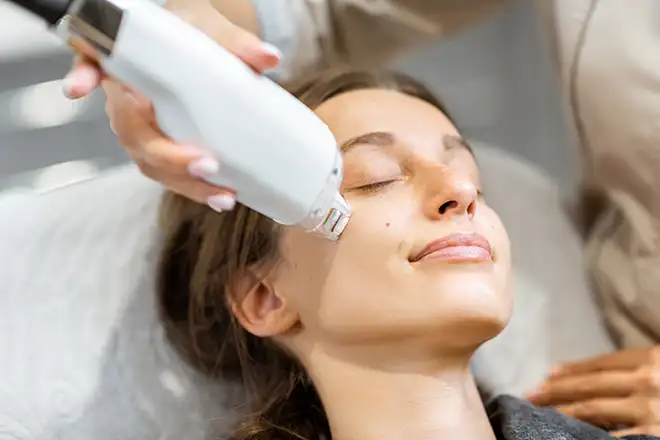
# Why Device-Based Acne Treatments Are Gaining Ground
Acne treatment has undergone a significant shift in recent years. While topical medications like retinoids and benzoyl peroxide remain foundational therapies, dermatologists and patients are increasingly turning to device-based treatments as complementary or alternative options. This trend reflects both technological advances and a growing demand for solutions that offer convenience, minimal downtime, and results that traditional treatments alone cannot always deliver.
The appeal of device-based acne treatments lies in their ability to target acne through multiple mechanisms. Different devices work in distinct ways. Some use light energy to kill acne-causing bacteria deep within pores. Others stimulate the skin’s natural healing response to reduce inflammation and prevent future breakouts. Certain advanced lasers can even shrink the oil glands that contribute to acne formation. This multi-pronged approach addresses acne at its source rather than just treating surface symptoms.
One major advantage driving adoption is minimal downtime. Many patients struggle to fit dermatology appointments into busy schedules, especially when treatments require extended recovery periods. Device-based options like blue light therapy and certain laser treatments allow patients to return to normal activities immediately or within hours. This accessibility makes consistent treatment more feasible for working professionals, students, and anyone with demanding schedules.
The evidence supporting these treatments continues to grow. Research shows that light-emitting diode therapy and intense pulsed light produce comparable improvements in acne severity. Blue light therapy, in particular, has gained recognition for its ability to penetrate deep into pores where topical products cannot reach, helping break the cycle of constant breakouts. Laser treatments like Nd:YAG and AviClear have demonstrated effectiveness for moderate to severe acne, with some patients noticing improvement after just a few sessions.
Another factor fueling this trend is the rise of combination therapy. Dermatologists increasingly recommend using device-based treatments alongside topical prescriptions and oral medications rather than as replacements. This integrated approach often produces better results than any single treatment alone. Patients appreciate that these devices work well with their existing skincare routines and prescribed medications without causing conflicts or complications.
The development of newer technologies has also expanded treatment options. Devices like Secret RF combine microneedling with radiofrequency energy to stimulate collagen production from within the skin. Others use fractionated energy delivery systems that minimize damage to surrounding tissue while maximizing therapeutic effect. These innovations offer dermatologists more precise tools to customize treatment based on individual skin types and acne severity.
For patients with darker skin tones, certain device-based treatments offer advantages over traditional options. Some laser wavelengths, particularly Nd:YAG lasers, penetrate deeply to reach sebaceous glands while being safer for darker skin. This inclusivity has made device-based acne treatment more accessible to a broader population.
The convenience factor extends beyond just recovery time. At-home devices are becoming increasingly available, though professional treatments remain more powerful and effective. The development of devices like the ClearPen, which allows patients to self-administer corticosteroid injections at home under medical supervision, represents the next frontier in accessible acne care. Early clinical trials show these at-home treatments perform as well as in-office procedures, potentially transforming how patients manage inflammatory acne.
Cost considerations also play a role in this shift. While device-based treatments require multiple sessions spaced weeks apart, the cumulative cost often becomes comparable to long-term topical medication use when factoring in prescription refills and dermatology visits. For some patients, the investment in a series of treatments feels more manageable than ongoing medication expenses.
Perhaps most importantly, device-based treatments address a real gap in acne management. For patients who cannot tolerate topical retinoids due to sensitivity or irritation, who have resistant acne that does not respond to conventional therapy, or who simply prefer non-pharmaceutical options, these devices provide viable alternatives. They also excel at treating acne scars and post-inflammatory redness, concerns that topical treatments alone cannot adequately address.
The growing popularity of device-based acne treatments reflects a maturation of dermatological care. Rather than viewing these technologies as replacements for proven therapies, modern dermatology recognizes them as valuable tools that expand treatment possibilities. As technology continues to advance and more clinical evidence accumulates, device-based treatments will likely become even more central to comprehensive acne management strategies.
Sources
https://beautymatter.com/articles/the-glp1-effect-acne-market
https://www.michelegreenmd.com/laser-vs-microneedling-for-acne-scars
https://www.frontiersin.org/journals/medicine/articles/10.3389/fmed.2025.1742480/full
https://friederdermatology.com/blue-light-phototherapy-for-acne/
https://trilliumclinic.com/laser-treatments-for-acne-dermatologist-guide/