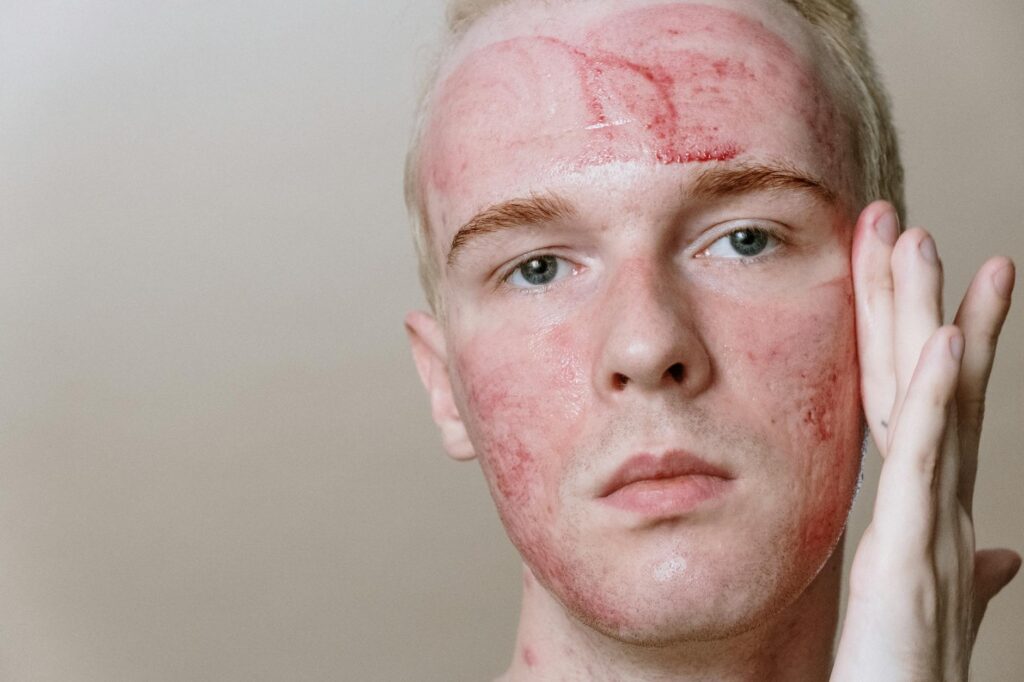
Dehydration makes acne scars look worse because it reduces your skin’s ability to plump up and fill in depressed areas. When your skin is properly hydrated, water molecules in the epidermis create volume and firmness that naturally minimizes the appearance of indented scars.
When you’re dehydrated, your skin becomes thinner and loses elasticity, making those same scars appear deeper, more pronounced, and more textured. Think of it like the difference between a plump grape and a shriveled raisin—the same grape looks completely different when water content drops. This article explains the biological mechanism behind this effect, covers different types of acne scars and how dehydration affects each one differently, and provides practical hydration strategies that can noticeably improve scar appearance within weeks.
Table of Contents
- How Does Dehydration Shrink Your Skin and Emphasize Scars?
- Why Skin Barrier Hydration and Elasticity Matter for Scar Recovery
- How Dehydration Affects Different Types of Acne Scars Differently
- How to Properly Hydrate Your Skin and See Results on Scarred Skin
- Common Mistakes That Keep Scarred Skin Dehydrated
- Environmental Factors and Dehydration That Affect Scar Appearance
- Long-Term Skin Health and Preventing Future Dehydration-Related Scar Worsening
- Conclusion
How Does Dehydration Shrink Your Skin and Emphasize Scars?
Your skin’s outer layer, the stratum corneum, relies on hydration to maintain its volume and structure. When you’re dehydrated, water moves out of these outer skin cells, causing them to compress and flatten. This compression is particularly noticeable over depressed scars because the skin loses the “cushioning” effect that normally helps conceal indentations. A person with well-hydrated skin can have the exact same atrophic (indented) scars as someone who is chronically dehydrated, yet the first person’s scars will appear 30-50% less visible simply because their skin maintains better volume. The contrast between healthy skin and scarred skin becomes sharper when dehydration enters the picture.
Additionally, dehydrated skin typically develops a dull, flaky appearance that creates shadow effects that further emphasize scar texture. When light hits healthy, hydrated skin, it reflects more evenly. Dehydrated skin creates micro-shadows in pores and textured areas, which makes scarring look more severe. Someone might notice their scars looking worse after a week of travel, low water intake, or dry winter weather—this is the dehydration effect in action. The scar itself hasn’t changed, but the surrounding skin’s loss of hydration has made it far more visible.
Why Skin Barrier Hydration and Elasticity Matter for Scar Recovery
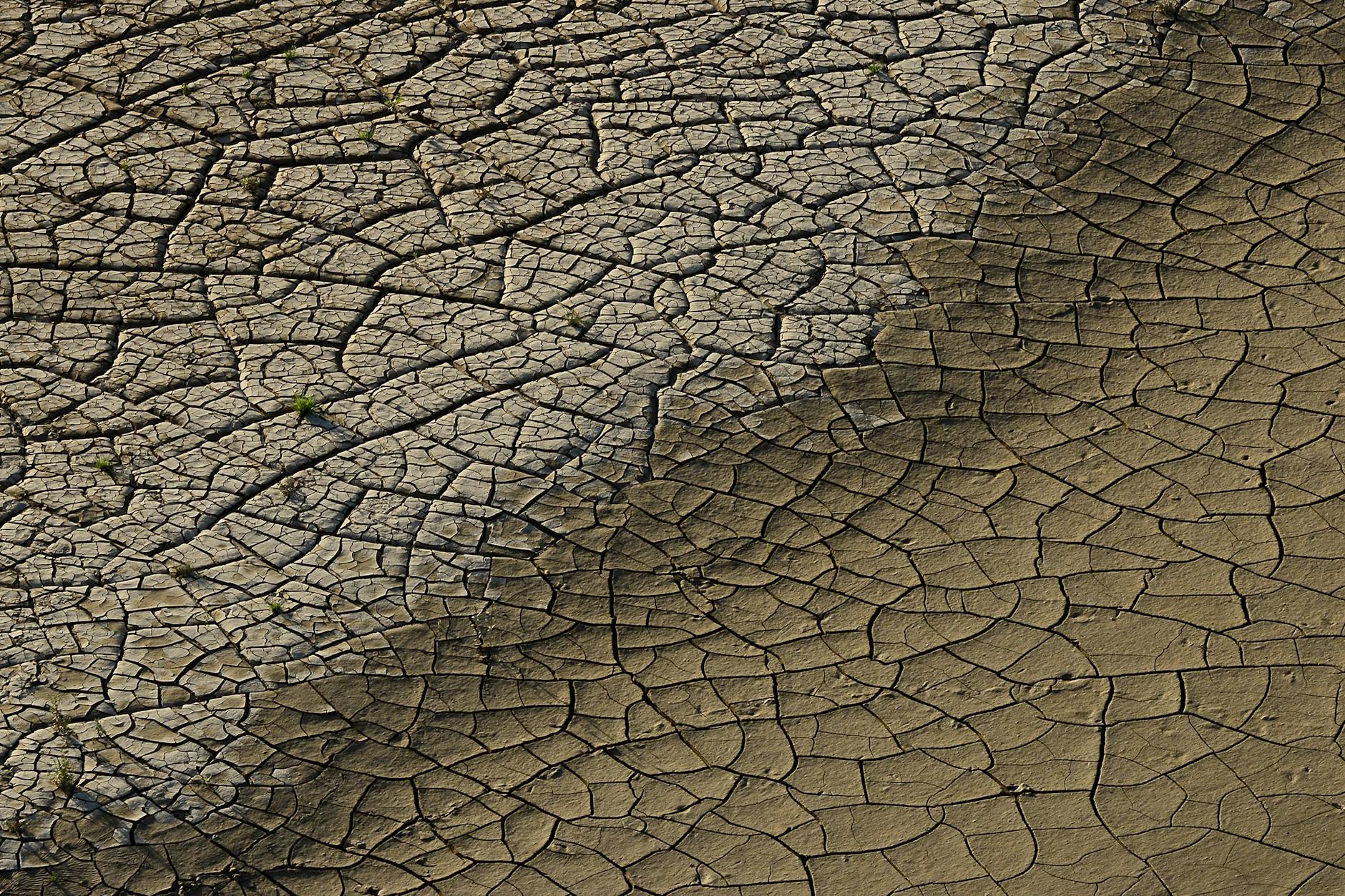
The skin barrier—that outermost protective layer—acts like a moisture reservoir. When it’s intact and hydrated, it reflects light better, maintains elasticity, and allows your skin to “bounce back” from depression and texture. When you’re dehydrated, this barrier weakens, allowing more water to evaporate from deeper layers. This creates a cascade: reduced hydration leads to reduced elasticity, which means your skin can’t stretch over scars as effectively, which makes scars appear deeper.
However, if you have severe or very deep atrophic scars, hydration alone won’t eliminate them entirely. Dehydration can make a 2mm indented scar look like 3-4mm, but improving hydration won’t turn a true indentation into completely smooth skin if the scar has structural depth. What hydration does is recover the “visual forgiveness” your skin would naturally have if it were properly maintained. It also prevents the common mistake of making scars look worse than they actually are. Many people think their scars are more severe than they are because they’ve been evaluating them under the lens of chronically dehydrated skin.
How Dehydration Affects Different Types of Acne Scars Differently
Atrophic (depressed) scars are most visibly affected by dehydration because these scars rely on surrounding skin volume to be minimized visually. When your skin is dehydrated, there’s less plumpness around and within the scar, making the indentation look sharper and deeper. Ice-pick scars are similarly worsened because dehydrated skin is more likely to show the sharp shadows that make these narrow, deep scars appear more severe.
Rolling scars, which are broader and shallower, are somewhat less affected by dehydration, but they still look more pronounced in dehydrated skin because the surrounding skin loses its smooth, firm appearance. Hypertrophic and keloid scars (raised scars) might actually look slightly less prominent when skin is dehydrated because the dehydrated skin appears flatter overall, creating less contrast. However, this is not a reason to stay dehydrated—raised scars are typically treated through other methods, and you should prioritize overall skin health. The main point is that if you have a mix of scar types (which is common), dehydration will make your depressed scars look significantly worse while potentially masking raised scars, creating an uneven appearance overall.

How to Properly Hydrate Your Skin and See Results on Scarred Skin
Proper skin hydration requires both internal and external strategies. Drinking adequate water (generally 2-3 liters per day, more if you exercise or live in a dry climate) is the foundation, but topical hydration is equally important for scar appearance. Using hydrating serums with hyaluronic acid or glycerin immediately after cleansing helps water penetrate and stay in the epidermis. Applying a moisturizer while skin is still damp locks this hydration in. Many people with scarred skin see visible improvement in scar appearance within 2-3 weeks of consistent hydration, which often surprises them because they assume their scars are permanent and unchangeable.
The comparison matters here: someone with depressed acne scars who starts properly hydrating will see their scars appear noticeably less severe, even though the scarring itself hasn’t been treated with any clinical procedure. This is why dermatologists often recommend optimizing hydration before pursuing expensive scar treatments like microneedling or laser therapy. You might discover that 4-6 weeks of dedicated hydration makes your scars acceptable to you, or at minimum, makes any future treatment work more effectively. A key limitation: hydration helps you achieve your skin’s maximum potential appearance, but it can’t completely erase structural scarring. If you’ve had subcision or other scar-depth treatments, hydration becomes even more important because it helps your skin “settle” into the new contours.
Common Mistakes That Keep Scarred Skin Dehydrated
Many people with acne scars use overly drying treatments like strong retinoids, acids, or benzoyl peroxide without balancing with adequate hydration and moisturizing. These actives are useful for preventing new acne and can support skin turnover, but they’re counterproductive if applied to already-dehydrated skin or without proper moisturizing afterward. The trade-off: you might reduce active acne, but you’ll make your existing scars look worse due to dehydration. This is why a hydration-first approach is often smarter for people with scarring—establish baseline skin health and hydration, then layer in treatments if needed.
Another common mistake is using harsh physical exfoliants or over-exfoliating in general. Exfoliation removes the outer layer of skin, which disrupts the moisture barrier and leads to transient dehydration. For scarred skin, this temporarily emphasizes scarring. People often notice their scars look worse after a facial or aggressive exfoliation session, conclude their scars are “getting worse,” and don’t realize it’s just dehydration and irritation. A warning: if your skin is already compromised (active acne, recent scar treatments, sensitive skin), aggressive exfoliation can delay healing and dehydrate already-vulnerable skin further.
Environmental Factors and Dehydration That Affect Scar Appearance
Cold, dry climates and winter weather are notorious for exacerbating dehydration and making scars look more severe. Additionally, air conditioning and heating systems in offices and homes dramatically reduce humidity, leading to transient dehydration even if you’re drinking plenty of water. Some people notice their scars look worse in winter or in certain environments and blame their skin condition, when the reality is that environmental dehydration is temporarily worsening their appearance. Using a humidifier in your bedroom or workspace, especially in dry climates, can help maintain skin hydration and keep your scars looking less severe.
Sun exposure also dehydrates skin and can increase inflammation around scar tissue, making scars appear redder and more pronounced. Using SPF protects against this dual effect. Someone who spends a week in a humid, tropical climate might notice their acne scars look noticeably less severe—not because they’ve been “cured,” but because higher humidity allows their skin to maintain hydration more easily. This is a practical example of how environmental factors interact with dehydration to affect scar appearance.
Long-Term Skin Health and Preventing Future Dehydration-Related Scar Worsening
Building a sustainable hydration routine isn’t just about improving current scar appearance; it’s about preventing your skin from chronically dehydrating and making scars look worse than they need to. As you age, your skin naturally retains less moisture, which means someone in their 20s with good hydration habits might see their scars stabilize in appearance, while someone with poor hydration habits might watch their same scars look increasingly worse as skin loses elasticity with age. Starting good hydration practices now creates a foundation for maintaining your skin’s best possible appearance long-term.
If you’re planning to pursue clinical scar treatments in the future, establishing excellent hydration habits beforehand improves outcomes. Skin that’s properly hydrated responds better to laser therapy, microneedling, and other procedures. Hydration also speeds recovery and reduces irritation post-treatment. Looking forward, maintaining hydration is one of the few interventions that has no downside and direct benefit for scar appearance—it’s worth prioritizing alongside any other scar management strategies you choose.
Conclusion
Dehydration makes acne scars look significantly worse by reducing skin volume, elasticity, and the light-reflecting properties that minimize the appearance of scarring. The effect is not permanent—rehydrating your skin can visibly improve scar appearance within weeks.
Proper hydration should be your baseline before pursuing any clinical scar treatments, and it’s a foundational practice that pays dividends across all aspects of skin health. Start by increasing water intake, using hydrating serums and moisturizers, and protecting your skin barrier from unnecessary dehydration through harsh treatments or environmental exposure. Many people are surprised how much their scars improve when they simply optimize hydration, making this one of the highest-return, lowest-risk investments in their skin’s appearance.