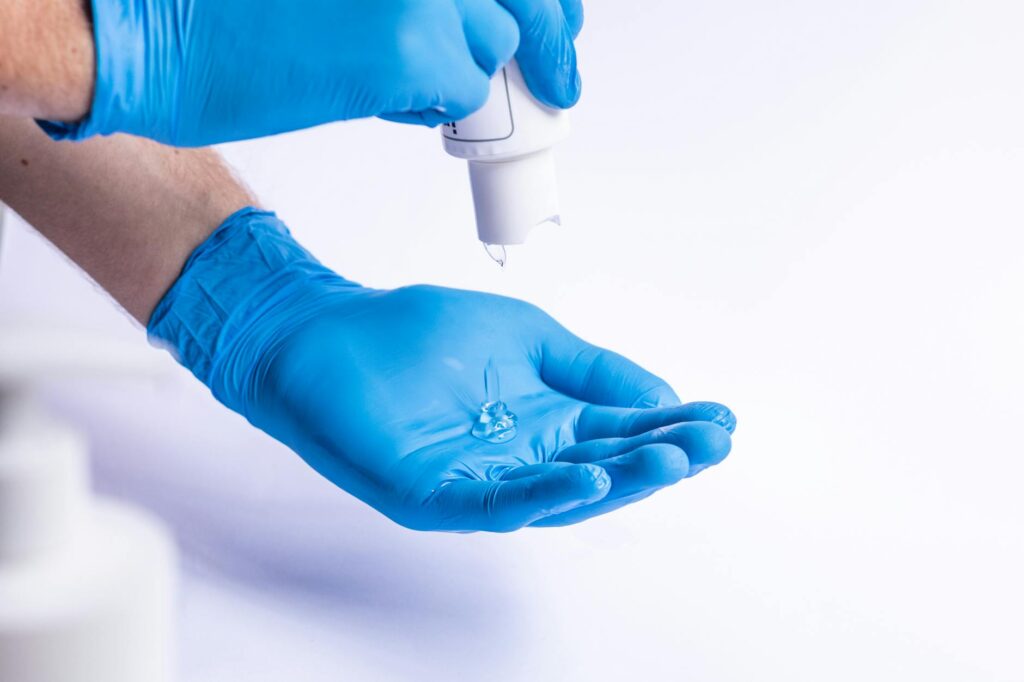
Dapsone gel is used for acne in adult women because it targets the specific type of inflammatory acne that disproportionately affects this demographic, and clinical trials have shown it works significantly better in female patients than in male patients. The 7.5% formulation, marketed as Aczone, was FDA-approved in part because of striking data showing that women experienced roughly twice the reduction in inflammatory lesions compared to men in the same trials. For a 34-year-old woman dealing with persistent hormonal jawline breakouts that haven’t responded well to benzoyl peroxide or adapalene alone, dapsone gel offers a targeted option that doesn’t rely on antibiotics or hormonal manipulation. This article covers what makes adult female acne different from teenage acne, why dapsone’s mechanism of action appears to favor women, how it compares to other common topical treatments, practical considerations for incorporating it into a routine, side effects and limitations to be aware of, and what the research actually shows about long-term outcomes.
Table of Contents
- Why Does Dapsone Gel Work Better for Acne in Adult Women Than in Men?
- How Adult Female Acne Differs From Adolescent Breakouts
- What the Clinical Trial Data Actually Shows About Dapsone Gel
- How to Incorporate Dapsone Gel Into a Practical Skincare Routine
- Side Effects, Limitations, and Who Should Avoid Dapsone Gel
- Cost and Access Challenges With Dapsone Gel
- Where Dapsone Fits in the Evolving Landscape of Adult Acne Treatment
- Conclusion
- Frequently Asked Questions
Why Does Dapsone Gel Work Better for Acne in Adult Women Than in Men?
The honest answer is that researchers aren’t entirely sure why the gender disparity exists, but the leading theory involves hormonal differences in skin biology. Dapsone is an anti-inflammatory and antimicrobial agent that was originally developed as an oral drug for leprosy and dermatitis herpetiformis. When reformulated as a topical gel for acne, the pivotal Phase III trials revealed something unexpected: women using dapsone gel 5% saw a 48.8% mean reduction in inflammatory lesions versus 39.6% in men. The difference was statistically significant and consistent across multiple studies. Adult female acne tends to be more inflammatory and concentrated along the lower face and jawline, and dapsone’s anti-inflammatory properties appear to match this presentation particularly well.
One comparison that helps illustrate the point: benzoyl peroxide works roughly equally well in men and women because it kills P. acnes bacteria through oxidation regardless of the hormonal environment. Dapsone, by contrast, inhibits neutrophil migration and the production of reactive oxygen species in inflamed tissue, processes that may be modulated by estrogen and progesterone levels. Some dermatologists have speculated that differences in sebum composition between men and women affect how dapsone penetrates and acts within the follicle, though this hasn’t been conclusively proven. The practical takeaway is that dermatologists now frequently reach for dapsone gel specifically when treating women over 25 with inflammatory papules and pustules, rather than using it as a general-purpose acne treatment for all patients.
How Adult Female Acne Differs From Adolescent Breakouts
Adult female acne is a distinct clinical entity, not simply teenage acne that never went away. About 26% of women in their 30s and 12% of women in their 40s report active acne, according to survey data published in the Journal of the American Academy of Dermatology. The breakouts tend to be deeper, more inflammatory, and concentrated on the lower third of the face, chin, and neck. They often flare predictably with menstrual cycles, responding to shifts in androgens and progesterone.
The comedonal “blackhead and whitehead” pattern that dominates adolescent acne is less prominent; instead, adult women tend to present with tender, deep-seated papules and nodules that are slow to resolve and prone to post-inflammatory hyperpigmentation. However, if your breakouts are primarily comedonal, meaning lots of clogged pores, small bumps, and blackheads with minimal redness or swelling, dapsone gel is probably not your best first-line option. It has limited comedolytic activity compared to retinoids like tretinoin or adapalene, which directly address the abnormal keratinization that plugs follicles. Dapsone is designed to reduce the inflammation once a breakout has become red and angry. This distinction matters because many women with adult acne have a mixed presentation, and a dermatologist will often pair dapsone with a retinoid to cover both bases rather than relying on dapsone alone.
What the Clinical Trial Data Actually Shows About Dapsone Gel
The pivotal studies for dapsone gel 7.5%, the newer once-daily formulation, were two identical 12-week randomized controlled trials involving over 4,300 patients aged 12 and older. In the pooled female subgroup analysis, patients on dapsone gel achieved a 55.5% mean reduction in inflammatory lesions compared to 48.3% in the vehicle group. The global acne assessment success rate, defined as achieving “none” or “minimal” acne with at least a two-grade improvement, was 29.6% for dapsone versus 21.7% for vehicle in women. These are modest numbers in absolute terms, and it’s worth being honest about that: roughly seven out of ten women did not hit that benchmark, though most still saw meaningful improvement short of complete clearance.
A specific example helps ground these statistics. In a real-world retrospective chart review published in the Journal of Drugs in Dermatology, 72 adult women with moderate inflammatory acne who used dapsone gel 7.5% for 16 weeks showed a mean reduction of 14.8 inflammatory lesions from a baseline of approximately 24. About 40% of those patients rated their improvement as “significant” on a patient satisfaction questionnaire. That’s a meaningful result, but it also underscores that dapsone alone won’t produce dramatic before-and-after transformations for most people. It works best as part of a broader regimen.

How to Incorporate Dapsone Gel Into a Practical Skincare Routine
The standard protocol is straightforward: apply a pea-sized amount of dapsone gel 7.5% once daily to the affected areas after cleansing and before moisturizer. The 5% formulation requires twice-daily application, which is one reason many dermatologists now prefer the 7.5% version for patient compliance. Dapsone gel has a relatively low irritation profile compared to retinoids, which makes it easier to layer with other actives. A common combination regimen involves applying dapsone in the morning and a retinoid like adapalene at night, which addresses both the inflammatory and comedonal components of acne simultaneously. The tradeoff worth discussing is dapsone versus topical antibiotics like clindamycin.
Both are anti-inflammatory, but clindamycin carries the serious drawback of promoting antibiotic resistance when used long-term. Current guidelines recommend limiting topical antibiotic use to 12 weeks and always pairing it with benzoyl peroxide to reduce resistance risk. Dapsone, while technically antimicrobial, doesn’t carry the same resistance concerns because its primary mechanism in acne is anti-inflammatory rather than bactericidal. This means dapsone can be used for extended maintenance therapy, potentially for months or years, without the guilt or clinical risk associated with prolonged antibiotic exposure. For a woman managing a chronic, relapsing condition like adult acne, this is a significant practical advantage.
Side Effects, Limitations, and Who Should Avoid Dapsone Gel
The most common side effects of topical dapsone are mild: dryness, peeling, and oiliness at the application site, each reported in 1-3% of patients in clinical trials. This is notably gentler than retinoids, which commonly cause significant dryness and irritation during the first several weeks. Serious systemic side effects from topical dapsone are rare because skin absorption is minimal, but there is one critical warning. Patients with glucose-6-phosphate dehydrogenase deficiency should use dapsone gel with caution.
Oral dapsone can cause severe hemolytic anemia in G6PD-deficient individuals, and while topical application delivers far less drug systemically, cases of hemolysis have been reported. G6PD deficiency is more common in people of African, Mediterranean, and Southeast Asian descent, and some dermatologists recommend screening before prescribing. Another limitation that doesn’t get enough attention: dapsone gel should not be used simultaneously with benzoyl peroxide because the combination causes temporary orange-brown staining of the skin and hair. This is a chemical reaction between the two compounds, not a medical danger, but it’s cosmetically distressing and has caused more than a few panicked calls to dermatologists. If you need both, apply them at different times of day, using dapsone in the morning and benzoyl peroxide at night, or choose a regimen that doesn’t require both.
Cost and Access Challenges With Dapsone Gel
Brand-name Aczone has historically been expensive, often exceeding $500 per tube without insurance, which has been a significant barrier to access. Generic dapsone gel 7.5% became available in 2022, bringing the price down substantially, though it still typically runs $50-150 with a GoodRx coupon at retail pharmacies.
For a woman whose insurance covers it with a standard specialty copay, this may be manageable, but for someone paying out of pocket, it can be hard to justify given the moderate efficacy data. Some dermatologists have noted that the patients who benefit most from dapsone, adult women with persistent inflammatory acne, are also the demographic most likely to have already spent heavily on other treatments and may be reluctant to add another recurring expense without a guarantee of results.
Where Dapsone Fits in the Evolving Landscape of Adult Acne Treatment
The treatment landscape for adult female acne is expanding. Newer options like clascoterone cream, the first topical anti-androgen approved for acne, offer a hormone-targeted approach that directly addresses the androgenic drivers of adult female breakouts.
Sarecycline, a narrow-spectrum oral antibiotic, provides a more targeted systemic option with fewer gut-related side effects than older tetracyclines. In this context, dapsone gel occupies a specific niche: it’s a well-tolerated, non-antibiotic, non-hormonal topical anti-inflammatory with a proven track record in the exact patient population that struggles most with acne. It won’t be the right choice for everyone, but for women who can’t or prefer not to take oral medications, who want to avoid antibiotic resistance, or who need a gentle add-on to a retinoid-based regimen, dapsone remains a uniquely positioned option.
Conclusion
Dapsone gel earned its place in adult female acne treatment because the clinical evidence consistently shows it works better in women than in men, likely due to the interaction between its anti-inflammatory mechanism and the hormonal profile of adult female skin. The 7.5% once-daily formulation offers a practical, low-irritation option that can be maintained long-term without the antibiotic resistance concerns that plague clindamycin and other topical antibiotics. It is best suited for inflammatory papules and pustules rather than comedonal acne, and it works most effectively as part of a combination regimen rather than as a standalone treatment.
If you’re an adult woman dealing with stubborn inflammatory acne, dapsone gel is worth discussing with a dermatologist, particularly if retinoids alone aren’t controlling the inflammatory component or if you’ve been relying on topical antibiotics for longer than you’d like. Be realistic about expectations: most patients see meaningful improvement, but dramatic clearance from dapsone alone is uncommon. The real value lies in its safety profile, its suitability for long-term use, and its ability to complement other treatments without adding irritation or resistance risk.
Frequently Asked Questions
Is dapsone gel available over the counter?
No. Dapsone gel, whether the 5% or 7.5% formulation, requires a prescription. There is no over-the-counter equivalent with the same active ingredient for acne treatment.
Can I use dapsone gel with tretinoin or adapalene?
Yes. Dapsone gel is commonly paired with retinoids. A typical approach is applying dapsone in the morning and the retinoid at night to minimize irritation and maximize the complementary mechanisms.
How long does it take for dapsone gel to show results?
Most clinical trials assessed outcomes at 12 weeks. Some patients notice improvement in inflammatory lesions within 4-6 weeks, but full results take about three months. If you’ve seen no change after 12 weeks, it may not be the right fit.
Does dapsone gel help with acne scars or dark spots?
Dapsone does not directly treat post-inflammatory hyperpigmentation or scarring. However, by reducing active inflammation, it may help prevent new dark spots from forming. Separate treatments like azelaic acid, vitamin C, or laser therapy are needed for existing discoloration.
Is dapsone gel safe during pregnancy?
Dapsone gel is classified as pregnancy category C, meaning animal studies have shown some risk and there are no adequate human studies. Most dermatologists avoid prescribing it during pregnancy and recommend alternatives like azelaic acid, which has a more favorable safety profile for pregnant patients.