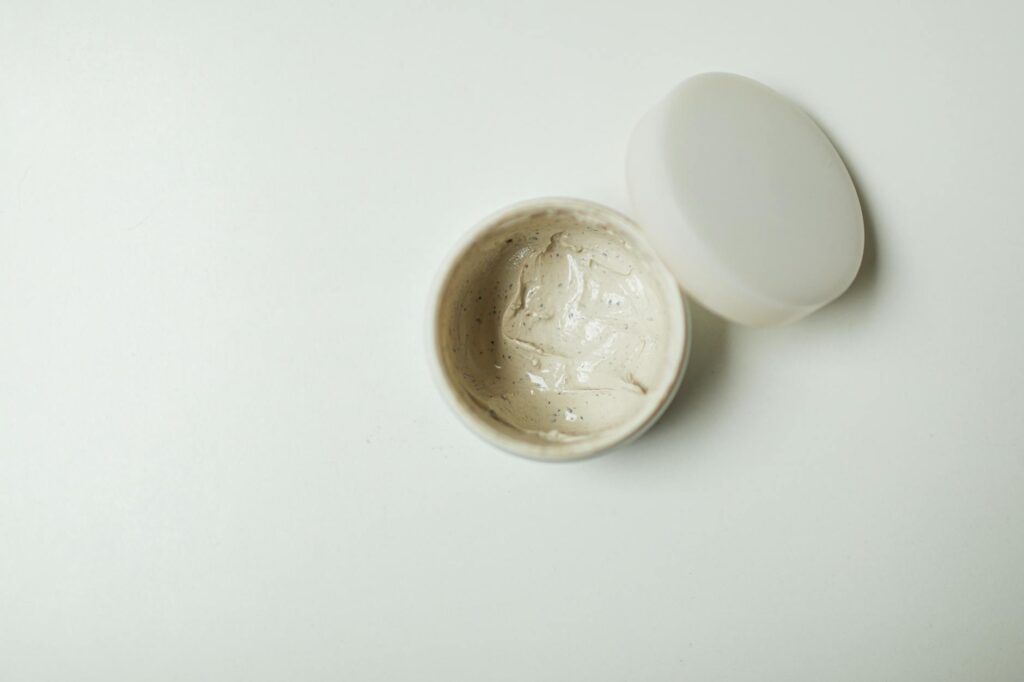
Cosmelan peel is used for post-inflammatory hyperpigmentation after acne because it works at the root cause of the discoloration—melanin overproduction triggered by the inflammatory response to acne. Unlike treatments that only lighten surface pigment, Cosmelan penetrates deeper into the skin to inhibit tyrosinase, the enzyme responsible for melanin synthesis, which makes it particularly effective for the specific type of darkening that acne leaves behind. When acne heals, melanocytes become overactive and deposit excess melanin into the dermis, creating brown or gray marks that persist long after the pimples themselves are gone—and Cosmelan targets this exact mechanism. This article explains how PIH develops, why Cosmelan outperforms other options for this specific concern, what to expect during treatment, realistic timelines for results, and how it compares to alternative approaches.
Table of Contents
- How Does Acne Cause Post-Inflammatory Hyperpigmentation?
- What Makes Cosmelan Peel Different From Other Depigmentation Treatments?
- The Science Behind Tyrosinase Inhibition and Melanin Control
- Comparing Cosmelan to Laser Treatments and Other Options
- Common Complications and Realistic Limitations of Cosmelan
- Timeline and Realistic Expectations for Results
- Future Developments and Alternative Approaches on the Horizon
- Conclusion
- Frequently Asked Questions
How Does Acne Cause Post-Inflammatory Hyperpigmentation?
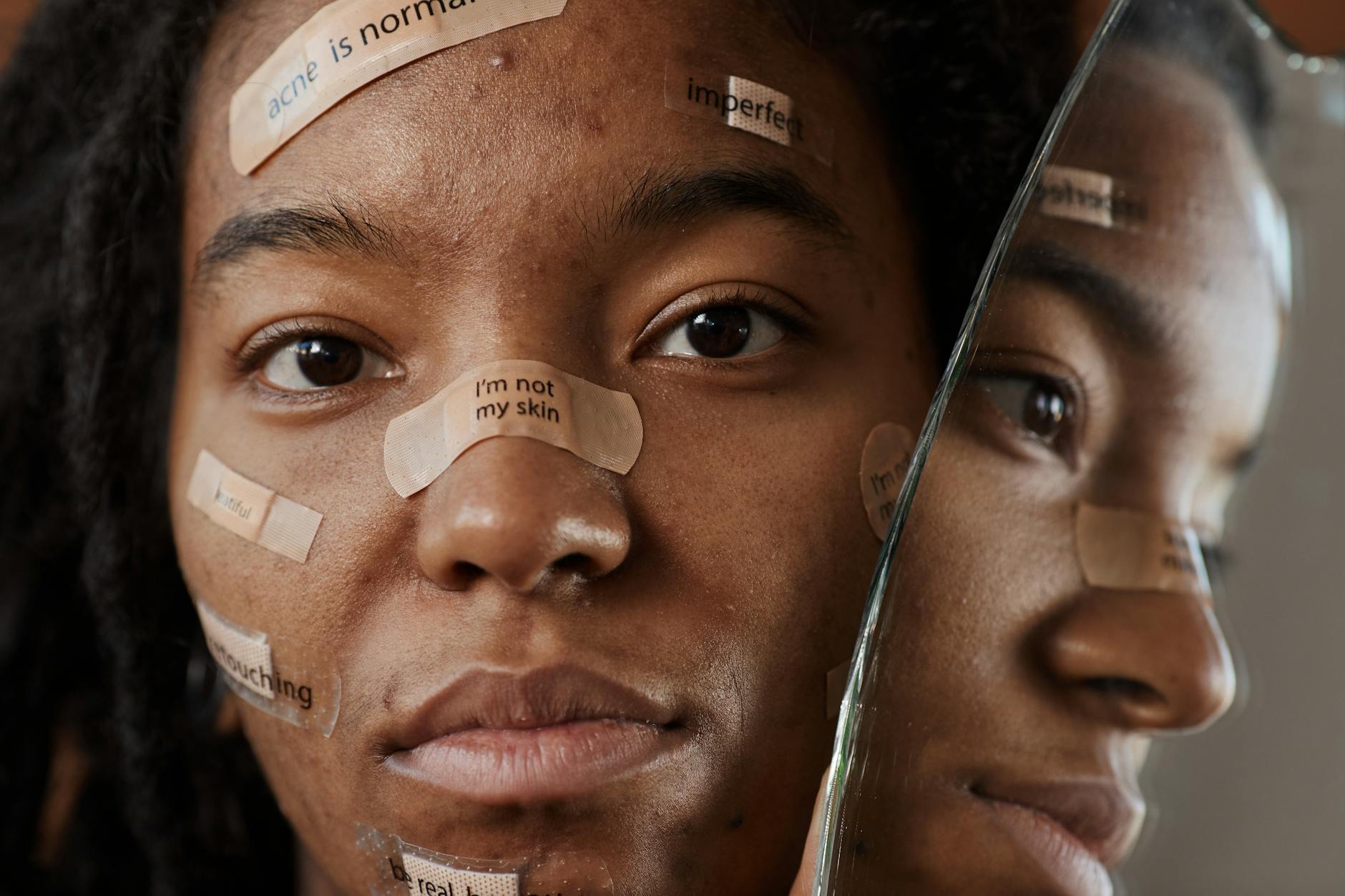
Post-inflammatory hyperpigmentation develops because acne triggers an inflammatory cascade in the skin. When bacteria irritate the follicle, your immune system responds by increasing blood flow and releasing inflammatory mediators—and this inflammation signals melanocytes (pigment-producing cells) to overproduce melanin as a form of protection. The melanin gets deposited unevenly into deeper skin layers where it’s harder to shed through normal cell turnover, especially in people with darker skin tones who have naturally higher baseline melanin production.
A single inflamed pimple can leave a dark mark that lasts weeks or months even after the pimple itself has completely healed, because the pigment is literally embedded in the living tissue beneath the surface. PIH is distinct from other post-acne marks like scarring or erythema (redness). While a red mark will eventually fade as inflammation subsides, PIH can persist for years without treatment because the melanin doesn’t disappear on its own—your body has essentially over-corrected by producing too much of a substance that’s normally protective. This is why hydroquinone creams or basic lightening treatments often fail: they can only affect melanin that’s accessible at the surface, not the deposits sitting in the deeper dermal layers where Cosmelan can reach them.
What Makes Cosmelan Peel Different From Other Depigmentation Treatments?
Cosmelan is a professional-grade chemical peel that uses a proprietary blend of depigmenting agents, with the primary active ingredient being kojic acid, though the exact formulation also includes azelaic acid, phytic acid, and ascorbic acid working in combination. The key difference is its two-phase system: an in-office application creates a controlled exfoliation that forces the skin to shed the pigment-laden cells, followed by a home maintenance cream that keeps suppressing melanin production for weeks afterward. This dual approach is much more aggressive than over-the-counter hydroquinone or niacinamide products, which can only lighten pigment they can reach at or near the skin surface.
However, Cosmelan doesn’t work equally well for all types of hyperpigmentation. If the PIH is extremely deep in the dermis or if the melanin has been present for several years, results may be slower and less complete than for newer marks. Additionally, Cosmelan carries real side effects—temporary whitening, peeling that lasts 7-10 days, possible irritation, and a strict sun protection requirement during the healing period. If a patient doesn’t follow post-treatment care religiously or has a history of contact dermatitis, they may experience prolonged sensitivity rather than straightforward lightening.
The Science Behind Tyrosinase Inhibition and Melanin Control
Tyrosinase is the enzyme that catalyzes the conversion of the amino acid tyrosine into dopamine and melanin—it’s essentially the on/off switch for pigment production. When Cosmelan enters the skin, its active ingredients bind to tyrosinase and block its ability to function, which means even if melanocytes are still signaling for more melanin, the machinery can’t produce it. This is why Cosmelan addresses the root cause rather than just treating the symptom: it’s not removing existing melanin but preventing new melanin from being made while simultaneously exfoliating away the cells that already contain dark pigment.
The home maintenance phase of Cosmelan is equally important because tyrosinase inhibition doesn’t last forever. The enzyme regenerates, which is why the follow-up cream (typically applied for 2-3 months post-treatment) continues suppressing tyrosinase activity even as your skin heals. Studies show that patients who use the home maintenance cream consistently see 60-80% improvement in PIH over 3-4 months, while those who skip it often see the marks begin to return. This long-term maintenance component is why Cosmelan requires more commitment than a single laser treatment, but also why results can be more comprehensive for extensive PIH.
Comparing Cosmelan to Laser Treatments and Other Options
Laser treatments like Q-switched Nd:YAG lasers or picosecond devices target pigment by breaking it apart mechanically, which works quickly but often requires multiple sessions (4-6 treatments spaced weeks apart) and carries a higher risk of paradoxical darkening in darker skin tones. Cosmelan, by contrast, takes longer (results emerge over 4-12 weeks) but works through biochemical inhibition rather than mechanical destruction, which tends to be safer for all skin types including those with higher melanin baseline. The tradeoff is cost: one Cosmelan peel typically costs $300-600, while a course of laser treatments can run $1500-3000 total.
Hydroquinone creams and serums are cheaper and non-invasive but are fundamentally limited—they can only lighten accessible melanin, so their effect on deep PIH is modest at best. Many dermatologists now recommend Cosmelan as the middle ground: more effective than topical treatments, safer than lasers for darker skin, faster than waiting for natural fading, and with fewer sessions than most laser protocols. However, Cosmelan requires downtime (visible peeling), while laser treatments don’t, which matters if someone needs to go to work immediately after treatment.
Common Complications and Realistic Limitations of Cosmelan
One frequently underestimated complication is post-peel irritation that extends beyond the normal 7-10 day recovery window. If the peel is applied too aggressively or if someone has reactive skin, they can experience prolonged erythema, burning, or even contact dermatitis that lasts 2-3 weeks. Additionally, while Cosmelan is effective for melanin in the epidermis and upper dermis, extremely deep or old PIH marks (especially those over 2-3 years old) may respond poorly because the melanin has become more permanently integrated into the skin architecture.
Contrary to some marketing claims, Cosmelan does not prevent future acne or eliminate the risk of new PIH forming. If someone continues getting breakouts, they’ll continue getting new hyperpigmentation marks, and Cosmelan won’t protect against that. The treatment is most successful when combined with an active acne regimen (retinoids, benzoyl peroxide, or prescription treatments) that actually prevents new lesions from forming in the first place.
Timeline and Realistic Expectations for Results
The peeling phase begins within 24-48 hours of the Cosmelan application and typically continues for 7-10 days—patients often report their skin looking visibly darker before it starts lightening, which can be alarming but is normal. Real lightening of the PIH marks becomes visible after about 2 weeks as new unpigmented skin cells surface, and the most dramatic improvements happen between week 3 and week 8. For stubborn marks, improvement can continue for up to 12 weeks, which is why many dermatologists recommend a second peel if first results plateau after the initial 8-10 week period.
Lifestyle factors significantly impact these timelines. Consistent daily sunscreen use (SPF 30+) accelerates clearing because sun exposure triggers more melanin production and can erase months of progress in weeks. Conversely, poor sun protection during the recovery phase can lead to rebound hyperpigmentation where the marks actually darken again. This commitment to sun protection needs to be real and sustained, not just theoretical.
Future Developments and Alternative Approaches on the Horizon
Newer depigmenting agents like niacinamide and tranexamic acid are showing promise in research and may eventually offer less aggressive alternatives for mild PIH, but they haven’t yet displaced Cosmelan for moderate to severe cases. Combination approaches—pairing Cosmelan with targeted laser sessions—are emerging as a way to address both the pigment and any underlying textural issues that often accompany deep acne scarring, though this approach requires finding a skilled practitioner and increases overall cost.
The future of PIH treatment likely lies in prevention and early intervention rather than aggressive treatment of years-old marks. Dermatologists increasingly recommend addressing acne inflammation aggressively in the first place—using oral or topical anti-inflammatories alongside acne treatments—to prevent the PIH from forming. But for anyone dealing with existing marks from past breakouts, Cosmelan remains one of the most evidence-backed, effective options available.
Conclusion
Cosmelan peel is used for post-inflammatory hyperpigmentation because it addresses the mechanism that causes it: melanin overproduction triggered by acne inflammation. By inhibiting tyrosinase and combining that with intensive exfoliation, followed by weeks of continued suppression via home maintenance, Cosmelan delivers results that topical treatments can’t match—typically 60-80% improvement over 3-4 months.
It’s particularly valuable for people with darker skin tones where laser treatments carry higher complication risks, and for marks that are relatively recent (within 1-3 years) and moderate in depth. Success with Cosmelan depends on following aftercare instructions precisely, especially sun protection, and pairing it with an acne prevention regimen so new marks don’t replace the ones being treated. If you’re considering Cosmelan, consultation with a dermatologist who regularly performs the treatment is essential—they can assess the depth and age of your specific PIH marks, confirm it’s the right choice for your skin type, and set realistic expectations for your individual results.
Frequently Asked Questions
How long does it take to see results from Cosmelan peel?
Initial visible peeling occurs within 24-48 hours, but actual lightening of the hyperpigmentation marks becomes apparent after 2-3 weeks. The most dramatic improvements happen between weeks 3 and 8, though some marks continue improving for up to 12 weeks.
Can Cosmelan be used on all skin types?
Cosmelan can be used on most skin types, but darker skin tones require more careful application to avoid paradoxical darkening or uneven depigmentation. An experienced practitioner should adjust the peel strength based on your baseline melanin level.
Will my PIH come back after Cosmelan treatment?
The specific marks treated by Cosmelan typically don’t return, but new post-inflammatory hyperpigmentation will develop if you continue getting breakouts. Cosmelan addresses existing marks but doesn’t prevent future acne or new PIH from forming.
What’s the difference between Cosmelan and hydroquinone creams?
Hydroquinone creams only affect melanin accessible at the skin surface and offer modest results for deep PIH. Cosmelan penetrates deeper through chemical peeling and provides significantly stronger results, but requires downtime and professional application.
How often can you repeat Cosmelan treatments?
A second peel can typically be performed 4-6 weeks after the first if results plateau or for additional marks. Most people need only one treatment, but those with extensive PIH may benefit from a second application.