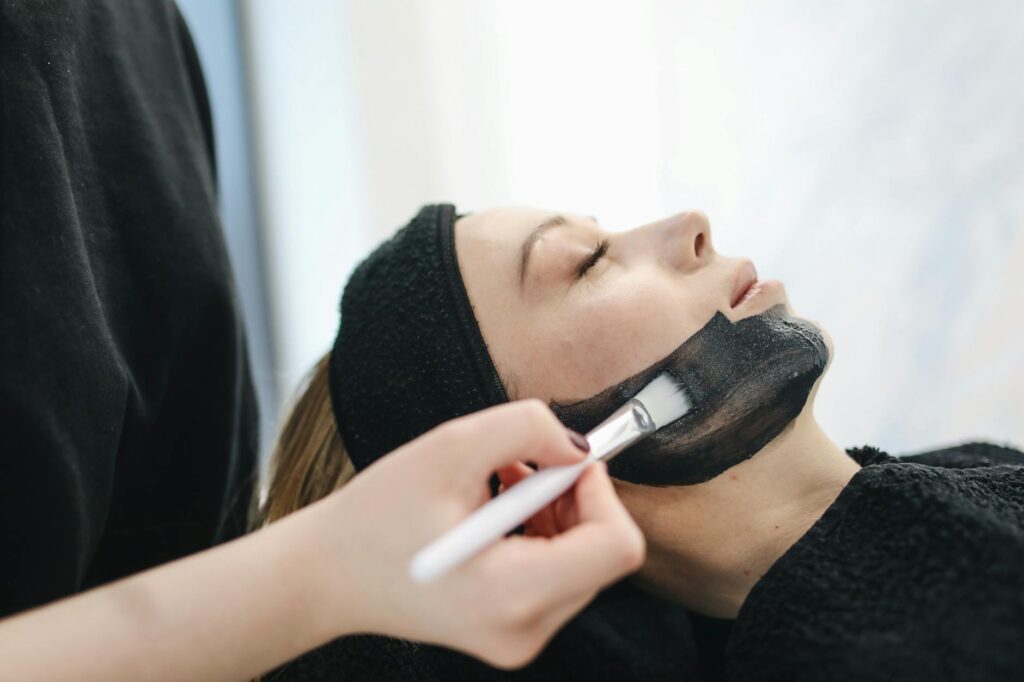
Carbon peel treatments have become increasingly popular in Asian clinics for acne management because they effectively combine mechanical exfoliation with laser technology to unclog pores, reduce bacterial load, and improve skin texture without the downtime of more aggressive treatments. A person with moderate inflammatory acne might see noticeable improvement in 3-5 sessions spaced 2-4 weeks apart, with reduced breakouts and smoother skin texture. The procedure’s popularity in Asian markets is particularly driven by the preference for non-invasive treatments that maintain daily work schedules, the high concentration of dermatology clinics in urban centers, and cultural emphasis on skin clarity. This article examines why carbon peels have become a cornerstone acne treatment in Asian clinics, how the procedure actually works on acne-prone skin, what results to realistically expect, and how it compares to other acne treatment options.
Table of Contents
- What Makes Carbon Peels Effective for Treating Acne-Prone Skin?
- How Frequently Do Patients Need Carbon Peel Treatments, and What Are the Limitations?
- Why Are Asian Clinics Leading the Way in Carbon Peel Popularity?
- How Do Results from Carbon Peels Compare to Other Popular Acne Treatments?
- What Side Effects and Safety Concerns Should Patients Understand?
- How Do Carbon Peels Fit Into a Comprehensive Acne Treatment Plan?
- What Does the Future Hold for Carbon Peel Technology and Acne Treatment?
- Conclusion
What Makes Carbon Peels Effective for Treating Acne-Prone Skin?
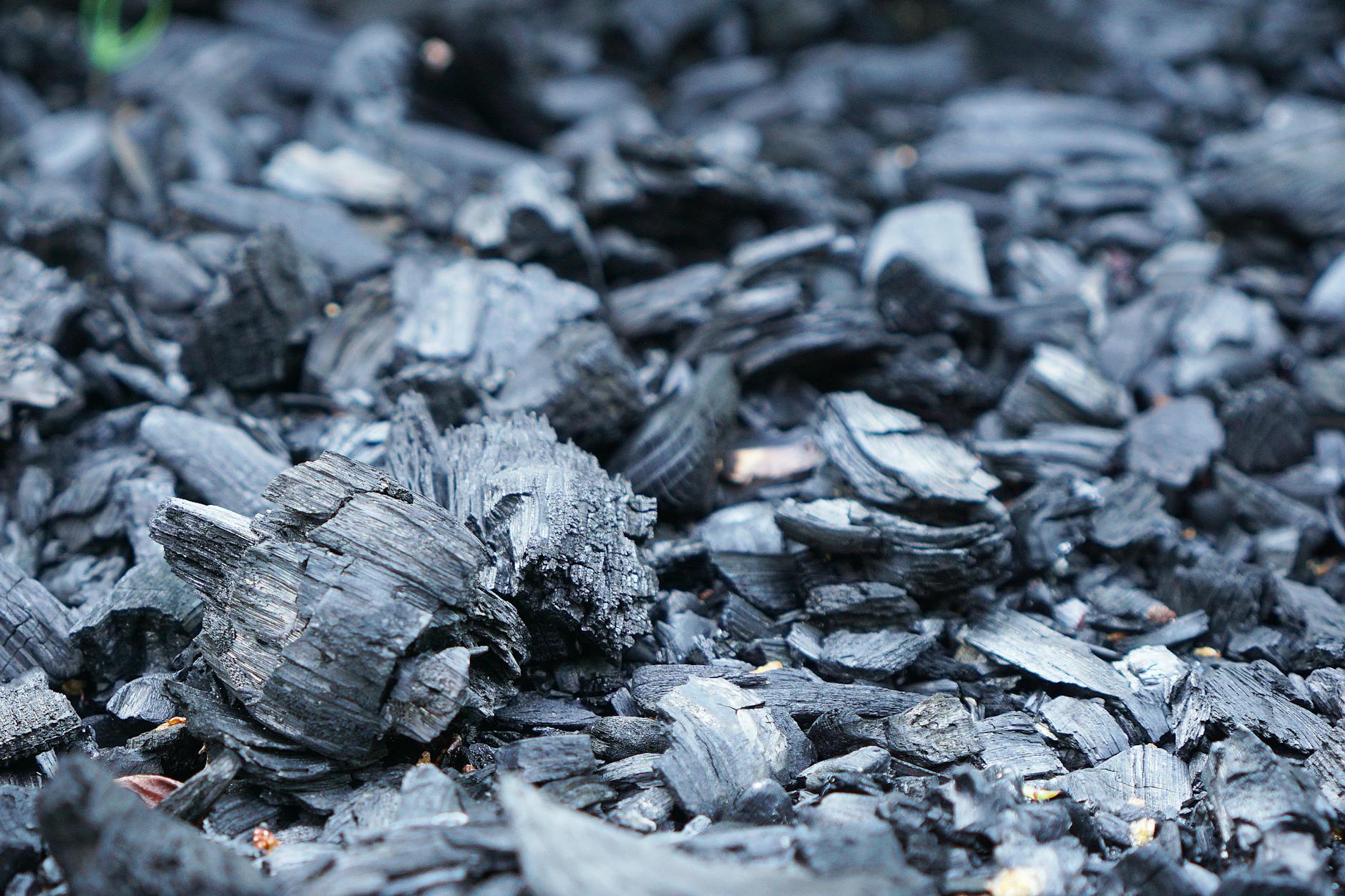
carbon peels work through a two-stage mechanism that directly targets acne-related problems. First, the carbon suspension (a liquid carbon-based lotion) is applied and allowed to dry into the pores, where it adheres to sebum, bacteria, and dead skin cells. Second, a laser (typically a Q-switched Nd:YAG laser operating at 1064nm) fires short, intense pulses that vaporize the carbon particles along with the pore contents, mechanically removing the environment where acne bacteria (primarily *Cutibacterium acnes*, formerly *Propionibacterium acnes*) thrive.
This differs from chemical peels that dissolve the skin’s surface or microdermabrasion that simply abrades it—the carbon peel’s laser component generates heat that also triggers mild inflammatory response, stimulating collagen remodeling and sebaceous gland regulation over successive treatments. The reason asian dermatologists favor this approach is that it addresses multiple acne drivers simultaneously: it unclogs pores directly, reduces bacterial populations mechanically rather than relying solely on antibiotics, and modulates sebum production through repeated controlled heat exposure. For someone with comedonal acne (blackheads and whiteheads), the clearance is often dramatic and visible within one treatment. However, for cystic or deeper inflammatory acne, carbon peels work better as an adjunct therapy alongside topical retinoids or oral medications rather than as a standalone solution.
How Frequently Do Patients Need Carbon Peel Treatments, and What Are the Limitations?
Most treatment protocols in Asian clinics recommend 4-6 sessions spaced 3-4 weeks apart for moderate acne, with maintenance treatments every 2-3 months once skin improves. Each session takes 20-30 minutes, making it practical for patients who can’t afford extended recovery time. However, the procedure has real limitations. It cannot treat deep cystic acne or hormonal acne driven by internal endocrine factors—if someone’s breakouts are triggered by hormonal fluctuations, the carbon peel will help with surface-level congestion but won’t prevent new lesions from forming at the deeper follicular level.
Additionally, carbon peels are most effective on oily and combination skin; patients with dry or sensitive skin may experience excessive irritation and peeling, requiring longer intervals between treatments or discontinuation. Asian clinics often screen patients carefully for skin type and barrier function before recommending this treatment. If a patient has compromised barrier function from overuse of topical vitamin A derivatives or active inflammatory dermatitis, starting carbon peels too soon can exacerbate the problem. The procedure also requires consistent sun protection (SPF 30+) for at least 2 weeks post-treatment, as the skin is more photosensitive.
Why Are Asian Clinics Leading the Way in Carbon Peel Popularity?
Asian markets—particularly in China, South Korea, Japan, and Thailand—have embraced carbon peel technology more readily than Western clinics for several interconnected reasons. First, there’s a well-established infrastructure of high-volume aesthetic dermatology clinics in major cities, where treatments like carbon peels can be offered at scale with competitive pricing. South Korean clinics especially have made this treatment a standard in their acne management protocols, and that reputation has spread across the region. Second, there’s cultural preference for preventative and maintenance skin treatments rather than waiting for severe problems—patients in these markets are more comfortable with 4-6 monthly visits to maintain skin clarity, whereas Western patients often expect single-treatment solutions.
Third, the regulatory pathway for aesthetic laser devices in many Asian countries allows for slightly different manufacturing and marketing standards, meaning carbon peel laser systems are more widely available and often more affordable than in the US or Europe. This has driven competition and innovation among clinics. A typical course of 6 sessions in Seoul or Bangkok costs $300-600 total, whereas the same treatment plan in a US city might cost $1,200-1,800. This cost difference has made carbon peels accessible to a broader population, which has further normalized their use and generated positive word-of-mouth referrals within communities.
How Do Results from Carbon Peels Compare to Other Popular Acne Treatments?
Carbon peels occupy a specific niche in the acne treatment spectrum. Compared to topical treatments (benzoyl peroxide, salicylic acid, retinoids), carbon peels deliver faster, more visible results for congestion and comedones but require office visits and don’t provide the sustained chemical action that daily topical medications offer. Compared to oral isotretinoin (Accutane), which is reserved for severe cystic acne and carries significant systemic risks, carbon peels are far less invasive but also less effective for severe cases—they’re better viewed as a moderate-acne solution or a stepping stone before considering Accutane if acne hasn’t improved.
Compared to other laser treatments like fractional CO2 or LED light therapy, carbon peels offer a good balance: fractional lasers are more powerful for deep scarring and severe inflammation but cause significant downtime (redness, peeling for 5-7 days), while LED devices are gentler but less immediately effective. Carbon peels sit in the middle—they provide noticeable clearance within 1-2 sessions, minimal downtime (mild redness for 1-2 hours, possibly some flaking for 2-3 days), and good safety profile. For moderate inflammatory acne combined with congestion, many dermatologists consider carbon peels the optimal choice. However, for someone with predominant cystic acne, an oral medication like spironolactone or isotretinoin paired with a gentler topical regimen often outperforms carbon peels alone.
What Side Effects and Safety Concerns Should Patients Understand?
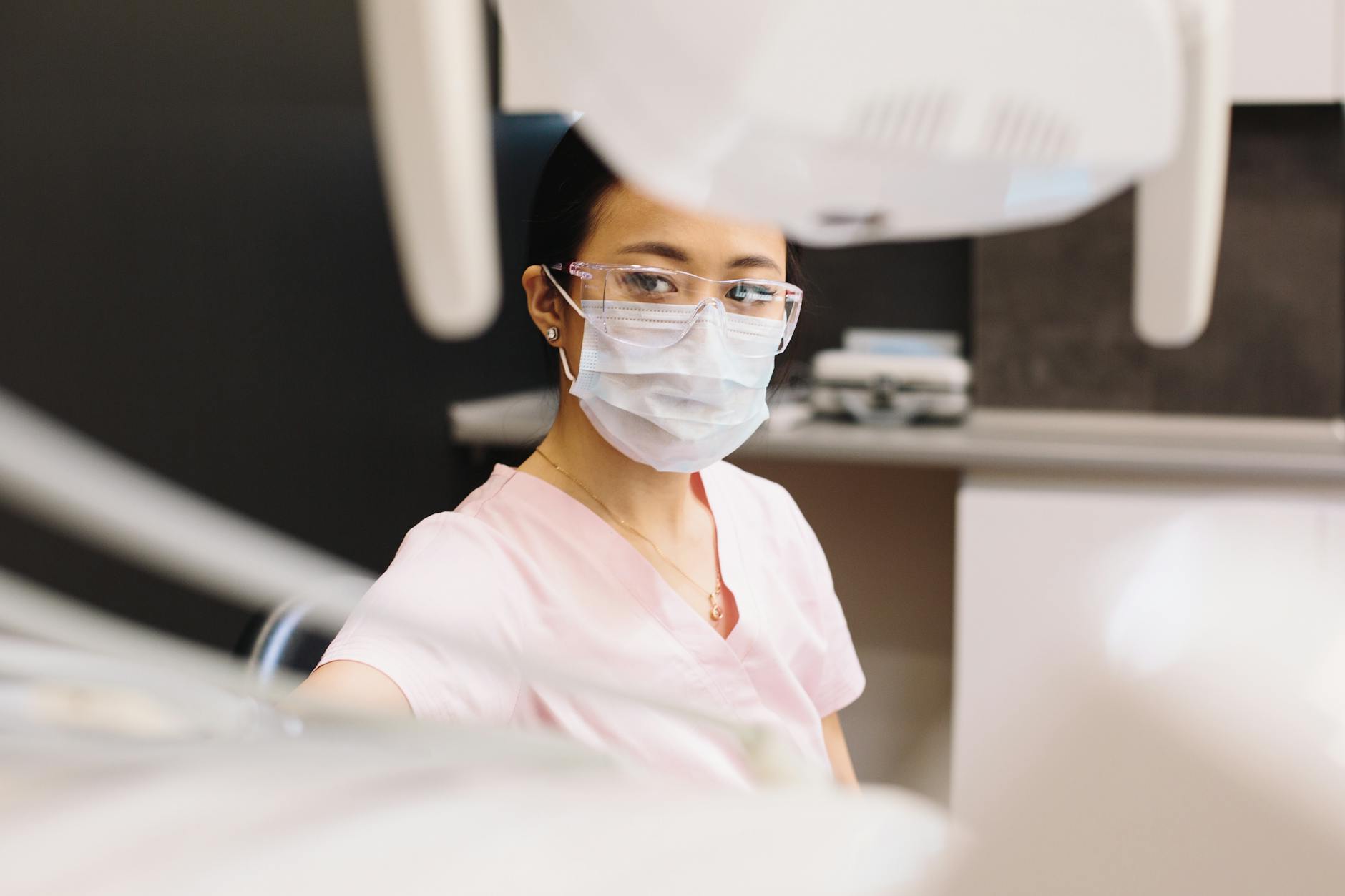
The most common side effects from carbon peels are mild and temporary: transient erythema (redness) lasting 1-4 hours, mild flaking or peeling over 2-3 days, temporary dryness, and occasional post-inflammatory hyperpigmentation (darkening) in patients with darker skin tones. More serious complications are rare when performed by trained dermatologists but can include burns if laser settings are incorrectly calibrated, permanent hypopigmentation (lightening) in deeply pigmented skin if overly aggressive parameters are used, and scarring if the patient picks at flaking skin post-treatment. Asian clinics have generally developed strong protocols to minimize these risks because they perform this treatment frequently and have refined their techniques through high case volumes.
However, patients should be cautious about seeking carbon peels in unregulated settings or clinics without proper laser certification. Pregnancy is a relative contraindication—while the procedure isn’t systemically absorbed, the thermal stress and potential for transient lightening make most clinics recommend waiting until after pregnancy and breastfeeding. Patients on photosensitizing medications (like certain antibiotics or NSAIDs) should inform their clinician, as they may experience excessive sensitivity.
How Do Carbon Peels Fit Into a Comprehensive Acne Treatment Plan?
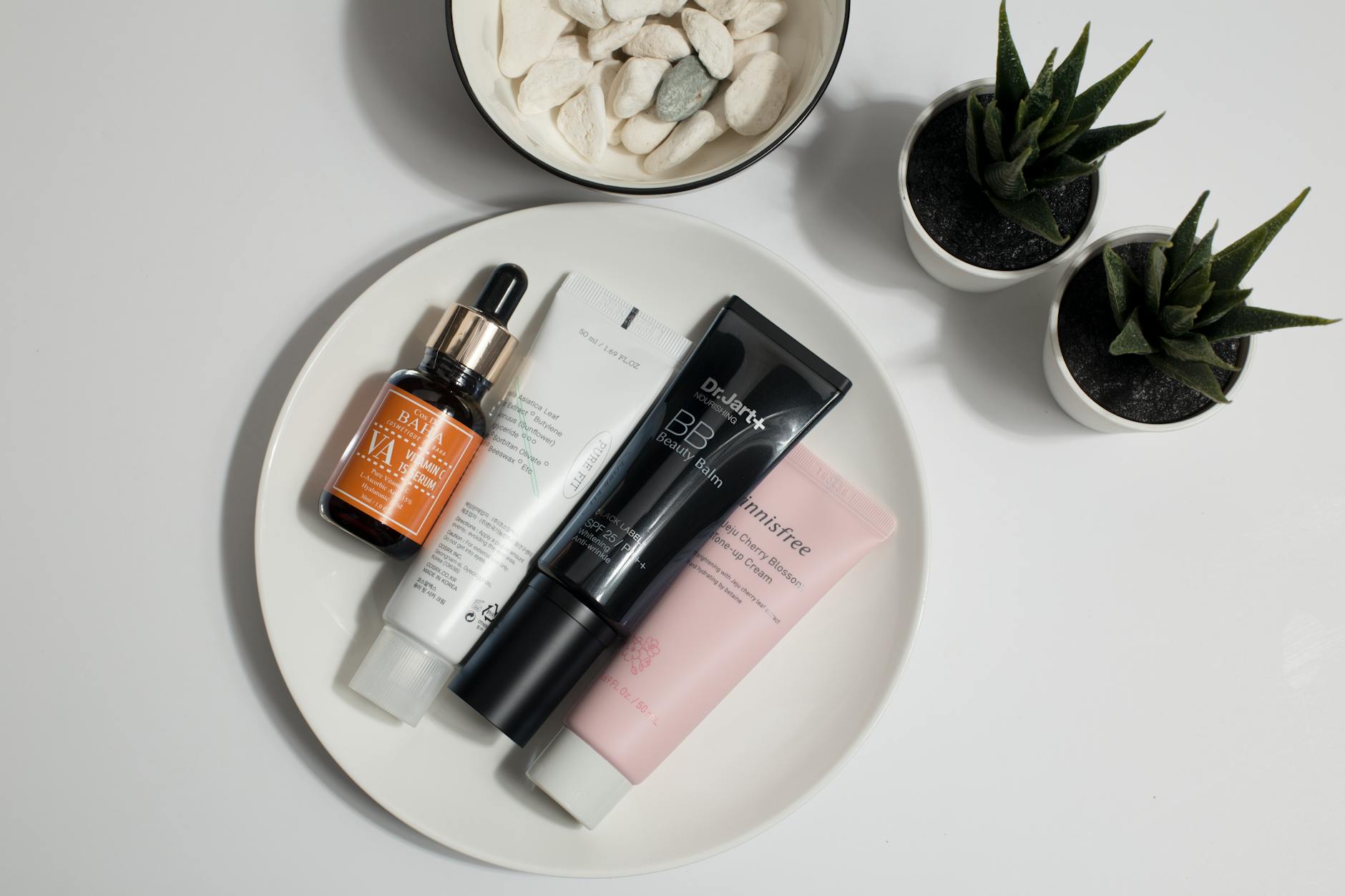
Carbon peels work best as part of a layered approach rather than as a standalone solution. A comprehensive plan might include: daily topical treatment with a retinoid and/or benzoyl peroxide to prevent new acne formation between sessions, a gentle cleanser, and rigorous sun protection; monthly carbon peel treatments for 4-6 months; and if acne is hormonally driven, potential concurrent treatment with oral contraceptives or spironolactone. For example, a 26-year-old woman with moderate hormonal acne affecting the jawline and cheeks would benefit from starting a birth control pill and tretinoin 0.025% cream simultaneously, adding carbon peels after 6 weeks once the skin has adapted to tretinoin, and reassessing after 3 months of combined therapy.
The sequencing matters. Starting carbon peels on skin that’s currently irritated from high-dose vitamin A or benzoyl peroxide often backfires. Clinicians in Asia typically space treatments strategically—they might recommend a 2-week acclimation period on gentler products before the first carbon peel, or they may perform the first peel at lower laser settings as a test treatment. This individualization is part of why Asian clinics report good outcomes; there’s less one-size-fits-all prescribing and more patient-specific protocol adjustment.
What Does the Future Hold for Carbon Peel Technology and Acne Treatment?
Carbon peel technology continues to evolve, with newer laser platforms offering customizable wavelengths and pulse durations that allow dermatologists to target different skin depths and bacterial populations more precisely. Some clinics are experimenting with combining carbon peels with other modalities—for instance, pairing a carbon peel with a subsequent photodynamic therapy (PDT) session using aminolevulinic acid to enhance antimicrobial efficacy.
There’s also emerging research on using modified carbon solutions that include antimicrobial agents or anti-inflammatory compounds suspended in the carbon suspension, which could improve efficacy further. Looking forward, the integration of AI-guided skin analysis and laser systems may allow for even more precise customization of treatment parameters based on individual skin type, acne severity, and bacterial load—technologies that Asian tech-forward clinics are likely to adopt early. However, the fundamentals of the carbon peel approach—mechanical removal of pore contents and controlled thermal remodeling—are likely to remain central to acne management for the foreseeable future, particularly in regions where this treatment has already become standard of care.
Conclusion
Carbon peels have become popular in Asian clinics for acne treatment because they deliver rapid, visible improvement in congestion and inflammatory acne with minimal downtime, address multiple acne drivers simultaneously, and fit logistically into the high-volume, maintenance-focused dermatology model prevalent in that region. They’re neither a cure-all nor appropriate for every acne presentation—severe cystic acne, deep hormonal acne, and certain skin conditions may require different approaches—but for moderate acne characterized by comedones and surface inflammation, they represent one of the most effective treatment options available.
If you’re considering carbon peels for acne, consult with a board-certified dermatologist who has experience with this treatment modality, ensure your baseline skin is healthy and well-moisturized before starting, and commit to the recommended series of 4-6 treatments paired with consistent sun protection and appropriate topical acne medications. The results are often apparent within 1-2 sessions, but the full benefits emerge over 3-4 months as skin remodeling progresses.