Cannula subcision causes significantly less bruising than needle subcision because of the fundamental difference in how each instrument interacts with skin and surrounding tissue. A cannula is a blunt-tipped hollow tube that parts tissue as it advances, while a needle has a sharp point that pierces and cuts through blood vessels and connective tissue. When dermatologists use a cannula to break up the fibrous bands beneath acne scars, they avoid the blunt force trauma that needle-based techniques create, resulting in fewer damaged blood vessels and substantially less post-procedure bruising.
For example, patients undergoing cannula subcision typically experience mild discoloration that fades within 5-7 days, whereas needle subcision often produces dark purple bruising lasting 2-3 weeks. This article explores why this difference exists, how the two techniques compare in clinical outcomes, and what factors influence bruising severity regardless of instrument choice. The reduced bruising with cannula subcision isn’t just a minor cosmetic advantage—it matters because less tissue damage means faster healing, reduced inflammation, and patients can return to normal activities sooner. Understanding the mechanical reasons behind these differences helps you make an informed decision if you’re considering subcision for atrophic acne scars.
Table of Contents
- How Does Cannula Subcision Differ From Needle Subcision in Creating Bruising?
- The Role of Blood Vessel Trauma in Bruising Formation
- Why Tissue Displacement Matters More Than Tissue Cutting
- Practical Considerations When Choosing Between Techniques
- Complications Beyond Bruising That Vary by Technique
- Individual Factors That Influence Bruising Regardless of Technique
- The Evolution of Subcision Techniques and Future Outlook
- Conclusion
- Frequently Asked Questions
How Does Cannula Subcision Differ From Needle Subcision in Creating Bruising?
The core difference comes down to physics and tissue mechanics. A needle is a sharp, pointed instrument designed to pierce tissue. As it enters the skin and moves beneath the scar, it creates small cuts in blood vessels and connective tissue along its path. Each puncture and movement causes microtrauma that triggers the body’s inflammatory response, including vessel rupture and blood leakage into surrounding tissue—the visible bruising. A cannula, by contrast, has a rounded, blunt tip that displaces tissue rather than cutting it. As the cannula advances, it gently separates tissue planes without puncturing them, minimizing vessel damage.
Think of the difference like the contrast between using a sharp knife to cut through fabric versus using a rounded tool to pry two layers of fabric apart without tearing either one. Studies comparing these techniques show measurable differences in bruising outcomes. Needle subcision typically leaves patients with Tyndall effect (blue-purple discoloration from hemoglobin in the dermis) and visible ecchymosis lasting 14-21 days. Cannula subcision in the same patient population produces lighter bruising that resolves in 5-10 days. The difference isn’t just about duration—it’s about intensity. Needle-induced bruising often requires significant makeup coverage or scheduling around social commitments, while cannula bruising is frequently light enough to cover with standard foundation.
The Role of Blood Vessel Trauma in Bruising Formation
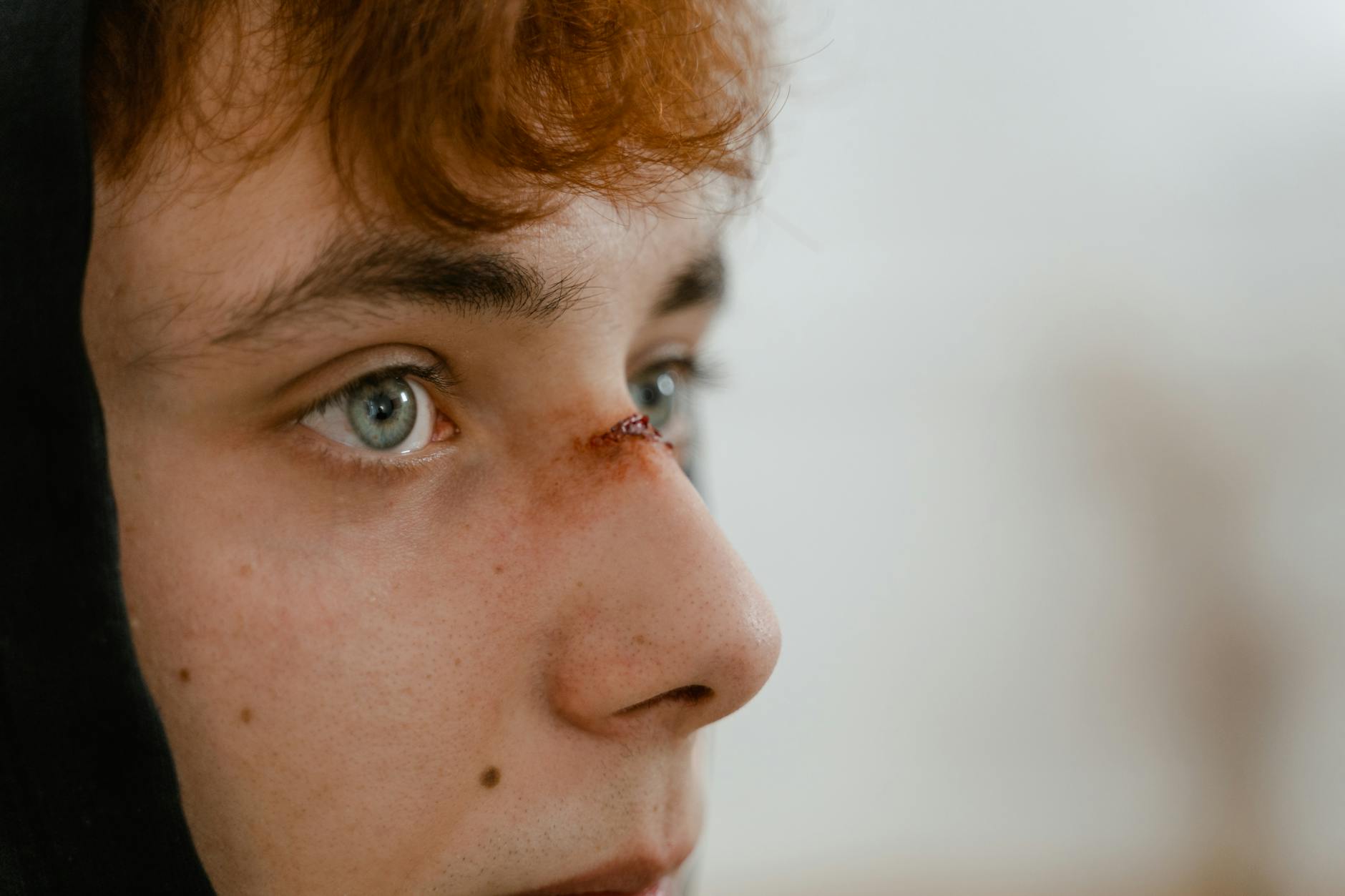
bruising occurs when red blood cells escape from damaged capillaries into surrounding tissue. The more vessels damaged during the procedure, the more hemoglobin spills out, and the darker and more extensive the bruising. Needle subcision inherently damages more vessels because the sharp tip cuts through them as it moves through the dermis. Dermatologists performing needle subcision must make multiple passes to break up scar tissue adequately, and each pass means additional vessel damage.
A single needle treatment might involve 15-20 individual puncture sites and passes, each one a potential source of bleeding. Cannula subcision requires fewer passes to achieve the same scar release because the blunt tip can cover more area with each movement. Dermatologists can work more deliberately along the scar tissue, applying gentle pressure to separate fibrous bands without the collateral vessel damage that comes with needle techniques. However, even cannula subcision can produce bruising if the procedure is aggressive or if the patient is on blood-thinning medications. Aspirin, NSAIDs, and prescription anticoagulants increase bruising risk regardless of instrument choice, so stopping these medications 5-7 days before treatment is important whether you choose cannula or needle subcision.
Why Tissue Displacement Matters More Than Tissue Cutting
When a cannula moves through tissue, it doesn’t create a wound tract in the traditional sense. Instead, it creates a temporary channel that the tissue springs back from as the cannula is withdrawn. This elasticity is crucial—it means minimal inflammation because the body isn’t trying to heal puncture wounds. The immune system’s inflammatory response is proportional to the degree of tissue damage.
A procedure that displaces tissue without cutting it signals to the body: “temporary disturbance, no repair needed.” A procedure with multiple needle punctures signals: “multiple small wounds, initiate inflammatory cascade.” This mechanical difference translates directly to patient experience. after cannula subcision, swelling is usually mild and localized to the treated area. After needle subcision, patients often report diffuse swelling that extends beyond the scar site because the inflammatory response is more widespread. Some dermatologists use ice immediately after needle subcision to constrict blood vessels and reduce bleeding, but this is a patch for a deeper issue: the needle technique creates more bleeding in the first place. Cannula subcision can still benefit from post-procedure ice, but the benefit is more modest because vessel damage was minimal to begin with.

Practical Considerations When Choosing Between Techniques
If you’re consulting with a dermatologist about subcision and bruising is a concern—perhaps you have an event scheduled—understanding the tradeoff between techniques matters. Cannula subcision’s reduced bruising comes with a subtle tradeoff: it may require slightly more sessions or more aggressive technique to achieve the same degree of scar improvement as needle subcision. Some dermatologists argue that needle subcision’s sharper cutting action more completely releases fibrous scar tissue in a single treatment. The reality is that both can be effective; the difference is in the recovery profile and number of treatments needed.
A practical comparison: if you have a 4-week window before an important event, cannula subcision is the clear choice. You’ll have minimal to no visible bruising after 1-2 weeks. If you’re willing to schedule around downtime, needle subcision might achieve slightly better scar improvement in fewer sessions, but you’ll need 3+ weeks to look presentable. Many dermatologists now prefer cannula subcision specifically because patient satisfaction is higher—not because of scar outcomes, but because patients can return to their lives faster. The scar improvement with both techniques typically takes 8-12 weeks to fully manifest anyway, so why endure 3 weeks of bruising if you can achieve comparable results with 1 week?.
Complications Beyond Bruising That Vary by Technique
While bruising is the primary concern, needle and cannula subcision differ in other complications too. Needle subcision carries a slightly higher risk of infection because each puncture site is an entry point, and the sharp tip is more likely to introduce bacteria from the skin surface deeper into the dermis. Cannula subcision’s blunt tip is less likely to create a pathogenic inoculation. Neither technique is prone to serious infection if proper sterilization is followed, but the relative risk is real.
Another consideration: nerve irritation. The sharp tip of a needle is more likely to traumatize small sensory nerves beneath the skin, sometimes causing temporary numbness or dysesthesia (unusual sensations) after treatment. Cannula subcision displaces rather than cuts nerves, so post-procedure dysesthesia is less common. However, if your dermatologist is aggressive with a cannula and applies too much pressure, it can still cause temporary nerve irritation. This is where technique and experience matter more than the instrument itself.

Individual Factors That Influence Bruising Regardless of Technique
Even with a cannula, some patients bruise more than others. Genetic factors, age, skin elasticity, and tendency toward easy bruising play significant roles. Patients with a personal or family history of keloids or hypertrophic scarring sometimes have more reactive skin that bruises more easily. Older patients often bruise more intensely because their skin has less elasticity and blood vessels are more fragile.
Thinner skin is also more prone to visible bruising because there’s less dermis to contain the blood. If you bruise easily, you can mitigate this with pre-treatment and post-treatment approaches regardless of instrument choice. Arnica, vitamin K, and topical bromelain (enzyme from pineapple) have modest but real evidence for reducing bruising when started 3-5 days before treatment. Post-procedure silicone-based treatments and LED red light therapy can accelerate bruise fading. These strategies work better when tissue damage is minimal (cannula) than when it’s more extensive (needle), so the advantage of cannula subcision becomes even more pronounced if you’re bruise-prone.
The Evolution of Subcision Techniques and Future Outlook
Dermatology is moving toward gentler, more refined techniques, and the popularity of cannula subcision reflects this broader trend. Fifteen years ago, needle subcision was standard. Now, many dermatology practices offer cannula as the primary option, sometimes combining it with other techniques like radiofrequency or laser to enhance results without additional trauma.
This shift isn’t because needle subcision stopped working—it’s because cannula subcision achieves similar or better results with less downtime, which is what patients actually want. Future innovations may include even blunter cannulas designed specifically for subcision, integration with ultrasound guidance to improve precision, and combination protocols that use cannula subcision followed by fractional laser in the same session. The trajectory is clear: instrument design is moving toward minimizing tissue trauma while maximizing efficacy. If you’re considering subcision now, cannula is likely the better choice unless your dermatologist specifically recommends needle for a particular reason related to your scar type or skin characteristics.
Conclusion
Cannula subcision produces significantly less bruising than needle subcision because its blunt tip displaces tissue rather than cutting it, resulting in fewer damaged blood vessels and less bleeding into surrounding tissue. While both techniques can effectively treat atrophic acne scars, cannula subcision allows patients to return to normal activities within days rather than weeks, making it the preferred choice for most patients. The trade-off is minimal—some dermatologists suggest that needle subcision might achieve scar improvement fractionally faster, but the difference is negligible when spread across the typical 8-12 week healing timeline.
If you’re considering subcision for acne scars, discuss your timeline and bruising concerns with your dermatologist. If you have an upcoming event, cannula subcision is almost certainly the right choice. If bruising history or age makes you prone to severe discoloration, cannula combined with pre- and post-treatment bruise-minimizing strategies will give you the best outcome. The reduced bruising with cannula subcision isn’t just cosmetic convenience—it’s a reflection of a more refined approach to scar treatment that respects your tissue while still delivering real improvement.
Frequently Asked Questions
Will cannula subcision completely remove my acne scars?
Cannula subcision improves the appearance of atrophic scars by breaking up fibrous tissue that pulls the scar down, but it doesn’t erase scars completely. Most patients see 40-60% improvement in scar appearance, with results continuing to improve for 8-12 weeks. Combining subcision with laser or other treatments can enhance results.
How many sessions of cannula subcision do I need?
Most patients need 2-4 sessions spaced 4-6 weeks apart for optimal results. Severe scarring sometimes requires more sessions. Your dermatologist can assess your scars and provide a treatment plan specific to your needs.
Can I exercise or do normal activities after cannula subcision?
Light activities are usually fine after 2-3 days. Intense exercise, swimming, or activities that raise blood pressure should be avoided for 5-7 days to minimize bruising. Most patients can return to work and social activities within 3-5 days.
Is cannula subcision painful?
The procedure is performed under local anesthesia, so you shouldn’t feel sharp pain during treatment. You may feel pressure and mild discomfort as the cannula works under the skin. Post-procedure soreness is usually mild and resolves within 2-3 days.
Can I use makeup after cannula subcision?
You can apply makeup 12-24 hours after treatment to cover any residual bruising or redness. Use clean brushes or applicators and avoid aggressive rubbing or manipulation of the treated areas.
Does insurance cover subcision for acne scars?
Most insurance plans consider subcision cosmetic and don’t cover it. However, if scarring is severe enough to affect your mental health or if it resulted from a medical condition, some plans may cover a portion. Ask your dermatologist to check with your specific insurance plan.