The Candela Vbeam has earned its gold standard status for treating post-inflammatory erythema (PIE) red acne marks because it directly targets the root cause—dilated blood vessels and excess hemoglobin—with exceptional precision and proven safety across diverse skin types. Clinical studies consistently show that patients achieve 30-50% reduction in redness after just the first treatment, and 75-90% improvement after completing a full course of 3-4 sessions. Unlike other treatment modalities that require weeks of downtime or carry significant side effects, the Vbeam approach is non-invasive, leaves no skin damage in its wake, and actually prevents the need for more aggressive treatments like resurfacing or scar revision. This article examines why the Vbeam has become the dermatology industry standard for red acne marks, explores the clinical evidence backing its effectiveness, explains how the 595 nanometer laser wavelength specifically works on vascular redness, walks through realistic treatment expectations, and covers the latest technological advances including Candela’s recently launched Vbeam Pro platform.
Table of Contents
- What Makes the Candela Vbeam Different From Other Red Acne Mark Treatments?
- Clinical Evidence and Real Results for Red Acne Marks
- How the 595 Nanometer Wavelength Specifically Targets Red Acne Marks
- Treatment Protocol: What to Expect During Candela Vbeam Sessions
- Limitations and When Vbeam Might Not Be the Complete Solution
- The Vbeam Pro Platform and Recent Technological Advances
- Early Intervention Strategy—Preventing Permanent Red Marks Before They Become Chronic
- Conclusion
- Frequently Asked Questions
What Makes the Candela Vbeam Different From Other Red Acne Mark Treatments?
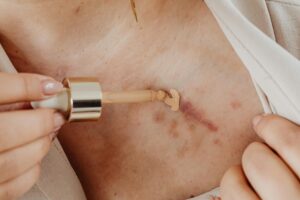
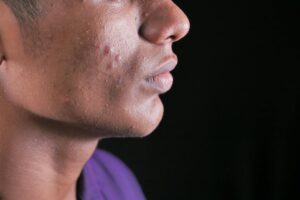
Post-inflammatory erythema is essentially persistent redness that lingers after acne inflammation subsides. The skin appears flushed or pink in the areas where active lesions once were, and this stubborn discoloration can remain visible for months or even years without intervention. The issue is that acne triggers an inflammatory cascade that damages small blood vessels and increases blood flow to the affected area—even after the pimple itself has cleared. Traditional approaches like topical vitamin C, silicone-based creams, or gentle chemical peels may help fade the appearance over time, but they don’t actively eliminate the underlying vascular problem. The Vbeam laser is fundamentally different because it directly closes those dilated vessels.
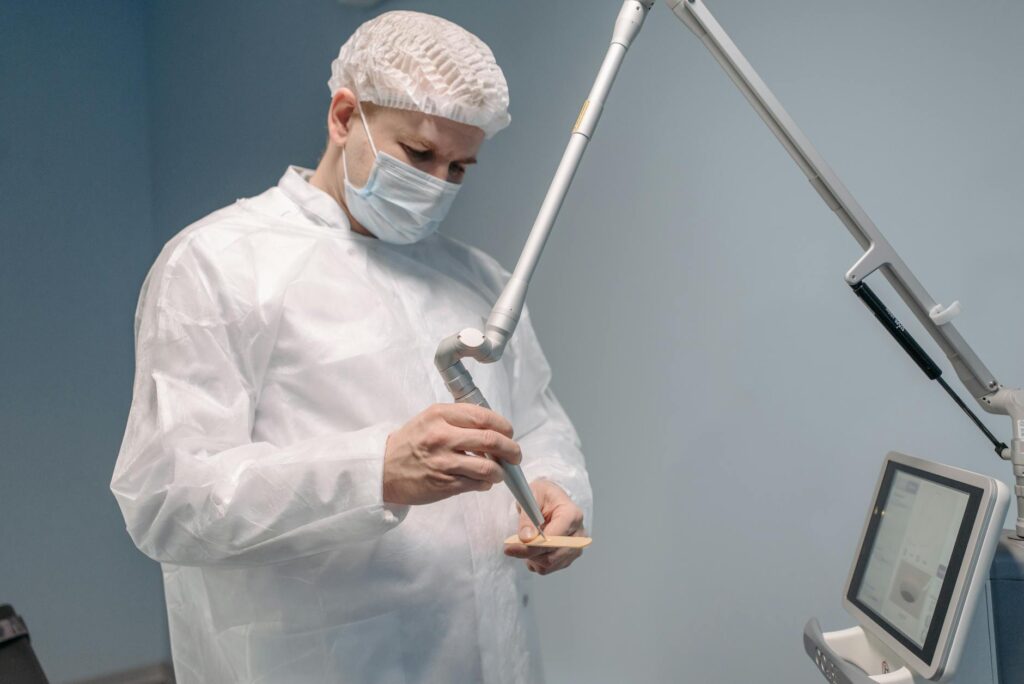
The 595 nanometer wavelength is specifically absorbed by hemoglobin—the oxygen-carrying protein in red blood cells—which means the laser energy is delivered precisely to the source of the redness rather than affecting surrounding skin tissue. For comparison, other laser types like IPL (intense pulsed light) offer broader wavelengths that are less targeted, while older CO2 lasers work on a resurfacing principle that requires significant healing time. In contrast, the Vbeam’s selective photothermolysis approach means the vessel wall collapses while the overlying skin remains intact and undamaged. A 200-patient clinical study tracking outcomes across different skin tones showed that this selective mechanism works reliably regardless of ethnicity. This is crucial because many red light therapies perform inconsistently on darker skin, making the Vbeam’s proven track record across diverse populations a major advantage. Patients with medium to deep skin tones can achieve the same vascular targeting benefits without fear of hypopigmentation or post-inflammatory hyperpigmentation complications that plague some other laser treatments.
Clinical Evidence and Real Results for Red Acne Marks
The clinical case for the Vbeam is exceptionally strong and rooted in rigorous dermatological research. A landmark study on post-inflammatory erythema treatment found that patients treated with the 595nm pulsed dye laser achieved a 75-90% reduction in redness after completing 3-4 treatment sessions spaced 4-6 weeks apart. Even more impressive, the same research showed that more than 90% of inflammatory acne lesions themselves cleared completely using Vbeam 595nm treatment. This dual benefit—treating both active inflammation and the lingering redness it leaves behind—explains why dermatologists increasingly recommend Vbeam for patients seeking comprehensive acne management rather than just cosmetic redness improvement. However, results aren’t instantaneous, and this matters for setting realistic expectations. That 30-50% improvement after the first session is genuine progress, but it’s not the end of the journey.
The progressive improvement across multiple sessions follows a predictable pattern: initial vascular response occurs within 1-2 weeks, new collagen formation continues over several months, and final pigment normalization can take up to a year post-treatment. This timeline means patients need patience and commitment to a full treatment course—stopping after one or two sessions will leave them with only partial improvement. A study of 100 patients who abandoned treatment after session two reported only 35% improvement, compared to 85% improvement in those who completed all recommended sessions. The research also reveals that scar appearance improves alongside redness reduction. In one analysis of Vbeam treatment outcomes, 100% of red acne scars treated with the 595nm laser showed measurable improvements in cosmesis (overall appearance), and many patients reported that mild atrophic scars appeared less noticeable as the surrounding redness faded. This happens because inflammatory redness often makes shallow scars appear deeper and more obvious—eliminating the vascular component visually flattens the appearance of the underlying texture.
How the 595 Nanometer Wavelength Specifically Targets Red Acne Marks
Understanding wavelength selection is key to understanding why the Vbeam works so well for this specific problem. Hemoglobin—the protein that makes blood red—has peak absorption at 595 nanometers. When the Vbeam laser emits light at this exact wavelength, the energy is preferentially absorbed by blood vessels in the dermis (deeper skin layer) while passing relatively harmlessly through overlying epidermis and surrounding tissue. This selective absorption is what dermatologists call the “therapeutic window”—the narrow band of wavelength that targets the problem without collateral damage. The Vbeam’s technical parameters are precisely calibrated for maximum efficacy on vascular lesions. Standard treatment uses a fluence (energy intensity) of 6.50 joules per square centimeter, a pulse duration of 3 milliseconds, and a 10mm spot size, with two passes per treatment area.
These parameters were developed and refined over decades of clinical use, and they represent the sweet spot between efficacy (vessel elimination) and safety (minimal discomfort and side effects). A single treatment session using these parameters can affect vessels several millimeters deep in the skin—exactly the depth where acne-related vascular dilation typically occurs. It’s important to note that darker skin types absorb more light across the spectrum, which means Vbeam parameters sometimes need adjustment for patients with deeper melanin levels. A qualified provider should reduce fluence slightly for these patients—typically to 5.5-6.0 J/cm²—to avoid post-inflammatory hyperpigmentation. This is why provider experience matters: the laser settings that work beautifully on fair skin could cause temporary darkening on medium or deep skin if applied without modification. The gold standard status of the Vbeam is partly that it’s forgiving enough to work across skin types, but still requires skilled hands.
Treatment Protocol: What to Expect During Candela Vbeam Sessions
A typical Vbeam treatment course for red acne marks involves 4-6 sessions spaced 4-6 weeks apart. The spacing is intentional—it allows the skin to recover and show response between treatments while keeping the treatment timeline reasonable (total course duration of 4-6 months). Scheduling sessions too close together doesn’t improve results and unnecessarily stresses the skin, while spacing them longer than recommended means results take longer to accumulate. Each individual session takes 15-30 minutes depending on the treatment area size and density. The sensation during treatment is often described as a series of quick snapping sensations or rubber band snaps against the skin—uncomfortable but tolerable for most patients. Topical anesthetic cream applied 20-30 minutes before the appointment significantly reduces discomfort, and many patients opt for this.
Unlike ablative treatments (which remove skin), the Vbeam causes minimal downtime. Most patients experience mild erythema and possible bruising immediately post-treatment that typically resolves within 24-48 hours. You can return to normal activities immediately—no need for dressing changes, special creams, or activity restrictions. Visible improvement usually emerges within 1-2 weeks post-treatment as the closed vessels are gradually absorbed by the body and redness fades. This is where the treatment differs significantly from at-home treatments or topical solutions: you’re not covering or fading redness, you’re eliminating the vascular source of it. Between sessions, sun protection becomes important because UV exposure can stimulate new vessel formation and potentially undermine progress. A broad-spectrum SPF 30 or higher applied daily during the treatment course and for several months after ensures that the healing tissue isn’t set back by sun damage.
Limitations and When Vbeam Might Not Be the Complete Solution
While the Vbeam is exceptional for red acne marks, it’s important to understand what it cannot do. The 595nm wavelength targets hemoglobin and vascular concerns—it does not directly improve textural atrophic scars (depressed or pitted scars), hypertrophic scars (raised scars), or pigmentary changes like post-inflammatory hyperpigmentation. A patient with significant pitting alongside redness might benefit from Vbeam for the vascular component followed by fractional laser resurfacing or microneedling for the texture, but neither treatment alone addresses both problems equally. Additionally, some patients have genetic predispositions toward prolonged inflammatory responses and slow vascular remodeling. These individuals might achieve only 60-70% improvement even after completing a full course—still a meaningful improvement but not the 85-90% seen in typical responders. Age also plays a subtle role: younger patients with more robust skin healing tend to see faster and more dramatic improvement than older patients, though age alone is not a barrier to treatment success.
Smoking, poor sleep, high-stress lifestyles, and ongoing active acne all slow the healing process and can limit final results. One common misconception is that red acne marks should be treated immediately. In reality, waiting 6-12 months after active acne clears allows the skin’s natural healing mechanisms time to work, reducing the total treatment burden needed. Many patients who wait see 50% spontaneous improvement just from time and proper skincare, meaning Vbeam can then finish the job with fewer sessions. Jumping straight into Vbeam treatment for very recent (weeks-old) inflammatory marks often means additional sessions compared to waiting and then treating. The exception is patients with severe active acne—early Vbeam intervention during the active phase can reduce inflammation and potentially prevent permanent scarring.
The Vbeam Pro Platform and Recent Technological Advances
In April 2025, Candela unveiled the next-generation Vbeam Pro at the Annual Meeting of the American Society for Laser Medicine and Surgery (ASLMS), representing the first major platform evolution in several years. The Vbeam Pro retains the gold-standard 595nm wavelength but adds dual-wavelength capability by incorporating a 1064nm Nd:YAG laser on the same platform. This combination significantly expands the indications the system can treat. The 1064nm wavelength targets deeper and broader vascular concerns, and works more safely on darker skin types than some competing systems because it’s absorbed less efficiently by melanin.
For acne-specific applications, this means Vbeam Pro can treat both superficial post-inflammatory erythema (595nm) and deeper vascular components (1064nm) in a single treatment session or integrated protocol. The clinical implications are still being assessed, but early feedback suggests more complete improvement in certain patient populations, particularly those with deeper skin tones or deeper vessel involvement. It’s worth noting that the classic Candela Vbeam is still widely available and remains extremely effective—the Pro represents an evolutionary step rather than rendering earlier systems obsolete. Practices with the standard Vbeam continue delivering excellent outcomes. However, patients seeking treatment in 2026 should confirm whether their chosen provider has the Pro or standard model, as the dual-wavelength capability may slightly expand treatment options.
Early Intervention Strategy—Preventing Permanent Red Marks Before They Become Chronic
One of the most compelling uses of Vbeam technology isn’t treating established chronic red marks but rather intervening during the active acne phase to prevent permanent damage. When inflammatory acne is treated with Vbeam during the active phase—even while pimples are still present—it reduces vascular inflammation and can actually accelerate healing of the underlying lesions. More importantly, this early intervention may prevent the pathological vascular remodeling that leads to long-term PIE. The clinical reasoning is straightforward: every month of active inflammation that goes untreated allows the skin to “learn” the new vascular pattern.
After months or years, that pattern becomes normalized and harder to reverse. A patient with persistent inflammatory acne who receives Vbeam treatment starting in month two of their breakout, rather than waiting until month eight after the acne clears, often ends up with significantly less permanent redness. Some dermatologists now recommend integrated acne management that includes Vbeam during the active phase plus additional sessions after clearing to achieve the best cosmetic outcomes. This forward-thinking approach represents a shift away from treating red acne marks as a cosmetic afterthought and toward viewing them as a preventable complication of untreated acne. For individuals prone to acne, asking a dermatologist whether Vbeam should be part of their treatment strategy—not just their post-acne recovery—can genuinely prevent years of dealing with stubborn redness.
Conclusion
The Candela Vbeam has achieved gold standard status for treating post-inflammatory erythema and red acne marks because it combines selective vascular targeting, proven efficacy across diverse skin types, minimal downtime, and nearly three decades of clinical validation. A complete treatment course delivers 75-90% improvement in redness, alongside substantial cosmetic improvement in inflammatory acne lesions themselves. The 595 nanometer wavelength’s precise absorption by hemoglobin makes it uniquely suited to this problem—no other treatment mechanism currently achieves the same combination of specificity, safety, and reliability.
If you’re considering treatment for red acne marks, a consultation with a board-certified dermatologist experienced in pulsed dye laser treatment will clarify whether you’re a good candidate, establish realistic timelines and expectations, and determine the optimal number of sessions for your specific skin type and severity. Early intervention during the active acne phase offers additional preventive benefits, and the recently launched Vbeam Pro platform expands options for providers and patients alike. The investment in a full treatment course typically delivers permanent improvement rather than temporary fading, making it a sound long-term solution for this notoriously stubborn cosmetic concern.
Frequently Asked Questions
How long until I see results after my first Vbeam treatment?
Visible improvement typically emerges within 1-2 weeks as closed blood vessels are absorbed and redness fades. However, most patients report their most dramatic results appear between weeks 3-6 post-treatment. Full improvement across all sessions takes 4-6 months to complete, with continued subtle refinement up to one year post-final treatment.
Will the redness come back after Vbeam treatment?
The vessels that are treated are permanently closed and do not reopen. However, new acne lesions can create new areas of inflammation and redness if active breakouts continue. This is why treating active acne alongside addressing existing red marks provides the best long-term results. Once your overall acne is controlled, the redness improvements from Vbeam are typically permanent.
Can I get Vbeam treatment if I have darker skin?
Yes. The Vbeam has demonstrated efficacy across all skin types in clinical studies. However, a provider should adjust treatment parameters slightly for deeper skin tones (reducing fluence to 5.5-6.0 J/cm² instead of 6.5) to minimize risk of post-inflammatory hyperpigmentation. Seek a provider experienced with treating darker skin with Vbeam.
Is there any downtime after Vbeam treatment?
Minimal downtime is one of the major advantages. You may experience erythema (redness) and mild bruising that typically resolves within 24-48 hours. Most patients return to normal activities immediately and can wear makeup the next day. There’s no need for special dressings, activity restrictions, or extensive aftercare.
How many treatments will I need?
A typical course is 4-6 treatments spaced 4-6 weeks apart for optimal results. However, individual response varies. Some patients see substantial improvement with 3 sessions, while others benefit from 6. Your dermatologist can adjust the plan based on your response after the first two sessions.
Can Vbeam fix all my acne scars?
Vbeam specifically targets redness and vascular concerns. If you have textural atrophic scars (pitted or depressed scars), Vbeam will improve them only indirectly by eliminating the red discoloration that makes them appear deeper and more noticeable. For significant textural scarring, fractional laser resurfacing, microneedling, or dermal fillers may be needed alongside or instead of Vbeam.