Why Breakouts Appear After Skincare Changes
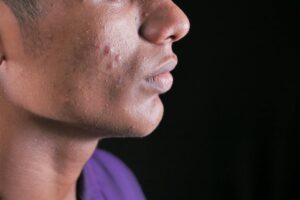
You finally switch to that new skincare routine everyone raves about, and instead of glowing skin, pimples pop up everywhere. This frustrating reaction, often called a breakout or purge, happens because your skin needs time to adjust to the changes.
One big reason is irritation from new ingredients. Harsh cleansers, strong acids, or heavy moisturizers can strip your skin’s natural oils or trap dirt and bacteria inside pores. When you introduce these suddenly, your skin gets inflamed, leading to red bumps that look like acne but feel itchy or burning.[1][2][3]
Another cause is overproduction of oil. Washing too much or using drying products signals your body to make more oil to compensate. This extra oil mixes with dead skin cells, clogging pores and creating whiteheads or blackheads.[3][4]
Purging can also occur with active ingredients like retinoids or benzoyl peroxide in new products. These speed up your skin’s cell turnover, pushing out hidden clogs faster than usual. What was building up below the surface comes to the top as breakouts, usually in the first few weeks.[2]
Comedogenic products play a role too. Some moisturizers, sunscreens, or makeup labeled as new in your routine contain oils or waxes that block pores. Skipping sunscreen or not moisturizing properly worsens it by letting irritation build or drying out your skin.[3]
Your skin barrier gets weakened during changes. Consistent old routines keep it strong, but switching disrupts the balance, letting bacteria like Cutibacterium acnes thrive and spark inflammation.[2]
Hormones and stress can amplify these effects. A new routine might coincide with cycle changes, making oil glands more active right when your skin is vulnerable.[1][4]
To ease through it, introduce one product at a time, every week or two. Choose non-comedogenic, gentle options and stick to twice-daily cleansing. If breakouts last over a month or worsen, see a dermatologist for tailored advice.[1][3]
Sources
https://www.westchestercosmeticdermatology.com/blog/adult-acne-why-it-happens-and-how-to-treat-it/
https://www.doctorrogers.com/blogs/blog/acne-pimples-101-why-we-break-out-what-s-actually-going-on-and-how-to-handle-it-like-a-dermatologist
https://www.daniadermatology.com/5-skincare-mistakes-that-can-make-acne-worse-in-dania-fl/
https://www.tuftsmedicine.org/about-us/news/acne-over-30
https://www.henryford.com/Blog/2025/12/Transitional-skincare