
Professional PDT (photodynamic therapy) devices are significantly more powerful than consumer blue light devices because they combine three crucial advantages: much higher power output with standardized, consistent dosing; topical photosensitizer chemicals that amplify the light’s effect at the cellular level; and longer wavelengths that penetrate deeper into the skin. A person treating acne with an at-home blue light device might see modest improvement—around 35.71% efficacy with a 30.7% reduction in lesion count—while a dermatologist using professional PDT with red light can achieve 50% efficacy with 36.2% improvement. The difference isn’t marginal; it’s fundamental to how the technology works. This article explains exactly why professional devices outperform their consumer counterparts and what that means for your skin.
Beyond acne, professional PDT excels at treating pre-cancerous lesions where the stakes are higher. For actinic keratosis, professional PDT clears 73% of lesions completely within 12 weeks. For basal cell carcinoma, the clearance rate jumps to 93.4%. Consumer blue light devices simply cannot achieve these results because they lack the biochemical machinery that makes professional PDT so effective.
Table of Contents
- Why Does Professional PDT Deliver Higher Power Than Blue Light Devices?
- The Photosensitizer Mechanism—How Professional PDT Uses Chemistry to Amplify Light
- Clinical Efficacy Comparison—What the Research Actually Shows
- Wavelength Penetration—Why Depth Matters
- Treatment Area and Coverage—The Practical Limitation
- The Standardization Problem in Consumer Devices
- The Future of Light Therapy—Where This Technology Is Heading
- Conclusion
Why Does Professional PDT Deliver Higher Power Than Blue Light Devices?
The most fundamental difference is power delivery. Professional PDT devices are engineered to produce and maintain consistent, high irradiance levels—the amount of light energy per unit area per unit time. Consumer and at-home blue light devices, by contrast, often lack standardized dosing and deliver significantly lower power density. This isn’t about budget corners; it’s about clinical requirements. Professional devices must be capable of treating large surface areas in clinical settings while maintaining therapeutic power throughout the procedure.
A dermatologist might treat an entire face or chest in a single session. An at-home blue light device typically features a small hand-held applicator meant for spot treatment. The regulatory and clinical environments also differ. Professional devices undergo rigorous testing to ensure they deliver predictable, measurable power. Consumers buying at-home devices often encounter manufacturers making vague claims about “LED power” without clear specifications about actual irradiance measured in milliwatts per square centimeter. This variability means one device marketed as “30 watts” might deliver therapeutic power while another delivers mostly heat.
The Photosensitizer Mechanism—How Professional PDT Uses Chemistry to Amplify Light
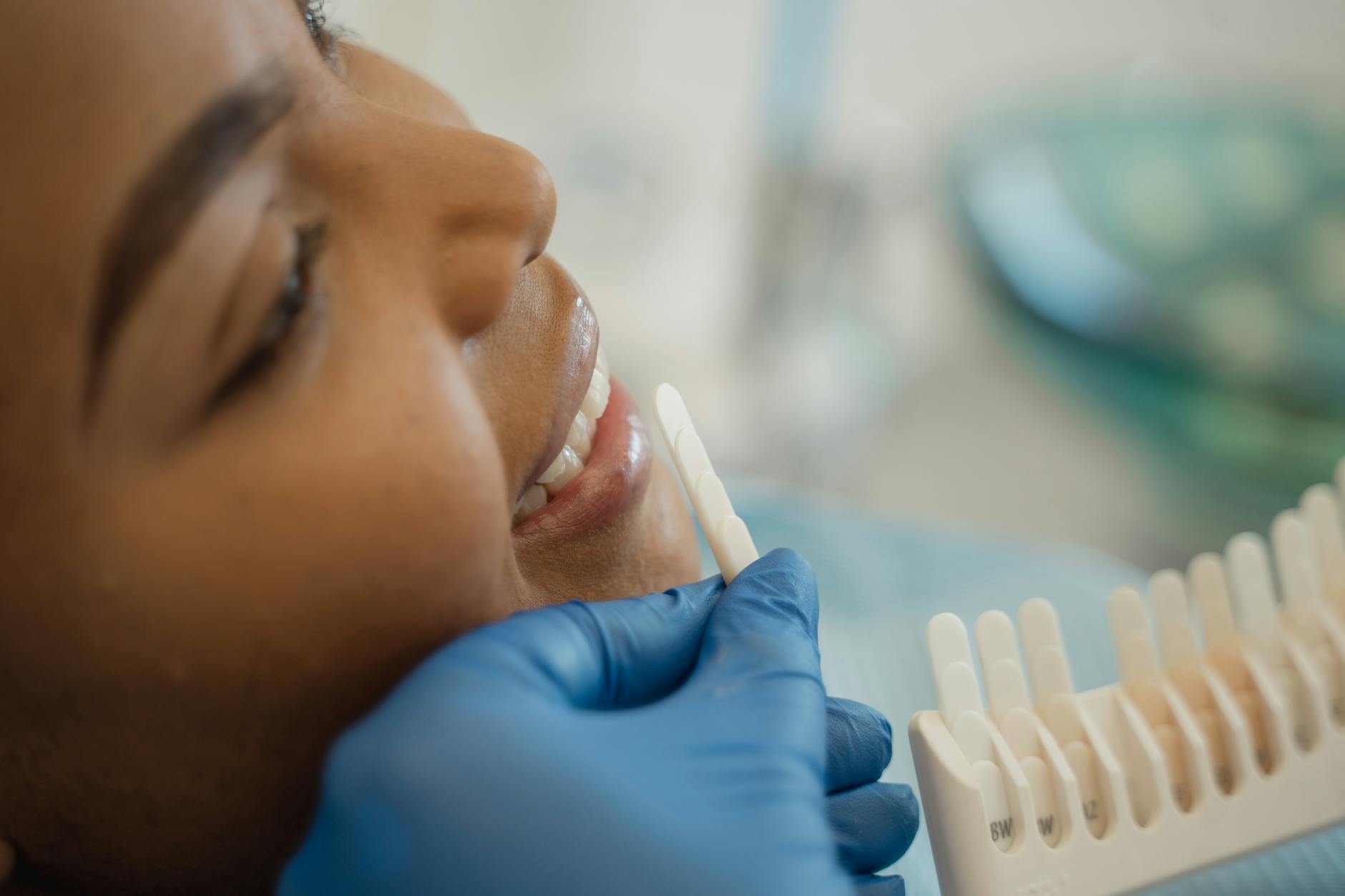
Here lies the critical difference that most people misunderstand: professional pdt doesn’t rely solely on light wavelengths. It uses topical photosensitizers—chemical compounds like aminolevulinic acid (ALA) or methyl aminolevulinate (MAL)—that are applied directly to the skin, allowed to incubate, and then activated by specific light wavelengths. This creates a chemical amplification mechanism. The photosensitizer molecules are designed to absorb energy from the light and then transfer that energy to destroy target cells. It’s light chemistry working in concert.
Blue light devices, by contrast, rely entirely on endogenous photosensitizers—the naturally occurring compounds already present in your skin, primarily porphyrins and flavins produced by acne-causing bacteria. These are much less efficient at absorbing blue light energy compared to the pharmaceutically optimized photosensitizers used in professional PDT. Think of it this way: professional PDT is like adding high-octane fuel to an engine, while blue light therapy is hoping the regular fuel already in the tank will burn hotter. The endogenous route works but produces weaker results. However, if you have sensitive skin or are concerned about topical medications, blue light’s gentler approach—using only what’s already there—may appeal to you despite lower efficacy.
Clinical Efficacy Comparison—What the Research Actually Shows
The numbers reveal the gap clearly. For acne treatment specifically, blue light achieves 35.71% efficacy with a 30.7% reduction in total lesion count. Red light, which penetrates deeper than blue light, performs better at 50% efficacy with 36.2% improvement. But even red light from consumer devices doesn’t approach professional PDT results for pre-cancerous lesions. Professional PDT treating actinic keratosis—precancerous spots commonly seen in sun-damaged skin—achieves 73% complete clearance within 12 weeks.
For basal cell carcinoma, the most common form of skin cancer, professional PDT with the photosensitizer BF-200 ALA reaches 93.4% clearance after 12 weeks. These differences matter tremendously for treatment planning. If you have a few red acne bumps, a blue light device might be worth trying—the 35% efficacy rate means some people see real improvement. But if you have pre-cancerous lesions or extensive acne that hasn’t responded to topical treatments, professional PDT isn’t just marginally better; it’s in a different category entirely. A dermatologist performing professional PDT can selectively target dysplastic cells while treating large surface areas in one session, something no hand-held consumer device can replicate.
Wavelength Penetration—Why Depth Matters
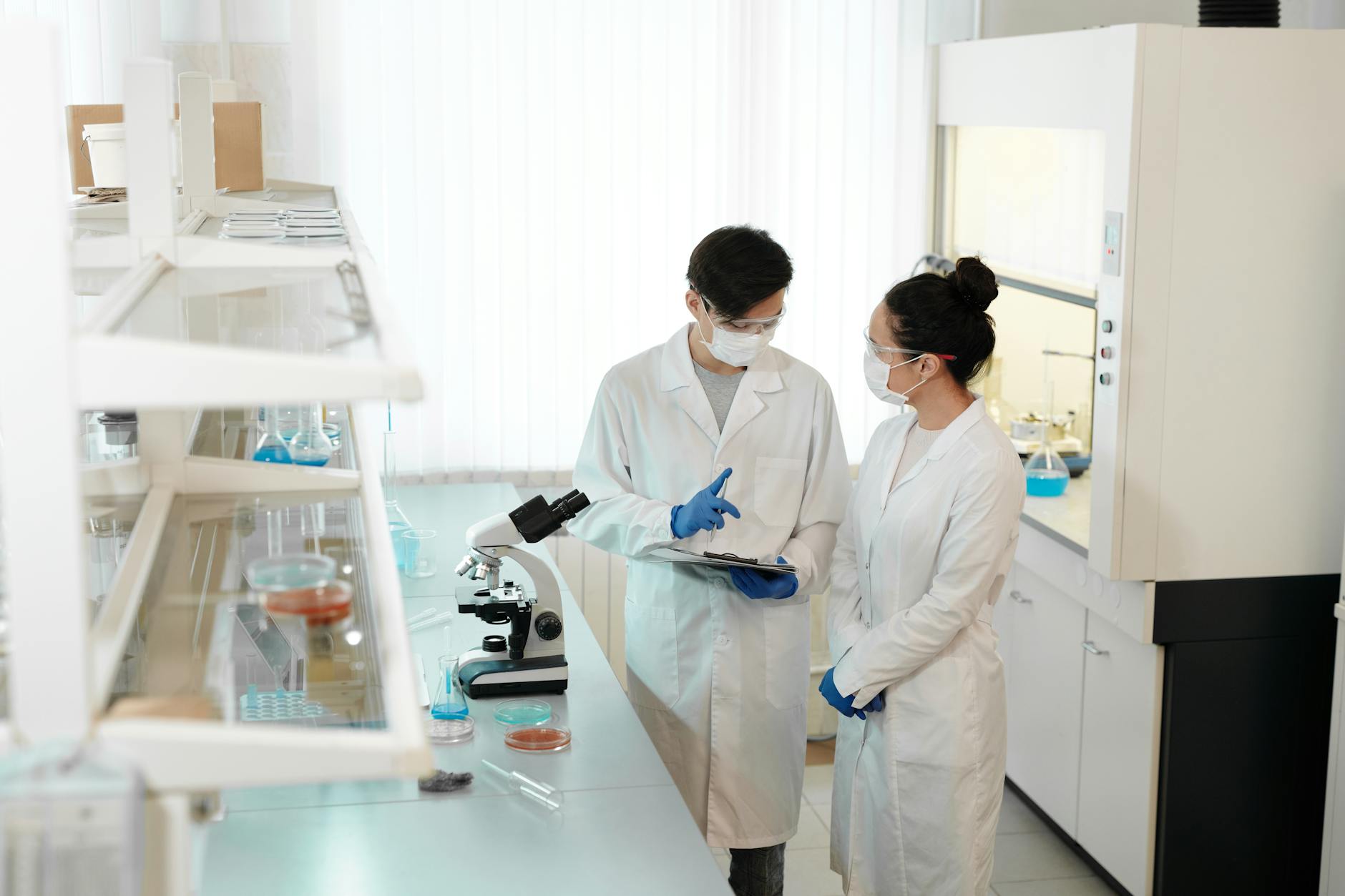
Blue light has a significant limitation: penetration depth. Blue wavelengths (400–470 nanometers, with peak effectiveness around 415 nm) penetrate only approximately 1 millimeter into the skin. One millimeter. That reaches the stratum corneum and barely touches the upper epidermis. For bacteria living deeper in pores and sebaceous glands, blue light never reaches them.
Professional PDT uses red and longer wavelengths (around 630 nanometers and beyond) that penetrate much deeper into the skin layers where acne bacteria colonize and where pre-cancerous changes develop. Deeper penetration allows professional devices to treat not just surface-level bacteria but also the inflammatory lesions and cellular changes occurring in the dermis. This is why wavelength selection is so critical in light therapy research and clinical practice. A 2025 expert consensus on light therapy in dermatology confirms that clinical outcomes depend heavily on professional-grade equipment specifications—including wavelength and power output working together. If you’re using a blue light device on deep cystic acne, you’re essentially treating only the very top layer while the actual problem sits deeper, untouched by the light.
Treatment Area and Coverage—The Practical Limitation
Professional PDT equipment is designed for clinical efficiency and comprehensive treatment. A dermatologist can treat an entire face, chest, or back in a single session. The light source covers a broad area while maintaining consistent power delivery. Consumer blue light devices are necessarily smaller—they’re meant to be held in your hand, applied to one area at a time.
You might spend 10 minutes treating acne spots on your chin, then another 10 minutes on your forehead. A dermatologist can treat both areas simultaneously with professional equipment. This coverage difference becomes especially important when dealing with diffuse acne or when treating larger sun-damaged areas for pre-cancerous lesions. A person with widespread actinic keratosis scattered across their face and shoulders would require dozens of at-home treatment sessions to cover all the lesions, while professional PDT handles it in one appointment. The cumulative time, effort, and consistency required to match professional treatment with a consumer device makes it impractical for extensive skin conditions.
The Standardization Problem in Consumer Devices
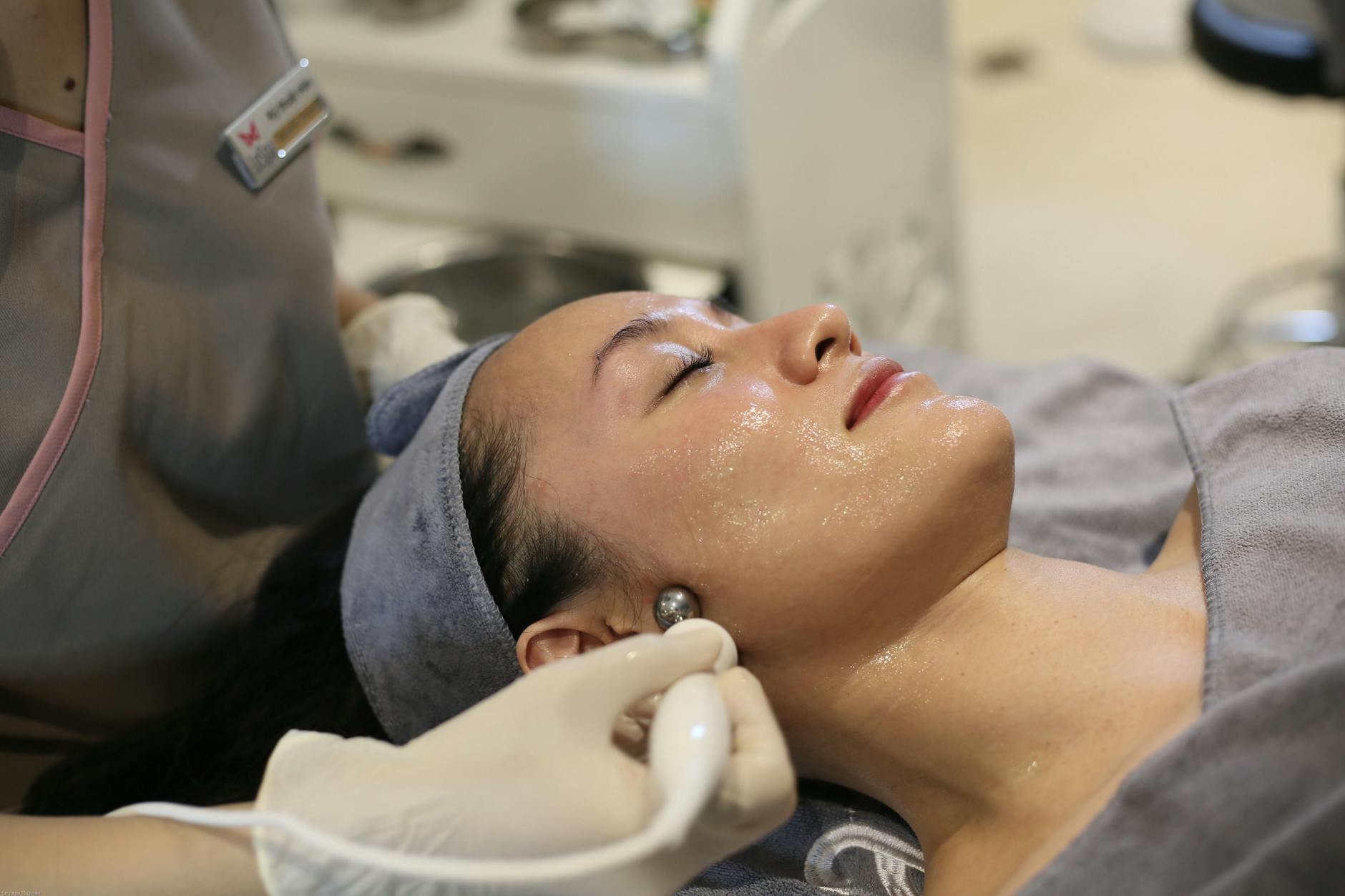
One often-overlooked issue with at-home blue light devices is inconsistency. Professional PDT equipment is calibrated to deliver specific irradiance levels, documented in clinical trials, and approved by regulatory bodies. Consumer devices rarely meet these standards. Two blue light devices from different manufacturers—or even different production batches from the same company—might deliver vastly different power outputs.
You might buy a device based on marketing claims about LED power, but without knowing the actual irradiance at the skin surface, you can’t be sure you’re getting a therapeutic dose. Additionally, professional PDT is administered by trained clinicians who know how to properly apply photosensitizers, calculate optimal incubation times, and deliver light treatment at the right intensity and duration. An at-home user follows package instructions, which may be generic across many skin types and conditions. This human variable—proper technique and clinical judgment—adds another layer of effectiveness to professional treatment that consumer devices simply cannot replicate.
The Future of Light Therapy—Where This Technology Is Heading
Recent advances show promise for improving consumer light therapy devices, but the fundamental constraints remain. Researchers are exploring combination approaches—using blue light with low-dose photosensitizers or combining multiple wavelengths—to bridge the efficacy gap. However, these innovations are still being validated clinically. For now, the 2025 expert consensus confirms that professional-grade equipment specifications remain the gold standard for dermatologic light therapy applications.
The takeaway isn’t that blue light devices are worthless—they’re not. For mild acne, maintenance therapy, or cost-conscious consumers willing to accept 35% efficacy, blue light offers a non-prescription option. But understanding why professional PDT is stronger—higher power, chemical amplification, deeper penetration—helps set realistic expectations. If your skin condition warrants it, professional treatment delivers results that no at-home device can match.
Conclusion
Professional PDT outperforms consumer blue light devices across every technical metric: higher irradiance with standardized dosing, topical photosensitizers that amplify the light’s effect, and wavelengths that penetrate deeper into skin. The clinical evidence is stark—blue light achieves 35.71% efficacy for acne while professional PDT reaches 73–93% clearance rates for pre-cancerous lesions. Blue light devices have a role for mild acne or maintenance therapy, but they operate under fundamental limitations of power, chemistry, and penetration depth that professional devices simply don’t face.
If you’re dealing with stubborn acne that hasn’t responded to topical treatments, or if you have pre-cancerous lesions, professional PDT is worth discussing with a dermatologist. If you have mild acne and want to try an at-home option first, blue light is harmless and might help—just understand it’s not equivalent to professional treatment. The strength difference isn’t a marketing claim; it’s rooted in decades of dermatologic research and the fundamental physics of how light interacts with skin.