Black cohosh is used for menopausal acne because it may help stabilize the hormonal fluctuations that trigger breakouts during perimenopause and menopause. As estrogen levels drop, the skin becomes more responsive to androgens (male hormones), which increase sebum production and inflammation—the primary drivers of acne.
Black cohosh contains phytoestrogens, plant compounds with estrogen-like properties that some research suggests can moderate these hormonal swings and reduce acne severity. For example, a woman in her late 40s experiencing sudden jawline and chin acne for the first time might find that her breakouts correlate with skipped periods and hot flashes; black cohosh users often report that clearer skin follows hormonal symptom improvement. This article examines how menopausal hormones trigger acne, what science shows about black cohosh’s potential role, and how it compares to other acne and menopause treatments.
Table of Contents
- How Menopause and Hormonal Shifts Trigger Acne
- What Black Cohosh Is and How It May Affect Skin
- Evidence and User Reports vs. Clinical Trials
- Timing, Dosage, and How Long Results Take
- Side Effects and Who Should Avoid Black Cohosh
- Black Cohosh vs. Other Menopausal Acne Approaches
- The Broader Context of Herbal Menopause Support
- Conclusion
- Frequently Asked Questions
How Menopause and Hormonal Shifts Trigger Acne
During menopause, ovarian estrogen production declines sharply while androgen levels remain relatively stable or even rise slightly, shifting the estrogen-to-androgen ratio. This hormonal imbalance makes oil glands more sensitive to androgens, ramping up sebum production and creating an ideal environment for bacterial growth and inflammation. Unlike teenage acne, menopausal acne typically appears on the lower face, jawline, and neck—areas with more oil glands and androgen receptors—and tends to be inflammatory and slow-healing.
A 52-year-old woman might suddenly develop deep cystic breakouts in areas that were clear for decades, not because of diet or routine changes, but purely because her skin’s hormonal environment has shifted. This hormonal mechanism explains why standard acne treatments targeting bacteria and surface inflammation often fail for menopausal acne: they don’t address the root hormonal driver. Understanding this difference is crucial because it points toward why hormone-modulating approaches like black cohosh appeal to many women dealing with this late-onset acne.

What Black Cohosh Is and How It May Affect Skin
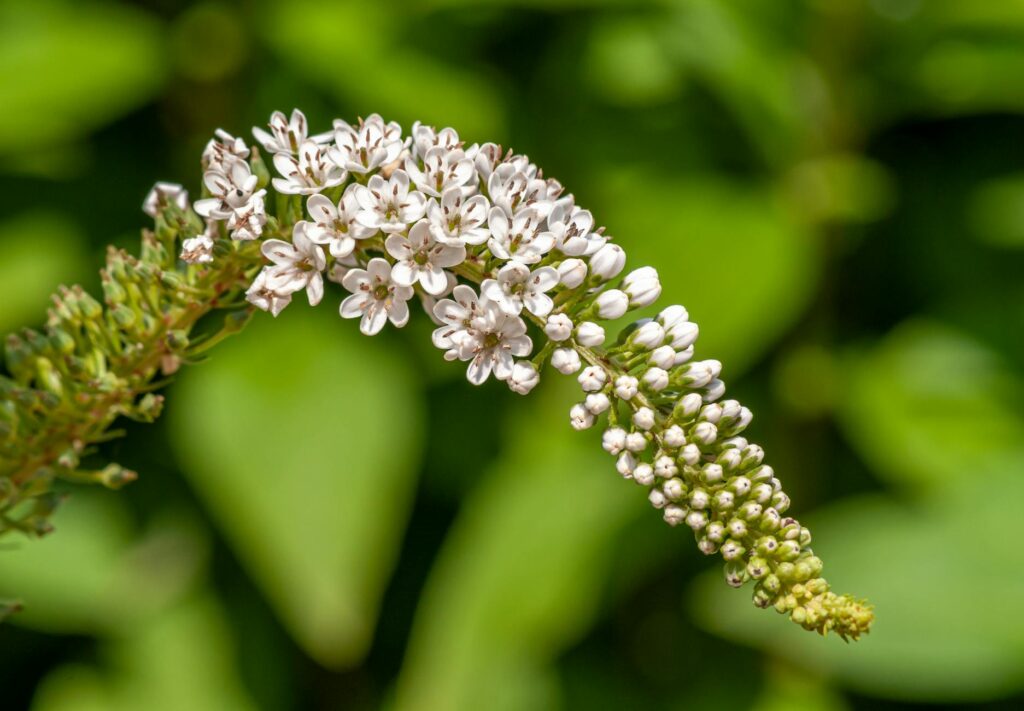
Black cohosh (Actaea racemosa, formerly Cimicifuga racemosa) is a perennial plant native to eastern North America whose root has been used in traditional medicine for over a century, particularly for menopausal symptoms. The active compounds in black cohosh include triterpenes and phytoestrogens that bind weakly to estrogen receptors in the body, theoretically providing an estrogen-like signaling effect without the systemic hormonal surge of hormone replacement therapy (HRT). Research on black cohosh’s mechanism shows mixed but suggestive results: some studies indicate it improves menopausal symptoms like hot flashes and mood disturbances, while its specific effect on skin and acne is less well-documented in clinical trials.
However, if black cohosh successfully moderates the estrogen-to-androgen ratio in skin tissue, it should logically reduce sebum overproduction and inflammation. The limitation here is important: black cohosh’s effects are modest and gradual; it is not a direct acne fighter like benzoyl peroxide or isotretinoin. It may work by creating conditions where your skin is less acne-prone, not by killing bacteria or peeling away blocked pores.
Evidence and User Reports vs. Clinical Trials
The direct clinical evidence for black cohosh specifically treating acne is sparse. Most dermatological research on black cohosh focuses on other menopausal symptoms (hot flashes, night sweats, vaginal dryness), not skin outcomes. That said, many women report that their acne improves when they take black cohosh for menopausal symptoms overall—suggesting that hormonal stabilization does benefit their skin.
A woman taking black cohosh for hot flashes might notice as a secondary benefit that the cystic breakouts she developed six months earlier begin to flatten and resolve within 8-12 weeks. The gap between anecdotal experience and clinical proof exists partly because funding for herbal research is limited and acne was not the primary endpoint in most black cohosh trials. What this means practically is that black cohosh shows reasonable promise as one tool among many for menopausal acne, but you should not expect it to work like a dermatologist-prescribed medication. Starting black cohosh with realistic expectations—that it may contribute to clearer skin alongside addressing hot flashes—is more honest than framing it as an acne cure.

Timing, Dosage, and How Long Results Take
If you try black cohosh for menopausal acne, expect a delay before improvements appear. Most users report that menopausal symptom relief (hot flashes, mood) takes 4-8 weeks of consistent use, and skin improvements often follow that timeline or take slightly longer. Standard dosages range from 40-80 mg of standardized extract daily, typically taken in two divided doses.
A practical approach would be to commit to 8-12 weeks at a consistent dose before evaluating whether it’s helping your acne, since hormonal changes in skin turn over on a slower cycle than surface flaking. Comparison with other options: if you start black cohosh and see no change by 12 weeks while your acne worsens, you could reasonably pivot to other strategies (tretinoin, spironolactone, oral contraceptives if appropriate) without losing months. Black cohosh works best alongside other sound acne practices—gentle cleansing, non-comedogenic moisturizer, consistent sun protection—rather than as a solo treatment. Many women find it most effective when combined with other menopausal support: better sleep, stress reduction, and dietary adjustments amplify hormonal stabilization.
Side Effects and Who Should Avoid Black Cohosh
Black cohosh is generally well-tolerated, but it carries several cautions. Some users report headaches, dizziness, stomach upset, or breast tenderness in the first few weeks. More importantly, black cohosh has been linked to rare liver complications in a small number of users; the FDA does not formally regulate herbal supplements, so quality and safety vary by brand.
If you have a history of liver disease or take medications metabolized by the liver, black cohosh may not be appropriate without medical oversight. Women on hormone replacement therapy (HRT) should consult their doctor before adding black cohosh, as the combined estrogenic effect is uncertain. Additionally, if your menopausal acne is driven partly by medications (certain HRTs, corticosteroids) or underlying hormonal conditions like PCOS, black cohosh alone will not solve the acne. A limitation to keep in mind: black cohosh affects systemic hormone signaling, not just acne-specific factors, so its benefits are indirect and sometimes unpredictable across individuals.
Black Cohosh vs. Other Menopausal Acne Approaches
For context, the evidence-based options for menopausal acne include prescription medications (spironolactone, low-dose oral contraceptives), topical retinoids, and oral HRT—all of which have stronger research backing than black cohosh. Spironolactone (an androgen-blocking diuretic) is often considered the first-line prescription choice for hormonal acne in menopausal women and has robust clinical trial support.
Black cohosh is appealing to women seeking a non-prescription, plant-based alternative, and some dermatologists incorporate it into broader regimens. Example: a 55-year-old woman who declines HRT for personal reasons and does not want to use spironolactone might reasonably experiment with black cohosh as a first step while also using tretinoin topically. The trade-off is that black cohosh’s effect is gentler and slower than prescription options, but it also carries fewer side effects and regulatory concerns for some women.
The Broader Context of Herbal Menopause Support
Black cohosh exists within a constellation of herbal and lifestyle interventions for menopause. Sage leaf, red clover, dong quai, and evening primrose oil are other botanicals with historical use for menopausal symptoms, though similarly, the specific dermatological evidence is thin.
The broader picture is that hormonal shifts during menopause affect skin in multiple ways—acne, dryness, sensitivity, elasticity loss—and no single supplement addresses all of them. Forward-looking clinical research is slowly filling gaps about which botanical compounds genuinely modulate skin outcomes during menopause, but until larger trials exist, black cohosh remains one reasonable option among a toolkit that includes topical treatments, prescriptions, lifestyle changes, and HRT if appropriate. The future may bring more targeted phytoestrogen formulations designed specifically for skin health, but for now, black cohosh bridges the gap for women wanting natural systemic support for menopausal acne.
Conclusion
Black cohosh is used for menopausal acne because it may help moderate the estrogen-to-androgen hormonal ratio that drives late-onset breakouts. The evidence is suggestive rather than definitive, resting on consistent user reports and plausible mechanism rather than large clinical trials. If you are struggling with sudden acne during perimenopause or menopause and prefer to explore non-prescription options, black cohosh is worth considering as part of a broader approach—alongside consistent skincare, topical treatments, and medical evaluation.
Give it 8-12 weeks at a standard dose (40-80 mg daily), monitor for side effects, and be prepared to add or switch to prescription options (spironolactone, tretinoin, oral contraceptives) if black cohosh does not deliver meaningful improvement. Consult with a dermatologist or gynecologist before starting, especially if you take other medications or have a history of liver concerns. Menopausal acne is a real and often frustrating condition, but many women find relief through a combination of strategies; black cohosh may be one useful piece of that puzzle.
Frequently Asked Questions
How quickly does black cohosh work for acne?
Most users notice skin improvement 8-12 weeks into consistent use, though menopausal symptom relief (hot flashes) may appear first at 4-8 weeks. Skin cell turnover is slower than you might expect, so patience is required.
Can I use black cohosh with topical acne treatments like tretinoin?
Yes. Black cohosh works systemically on hormones, while tretinoin works topically on cell turnover and inflammation; they target different mechanisms and can be combined. Always inform your doctor of both treatments.
Is black cohosh as effective as spironolactone for hormonal acne?
No. Spironolactone has stronger clinical evidence for menopausal acne and acts more directly as an androgen blocker. Black cohosh is gentler and less researched, making it a good option for women who cannot or choose not to take prescription medication.
Does brand matter when choosing black cohosh?
Yes. The FDA does not regulate herbal supplements, so quality varies. Look for products that specify the amount of standardized extract (usually listed as a percentage of triterpenes) and consider brands with third-party testing. Inconsistent products may explain why some users see no benefit.
Can black cohosh cause liver damage?
Liver complications from black cohosh are rare but documented. If you have existing liver disease, take hepatotoxic medications, or have unexplained jaundice, consult your doctor before use. Most healthy adults tolerate it without issue.
Will black cohosh work if my acne is caused by other factors?
Black cohosh targets hormonal imbalance specific to menopause. If your acne is driven by PCOS, medication side effects, or poor skincare, black cohosh alone is unlikely to help. Diagnosis matters.