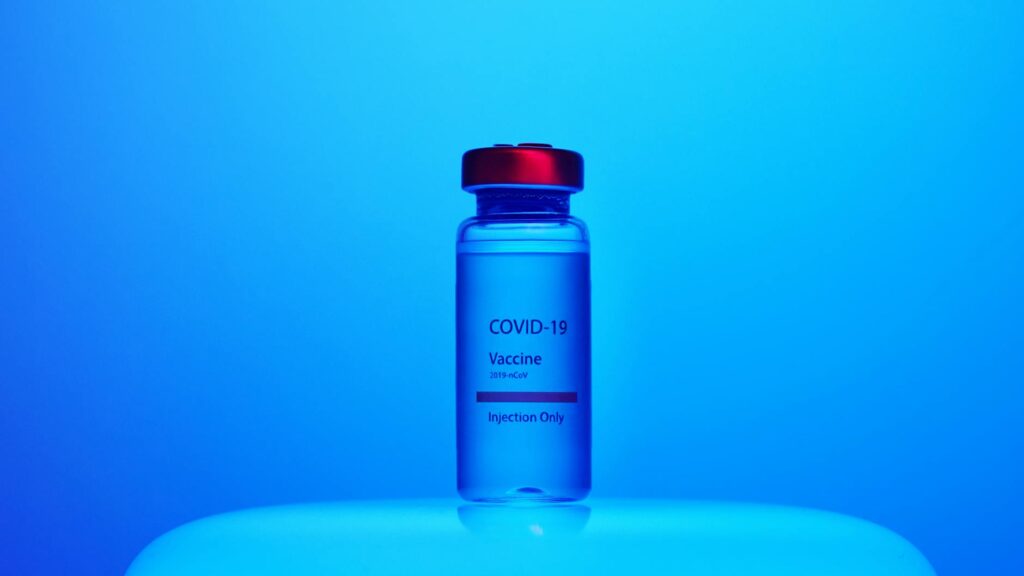
Bellafill is the only FDA-approved dermal filler specifically designed for treating acne scars. This distinction matters because while many injectable fillers exist for wrinkles and facial volume loss, Bellafill received direct FDA approval in 2015 for moderate to severe, atrophic, distensible facial acne scars—making it the sole filler with an official indication for this particular concern. For someone with deep, sunken acne scars on their cheeks or chin, Bellafill offers something other fillers cannot: clinical evidence specifically showing its effectiveness on acne scarring in FDA-regulated trials. This article explores why Bellafill earned this unique status, how it compares to alternative treatments, what the clinical data actually shows, and whether it might be right for you.
Table of Contents
- How Did Bellafill Become the Only FDA-Approved Acne Scar Filler?
- What Is Bellafill Made Of and How Does It Work?
- What Do the Clinical Studies Show About Bellafill’s Effectiveness?
- How Long Do Bellafill Results Actually Last?
- What Are the Safety Concerns and Long-Term Risks?
- Who Is an Ideal Candidate for Bellafill Acne Scar Treatment?
- How Does Bellafill Compare to Other Acne Scar Treatments?
- Conclusion
How Did Bellafill Become the Only FDA-Approved Acne Scar Filler?
Bellafill’s timeline reveals something important about regulatory approval. The filler itself was FDA-approved in 2006, but for nasolabial folds—those smile lines running from your nose to the corners of your mouth. For nine years, Bellafill remained approved only for that indication. In 2015, after the manufacturer completed a double-blinded, randomized, placebo-controlled clinical trial across 10 U.S.
medical centers, the FDA added acne scars as an official indication. That trial is crucial: it’s the gold standard of clinical evidence, with patients who either received Bellafill or saline injections, and neither patients nor doctors knew which treatment they received until after the study ended. This regulatory pathway explains why other popular fillers—like hyaluronic acid fillers such as juvederm or Restylane—haven’t received FDA approval for acne scars. The manufacturers simply haven’t submitted their formulations for that specific indication, or their trials didn’t meet FDA criteria. Bellafill’s unique status isn’t an accident; it’s the result of targeted clinical research designed to prove its safety and efficacy specifically for atrophic acne scarring.

What Is Bellafill Made Of and How Does It Work?
Bellafill’s composition is unlike typical hyaluronic acid or collagen fillers. It contains 20% polymethylmethacrylate (PMMA) microspheres suspended in 80% bovine collagen gel, plus 0.3% lidocaine for comfort during injection. The PMMA microspheres are tiny plastic beads that remain in your skin permanently, creating a structural scaffold. The collagen component provides immediate volume and softens over time.
Together, they work by both filling the depressed scar immediately and stimulating your own body to produce new collagen around the PMMA scaffold. This dual-action mechanism is different from temporary fillers that work purely through volume replacement. However, this also comes with an important consideration: PMMA is permanent, which means if you’re unhappy with the results or experience an unwanted reaction, there’s no simple way to dissolve it like you can with hyaluronic acid using hyaluronidase. This permanence is a feature for people seeking long-lasting results, but it requires confidence in the injector’s technique and your own satisfaction before proceeding.
What Do the Clinical Studies Show About Bellafill’s Effectiveness?
The pivotal FDA trial measured acne scar improvement at six months and found that 64% of Bellafill-treated patients showed more than 50% improvement in their treated acne scars, compared to just 33% in the saline control group. By twelve months, patient satisfaction reached 90%, meaning the vast majority felt their scars had meaningfully improved. These aren’t small differences; they represent a roughly two-fold advantage over placebo and very high satisfaction rates from patients themselves.
The trial enrolled patients with moderate to severe acne scarring, meaning the evidence is strongest for people with genuinely troubling scars rather than mild surface damage. Someone with deep, ice-pick style acne scars on their cheeks would be closer to the trial population than someone with faint, barely noticeable scarring. A 64% improvement rate also means roughly one in three patients didn’t achieve that threshold; while this is significantly better than placebo, it’s important to understand that results vary and not everyone achieves dramatic improvement.

How Long Do Bellafill Results Actually Last?
Bellafill’s longevity is a key advantage over alternative fillers. For nasolabial folds, the FDA-approved indication shows results lasting up to five years—the longest duration of any FDA-approved dermal filler for any condition. However, the specific FDA data for acne scars measures efficacy out to one year, not five. This doesn’t mean results disappear at twelve months; rather, that’s where the clinical trial data ends.
Post-approval safety studies tracking 1,008 patients over five years support a similar durability profile for acne scar treatment, though long-term cosmetic benefit specifically for scars is less formally documented than the one-year data. The practical implication is this: you can reasonably expect meaningful scar improvement lasting at least a year, potentially stretching to several years, before repeat treatment might be needed. This contrasts sharply with temporary fillers like hyaluronic acid, which typically last three to six months and require frequent touch-ups. For someone committing to acne scar treatment, Bellafill’s longevity reduces the frequency of office visits, though it also means committing to a longer-lasting result before reassessing.
What Are the Safety Concerns and Long-Term Risks?
A five-year post-approval safety study involving 1,008 patients provides substantial reassurance about Bellafill’s safety profile when used appropriately. Adverse events were generally mild and transient, including bruising, swelling, and tenderness at injection sites. More serious complications are rare but possible: granulomas (inflammatory nodules), asymmetry from uneven placement, or hypersensitivity reactions. Because PMMA is permanent, any granulomatous reaction could be difficult to resolve without medical intervention.
The critical safety factor is injector technique and experience. Bellafill requires deeper intradermal or subcutaneous placement than some other fillers; if injected too superficially, it can cause visible bumps or whitening under the skin. Someone considering Bellafill should specifically seek a dermatologist or plastic surgeon with documented experience using this filler, not a general aesthetician or less experienced provider trying it for the first time. The permanence of PMMA also means borderline candidates—people uncertain whether they want a long-lasting result—should carefully reconsider before proceeding.
Who Is an Ideal Candidate for Bellafill Acne Scar Treatment?
The FDA approval limits Bellafill use to patients over age 21 with moderate to severe, atrophic, distensible acne scars. “Atrophic” means sunken or depressed—scars that indent inward rather than raised or hypertrophic scars. “Distensible” means the scar can be stretched or moved; this distinction excludes extremely fibrotic, rigid scars that won’t respond well to filler regardless of type. A 25-year-old with deep ice-pick or boxcar scars on their cheeks from teenage acne is an ideal candidate.
A 45-year-old with the same scars would be equally suitable. Patients should also have realistic expectations and good skin health. Someone actively getting new acne breakouts and scarring might want to address the underlying acne first before investing in permanent filler treatment. Additionally, people with a history of keloid formation or hypertrophic scarring should proceed cautiously, as filler injection could theoretically trigger an exaggerated response in scar-prone skin.
How Does Bellafill Compare to Other Acne Scar Treatments?
The acne scar treatment landscape includes several alternatives: laser resurfacing (ablative or fractional), microneedling, subcision, punch excision, other temporary fillers, and combination approaches. Laser and microneedling work by resurfacing or triggering controlled injury to stimulate collagen remodeling; they’re effective but require multiple sessions spaced weeks apart, healing time between treatments, and an extended timeline to see final results. Subcision physically breaks up fibrotic scar tissue beneath the skin’s surface, often combined with filler or other treatments.
Bellafill’s advantage is immediate, substantial volume restoration visible right after injection, with long-lasting results that don’t fade within months. Its disadvantage is that it doesn’t remodel the scar tissue itself the way laser or microneedling does; it fills the depression. Many dermatologists use combination approaches—laser or microneedling first to stimulate collagen remodeling, followed by Bellafill filler to address any remaining depression. For patients seeking a single treatment with immediate, durable results, Bellafill fits a specific need that laser or microneedling alone doesn’t address as quickly.
Conclusion
Bellafill holds a unique regulatory position as the only FDA-approved dermal filler specifically for acne scars, earned through clinical evidence showing 64% of treated patients achieved meaningful improvement versus 33% in the placebo group. Its PMMA-based composition creates a permanent scaffold that stimulates your body’s own collagen production, with results lasting up to five years—far longer than temporary alternatives. This longevity and proven efficacy come with trade-offs: the permanent nature of PMMA means you need confidence in your choice, and injector expertise matters significantly to achieving optimal results.
If you’re considering Bellafill for moderate to severe acne scars, consult with a dermatologist or plastic surgeon experienced specifically with this filler. Ask to see before-and-after photos of their acne scar cases, and discuss your scar type to confirm whether your scars qualify as ideal candidates. Bellafill isn’t the only acne scar treatment available, but it is the only one with an FDA indication specifically for this problem—a distinction that reflects genuine clinical evidence, not marketing claims.