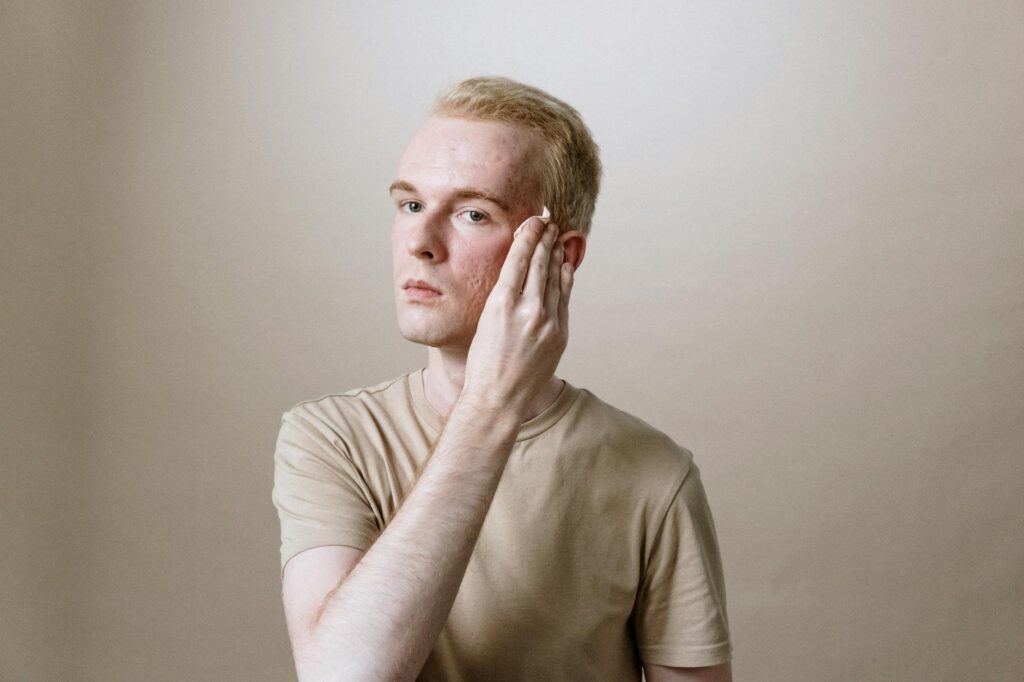
Athletes get more acne than non-athletes primarily because of a condition called acne mechanica — a form of acne triggered by friction, pressure, heat, and trapped sweat from sports equipment and tight uniforms. First described by Mills and Kligman in 1975, acne mechanica is one of the most common skin complaints among athletes, and it layers on top of the hormonal and environmental factors that already make physically active people more breakout-prone. A football player wearing a helmet for three hours of practice, for instance, is subjecting the skin on their chin, forehead, and jawline to exactly the combination of pressure, heat, and occlusion that triggers this stubborn form of acne.
But equipment friction is only part of the story. Athletes also tend to have higher testosterone levels — both men and women — which ramps up sebum production and makes pores stickier and more likely to clog. Competitive stress, androgen-boosting supplements, and conditions like PCOS (which may affect up to 20% of female Olympic athletes) all compound the problem. This article breaks down the specific mechanisms behind athlete acne, explains why some sports cause breakouts in predictable body zones, debunks the myth that sweat itself is the culprit, and covers what actually works for prevention and treatment — including new developments like an mRNA acne vaccine currently in clinical trials.
Table of Contents
- What Causes Athletes to Break Out More Than Non-Athletes?
- The Hormone Factor — Why Athletic Bodies Produce More Acne-Causing Oil
- Sport-Specific Acne Patterns — Where You Break Out Depends on What You Play
- Does Sweat Actually Cause Acne? What the Research Says
- Why Athlete Acne Is Harder to Treat Than Regular Breakouts
- Prevention Strategies That Actually Work for Athletes
- The Future of Acne Treatment — From mRNA Vaccines to Novel Oral Agents
- Conclusion
- Frequently Asked Questions
What Causes Athletes to Break Out More Than Non-Athletes?
Three factors converge on athletes that most sedentary people simply never deal with simultaneously. The first is mechanical friction — helmets, shoulder pads, chest protectors, headbands, and compression gear all rub and press against skin repeatedly, breaking down the skin’s protective barrier. The second is heat. Intense physical activity raises core body temperature, and when that heat gets trapped under equipment or synthetic fabrics, it creates an environment where bacteria thrive. The third is occlusion: sweat that cannot evaporate because it is sealed against the skin by padding or tight clothing.
According to the American Academy of Dermatology, these three triggers — friction, heat, and trapped sweat — are the defining causes of acne mechanica. What makes this distinct from ordinary acne vulgaris is the evidence that it resolves on its own when the mechanical triggers stop. Dermatologists have documented dramatic improvement in acne mechanica at the end of competitive seasons in most athletes, which strongly suggests that friction and pressure — not the deeper hormonal and genetic factors behind regular acne — are the primary drivers. In other words, a college linebacker’s jaw breakouts during football season are not the same condition as a teenager’s hormonal acne, even though they can look identical. This distinction matters because the treatments are different: standard oral antibiotics used for acne vulgaris tend to be less effective against acne mechanica specifically.

The Hormone Factor — Why Athletic Bodies Produce More Acne-Causing Oil
Beyond equipment, athletes face a hormonal disadvantage. Training at high intensities over time tends to elevate testosterone levels in both male and female athletes. Testosterone directly increases sebum production — the oily substance that, when overproduced, clogs pores and feeds acne-causing bacteria. It also changes the cells lining hair follicles, making them stickier and more prone to forming the plugs that become blackheads, whiteheads, and inflammatory lesions. For female athletes, the hormonal picture can be even more complicated. Research suggests that up to 20% of female Olympic athletes may have Polycystic Ovarian Syndrome, a condition characterized by elevated androgens and testosterone.
PCOS is already one of the leading causes of adult female acne in the general population. In elite female athletes, the combination of PCOS-driven hormonal imbalances and daily equipment friction can make acne particularly persistent and difficult to manage. However, it is worth noting that not all female athletes with acne have PCOS — if breakouts are accompanied by irregular periods, unusual hair growth, or weight changes, those are signs worth discussing with a doctor rather than assuming the acne is purely exercise-related. Exercise supplements add another layer. Products designed to boost androgens or testosterone — common in strength and power sports — can trigger acne flares. Certain medications like lithium and anabolic steroids are also well-documented acne promoters. Athletes who notice sudden breakouts after starting a new supplement should consider it a likely suspect before blaming their training gear.
Sport-Specific Acne Patterns — Where You Break Out Depends on What You Play
One of the more telling aspects of athlete acne is how predictable the breakout locations are based on the sport. Football and hockey players develop acne concentrated on the chin, forehead, and shoulders — exactly where helmets and shoulder pads sit. Shot-putters develop lesions on the neck and jawline where they cradle the shot during their throwing motion. Cyclists get breakouts along the lines where backpack straps press against their shoulders and upper back.
Weightlifters see acne form under lifting belts and chest straps. These patterns are essentially a map of where equipment contacts skin. A wrestler who breaks out across the chest and shoulders but has clear skin on their face is dealing with a fundamentally different trigger than someone whose acne is hormonally driven across the T-zone. Recognizing the pattern is the first step toward targeted prevention — and it is why a blanket skincare routine may not address the real issue. If breakouts follow the exact outline of a piece of equipment, the equipment interaction needs to change, not just the face wash.

Does Sweat Actually Cause Acne? What the Research Says
One of the most persistent myths in athletic skincare is that sweat causes acne and that showering immediately after exercise prevents breakouts. The reality is more nuanced. NYC dermatologist Dr. Marisa Garshick has noted that sweat may actually have antibacterial properties. More significantly, a study published in the Journal of the American Academy of Dermatology found no statistically significant difference in truncal acne between exercising and non-exercising groups — regardless of how quickly participants showered after working out.
This does not mean hygiene is irrelevant. Sweat that sits on the skin under occlusive gear creates a warm, moist environment that bacteria love, and dried sweat mixed with dead skin cells can clog pores over time. The key distinction is between sweat on open skin (relatively harmless and possibly beneficial) versus sweat trapped against the skin by equipment, clothing, or prolonged contact. An outdoor runner in a loose tank top faces a very different acne risk than an indoor cyclist in a compression kit with a backpack, even if both produce the same volume of sweat. The takeaway: showering quickly after exercise is still good practice, but it is not the acne silver bullet many people assume, and skipping one post-workout shower will not cause a breakout on its own.
Why Athlete Acne Is Harder to Treat Than Regular Breakouts
Dr. Karim of U.S. Dermatology Partners puts it bluntly: “Acne mechanica can be extremely stubborn and difficult to treat” and “It’s harder to treat this form of acne than it is to prevent it.” This is a critical warning for athletes who assume they can simply use the same benzoyl peroxide wash or prescription retinoid they used as a teenager. Because the triggers are ongoing and physical — you cannot stop wearing a helmet during football season — the acne keeps getting re-aggravated even as treatments try to calm it down.
Standard oral antibiotics, the go-to for moderate acne vulgaris, are less effective against acne mechanica specifically. This makes sense when you consider that acne mechanica is driven primarily by mechanical disruption of the skin rather than by bacterial overpopulation alone. Prevention strategies — wearing moisture-wicking fabrics under equipment, cleaning gear regularly, using non-comedogenic barrier products on high-friction areas, and removing sweaty clothing promptly — tend to be more effective than reactive treatment. Athletes should also be aware that psychological stress from competition is an additional contributing factor identified in research, meaning that high-stakes games or meets can compound breakouts through both mechanical and hormonal pathways.
Prevention Strategies That Actually Work for Athletes
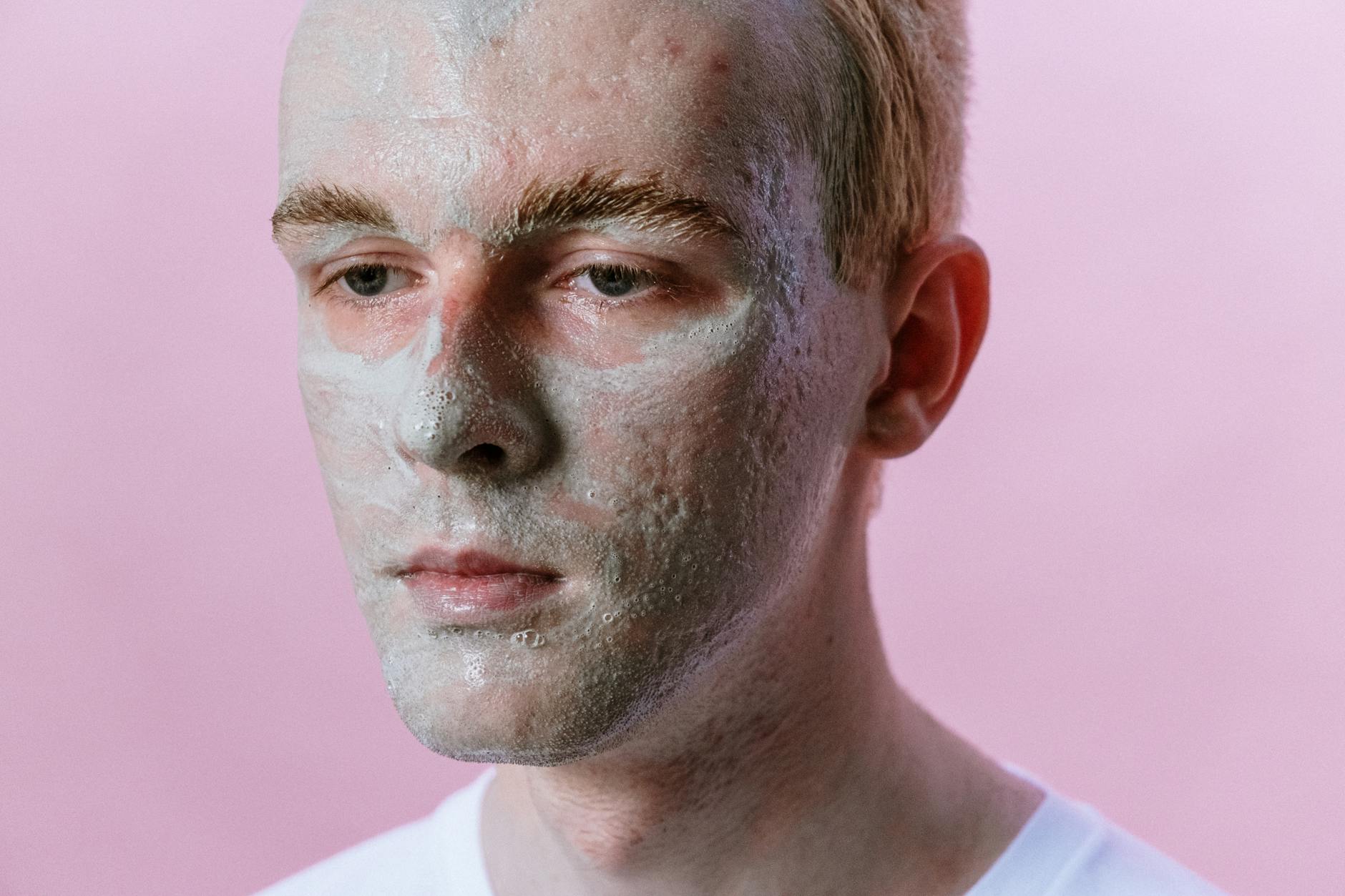
The most effective approach combines barrier protection with smart hygiene. Wearing clean, moisture-wicking base layers under pads and helmets reduces direct friction and pulls sweat away from the skin. Cleaning the inside of helmets, pads, and straps with antibacterial wipes after each use prevents bacterial buildup on the surfaces that contact skin most often. Applying a lightweight, non-comedogenic moisturizer to high-friction zones before suiting up can reduce mechanical irritation without clogging pores — though heavy or occlusive products will make things worse, not better.
For athletes who already have active acne mechanica, a salicylic acid body wash used on affected areas can help keep pores clear. Benzoyl peroxide spot treatments work as well but can bleach uniforms and towels. The tradeoff is real: many athletes avoid benzoyl peroxide entirely during the season because of equipment staining, which limits their treatment options. A dermatologist familiar with sports-related skin issues can help navigate these practical constraints and may recommend topical retinoids for off-season recovery when the mechanical triggers have stopped.
The Future of Acne Treatment — From mRNA Vaccines to Novel Oral Agents
The acne treatment landscape is shifting in ways that could benefit athletes significantly. Sanofi is currently running clinical trials for the world’s first mRNA acne vaccine, which targets the body’s inflammatory response rather than just treating symptoms on the surface. If successful, this could be transformative for athletes dealing with chronic, equipment-driven inflammation that topical products struggle to reach.
Other developments in the pipeline include Biofrontera Inc.’s completed Phase 2b study of aminolevulinic acid hydrochloride gel for moderate to severe acne, and novel oral agents like denifanstat being explored as alternatives to antibiotics. Given that standard antibiotics are already less effective for acne mechanica, non-antibiotic oral treatments could fill a real gap for athletes who need systemic help but are not getting results from traditional prescriptions. These are still in development, but they represent the most promising shift in acne treatment options in years.
Conclusion
Athletes get more acne than non-athletes because they face a perfect storm of mechanical friction, trapped heat and sweat, elevated hormones, supplement use, and competitive stress — all layered on top of whatever baseline acne risk their genetics already dictate. Acne mechanica, the friction-driven form most specific to athletes, is both the most common and the most preventable of these factors, with dramatic clearing typically seen once a competitive season ends.
The most actionable steps are preventive: moisture-wicking base layers, clean equipment, non-comedogenic barriers on high-friction skin, and prompt removal of sweaty gear. For breakouts that persist despite good prevention, working with a dermatologist who understands the difference between acne mechanica and acne vulgaris is worth the effort — the treatments are not interchangeable. And with mRNA vaccines and novel oral agents on the horizon, athletes dealing with stubborn acne may finally have better options within the next few years.
Frequently Asked Questions
Does working out cause acne?
Not directly. A study in the Journal of the American Academy of Dermatology found no significant difference in truncal acne between exercising and non-exercising groups. The acne risk comes from equipment friction, trapped sweat, and hormonal shifts — not the exercise itself.
Should I shower immediately after working out to prevent acne?
Showering after exercise is good hygiene, but research shows that how quickly you shower does not significantly affect acne outcomes. What matters more is removing occlusive gear and sweaty clothing promptly so sweat is not trapped against the skin.
Why does my acne clear up in the off-season?
This is a hallmark of acne mechanica. When the friction and pressure from equipment stop, the skin’s barrier can repair itself and breakouts resolve. If your acne persists year-round regardless of training, hormonal or genetic factors may be playing a larger role.
Can my helmet give me acne?
Yes. Helmets are one of the most common causes of acne mechanica in athletes. The combination of pressure on the forehead and chin, heat trapped inside the helmet, and sweat that cannot evaporate creates ideal conditions for breakouts. Wearing a clean, moisture-wicking liner can help.
Do testosterone-boosting supplements cause acne?
They can. Supplements that elevate androgens or testosterone increase sebum production and can trigger acne flares. If breakouts started or worsened after beginning a new supplement, that connection is worth investigating.
Is athlete acne treated differently than regular acne?
It should be. Standard oral antibiotics used for typical acne vulgaris are less effective against acne mechanica. Prevention through barrier protection and equipment hygiene tends to outperform reactive treatment for this specific form of acne.