Antiviral medication is prescribed before acne scar procedures like laser resurfacing because these treatments breach the skin’s protective barrier, which can reactivate dormant herpes simplex virus (HSV) in susceptible patients. If you’ve ever had a cold sore or genital herpes, the virus remains dormant in your nerve cells, and the trauma from intensive skin procedures can trigger a severe outbreak that derails healing and potentially worsens scarring. This is why dermatologists routinely ask about your herpes history before booking CO2 laser resurfacing, microdermabrasion, or other ablative scar treatments.
This article explains why this precaution matters, how it works, what medications are used, and what to expect if your dermatologist recommends antiviral prophylaxis. The good news is that preventing HSV reactivation is straightforward and highly effective. A 10-14 day course of antiviral medication started before your procedure and continued afterward has been shown to prevent reactivation in 100% of cases, with no serious side effects. Understanding why this medication is necessary helps you take it as prescribed and avoid complications that could set back your scar revision results by months.
Table of Contents
- How Skin Procedures Trigger Herpes Reactivation in Susceptible Patients
- The Clinical Evidence Supporting Antiviral Prophylaxis Before Scar Procedures
- Antiviral Medications for Acne Scar Procedure Prevention
- Timing Your Antiviral Treatment: When to Start and How Long to Continue
- Limitations and Scenarios Where Antiviral Prophylaxis Doesn’t Apply
- Procedures Requiring Antiviral Protection
- Having the Prevention Conversation With Your Dermatologist
- Conclusion
How Skin Procedures Trigger Herpes Reactivation in Susceptible Patients
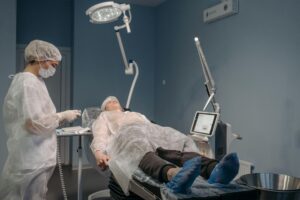
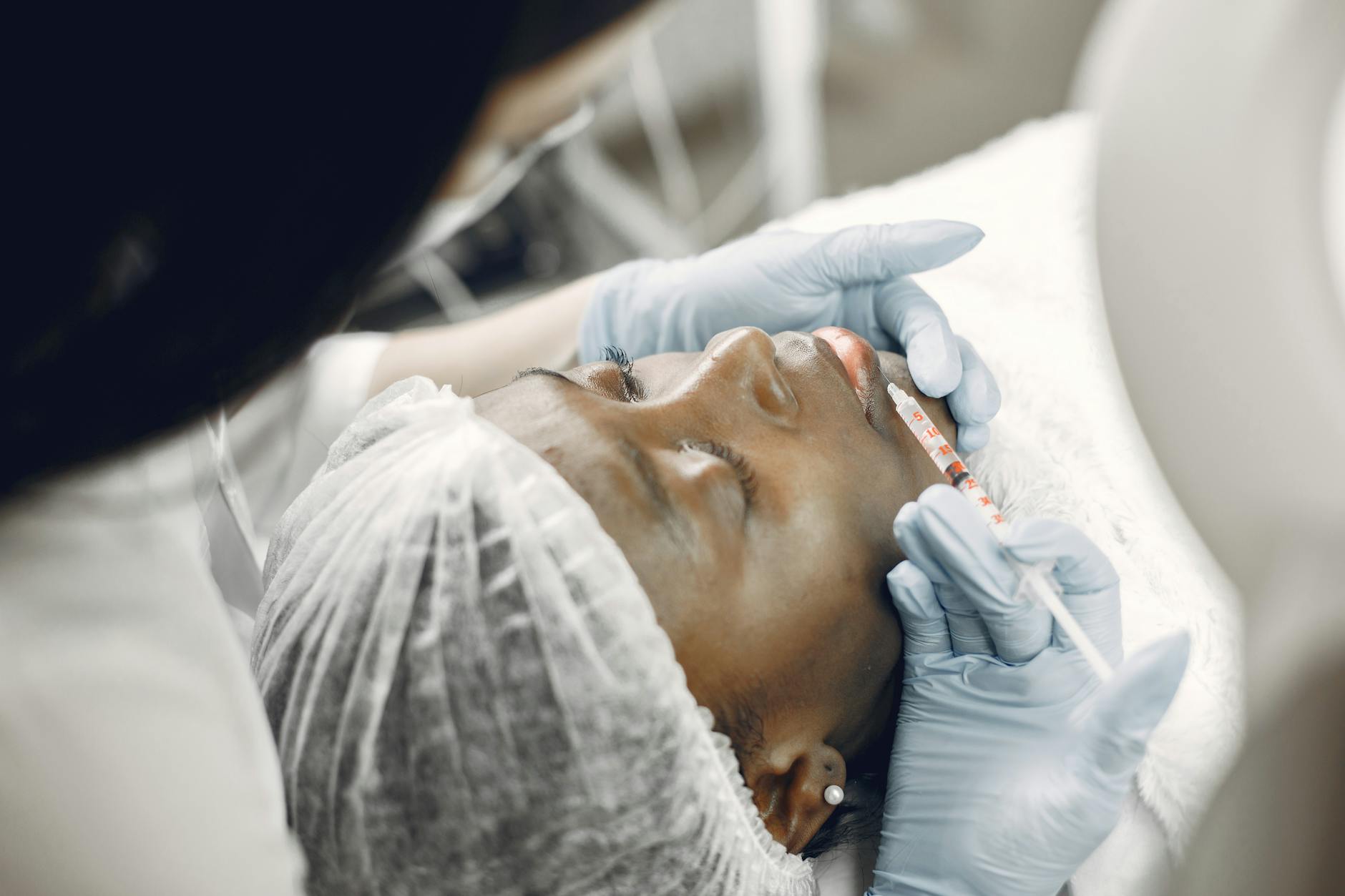
Laser resurfacing, chemical peels, and dermabrasion work by deliberately creating controlled injury to the skin to stimulate collagen remodeling and fade scars. However, this injury—whether from CO2 laser ablation or physical resurfacing—damages the epidermis and dermis extensively. In patients with a history of herpes infection, this skin trauma can trigger reactivation of HSV that’s been dormant in nerve tissue. The virus travels down the nerve pathway to the skin surface, causing painful blisters that can delay healing, increase infection risk, and potentially create new scarring on top of the procedure site.
Without antiviral prophylaxis, the rate of HSV reactivation following ablative laser resurfacing has been documented as high as 7%. That means roughly one in every 14 patients undergoing CO2 laser treatment would experience a herpes outbreak without preventive medication—a complication serious enough to warrant routine prophylaxis in anyone with known HSV exposure. The outbreak typically occurs within the first 1-2 weeks after the procedure, during the critical healing window when your skin is most vulnerable. For example, a patient who undergoes CO2 laser resurfacing on a Wednesday might experience initial herpes symptoms by the following Tuesday, introducing fluid-filled blisters and pain that interfere with post-procedure wound care and the scar revision results.
The Clinical Evidence Supporting Antiviral Prophylaxis Before Scar Procedures
Clinical trials have established antiviral prophylaxis as the gold standard for preventing HSV reactivation. Valacyclovir regimens, the most commonly prescribed antiviral for this purpose, demonstrated 100% effectiveness in preventing reactivation with no adverse effects reported in treated patients. This high success rate is why major dermatology organizations routinely recommend antiviral prophylaxis for ablative procedures in patients with documented HSV history. The mechanism is straightforward: the antiviral medication inhibits viral replication, preventing the dormant virus from becoming active during the healing window.
However, antivirals are only necessary if you have a genuine history of herpes infection. If you’ve never had HSV-1 (cold sores) or HSV-2 (genital herpes), and you weren’t exposed through a partner, antiviral prophylaxis provides no benefit and isn’t recommended. This is an important distinction because many patients assume they need antivirals for scar procedures when they don’t. Your dermatologist will ask specifically about your herpes history—including whether you or a sexual partner have had outbreaks—to determine if prophylaxis is appropriate for you.
Antiviral Medications for Acne Scar Procedure Prevention
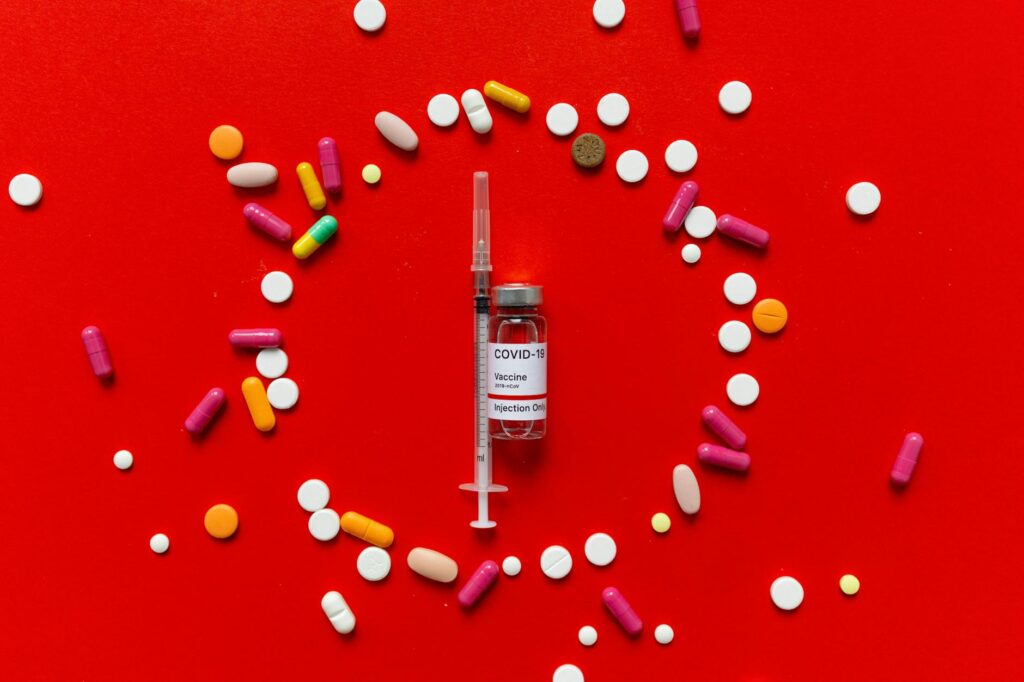
Three main antiviral medications are used for prophylaxis before scar procedures: valacyclovir, acyclovir, and famciclovir. Valacyclovir is the most commonly prescribed for this indication because it has superior bioavailability, meaning your body absorbs and uses it more effectively than older acyclovir formulations. A typical prophylactic regimen uses valacyclovir for 10-14 days. Acyclovir, the original antiviral, remains an effective option at 400 mg taken orally every 8 hours for 14 days, though it requires more frequent dosing than valacyclovir.
Famciclovir, taken at 250 mg twice daily for 14 days, offers another alternative if you have difficulty tolerating other options. For example, a patient undergoing CO2 laser resurfacing on Monday would typically start valacyclovir on Saturday or Sunday (1-2 days before), continue through the procedure day, and maintain the medication for 5-7 days to two weeks afterward. The exact duration depends on your dermatologist’s protocol and the extent of your procedure. All three medications work through the same mechanism—preventing viral replication—but dosing and frequency vary. Most patients tolerate these medications well, though mild side effects like headache or nausea occur in a small percentage of users.

Timing Your Antiviral Treatment: When to Start and How Long to Continue
The timing of antiviral therapy is critical for maximum effectiveness. Prophylactic medication should begin 1-2 days before your scheduled procedure to ensure therapeutic levels are present in your system when the skin trauma occurs. Starting the medication only on the day of your procedure or waiting until afterward significantly reduces its protective effect. The medication should then continue for 5-7 days to two weeks after treatment, depending on the intensity of the procedure and your dermatologist’s specific recommendation.
This timing window reflects the actual risk period for HSV reactivation. The skin trauma from laser resurfacing or dermabrasion triggers viral reactivation most commonly in the first 1-2 weeks post-procedure, when inflammation is highest and skin barrier function is most compromised. Continuing antiviral coverage through this window prevents the virus from reactivating during your most vulnerable healing phase. For comparison, if antivirals are stopped too early (say, 3 days post-procedure), you lose protection during the critical second week when many outbreaks occur. Conversely, extending antivirals beyond two weeks after treatment offers diminishing returns and isn’t typically recommended unless your dermatologist identifies specific risk factors.
Limitations and Scenarios Where Antiviral Prophylaxis Doesn’t Apply
While antiviral prophylaxis is highly effective, it’s important to understand its limitations. The medication only prevents HSV reactivation in patients with a documented history of infection. If you have no herpes history, antivirals won’t reduce your risk because there’s no dormant virus to reactivate. Additionally, different acne scar procedures carry different HSV reactivation risks.
Ablative laser resurfacing (CO2 and erbium lasers) and dermabrasion carry the highest risk because they cause extensive skin injury. Non-ablative laser treatments, which heat the deeper skin layers without removing the surface, carry lower reactivation risk, though prophylaxis may still be recommended in some cases. A critical warning: don’t assume you need antiviral prophylaxis based on having had a single cold sore in childhood or a vague history of “herpes in the family.” Your dermatologist needs documented evidence of your own HSV infection. If you’re uncertain about your history, you can discuss getting tested before scheduling your procedure. This prevents unnecessary medication while ensuring those who genuinely need prophylaxis receive it.
Procedures Requiring Antiviral Protection
CO2 laser resurfacing is the most common acne scar procedure requiring antiviral prophylaxis. This gold-standard ablative treatment creates controlled burns that remove the epidermis and part of the dermis, stimulating dramatic collagen remodeling and scar revision. The extensive injury this causes makes HSV reactivation risk significant enough to warrant routine antiviral use.
Erbium laser resurfacing, another ablative option, carries similar reactivation risk and requires comparable prophylaxis. Dermabrasion and microdermabrasion also warrant antiviral protection in susceptible patients, as do deep chemical peels. For example, a patient undergoing CO2 laser resurfacing to treat severe rolling scars from acne would start antiviral medication on the Friday before Monday’s procedure, continue through treatment day, and maintain coverage for 10-14 days post-procedure. This comprehensive coverage prevents the complication of herpes reactivation disrupting the healing and scar-remodeling process that the laser initiated.
Having the Prevention Conversation With Your Dermatologist
Your dermatologist should discuss antiviral prophylaxis during your consultation if you’re a candidate for ablative scar procedures. This conversation is an opportunity to disclose your complete herpes history, including whether you’ve had outbreaks, when they occurred, and whether a sexual partner has herpes. Full disclosure ensures your dermatologist can make informed recommendations tailored to your actual risk. If you’ve never disclosed a herpes history but realize during consultation that you may have been exposed, speak up then rather than during the procedure preparation.
The forward-looking trend in scar revision is toward personalized risk assessment. Dermatologists are increasingly precise about determining which patients genuinely need antiviral prophylaxis rather than prescribing it universally. This approach reduces unnecessary medication while ensuring high-risk patients receive protection. As newer ablative technologies continue to evolve, the principles remain the same: procedures that breach skin integrity in HSV-positive patients warrant antiviral coverage.
Conclusion
Antiviral medication is prescribed before certain acne scar procedures because these treatments—particularly ablative lasers and dermabrasion—breach the skin’s protective barrier and can trigger reactivation of dormant herpes simplex virus in susceptible patients. The evidence supporting this prophylaxis is robust: antivirals achieve 100% effectiveness in preventing reactivation, and the alternative (a 7% reactivation rate without treatment) introduces significant healing complications.
Starting medication 1-2 days before your procedure and continuing for 5-7 to 14 days afterward provides comprehensive protection during the critical healing window. If you have a history of herpes infection and are considering laser resurfacing or another ablative scar procedure, discuss antiviral prophylaxis with your dermatologist well before scheduling. This simple preventive step, routinely recommended by dermatology guidelines, removes one major complication risk and lets your scar revision procedure proceed with optimal healing conditions.