Why Adult Acne Needs Different Treatment Strategies
You might think acne is just a teen issue that fades after high school, but many adults face breakouts well into their 30s, 40s, and beyond. The problem is that adult acne acts differently from teenage acne, so using the same old treatments often fails and can even make things worse.[2][3]
Teen acne usually hits the forehead and nose from big surges in hormones that crank up oil production and clog pores fast. Adult acne shows up more on the lower face like the chin and jawline. It ties into hormonal shifts from stress, menstrual cycles, or other imbalances, plus lifestyle factors like poor sleep and diet.[2]
Adult skin changes too. It gets drier and more sensitive over time, so harsh teen-style products can irritate it and cause redness or peeling. Gentler approaches work better to avoid that.[2]
Hormones play a bigger role in adults, especially women. Androgens overstimulate oil glands, leading to deeper, persistent pimples. Treatments must target this, not just surface bacteria like in teens.[3][4]
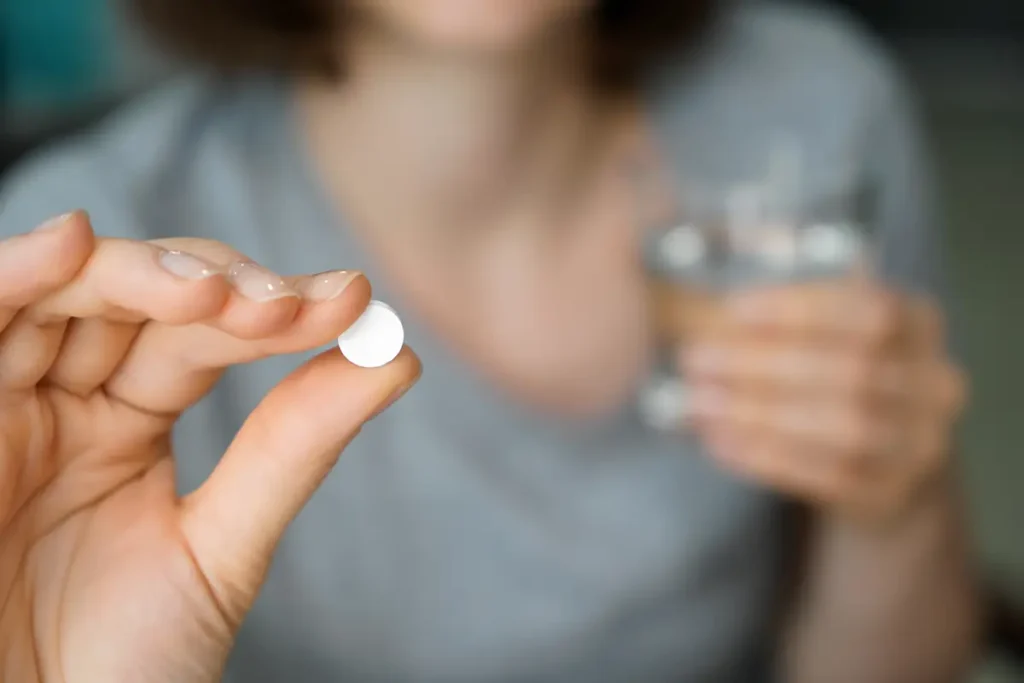
Common adult acne fixes include topical retinoids like tretinoin to unclog pores and speed cell turnover. Benzoyl peroxide kills bacteria but gets used carefully to avoid dryness. Hormonal options shine here: spironolactone blocks androgen effects and cuts breakouts significantly, often better than antibiotics alone. Certain birth control pills regulate cycles too.[1][2][3][4]
Oral antibiotics help short-term for inflammation, but doctors prefer hormonal therapies long-term to dodge resistance issues. For tough cases, isotretinoin clears skin deeply, though it needs monitoring.[3][4][6]
Procedures like chemical peels exfoliate scars, phototherapy zaps bacteria with light, and clascoterone cream fights hormones right on the skin without body-wide effects.[2][3][5]
Do not mix up adult acne with rosacea, which looks similar but flares with triggers like heat or spicy food. Rosacea needs anti-inflammatory creams, trigger avoidance, and low-dose antibiotics, not strong acne meds that worsen redness.[1]
Seeing a dermatologist matters. They check your skin type, history, and triggers for a custom plan. Over-the-counter stuff helps mild cases, but pros combine therapies for real results without irritation.[2][6]
Sources
https://www.woodsidemd.com/post/adult-acne-or-rosacea-why-the-difference-matters-more-than-you-think
https://www.chevychasedermatology.com/blog/acne-treatments/adult-acne-vs-teen-acne-why-breakouts-dont-always-end-after-high-school
https://www.tuftsmedicine.org/about-us/news/acne-over-30
https://pmc.ncbi.nlm.nih.gov/articles/PMC12691598/
https://www.carecredit.com/well-u/health-wellness/acne-treatment-cost-and-dermatology-financing/
https://renotahoederm.com/when-its-time-to-see-a-dermatologist-for-acne-in-reno-nv/