Why Adult Acne Is So Hard to Treat
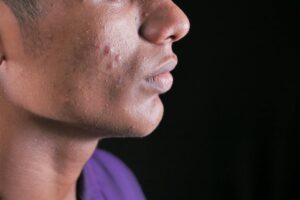
Adult acne hits people well past their teenage years, often in their 30s, 40s, or later. It shows up as stubborn pimples, cysts, or blackheads around the jawline, chin, or cheeks. Unlike teen acne, which usually fades with time, adult acne sticks around and fights back against common treatments[1][2][3].
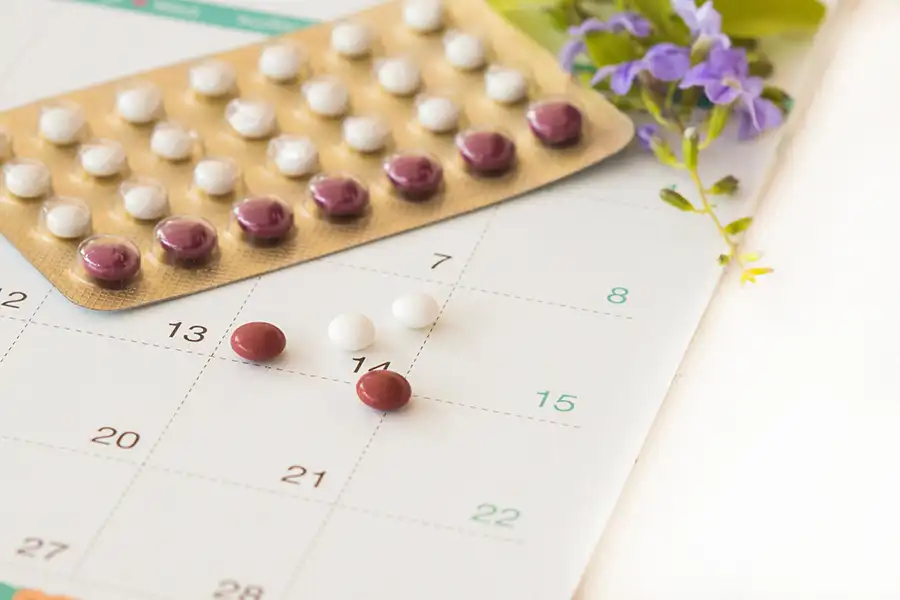
One big reason it is tough to treat comes from hormones. In adults, especially women, androgens like testosterone stay active or spike due to things like menstrual cycles, birth control changes, pregnancy, or conditions such as polycystic ovarian syndrome (PCOS), hypothyroidism, or adrenal issues. These hormones tell oil glands in the skin to make more sebum, that thick oil that clogs pores and feeds bacteria. The extra oil mixes with dead skin cells, trapping bacteria like Propionibacterium acnes inside follicles. This leads to swelling, redness, and painful breakouts that do not respond well to basic cleansers or spot treatments[1][2][3].
Stress makes it worse by pumping out cortisol, another hormone that boosts oil production and inflammation. Lack of sleep does the same by messing with hormone balance. Then there are hidden triggers like certain medications, heavy makeup, or skincare products that clog pores without you realizing it. Overwashing the face can even damage the skin barrier, causing more oil to compensate and spark new pimples[1][3].
Adult skin adds another layer of trouble. It tends to be thinner and more sensitive than teen skin, so strong treatments like harsh scrubs, benzoyl peroxide, or retinoids can irritate it, leading to dryness, peeling, or rebound breakouts. What works for a teenager might cause too much redness or stinging in someone older[1].
Diet plays a sneaky role too. Foods high in sugar, dairy, or with a high glycemic index spike insulin and androgens, ramping up oil and inflammation. A low-glycemic diet helps some people by steadying these levels, but results vary and take time to show[1][2][3].
Gut health and overall inflammation matter as well. Issues like poor microbiome balance or insulin resistance link to acne in many cases, but they are hard to spot without tests. Standard creams or pills often treat the surface while these deeper problems keep fueling new spots[4].
Treatments fail fast because adult acne has so many overlapping causes. A simple over-the-counter cream might clear bacteria but ignore raging hormones. Antibiotics kill germs yet lead to resistance or gut issues over time. Doctors need to test for hormone levels, check diets, and track stress to build a full plan with topicals, pills, or even lifestyle tweaks. Without fixing the root, pimples keep coming back, sometimes leaving scars[2][3][4].
Seeing a dermatologist early helps. They can spot if PCOS or another condition drives it and prescribe targeted fixes like hormone regulators or gentler options suited for mature skin[2][3].
Sources
https://www.advanceddermatologypc.com/conditions/acne/
https://www.medicaldaily.com/hormonal-acne-adults-acne-causes-skin-hormones-explained-474128
https://www.tuftsmedicine.org/about-us/news/acne-over-30
https://www.kcnaturopathic.com/acne
https://www.pharmacytimes.com/view/the-educated-patient-clearing-up-acne