# Why Adult Acne Is Becoming More Common
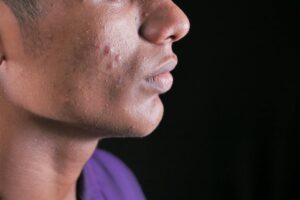
Acne used to be thought of as a teenage problem. Young people dealing with hormonal changes and oily skin were the ones expected to struggle with breakouts. But that picture has changed dramatically over the past several years. Today, acne affects approximately 45 percent of adults aged 20 to 40, making it far more than just a condition of adolescence.
The shift is significant enough that skincare companies and dermatologists have taken notice. Brands are now creating specialized product lines designed specifically for mature skin dealing with acne. The adult acne market has grown into a 4.1 billion dollar segment, reflecting how common the problem has become among working professionals, parents, and other adults who never expected to deal with breakouts in their thirties and forties.
Several factors are driving this increase in adult acne. Stress and pollution rank among the most significant contributors. Modern life brings constant pressure from work, finances, and personal responsibilities. At the same time, air quality in many urban areas has declined, exposing skin to more pollutants than previous generations experienced. These environmental and lifestyle factors create conditions where acne thrives, even in people whose skin cleared up years ago.
Hormonal fluctuations also play a major role, particularly for women. Adult women are increasingly reporting acne as a persistent concern, often linked to hormonal changes throughout their monthly cycles, pregnancy, and other life stages. This hormonal component means that adult acne can be just as stubborn and recurring as teenage acne, sometimes requiring long-term management rather than temporary treatment.
The prevalence is striking when you look at the numbers. Studies show that acne affects about 50 million Americans annually. Approximately 85 percent of people aged 12 to 24 experience some form of acne, but the condition doesn’t stop there. Research indicates that acne can persist into adulthood for up to 50 percent of individuals who had it as teenagers, meaning they face years of ongoing treatment and management.
Beyond the physical symptoms, adult acne carries significant psychological weight. People dealing with breakouts in their twenties, thirties, and beyond often experience anxiety and depression related to their skin condition. The social and psychological impact is substantial, affecting confidence at work, in relationships, and in social situations. This mental health component has made acne treatment an increasingly important healthcare concern rather than just a cosmetic issue.
The market response reflects how seriously the problem is being taken. The global acne treatment market is projected to reach 13.35 billion dollars by 2027, growing at a rate of 4.9 percent annually. Companies are investing heavily in research and development to create more effective solutions. Innovations include combination formulas that use multiple active ingredients, microbiome-balancing serums, and smart treatment devices. Ingredients like salicylic acid, niacinamide, and retinoids have become industry standards as companies work to prove their products actually work.
Consumer behavior has shifted as well. Adults are no longer relying solely on basic cleansers and creams. Instead, they are seeking dermatologist-recommended solutions and customized treatment regimens tailored to their specific skin type and acne severity. Online communities and social media have educated consumers about active ingredients and treatment options, empowering them to seek professional help rather than accepting acne as inevitable.
The rise of telehealth services for dermatological consultations has also made treatment more accessible. People in rural areas and those with busy schedules can now consult with dermatologists online, expanding the reach of professional acne management beyond traditional office visits.
What makes adult acne particularly challenging is that it often requires different approaches than teenage acne. Adults need solutions that address acne while also preventing premature aging, since aggressive acne treatments can damage skin over time. This has led to the development of hybrid formulations that combine acne-fighting actives with anti-aging benefits and skin-barrier repair properties.
The bottom line is that adult acne is no longer rare or unexpected. It is a widespread condition affecting millions of people in their prime working and social years. The combination of stress, pollution, hormonal factors, and other modern lifestyle elements has made acne a persistent challenge for adults. As awareness grows and more people seek treatment, the market continues to expand with new products and solutions designed specifically for this growing population.
Sources
https://www.certifyhealth.com/market-study/explore-2025-dermatology-market-trends/
https://www.intelmarketresearch.com/skincare-s-for-acne-prone-skin-market-22968
https://www.mordorintelligence.com/industry-reports/acne-therapeutics-market
https://www.intelmarketresearch.com/acne-improving-skincare-s-market-22970
https://www.24marketreports.com/life-sciences/global-medications-usedacne-treatment-forecast-market