
Acne treatment abroad requires careful safety research because the regulatory standards, approved medications, and clinical oversight governing dermatological care vary dramatically from one country to another. What is considered a routine prescription in one nation may be banned, counterfeit, or administered without proper medical supervision in another. A patient who travels to Mexico, Thailand, or South Korea for affordable acne treatment, for example, may encounter clinics dispensing isotretinoin without the pregnancy monitoring protocols required in the United States, or they may receive chemical peels at concentrations that would require a licensed dermatologist back home. The consequences range from allergic reactions and permanent scarring to systemic health complications that become someone else’s problem once the patient flies home. This is not an argument against seeking dermatological care outside your home country. Many countries have world-class skin clinics, board-certified dermatologists, and legitimate cost advantages.
The issue is that finding those providers requires more diligence than most people realize, and the information asymmetry between a foreign patient and a local clinic creates real risk. This article covers why regulatory gaps matter for acne patients specifically, how to vet overseas clinics and practitioners, which treatments carry the highest risk when performed abroad, what to do about follow-up care, and how to weigh the financial savings against the safety tradeoffs. The stakes are higher than many travelers expect. Acne treatments often involve systemic medications, invasive procedures, or active ingredients that require monitoring over weeks or months. Unlike a one-time cosmetic procedure, acne care is typically an ongoing relationship between patient and provider. When that relationship is severed by an international flight home, complications can go unmanaged, and the dermatologist who originally prescribed the treatment is no longer accessible for adjustments.
Table of Contents
- What Makes Acne Treatment Safety Standards Different From Country to Country?
- How to Verify Clinic Credentials and Practitioner Qualifications Overseas
- Which Acne Treatments Carry the Highest Risk When Performed Abroad?
- Weighing Cost Savings Against Follow-Up Care Realities
- The Problem of Medication Access and Prescription Continuity Across Borders
- Medical Tourism Facilitators and What They Do Not Tell You
- How Telemedicine Is Changing the Equation for Acne Patients
- Conclusion
- Frequently Asked Questions
What Makes Acne Treatment Safety Standards Different From Country to Country?
The most significant variable is drug regulation. In the United States, isotretinoin, the most powerful oral acne medication available, is governed by the iPLEDGE program, which mandates pregnancy tests, informed consent documentation, and monthly check-ins before a pharmacy will dispense the drug. In many other countries, isotretinoin is available with far fewer restrictions, and in some places it can be purchased over the counter or through loosely regulated online pharmacies. This is not inherently dangerous for every patient, but it removes the safety net that catches contraindications, drug interactions, and early side effects before they escalate. As of recent reports, the specific restrictions vary widely even among European Union member states, despite shared pharmaceutical frameworks. Beyond prescription drugs, the regulation of cosmetic procedures like chemical peels, microneedling, and laser therapy differs enormously. In the United Kingdom, for example, laser treatments historically have not required the operator to be a medical professional, though regulatory reforms have been discussed for years.
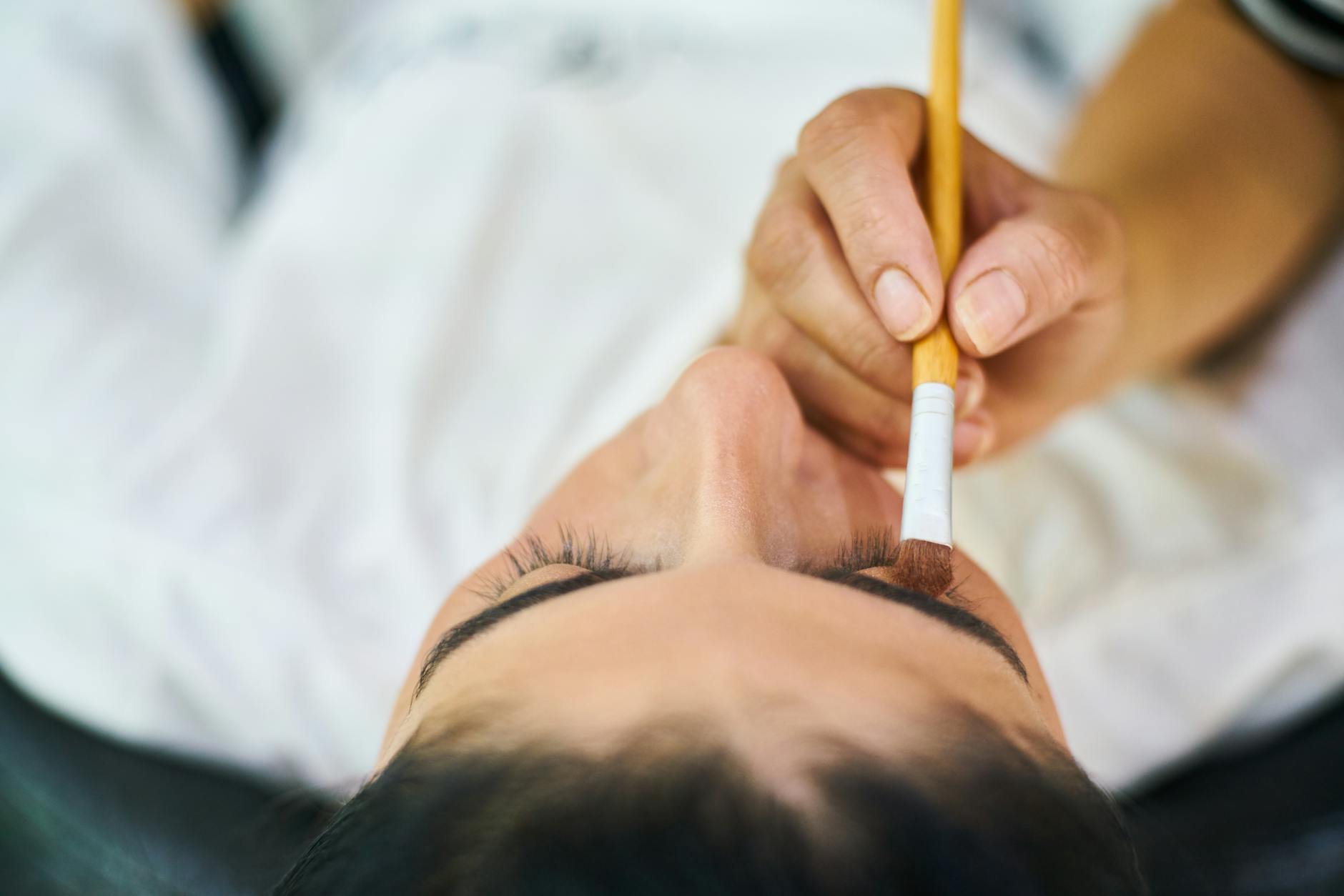
In contrast, some Australian states require practitioners to hold specific medical qualifications. For an acne patient considering abroad treatment, this means that the person operating a fractional laser on their face in one country might be a board-certified dermatologist, and in another country might be a aesthetician with a weekend certification course. Both may advertise themselves as skin care specialists. There is also the issue of product authenticity. Counterfeit skincare products and medications are a documented problem in medical tourism markets. A patient who purchases what they believe is a legitimate retinoid cream abroad may receive a product with incorrect concentrations, contaminated ingredients, or no active ingredient at all. The World Health Organization has historically estimated that a significant percentage of medications in some regions are substandard or falsified, though exact figures vary by country and product category, and this data may not be current.
How to Verify Clinic Credentials and Practitioner Qualifications Overseas
The first and most important step is identifying whether the country you are considering has a centralized medical licensing registry that is publicly searchable. Many countries do. south Korea’s Ministry of Health and Welfare, for instance, maintains records of licensed medical practitioners, and Thailand’s Medical Council of Thailand offers a verification system. If you cannot independently verify that a specific dermatologist holds a current, valid license through an official government or medical board database, that is a significant red flag, regardless of how polished the clinic’s website appears. However, a valid medical license alone does not guarantee expertise in dermatology, much less in the specific acne treatment you are seeking. In some countries, any licensed physician can legally perform cosmetic dermatological procedures without specialized training. Ask directly about board certification or fellowship training in dermatology, and verify those credentials independently.
Clinic websites frequently overstate qualifications. A provider described as a “skin specialist” or “aesthetic doctor” may not have completed a dermatology residency. If you cannot read the local language well enough to navigate official credential databases, that itself is a warning sign about your ability to navigate the treatment process safely. Patient reviews and before-and-after galleries have obvious limitations. Reviews can be fabricated, and galleries are curated to show best outcomes. A more useful approach is to look for the clinic’s affiliations with recognized medical institutions or international accreditation bodies. Joint Commission International accreditation, while not a guarantee of quality, indicates that a facility has voluntarily submitted to external review against established patient safety standards. If a clinic does not hold any recognized accreditation and cannot provide verifiable physician credentials, the cost savings are unlikely to justify the risk, particularly for treatments involving systemic medications or invasive procedures.
Which Acne Treatments Carry the Highest Risk When Performed Abroad?
isotretinoin therapy tops the list. This drug is remarkably effective for severe and treatment-resistant acne, but it carries well-documented risks including birth defects, liver enzyme elevation, mood changes, and musculoskeletal side effects. The medication requires blood monitoring, typically monthly, throughout the course of treatment. A patient who begins isotretinoin abroad and returns home faces the challenge of either finding a local dermatologist willing to assume management of a treatment they did not initiate, or attempting to continue the medication without proper monitoring. Neither scenario is ideal. Some dermatologists will refuse to take over mid-course isotretinoin management from an unknown foreign provider due to liability concerns. Chemical peels at medical-grade concentrations represent another elevated risk category.
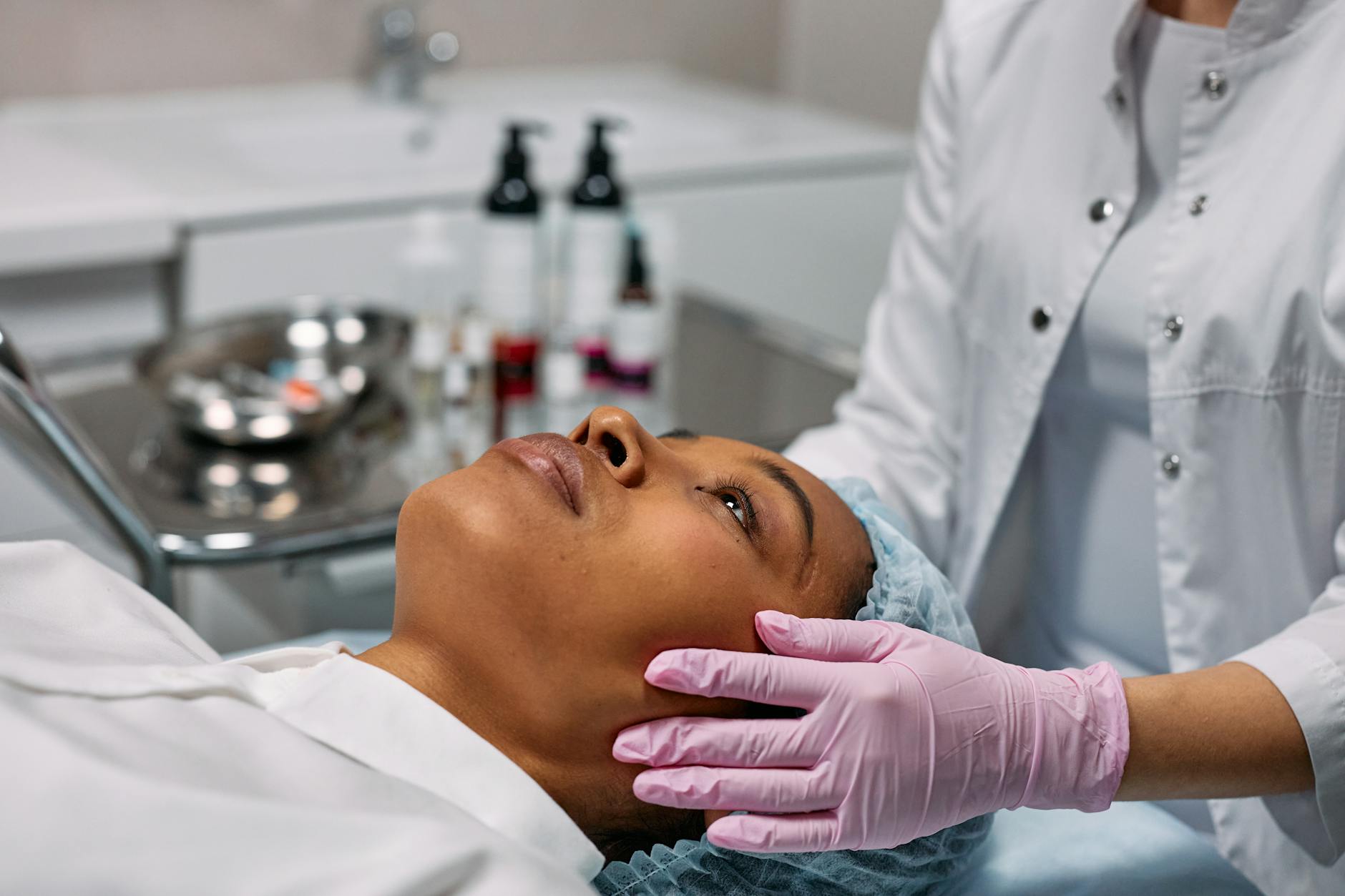
Trichloroacetic acid peels and deep phenol peels can cause permanent hyperpigmentation, scarring, or chemical burns when applied incorrectly or to inappropriate skin types. The Fitzpatrick skin type classification matters enormously for peel selection, and a provider unfamiliar with your specific skin characteristics, or one who applies a one-size-fits-all protocol, can cause lasting damage. A patient with darker skin who receives an aggressive peel calibrated for lighter skin tones may develop post-inflammatory hyperpigmentation that is worse than the original acne. Laser and light-based therapies, including fractional CO2 laser and intense pulsed light, also warrant caution. These devices require proper calibration, appropriate patient selection, and post-procedure care protocols. When the procedure is performed in one country and the recovery happens in another, complications like infection, prolonged redness, or textural irregularities may go unaddressed during the critical healing window. Subcision, cortisone injections for cystic acne, and platelet-rich plasma treatments round out the list of procedures where overseas administration meaningfully increases risk.
Weighing Cost Savings Against Follow-Up Care Realities
The financial appeal of acne treatment abroad is real and understandable. Dermatology consultations in the United States can cost several hundred dollars without insurance, and a course of isotretinoin with required monthly labs and office visits can run into thousands of dollars out of pocket. In countries like India, Mexico, or Turkey, the same consultation and medication may cost a fraction of that amount. For patients without adequate insurance coverage, the math appears compelling on paper. The hidden cost is continuity of care. Acne treatment, especially for moderate to severe cases, is not a single transaction.
It is a process that unfolds over months, sometimes requiring medication adjustments, management of side effects, or changes in approach when initial treatments fail. If you begin a treatment protocol abroad and return home, you will need a local provider to continue your care. That provider may not agree with the approach taken overseas, may want to start over with their own diagnostic workup, or may simply be unavailable on short notice when a side effect emerges. The money saved on the initial treatment can be consumed quickly by duplicate consultations, new lab work, and the cost of managing complications that might have been prevented with continuous oversight. A more realistic comparison accounts for the total cost of the treatment arc, not just the initial visit. If a course of treatment requires six monthly follow-ups, and you can only attend the first one in person abroad, the savings on that single visit may be offset by the logistical and medical costs of the remaining five. For patients considering a single procedure, like scar treatment with fractional laser, the calculus is different, but even then, at least one follow-up visit at the original clinic is generally advisable to assess healing and determine whether additional sessions are needed.
The Problem of Medication Access and Prescription Continuity Across Borders
One of the most common complications of acne treatment abroad is the prescription gap. A patient receives a prescription from a foreign dermatologist for a medication that works well, returns home, and discovers that their domestic physician will not simply continue the prescription based on another doctor’s orders from a different country. This is not bureaucratic stubbornness. Physicians have legitimate liability concerns about prescribing medications they did not initiate, particularly controlled or high-risk drugs like isotretinoin, and domestic regulations may require their own diagnostic process before prescribing. There is also the issue of drug formulation differences.
The same active ingredient may be available in different concentrations, delivery mechanisms, or brand formulations across countries. A topical retinoid prescribed abroad may not have an exact equivalent domestically, or the closest equivalent may require a different application protocol. Patients sometimes attempt to bridge this gap by purchasing medications online from international pharmacies, which introduces its own set of risks around product authenticity, shipping conditions that may degrade temperature-sensitive formulations, and legal issues around importing prescription medications. The safest approach, if you do begin acne treatment abroad, is to obtain complete medical records, lab results, photographs, and a detailed treatment plan in writing from your overseas provider before you leave. Having this documentation in hand significantly increases the likelihood that a domestic dermatologist will be willing to continue your care. Without it, you may find yourself effectively starting from scratch.
Medical Tourism Facilitators and What They Do Not Tell You
A growing industry of medical tourism companies and facilitators connects patients with overseas clinics, often offering package deals that include travel, accommodation, and treatment. These facilitators are typically marketing companies, not medical providers. Their revenue comes from commissions paid by clinics for patient referrals, which creates an incentive structure that does not always align with patient safety. A facilitator is unlikely to steer you away from a high-commission clinic toward a lower-commission competitor, even if the latter has better clinical outcomes.
If you use a facilitator, understand that they are not liable for your medical outcomes in most jurisdictions. Ask who selects the clinics in their network and on what criteria. Ask whether they track patient outcomes and complication rates. Ask what happens if something goes wrong after you return home. The answers, or the inability to provide them, will tell you a great deal about whether the facilitator is a useful concierge service or simply a middleman adding a layer of opacity between you and your provider.
How Telemedicine Is Changing the Equation for Acne Patients
The rapid expansion of teledermatology, accelerated in recent years, is beginning to alter the risk-benefit analysis of seeking acne treatment abroad. Patients now have access to board-certified dermatologists in their home country via video consultation at price points that are often lower than in-person visits, though availability and insurance coverage vary by region. For many acne patients, particularly those with mild to moderate cases, teledermatology may offer the cost savings they were seeking abroad without the regulatory uncertainty and follow-up gaps.
This does not eliminate the case for overseas treatment entirely. Procedural treatments like laser therapy and chemical peels cannot be performed remotely, and some patients may still find significant value in traveling to a specialist with particular expertise. But for the large subset of acne patients whose primary need is a prescription and ongoing management, the domestic telemedicine option is worth exploring before booking a flight. The field is still evolving, and access to teledermatology services in rural or underserved areas remains inconsistent, but the trajectory is toward broader availability and lower cost.
Conclusion
Seeking acne treatment abroad is a legitimate option that can provide access to skilled dermatologists at lower costs, but it demands a level of research and preparation that goes well beyond choosing a well-reviewed clinic on a travel forum. The core risks are regulatory inconsistency in drug approval and practitioner licensing, the difficulty of maintaining treatment continuity across international borders, the potential for counterfeit or substandard medications, and the limited recourse available when complications arise far from the treating provider. Each of these risks can be mitigated, but none of them can be ignored. The practical steps are straightforward even if they require effort: verify practitioner credentials through official government databases, confirm clinic accreditation, research the specific regulatory environment for your intended treatment in the destination country, plan realistically for follow-up care at home, and obtain thorough medical documentation before departing.
Weigh the total cost of the treatment arc rather than just the initial visit price. And consider whether domestic alternatives, including teledermatology and sliding-scale clinics, might close the cost gap enough to make the overseas trip unnecessary. Safety research is not an obstacle to getting treatment. It is the foundation for getting treatment that actually works.
Frequently Asked Questions
Can I bring prescription acne medication purchased abroad back to my home country?
Rules vary by country. In the United States, the FDA generally allows individuals to bring back a personal supply of medication, typically up to 90 days’ worth, but the medication must be for personal use and in its original packaging. Some medications that are legal abroad may be restricted or banned domestically. Check your home country’s customs and drug importation regulations before purchasing medication overseas.
Will my health insurance cover complications from acne treatment I received in another country?
Most standard health insurance plans will cover emergency treatment for complications regardless of where the original procedure was performed, but they may not cover elective follow-up care related to a foreign procedure. Some insurers explicitly exclude coverage for complications arising from medical tourism. Review your policy language or call your insurer before traveling.
How do I find out if a specific acne medication is approved in another country?
Most national drug regulatory agencies maintain searchable databases of approved medications. The European Medicines Agency, Health Canada, Australia’s Therapeutic Goods Administration, and similar bodies in other countries publish these registries online. If you cannot find a medication in the destination country’s approved drug database, treat that as a significant concern.
Is it safe to get isotretinoin abroad without the iPLEDGE program requirements?
Isotretinoin itself is the same molecule regardless of where it is prescribed, but the monitoring protocols exist for documented medical reasons. Pregnancy prevention measures protect against severe birth defects, and blood monitoring catches liver and lipid abnormalities before they become dangerous. Skipping these safeguards saves time and hassle but meaningfully increases your medical risk. If a foreign provider prescribes isotretinoin without any monitoring protocol, that should raise serious concerns about their standard of care.
What should I do if I experience a bad reaction to acne treatment I received overseas?
Seek medical attention locally and immediately. Bring any documentation you have from the overseas provider, including the treatment plan, product names, and concentrations used. Contact the overseas clinic to report the complication and request guidance, but do not delay local treatment while waiting for a response. Document everything with photographs and written records, as this will be important if you pursue a complaint or legal action later.