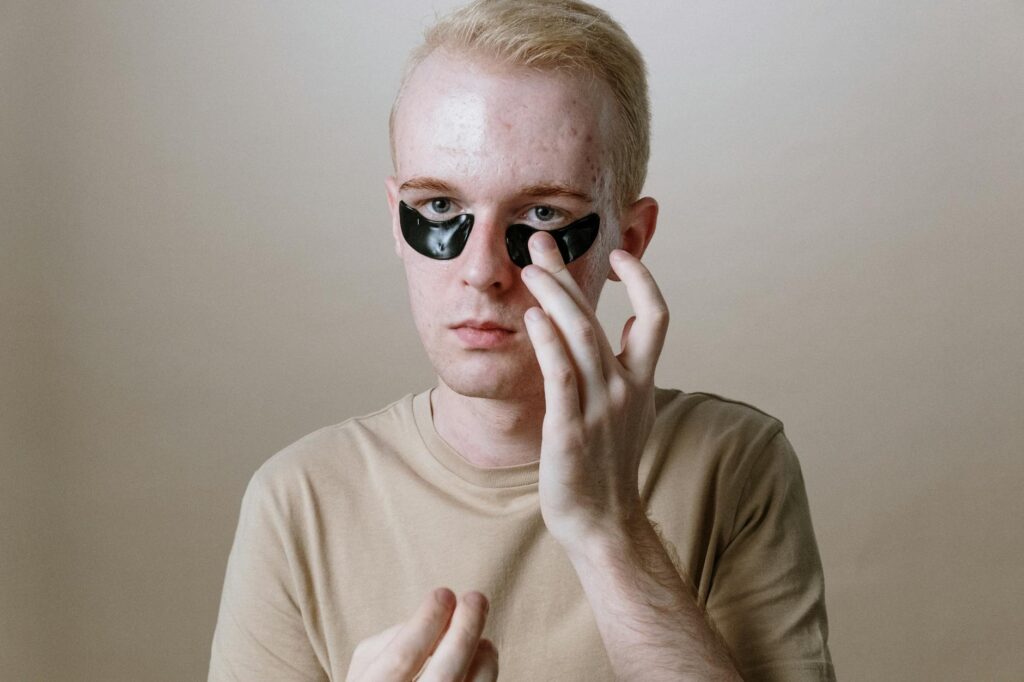
Acne scar treatment in 2035 will look fundamentally different from today, not because of a single breakthrough, but because of a systematic shift from one-size-fits-all laser procedures to personalized, multi-layered treatment protocols that combine energy devices, regenerative biologics, and AI-assisted diagnostics. Where someone with icepick scars in 2024 might undergo eight sessions of fractional laser alone, a 2035 patient with the same scarring pattern could complete their treatment in four sessions using a hybrid laser-radiofrequency platform paired with growth-factor injectables and topical biologics—achieving better results with less downtime and fewer side effects across all skin types.
This shift isn’t speculative; the foundation is already being laid in 2025-2026 with proven hybrid technologies now entering standard practice. The transformation stems from three parallel advances: hybrid energy platforms that address multiple scar layers simultaneously rather than sequentially, regenerative injectables that stimulate the skin’s own repair mechanisms instead of just temporarily filling depressions, and real-time adaptive devices that map individual scar architecture and adjust treatment on the fly. This article explores what’s changing, why it matters for different scar types, and what you should expect when seeking treatment in the coming decade.
Table of Contents
- How Hybrid Laser-Radiofrequency Platforms Are Replacing Single-Modality Treatments
- Regenerative Injectables and Growth Factors Intervening During Healing
- Stem Cells, Exosomes, and Growth Factors Reshaping Scar Biology
- Adaptive Fractional Lasers and Real-Time Feedback Technology
- Safety Improvements and Recovery Across Different Skin Types
- 3D Bioprinting and Custom Scar-Matched Tissue Engineering
- The Personalized Medicine Revolution and AI-Assisted Scar Diagnostics
- Conclusion
How Hybrid Laser-Radiofrequency Platforms Are Replacing Single-Modality Treatments
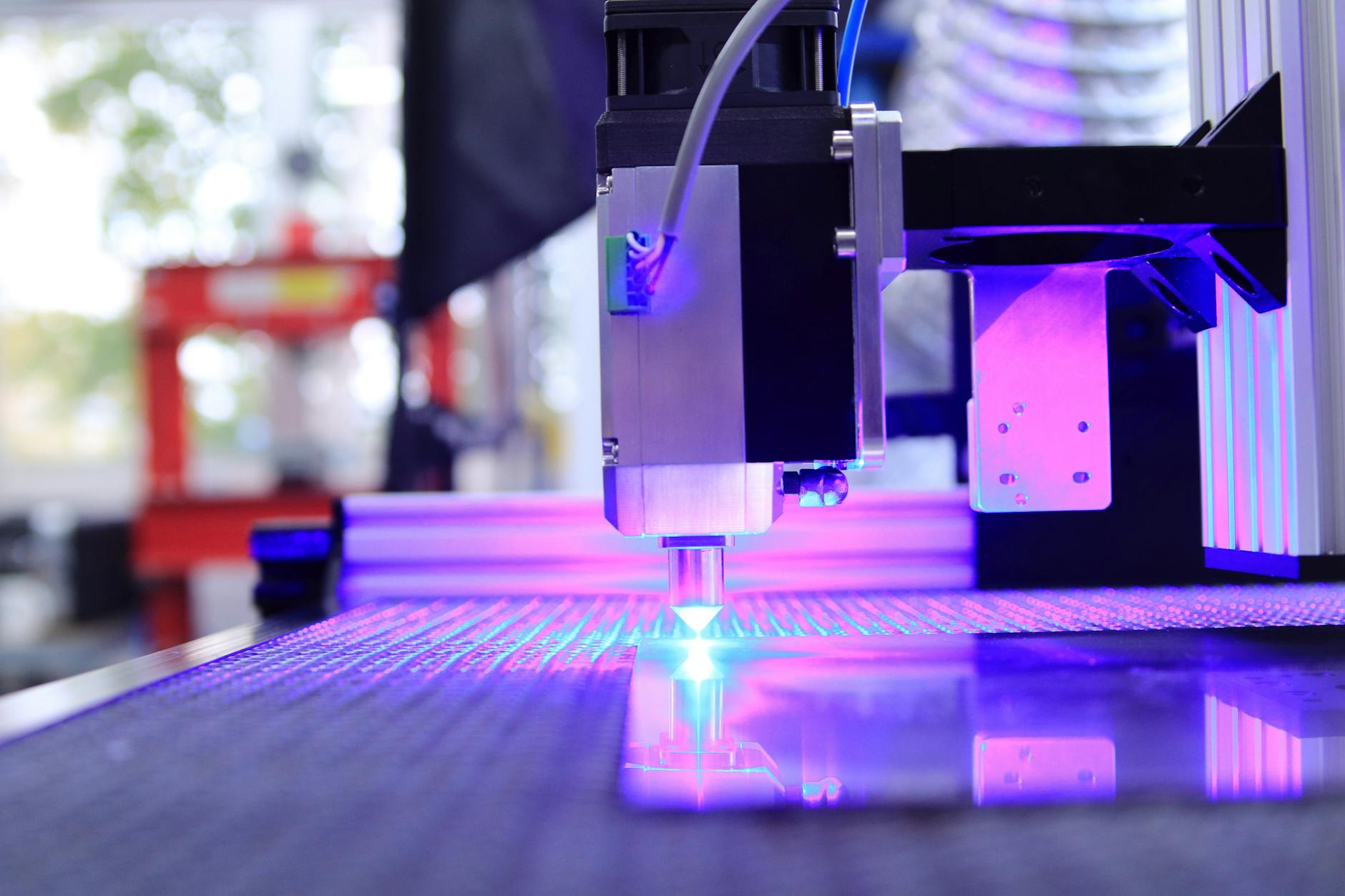
The standard acne scar treatment of 2024—repeated sessions of ablative fractional CO2 laser—is giving way to combination systems that pair fractional laser with radiofrequency microneedling in a single device or coordinated protocol. These hybrid platforms address a fundamental limitation of traditional lasers: they treat primarily one layer of the skin and one type of scarring mechanism. A boxcar scar involves both epidermal changes and deeper dermal fibrosis; targeting only one layer means either incomplete results or excessive trauma to achieve results. By contrast, 2026 hybrid systems can address the surface texture, the mid-dermal collagen architecture, and the underlying fat loss in coordinated passes. Clinical data from a 2023 comparative study shows the efficacy gap clearly: patients receiving alternating ablative fractional laser combined with microneedling radiofrequency achieved “much improved or very much improved” results in 82.6% of cases, versus 60.9% for ablative laser monotherapy.
That 22-percentage-point difference is not marginal—it means fewer non-responders, fewer patients requiring additional procedures, and fewer leaving treatment dissatisfied. By 2035, single-modality treatments will be seen as outdated for moderate-to-severe scarring, much as single antibiotic therapy is now rare for complex infections. The practical implication is recovery profile. Hybrid treatments still require downtime, but because they achieve results more efficiently, the cumulative recovery burden across a full treatment course drops significantly. A patient might experience five to seven days of visible erythema after a hybrid session versus seven to ten days for traditional laser, but they’ll need three sessions instead of six. That’s roughly 15-21 days of total recovery versus 42-60 days—a meaningful difference for working professionals.
Regenerative Injectables and Growth Factors Intervening During Healing
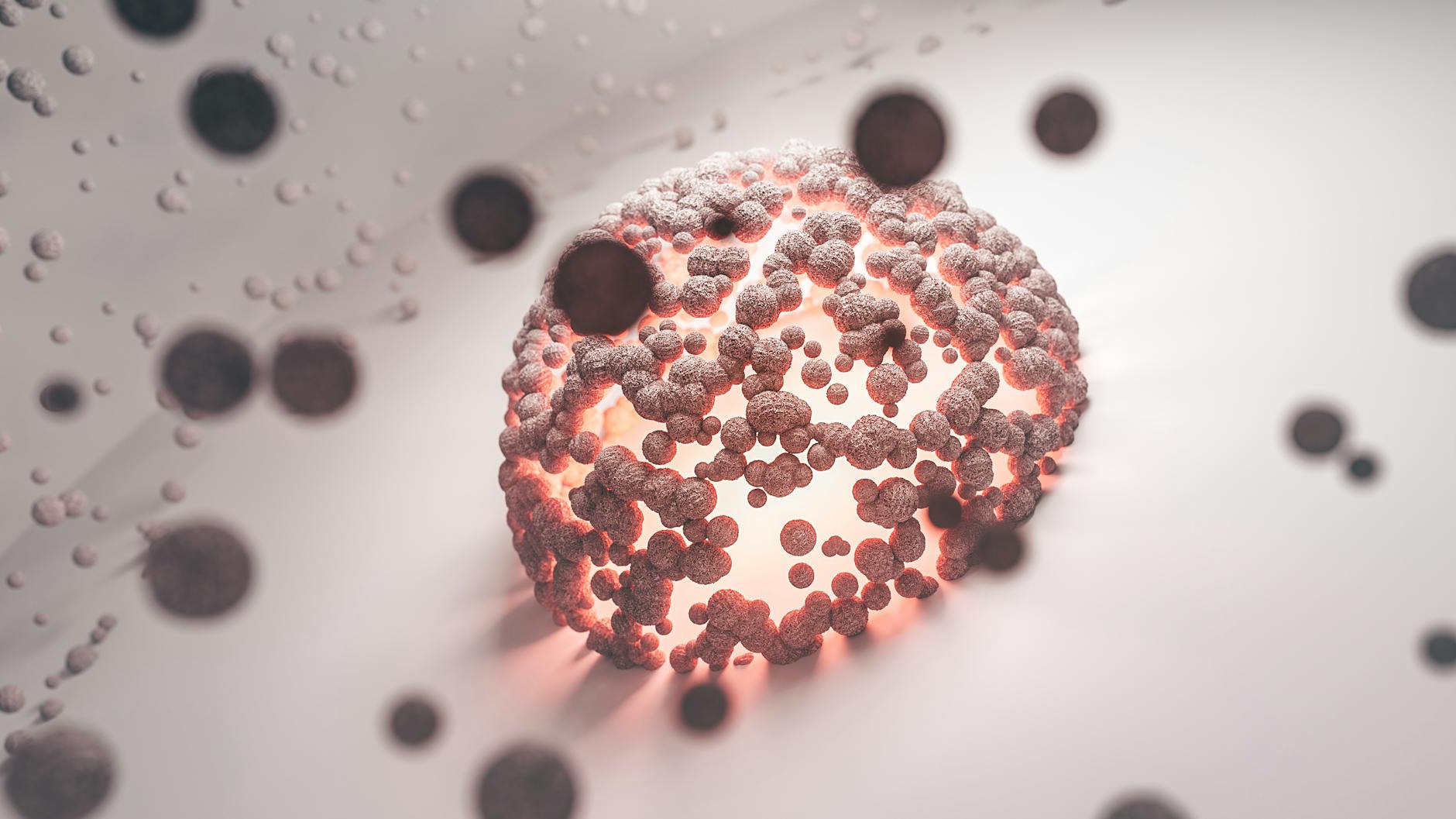
A foundational limitation of current scar treatments is that they rely primarily on wound remodeling: you create controlled trauma and hope the healing response rebuilds tissue better than the original scar. This approach works but leaves results unpredictable, particularly in patients prone to keloids or those with darker skin types who often experience more post-inflammatory hyperpigmentation or hypertrophic responses. Emerging regenerative injectables take a different approach—they intervene biochemically during the healing stage to actively steer tissue repair toward normal collagen architecture rather than scar formation. New poly-L-lactic acid (PLLA) and modified hyaluronic acid formulations now being used in 2026 focus on tissue quality improvement rather than mere volume filling. Where older fillers like silicone or traditional collagen temporarily plumped a depressed scar, these newer regenerative injectables stimulate the skin’s own fibroblasts to produce organized collagen and extracellular matrix.
The effect builds over weeks and can persist for years—not because the filler material remains, but because the tissue has been genuinely remodeled. This is a categorical difference: you’re not filling a hole; you’re coaching the skin to rebuild itself. However, this approach has limitations that 2035 practitioners will still grapple with. Regenerative injectables work best for rolling scars and mild-to-moderate depressed scars; they cannot independently address severe icepick scars or substantial fat loss, which is why they will remain adjuncts to energy-based treatments rather than standalone solutions. Additionally, the timeline is slower—results develop over two to three months, not immediately after treatment. For patients expecting instant gratification, this represents a psychological hurdle, even if the final outcome is superior.
Stem Cells, Exosomes, and Growth Factors Reshaping Scar Biology
is witnessing the emergence of topical and injectable treatments containing peptides, exosome-derived molecules, and growth factors designed to modulate the inflammatory and proliferative phases of wound healing. Rather than applying treatment after scarring has already occurred, these biologics intervene during the healing window—typically the first few weeks after acne resolves or after a laser procedure—to prevent excess collagen buildup and abnormal tissue formation in the first place. Some treatments are being tested for concurrent use with active acne to prevent scar formation before it happens. Stem cell therapy represents a more advanced frontier: clinical approaches utilizing stem cells to stimulate collagen production and rebuild skin structure are now emerging as viable regenerative options, though still primarily in research or premium clinical settings.
The mechanism is elegantly different from traditional treatments: stem cells don’t just provide growth factors; they integrate with local tissue and actively remodulate the wound healing response. Early evidence suggests stem cell approaches may be particularly effective for severe, atrophic scars in patients who have exhausted traditional options, though the cost and regulatory status remain prohibitive for widespread adoption in 2026. The implication for 2035 is a treatment sequence that bears little resemblance to today’s standard. Rather than waiting months or years for scars to mature before beginning ablative laser, dermatologists may begin growth-factor and stem-cell interventions immediately after acne clears, establish a baseline improvement through regenerative means, and then use energy devices for remaining depressions. This “prevent and layer” approach could reduce the final scar severity by 30-50% before any laser treatment even begins.
Adaptive Fractional Lasers and Real-Time Feedback Technology
Emerging fractional lasers in 2026 are moving beyond preset parameters toward adaptive systems that map scar tissue in microscopic detail and automatically adjust energy delivery, power, and depth based on the skin’s response during treatment. This represents a shift from the operator’s judgment and experience to algorithmic precision. A dermatologist can still guide the treatment, but the device itself is continuously sensing skin conductivity, thermal response, and tissue characteristics to avoid over- or under-treatment. The practical benefit is consistency and safety, particularly for challenging cases. Atrophic scars, textured scars, and rolling scars each require subtly different ablation depths and power settings to maximize improvement without causing collateral damage.
Darker skin tones require even more precision because of higher melanin content and greater susceptibility to post-inflammatory changes. Manual adjustments, even by experienced operators, introduce variability. Adaptive devices eliminate this variability; they treat each millimeter of skin according to its actual composition, not the operator’s assumption. By 2035, this will be table stakes for premium treatments—non-adaptive devices will be relegated to cost-conscious or underresourced settings. However, real-time feedback technology comes with a tradeoff: it typically extends treatment sessions by 10-15 minutes compared to traditional fractional laser, requires more sophisticated (and expensive) equipment, and demands operator training on new interfaces. These are not insurmountable barriers—they’re already being adopted in 2026—but they do mean adaptive treatments will carry a cost premium relative to standard fractional laser, at least through 2030.
Safety Improvements and Recovery Across Different Skin Types
One of the most significant changes in acne scar treatment between now and 2035 will be the dramatic improvement in safety for darker skin tones. Traditional ablative CO2 lasers, the gold standard for scar treatment, carry elevated risk of post-inflammatory hyperpigmentation and hypertrophic scarring in skin types IV-VI. This has created a two-tiered dermatology landscape where aggressive ablative treatments are routinely offered to lighter-skinned patients but withheld or used cautiously in darker-skinned patients, often resulting in inferior outcomes. Fractional radiofrequency microneedling, now gaining adoption, shows comparable efficacy to CO2 lasers with significantly milder adverse effects and shorter recovery periods, particularly for darker skin types. This shift is not merely a cosmetic improvement; it’s an equity issue finally being addressed through technology.
By 2035, treatment protocols for darker skin will no longer default to “less aggressive because of risk” but rather “optimized for safety using different modalities.” This will mean that a patient with skin type V seeking scar revision might begin with adaptive fractional radiofrequency, add regenerative injectables, and employ topical growth factors—a protocol that achieves excellent results without the historical risk of worsening hyperpigmentation. The downside is that this shift requires education and practice change. Many dermatologists trained in the 1990s and 2000s have deep experience with CO2 laser outcomes but less familiarity with radiofrequency protocols. By 2035, this expertise gap will have closed, but it remains a barrier in 2026. Additionally, radiofrequency treatments have their own complications (post-inflammatory hyperpigmentation, though less common; thermal burns if misapplied), so they’re not risk-free—they’re simply a different risk-benefit profile better suited to particular skin types.

3D Bioprinting and Custom Scar-Matched Tissue Engineering
The frontier of 2026 research, approaching clinical reality by 2035, is 3D bioprinting technology that can create custom artificial skin-like structures tailored to specific scar indentation patterns. This is not a cosmetic filler or a temporary scaffold; it’s engineered tissue that can be implanted to literally rebuild missing skin structure. A patient with a severe icepick scar leaving a 3-4mm depression could undergo imaging, have their specific scar geometry mapped, and receive a 3D-bioprinted skin construct that recreates not just depth but also dermal architecture and vascularization.
Bioprinting remains experimental and expensive in 2026, but the trajectory is clear. As manufacturing becomes faster and cost-efficient, and as regulatory pathways clarify, this technology could transform treatment of severe, refractory scars. A 2035 dermatology practice might reserve bioprinting for patients with extensive icepick scarring or scar revision failures—cases where other modalities have reached their limits.
The Personalized Medicine Revolution and AI-Assisted Scar Diagnostics
Perhaps the most transformative change by 2035 will be the integration of artificial intelligence into scar assessment and treatment planning. Currently, scar classification is subjective—a dermatologist examines scarring and assigns it a grade (mild, moderate, severe) based on visual inspection and tactile feel. This approach is prone to observer bias and lacks standardization between clinics.
AI-assisted diagnostics in 2026 are already beginning to change this: algorithms can analyze 3D imagery of scars, quantify depth and texture, identify subtle patterns, and correlate them with treatment response data from thousands of previous cases. By 2035, the standard workflow for acne scar treatment will begin with AI analysis: 3D photography, possibly supplemented with optical coherence tomography (OCT) or ultrasound imaging, feeds into an algorithm that recommends a personalized treatment protocol. Rather than “you have moderate icepick scarring, let’s do six laser sessions,” the recommendation might be “your scars show primarily dermal atrophy with surface irregularity; recommend hybrid laser-RF with concurrent PLLA injections and adjunctive topical growth factor, estimated three sessions over four months with 75% probability of ‘very much improved’ outcome.” This specificity—not just treatment type but sequencing, expected outcomes, and risk adjustment for your individual skin—represents the real shift toward precision medicine in dermatology.
Conclusion
Acne scar treatment in 2035 will differ from 2024 practice in three fundamental ways: it will be personalized rather than standardized, multimodal rather than single-device focused, and regenerative rather than purely ablative. The hybrid laser-radiofrequency platforms proving superior efficacy in 2025-2026 will be baseline technology; growth-factor injectables and topical biologics will be routine adjuncts; and adaptive devices with real-time feedback will enable precision unimaginable a decade prior. Most significantly, treatment safety and efficacy will finally reach parity across all skin types, ending a decades-long inequity where darker skin tones were offered inferior options out of caution.
If you’re considering scar treatment in the coming years, the trajectory is toward fewer, more effective sessions with less downtime and better outcomes. Seek practitioners who are already adopting hybrid modalities and combination protocols in 2026—they’re the ones operating at the leading edge of what 2035 standard of care will become. And if you have scars that other dermatologists have deemed difficult or borderline treatable, the emerging regenerative and adaptive technologies will likely expand what’s now considered possible.