Acne patients don’t delay treatment by choice—they’re caught in a web of practical barriers, financial constraints, and misconceptions about the condition itself. While a precise “3-year average” lacks documented research, the data tells a compelling story: only 30% of acne patients ever see a dermatologist, and 60% report simply accepting acne as something they have to live with.
The delay isn’t laziness or indifference; it’s the result of a healthcare system that makes professional acne treatment harder to access than many patients realize. This article examines why so many acne sufferers wait months or years before seeking professional help, what myths keep them stuck in DIY treatment limbo, and what real barriers stand between them and the care that could transform their skin and mental health. We’ll look at the cost and access challenges, the role of misinformation, and why appointment wait times alone can dissuade someone from ever calling a dermatologist in the first place.
Table of Contents
- Why Only 30% of Acne Patients See a Dermatologist
- The Real Cost and Access Barriers That Block Treatment
- The Misinformation Problem: Patients Believe Acne Is Untreatable
- Why Self-Treatment Fails and Extends the Delay
- The Mental Health Cost of Treatment Delay
- The Generational Divide in How Patients Seek Help
- Telehealth and Direct-to-Consumer Options Are Reducing Wait Times
- Conclusion
Why Only 30% of Acne Patients See a Dermatologist
The statistics are stark. According to dermatology industry surveys, just 3 in 10 acne patients have ever consulted a dermatologist for professional treatment. That means 70% of people struggling with acne are going it alone—relying on over-the-counter products, home remedies, or advice from non-medical sources. When asked why they haven’t sought professional help, 60% of acne sufferers say they simply assume they have to deal with it on their own. This acceptance of acne as an untreatable fact of life is the first barrier.
Many patients believe acne is something you manage, not something you cure. The perception that dermatology is expensive, that waiting lists are impossibly long, or that professional treatment is only for severe cases keeps the majority from ever making an appointment. For someone with moderate acne, the mental calculation often goes like this: “It’s not bad enough to justify the hassle and cost, so I’ll just use what’s available at the drugstore.” The reality is different. Dermatologists have prescription-strength treatments—retinoids, oral antibiotics, hormonal therapies, and for severe cases, isotretinoin—that work far better than over-the-counter options. But when 7 out of 10 patients never reach a dermatologist’s office, those treatments remain unknown to them, and the delay stretches on indefinitely.

The Real Cost and Access Barriers That Block Treatment
Among acne patients surveyed about barriers to care, 43% reported facing significant obstacles to accessing medical treatment. The primary culprits: cost and transportation. For uninsured or underinsured patients, even an initial dermatology consultation can be prohibitively expensive, ranging from $100 to $300 without insurance. Adding prescription costs on top of that—some acne medications cost $50 to $200 per month—makes professional treatment seem financially out of reach. Transportation adds another layer of friction, especially for teenagers and young adults without their own reliable transportation to specialized clinics.
Dermatologists aren’t as widely distributed as primary care doctors; in rural areas, the nearest dermatologist might be 45 minutes to an hour away. That might mean missing school or work, arranging a ride, and fitting multiple trips around a schedule. The emotional weight of that barrier shouldn’t be underestimated—it’s enough to make someone think, “I’ll just try one more thing online first.” Long wait times compound these barriers. Patients may have to wait 4 to 6 months just to get an initial appointment with a dermatologist in many regions. For someone with active acne right now, waiting half a year for a single appointment feels absurd when there are products to buy today. That wait becomes another reason to delay calling, to postpone making the appointment—and in six months, the acne situation may have worsened so much that the patient is either in crisis or has given up entirely.
The Misinformation Problem: Patients Believe Acne Is Untreatable
One of the most damaging myths keeping patients from professional help is the belief that acne simply can’t be prevented or treated—it’s just something you’re stuck with. Fifty-four percent of acne patients hold this belief. When you think acne is inevitable, why bother spending money and time trying to fix it? This mindset is reinforced by cultural narratives: acne is a rite of passage, it’s caused by poor hygiene or diet, it’s just hormones and you’ll grow out of it eventually. The information gaps are filled by non-medical sources. Forty-five percent of patients seek acne advice from search engines, 43% ask friends or family, and 20% turn to social media platforms like TikTok and Instagram.
While some of this advice might be decent skincare basics, it’s not a substitute for professional diagnosis and treatment. A dermatologist can identify whether someone has hormonal acne, bacterial acne, fungal acne, or acne caused by medications or products—distinctions that completely change the treatment approach. But if you’re getting advice from TikTok creators or friends who say “just use this charcoal mask,” you’ll never know you need something else entirely. Social media compounds the problem. Instagram and TikTok are filled with people selling skincare products with testimonials about how they fixed acne without going to a doctor. These anecdotal success stories feel more relatable than clinical research, so people try product after product, delaying the moment when they’d admit that professional help is necessary.
Why Self-Treatment Fails and Extends the Delay
Over-the-counter acne treatments contain benzoyl peroxide, salicylic acid, or azelaic acid—all legitimate ingredients with clinical backing. The problem is their limited potency. Benzoyl peroxide at 2.5% or 5% strength (typical OTC levels) is weaker than prescription formulations, and it works best for mild comedonal acne. For inflammatory acne, moderate cases, or any acne that doesn’t respond within 6-8 weeks, OTC products simply aren’t strong enough.
Here’s where the delay extends itself: a patient tries an OTC product, sees modest improvement or no improvement, assumes they’ve tried “everything,” and then waits months before revisiting the problem. They might rotate through different drugstore brands, each time thinking “maybe this one will work better.” Meanwhile, acne scars are forming, self-esteem is declining, and the condition persists. The delay from “first OTC purchase” to “finally calling a dermatologist” can easily stretch to a year or more, all because they didn’t know prescription options existed or assumed they were reserved for severe cases. A dermatologist would prescribe something like tretinoin (retinoic acid) or an oral antibiotic like doxycycline—medications proven far more effective than anything at the drugstore for most acne patients. But you can’t try these without professional help, and if you’re still in the mindset that acne treatment means benzoyl peroxide and a face wash, you’ll never get there.
The Mental Health Cost of Treatment Delay
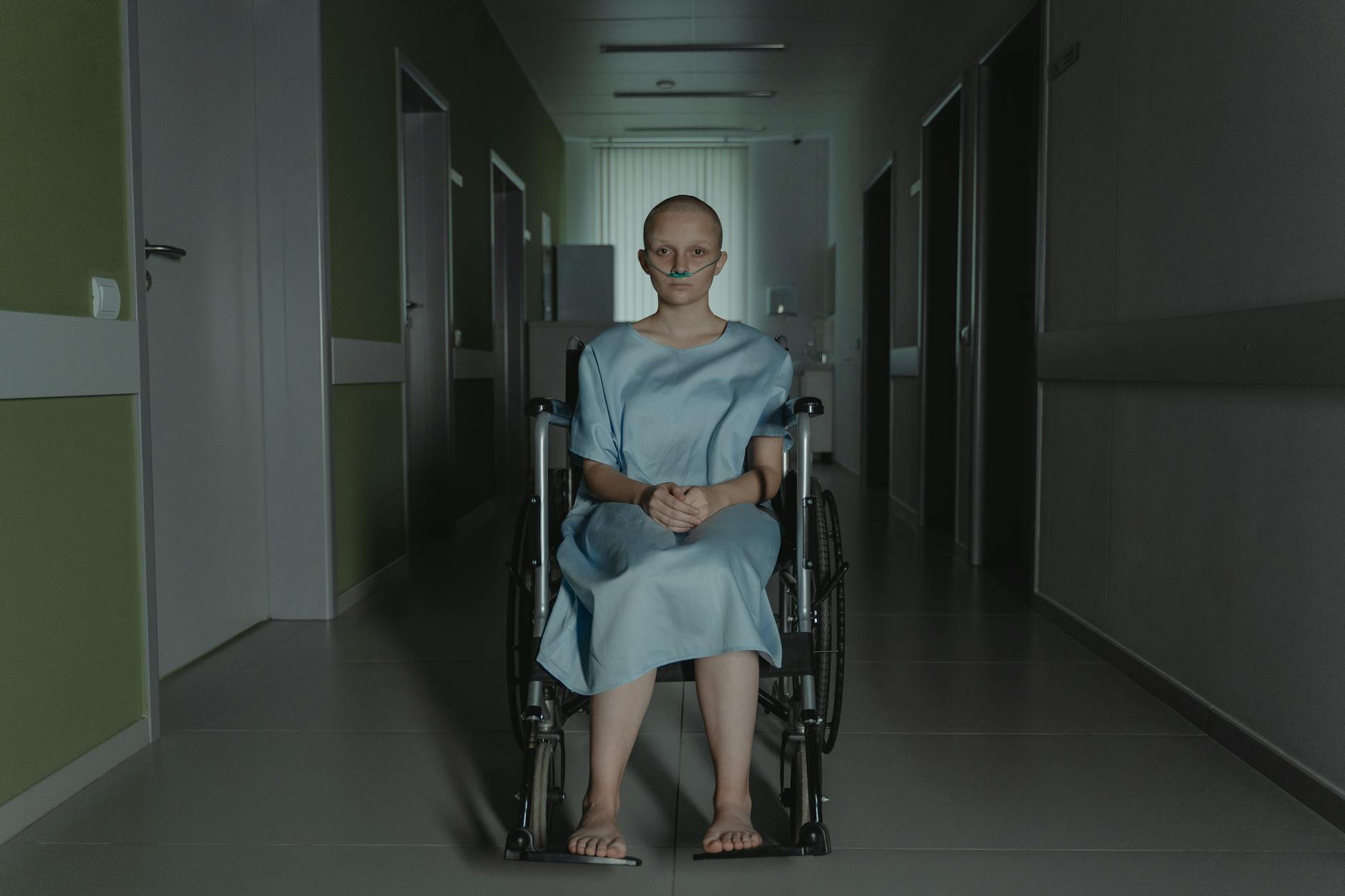
While patients delay professional treatment, acne’s psychological toll accumulates silently. Untreated acne doesn’t just affect skin; it correlates with anxiety, depression, and social withdrawal, particularly in teenagers and young adults. The longer someone goes without effective treatment, the deeper the psychological impact becomes. Someone who might have had 6 months of moderate acne if treated early might instead have years of stress, avoided social situations, and worsening mental health.
This psychological impact can paradoxically reinforce the delay. Someone depressed about their acne may feel too discouraged to make a phone call to a dermatologist, may convince themselves that it’s not worth the effort, or may simply feel too embarrassed to be seen in public to attend an appointment. The condition itself becomes a barrier to seeking help. This is a critical limitation of relying on patients’ self-direction: acne isn’t just a skin condition, and delaying treatment isn’t a neutral decision. It carries real mental health consequences that compound over time.

The Generational Divide in How Patients Seek Help
Younger patients—Gen Z—are more likely to turn to social media for health advice, with 20% of acne patients citing TikTok and Instagram as their primary source of treatment information. This age group is also less likely to use traditional healthcare; they might never call a dermatologist because they don’t see anyone around them doing so. Their parents might not have needed dermatology growing up, so they don’t recommend it.
Instead, they grow up watching influencers promote the latest supplement or skincare routine. Older patients sometimes delay for different reasons: they may feel acne is a young person’s problem and not worth the doctor visit, or they’ve developed skin conditions that require a dermatologist but don’t realize it. A 30-year-old with sudden acne onset (possibly hormonal or medication-related) might not know that pattern matters—that acne starting in adulthood often requires different treatment than persistent teenage acne. They wait, hoping it will resolve on its own, wasting months that could have been spent on effective treatment.
Telehealth and Direct-to-Consumer Options Are Reducing Wait Times
The traditional barriers to dermatology—cost, transportation, wait times—are slowly eroding thanks to telehealth platforms and online dermatology services. These services allow patients to photograph their skin, consult with a dermatologist via video or messaging, and receive prescriptions without waiting 6 months for an in-person appointment. For mild to moderate acne, this is often sufficient and significantly cheaper than an in-person visit.
While telehealth isn’t perfect—severe acne or cases requiring in-person assessment still need a dermatologist in the room—it’s removing one major barrier to professional treatment. As these services become more accessible and insurance plans begin covering them, the delay between symptom and treatment should narrow. The patient who would have waited a year through multiple OTC products can now get professional guidance in weeks.
Conclusion
The delay in acne treatment isn’t driven by patient laziness but by real structural barriers: cost, limited access, wait times, and widespread myths about acne being untreatable. Seventy percent of patients never see a dermatologist, not because they don’t care about their skin, but because they don’t know effective alternatives exist or because those alternatives feel financially or logistically out of reach. The belief that acne is something to endure rather than treat, combined with the abundance of unreliable information from social media and friends, keeps people stuck in the OTC cycle far longer than necessary.
If you’ve been struggling with acne for months or years, understanding these barriers might clarify why professional help feels so distant. Reach out to a dermatologist—whether in person or via telehealth—as a first step. The cost of waiting longer often exceeds the cost of treatment itself, especially when considering the mental health impact and the scars that form from untreated acne over time.