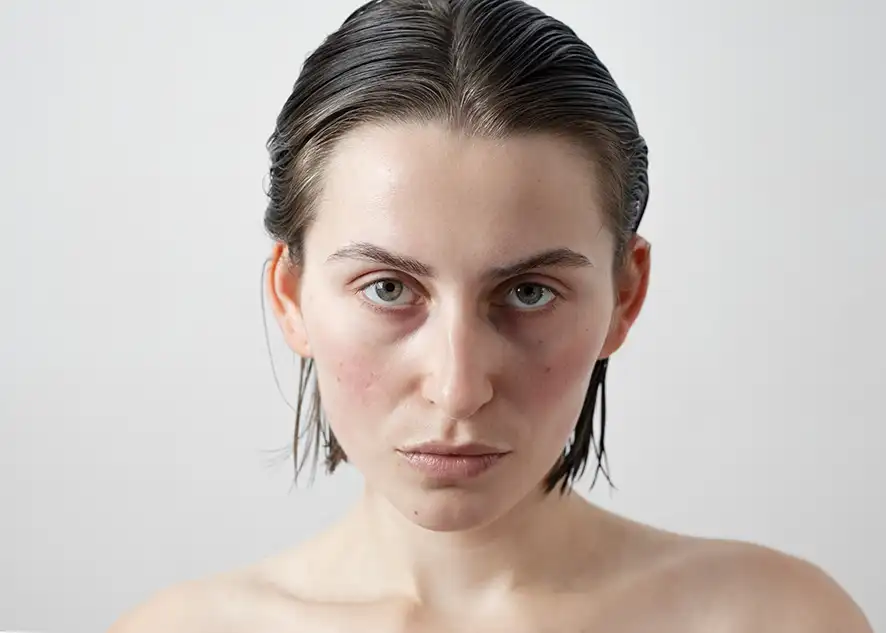
Why Acne Is More Than a Skin Problem
When most people think about acne, they picture a few pimples on the face that will eventually go away. But dermatologists and researchers have discovered that acne carries far more weight than just a cosmetic concern. The condition affects millions of adolescents and adults worldwide, and its impact extends well beyond the surface of the skin.
The Emotional and Psychological Toll
One of the most significant aspects of acne that often gets overlooked is its psychological impact. Beyond the physical discomfort of soreness and pain, acne creates a substantial emotional burden. Visible lesions and scarring can cause embarrassment, anxiety, and reduced overall well-being. This emotional weight becomes especially important during adolescence, a critical period when young people are developing their sense of identity and self-esteem. When acne appears during these formative years, it can affect how teenagers see themselves and interact with others.
The condition also influences how people manage stress and cope emotionally. Research shows that emotional resilience, social support, and purposeful activities help adolescents deal with acne-related stress. This means that treating acne effectively is not just about clearing skin, but about supporting mental health during vulnerable life stages.
How Stress Creates a Cycle
Acne and stress have a bidirectional relationship, meaning they feed into each other. When people experience high stress levels, their bodies produce more cortisol, a hormone that can worsen breakouts. But the connection goes deeper than that. Stress activates specific receptors in the skin that trigger sebocytes, the cells responsible for producing oil, to multiply and create more lipids. Stress also reduces the skin’s barrier integrity and changes how the skin produces antimicrobial peptides, making it easier for acne-causing bacteria to colonize the skin.
This creates a problematic cycle: stress causes acne, and acne causes more stress and anxiety. Breaking this cycle requires addressing both the physical and emotional aspects of the condition.
The Hormonal Component
For many people, especially women, acne is deeply connected to hormonal fluctuations. Hormonal acne often appears along the jawline and chin, areas where the skin is particularly sensitive to hormonal changes. These breakouts can signal underlying hormonal imbalances, including higher levels of androgens, which are male hormones that increase oil production and clog pores.
Some women discover they have PCOS, a condition that affects the reproductive system and can cause irregular periods, ovarian cysts, weight gain, and facial hair, when they seek treatment for persistent jawline acne. Others notice acne flare-ups after starting or stopping hormonal birth control, or during pregnancy and menopause. This connection between acne and reproductive health means that treating acne sometimes requires investigating broader health issues.
Lifestyle Factors That Go Beyond Skincare
While skincare products matter, acne is influenced by many lifestyle factors that have nothing to do with what you put on your face. Poor sleep, irregular eating patterns, and lack of exercise all contribute to skin problems. Diet plays a particularly important role. High-glycemic foods, dairy products, sugar, refined carbohydrates, and processed foods can spike insulin levels and disrupt hormone balance. Diets rich in processed oils or trans fats can amplify oxidative stress, making acne-prone skin more reactive.
The way you care for your skin can also backfire. Washing your face too often breaks down the skin barrier and allows bacteria and irritants to cause inflammation. Your skin then produces more oil to compensate, which leads to more acne. This means that sometimes doing less is better than doing more.
The Role of the Skin Microbiome
The skin is not just a protective barrier, but also a habitat for a complex community of microorganisms. These microbial communities contribute to immune regulation, barrier integrity, and defense against pathogens. When this microbial balance is disrupted, it can lead to acne and other skin disorders. Understanding acne as a microbiome issue rather than just a bacterial problem has changed how dermatologists think about treatment.
When Acne Signals Deeper Health Issues
Acne can sometimes indicate underlying medical conditions that require professional attention. Certain medications like corticosteroids or lithium can trigger breakouts as side effects. Thyroid imbalances and other endocrine disorders may contribute to persistent acne. Some women with jawline breakouts discover they have PCOS or other hormonal disorders. This means that persistent acne warrants professional evaluation and testing to rule out underlying health issues.
The Importance of Professional Care
Because acne carries such significant physical and emotional consequences, dermatologists emphasize that it should not be trivialized as merely a self-limited condition that will go away on its own. Treatment should be tailored to the individual and should aim to control active lesions, reduce inflammation, prevent and treat scarring, and minimize relapses. For many people, managing acne at home is not enough, and professional treatment options are necessary.
The takeaway is clear: acne is a complex condition that affects not just the skin, but also mental health, hormonal balance, and overall well-being. Recognizing acne as more than a cosmetic problem opens the door to more comprehensive and effective treatment approaches that address the whole person, not just the visible lesions.
Sources
https://pmc.ncbi.nlm.nih.gov/articles/PMC12735603/
https://www.westchestercosmeticdermatology.com/blog/adult-acne-why-it-happens-and-how-to-treat-it/