Why Acne Innovation Was Slow for Decades
Acne affects millions of people around the world, yet for many years, new treatments barely changed from the old standards like creams, pills, and scrubs. Doctors relied on the same basic options for decades, leaving patients frustrated with breakouts that kept coming back. Why did progress stall so long?
One big reason was the focus on symptoms instead of root causes. Acne comes from clogged pores, bacteria, oil overproduction, and inflammation deep in the skin. Early treatments targeted surface issues, like drying out the skin or killing bacteria on top. Deeper fixes, such as rebuilding skin structure or fixing hormone triggers, got little attention because they were hard to study and test. Research stayed simple, sticking to what was already known.
Pharmaceutical companies played a role too. Big profits came from drugs for serious diseases like cancer or heart problems, not common skin issues. Acne drugs were cheap to make and easy for anyone to buy over the counter. There was little money in risky new ideas when benzoyl peroxide and antibiotics worked well enough for most. Without strong funding, labs did not push boundaries.
Technology also lagged behind. Lasers and lights for skin were around since the early 2000s, but early versions were basic. For example, diode lasers in 2004 showed promise for zapping acne spots, yet they needed many sessions and caused side effects like redness. Fractional lasers came later, around 2008, to smooth scars, but not active pimples. These tools were expensive and not widely available, so most doctors stuck to pills and topicals.
Skin is tricky to treat compared to other body parts. It varies by color, thickness, and healing speed, making trials complex. Studies often used small groups with light skin, ignoring darker tones that react differently to heat or chemicals. This led to uneven results and slow approvals from regulators.
AI and data tools only recently sped things up. Apps now scan selfies to grade acne and suggest plans, using huge image databases built over years. But AI in skin care started late, with real use in the 2010s, after decades of manual diagnosis.
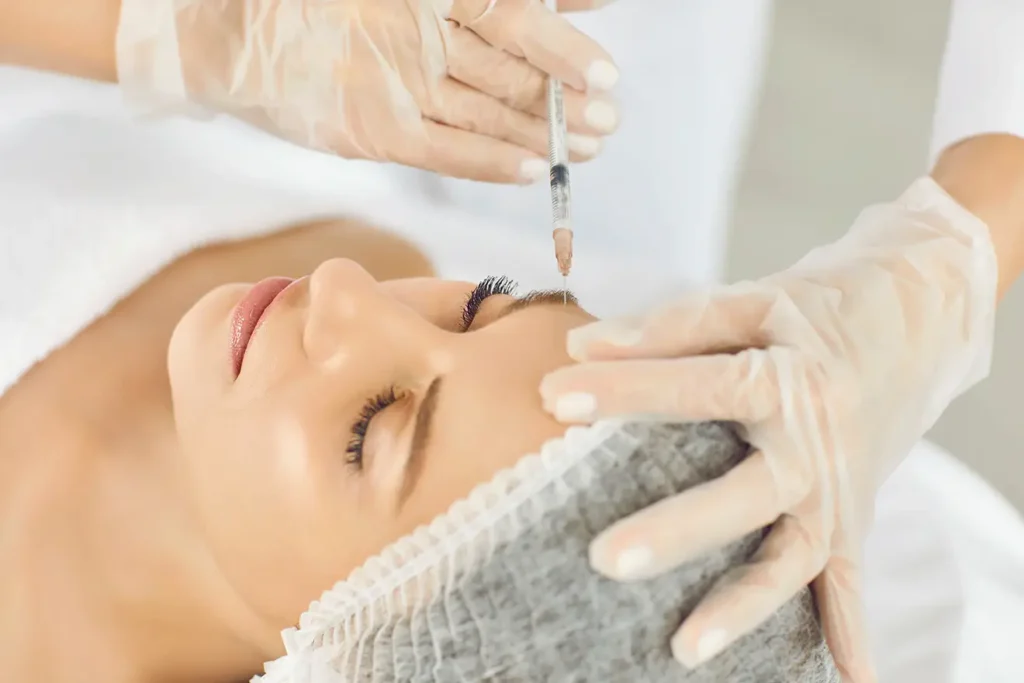
Other fields moved faster. Gene therapies and new pills exploded for cholesterol and infections by 2025, showing how targeted drugs can transform care. Dermatology missed this wave until lights like blue LED for bacteria and red for healing gained traction in the 2020s. Microneedling with radio waves and PRP injections also emerged recently, boosting collagen without big risks.
The slowdown ended as costs dropped, tech improved, and patients demanded better. What held back acne care for so long now gives way to smarter, personalized fixes.
Sources
https://www.scientificdiscovery.dev/p/medical-breakthroughs-in-2025
https://en.wikipedia.org/wiki/Artificial_intelligence_in_healthcare
https://www.dermlasersurgery.com/our-providers/cosmetic-dermatologist/
https://www.michelegreenmd.com/laser-vs-microneedling-for-acne-scars
https://hawkinsaesthetics.com/led-light-therapy-skin-benefits/
https://department.va.gov/history/
https://pmc.ncbi.nlm.nih.gov/articles/PMC12679517/
https://labelleviecosmetic.com/prp-facial-results-timeline-benefits-and-what-to-expect-after-treatment/