Why Acne Innovation Focuses on Tolerability
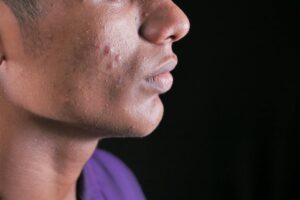
Acne treatments have long battled a key problem: they work but often irritate the skin so much that people stop using them. New innovations zero in on tolerability to fix this by creating options that clear breakouts without the burn, peel, or dryness that plague older drugs.
Traditional acne fighters like retinoids, benzoyl peroxide, and antibiotics can cut pimples but come with side effects. Retinoids cause peeling and redness. Benzoyl peroxide dries out skin and even bleaches clothes. These issues lead to low compliance, where patients quit early and acne returns. Experts now see tolerability as vital because people stick with gentle treatments longer, leading to better results.
One breakthrough is clascoterone cream, a topical androgen receptor inhibitor. It targets sebum, the oily stuff that feeds acne bacteria and clogs pores. In a 52-week study, it reduced sebum by 27 percent, inflammatory lesions by 54 percent, and non-inflammatory ones by 34 percent. Unlike harsher drugs, it caused no peeling, dryness, redness, or swelling. Patients reported little to no stinging or itching. This makes it ideal for twice-daily use without sacrifice.
Moisturizers with ceramides and niacinamide also boost tolerability. In an eight-week trial, patients used benzoyl peroxide and adapalene plus this moisturizer on one side of the face. That side saw 80 percent fewer non-inflammatory lesions and 100 percent improvement in inflammatory ones, beating plain cream. Ceramides repair the skin barrier while niacinamide calms inflammation and cuts sebum, all without extra irritation.
Even for active lifestyles, like swimmers hit by chlorine dryness, new topicals shine. Tazarotene lotion spreads easily with less irritation. Clascoterone hydrates while reducing sebum. Doctors pair these with short-term oral antibiotics like sarecycline, which has fewer gut issues, then switch to gentle maintainers.
Ingredients like bio-succinic acid offer mild alternatives to salicylic acid. At two percent in creams, it lowers sebum, fights bacteria, and clears dead skin without aggression. In cleansers, it cuts oiliness and imperfections in days.
Laser tech with gold microparticles zaps inflammation deep down, hitting 68 percent lesion reduction at 12 months with high satisfaction and no major side effects.
These advances show why tolerability drives acne innovation. By tackling sebum and bacteria gently, they keep skin happy and patients on track.
Sources
https://www.ajmc.com/view/the-tolerable-future-of-acne-treatment-reducing-sebum
https://www.consultant360.com/exclusive/moisturizer-ceramides-niacinamide-boosts-acne-treatment-efficacy-tolerability
https://www.dermatologytimes.com/view/balancing-pathophysiology-and-patient-lifestyle-in-acne-management-part-2
https://www.frontiersin.org/journals/drug-discovery/articles/10.3389/fddsv.2025.1752852/full
https://www.premiumbeautynews.com/en/bio-succinic-acid-the-next,26736
https://www.cureus.com/articles/424654-targeted-acne-therapy-using-light-absorbing-gold-microparticles-combined-with-long-pulsed-1064-nm-ndyag-laser-case-series.pdf?email=