
Acne causes depression and anxiety in teenagers because it strikes during the exact developmental window when self-image, peer acceptance, and social confidence are being formed. A teenager with moderate-to-severe acne is two to three times more likely to develop clinical depression than a peer with clear skin, according to research published in the British Journal of Dermatology. This is not vanity or oversensitivity. The psychological damage is measurable, biological, and in some cases long-lasting. A 16-year-old who stops making eye contact in conversations, drops out of the swim team, or refuses to attend a school dance because of breakouts is not being dramatic — they are responding to a real threat to their social standing during the period of life when social standing feels like everything.
The connection between skin and mental health runs deeper than most parents realize. Acne triggers a cascade of psychological effects: shame, social withdrawal, rumination, sleep disruption, and in severe cases, suicidal ideation. A 2018 study in the British Journal of Dermatology analyzing over 134,000 acne patients found a 63 percent increased risk of developing major depressive disorder compared to matched controls without acne. The relationship is also bidirectional — stress and depression worsen acne through cortisol-driven sebum production, creating a self-reinforcing cycle that can be difficult to break without addressing both the skin and the mind simultaneously. This article examines why the adolescent brain is uniquely vulnerable to acne’s psychological toll, how to recognize warning signs, and what treatment approaches actually address the full scope of the problem.
Table of Contents
- How Does Acne Directly Trigger Depression and Anxiety in the Teenage Brain?
- The Severity Paradox — Why Mild Acne Can Cause Major Psychological Harm
- Social Media, Filtered Skin, and the Amplification Effect
- What Actually Works — Treating Acne and Its Psychological Fallout Together
- Isotretinoin, Depression Risk, and What the Evidence Actually Shows
- How Parents Often Make It Worse Without Realizing It
- The Long Shadow — Acne Scars, Memory, and Adult Mental Health
- Conclusion
- Frequently Asked Questions
How Does Acne Directly Trigger Depression and Anxiety in the Teenage Brain?
The adolescent brain is not a smaller version of an adult brain. The prefrontal cortex, responsible for emotional regulation, long-term perspective, and rational self-assessment, does not fully mature until the mid-twenties. Meanwhile, the limbic system — the brain’s emotional engine — is running at full power during the teenage years. This neurological imbalance means that a teenager literally cannot process a acne breakout the way an adult might. Where a 35-year-old can tell themselves “this will pass” and largely believe it, a 15-year-old experiences each inflamed cyst as a permanent, defining characteristic. The emotional response is not proportional to the medical severity because the brain hardware for proportional responses has not finished installing. Acne also disrupts the specific social tasks that adolescence is designed for.
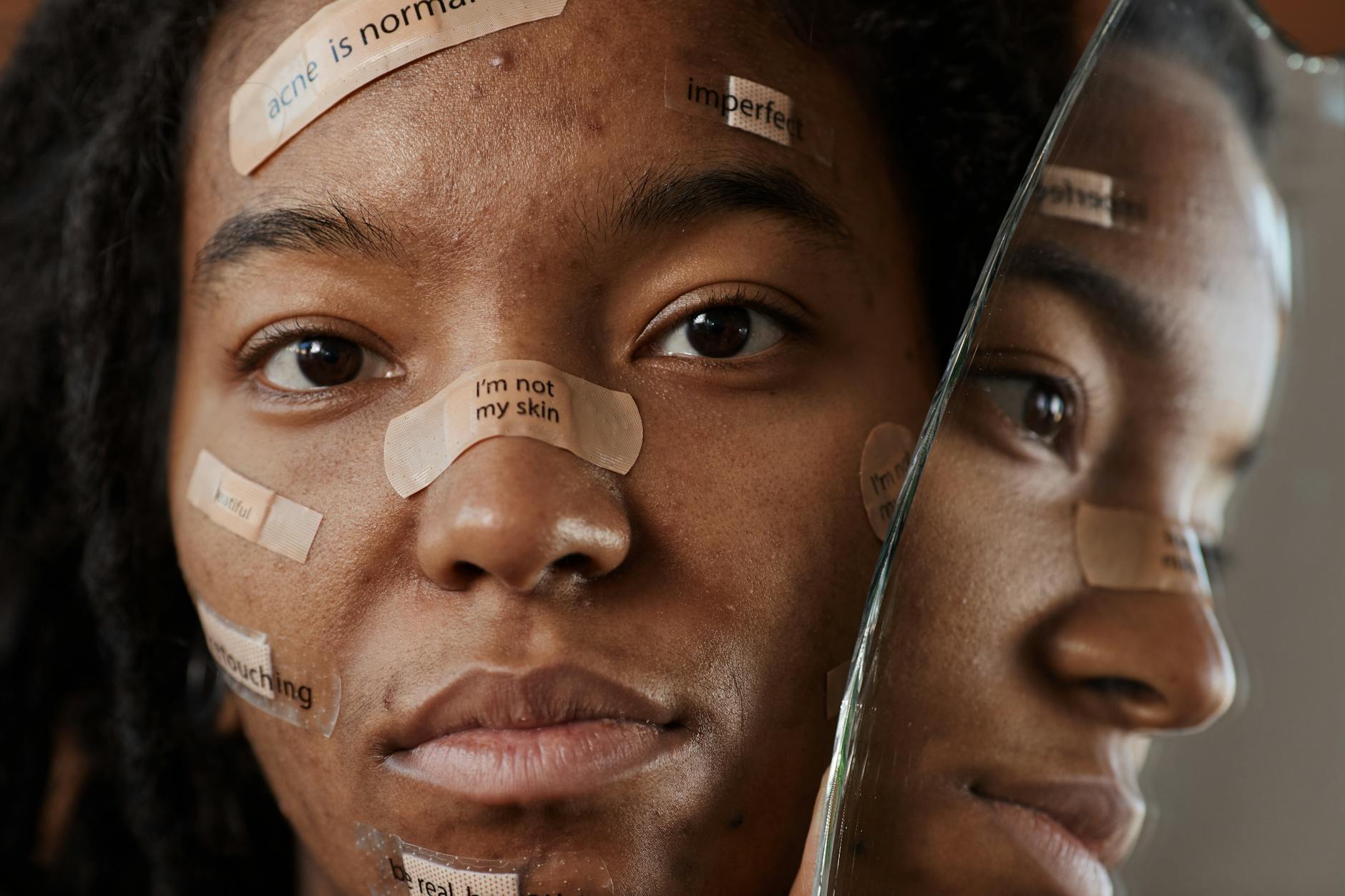
Erik Erikson’s developmental framework identifies the teenage years as the stage of “identity versus role confusion,” where young people are actively constructing a sense of who they are through social feedback. When a teenager’s face becomes a source of negative attention — or worse, when they perceive that people are staring even when they are not — the identity-building process gets contaminated. A teenager named in a University of Michigan study described feeling like “a different person” after developing severe acne at 14, withdrawing from theater auditions she had previously loved because she could not stand being looked at under stage lights. The anxiety component operates on a slightly different mechanism. Many teenagers with acne develop a pattern clinicians call “appearance-related social anxiety,” which functions similarly to social anxiety disorder but is anchored specifically to their skin. They begin scanning rooms for reactions, avoiding well-lit environments, angling their face away from conversation partners, and spending increasing amounts of time checking mirrors or phone cameras. This hypervigilance is exhausting and self-perpetuating. The more they monitor others for signs of judgment, the more evidence they find — because when you are looking for rejection, neutral facial expressions start to look like disgust.
The Severity Paradox — Why Mild Acne Can Cause Major Psychological Harm
One of the most important and counterintuitive findings in dermatological research is that the psychological impact of acne does not reliably correlate with clinical severity. A teenager with a few persistent pimples on their forehead can experience depression and anxiety as intense as someone with severe nodulocystic acne covering their face, neck, and back. A 2014 study in the Journal of the European Academy of Dermatology and Venereology found that subjective distress scores between mild and severe acne groups overlapped significantly. Dermatologists who dismiss a patient’s distress because “it’s just a few spots” are making a clinical error. This severity paradox exists because the psychological damage comes not from the acne itself but from the meaning the teenager assigns to it. A teenager who is already socially anxious, who has been teased about their appearance for other reasons, or who places an unusually high value on physical attractiveness will suffer more from the same number of lesions than a teenager with a more robust social support network and a less appearance-contingent self-concept.
Location matters too — a single inflamed papule on the tip of the nose can cause more distress than twenty comedones across the back, because the nose is the center of the face and cannot be hidden. However, if a parent or clinician observes that a teenager’s emotional response to their acne seems wildly disproportionate to its visible severity, this should not be taken as evidence that the teenager is overreacting. It should be taken as a clinical signal. Extreme distress over objectively minor skin imperfections can indicate body dysmorphic disorder, a condition in which perceived flaws become obsessive and consuming. Approximately 14 to 33 percent of patients seeking dermatological treatment for acne meet the diagnostic criteria for BDD, and these patients respond poorly to dermatological treatment alone because the problem lives in perception, not in the skin. Recognizing this distinction early can prevent years of unnecessary antibiotic courses, isotretinoin prescriptions, and failed cosmetic procedures.
Social Media, Filtered Skin, and the Amplification Effect
No generation of teenagers has faced acne under the conditions that today’s adolescents endure. Social media has introduced a comparison environment that is historically unprecedented in its intensity, its constancy, and its dishonesty. A teenager in 1995 compared their skin to the faces they saw in school hallways and on magazine covers. A teenager in 2026 compares their skin to hundreds of algorithmically curated, filtered, retouched faces every single day, often while lying in bed in the dark at a time when their emotional defenses are lowest. The specific mechanism of harm is what researchers call “upward social comparison” — comparing yourself to people who appear to be doing better than you. Platforms like Instagram and TikTok are engines of upward social comparison by design, because aspirational content generates more engagement.
A study published in Body Image in 2021 found that even brief exposure to idealized skin images on social media significantly increased body dissatisfaction and negative mood in adolescents with acne. The damage is compounded by the prevalence of skincare influencers who present flawless skin as the normal, achievable outcome of the right product routine, implicitly framing persistent acne as a failure of effort or discipline. Consider the experience of a 14-year-old scrolling through TikTok’s skincare community. She sees creators with poreless, evenly toned skin performing elaborate routines and claiming specific products “changed my life.” What she does not see is the ring light positioned to wash out texture, the foundation applied before filming, or the hundreds of takes deleted before the final video was posted. She does not know that many of these creators have undergone professional treatments or use prescription retinoids that they do not mention. She compares her real skin — viewed inches from a bathroom mirror under overhead fluorescent light — to a manufactured image, and concludes that something is uniquely wrong with her. This comparison is irrational, but rationality is not the currency of adolescent self-perception.
What Actually Works — Treating Acne and Its Psychological Fallout Together
The most effective approach to acne-related depression and anxiety in teenagers treats the skin and the mind simultaneously rather than sequentially. The traditional model — clear the skin first, assume the mental health will follow — fails a significant percentage of patients. Some teenagers’ depression and anxiety persist even after their acne resolves, either because the psychological patterns have become entrenched or because scarring serves as a permanent reminder. Others cannot adhere to acne treatment regimens because their depression has destroyed their motivation and executive function, creating a treatment compliance problem that looks like laziness but is actually a symptom. The integrated approach pairs dermatological treatment with cognitive behavioral therapy, specifically a variant called CBT for appearance anxiety.
In CBT, the teenager learns to identify and challenge the distorted thoughts that acne triggers — thoughts like “everyone is staring at my skin,” “I will never look normal,” or “no one will want to date me.” They practice behavioral experiments, such as attending a social event without covering their acne with makeup and then honestly assessing whether the catastrophic outcome they predicted actually occurred. A randomized controlled trial at the University of Sheffield found that acne patients who received CBT alongside standard dermatological care showed significantly greater improvements in both psychological distress and self-rated acne severity compared to those receiving dermatological treatment alone. The tradeoff is access and cost. CBT requires a trained therapist, typically eight to twelve sessions, and is not available in every community or covered by every insurance plan. For families without access to a therapist experienced in appearance-related anxiety, online CBT programs and guided self-help workbooks offer a partial substitute, though the evidence for their effectiveness is less robust than for face-to-face therapy. School counselors can also play a role, but most are not trained in CBT techniques specifically targeting appearance anxiety, so the quality of support varies significantly.
Isotretinoin, Depression Risk, and What the Evidence Actually Shows
No discussion of acne and mental health is complete without addressing isotretinoin, commonly known by its former brand name Accutane. For decades, isotretinoin has carried a warning about potential psychiatric side effects, including depression, psychosis, and suicidal ideation. This warning has led some parents to refuse the medication even for teenagers with severe, scarring acne — a decision that can itself cause lasting psychological harm if the alternative is years of ineffective treatment and progressive scarring. The current evidence does not support a straightforward causal link between isotretinoin and depression in most patients. Multiple large-scale studies, including a 2019 meta-analysis in the Journal of the American Academy of Dermatology covering over 25,000 patients, found that depression scores actually improved on average during isotretinoin treatment, likely because the drug was resolving the acne that was causing the depression in the first place. However, the absence of an average effect does not mean the absence of an individual effect.
There is a small subset of patients — likely those with pre-existing psychiatric vulnerability, a family history of mood disorders, or concurrent psychosocial stressors — for whom isotretinoin may worsen depression or trigger new psychiatric symptoms. The responsible approach is neither blanket refusal nor casual prescribing. Teenagers starting isotretinoin should be screened for depression and anxiety before treatment begins, monitored monthly with standardized questionnaires during treatment, and given clear instructions to report any changes in mood, sleep, or motivation immediately. Parents should be included in this monitoring. The warning about isotretinoin and depression should be taken seriously, but it should not be used as a reason to withhold a highly effective medication from a teenager whose untreated severe acne is already causing depression. The risk of treating must be weighed against the documented risk of not treating.
How Parents Often Make It Worse Without Realizing It
Well-meaning parents frequently worsen the psychological impact of teenage acne through a handful of predictable mistakes. The most common is minimization: “It’s not that bad,” “Everyone gets pimples,” “You’ll grow out of it.” These statements are intended to reassure, but the teenager hears them as evidence that their parent does not understand or take seriously what they are going through. The second most common mistake is unsolicited advice — commenting on the teenager’s diet, suggesting they wash their face more, or buying products without being asked.
This communicates that the parent has noticed the acne, is bothered by it, and believes the teenager is not doing enough to fix it. A more effective approach is to acknowledge the distress without trying to fix it immediately. Statements like “I can see this is really bothering you, and I think we should talk to a dermatologist about what options might help” validate the teenager’s experience while offering a concrete next step. Research from the National Institutes of Health suggests that perceived parental support is one of the strongest protective factors against acne-related depression, but only when that support matches what the teenager actually needs rather than what the parent assumes they need.
The Long Shadow — Acne Scars, Memory, and Adult Mental Health
The psychological effects of teenage acne do not always end when the acne does. Adults who experienced severe acne during adolescence report higher rates of social anxiety, lower self-esteem, and greater body dissatisfaction decades later, even when their skin has been clear for years. This long-term effect is partly attributable to physical scarring — ice-pick scars, boxcar scars, and post-inflammatory hyperpigmentation serve as daily reminders of a painful period — but it is also attributable to psychological scarring. The social avoidance patterns, the negative self-beliefs, and the hypervigilance about appearance that formed during adolescence can persist as deeply learned habits long after the original trigger is gone.
This is why early, aggressive treatment of both acne and its psychological consequences matters. The goal is not only to clear the skin but to prevent the consolidation of maladaptive psychological patterns during a critical developmental window. A teenager who receives effective treatment at 14 and spends the rest of high school with manageable skin and adequate coping skills will carry a fundamentally different psychological blueprint into adulthood than a teenager who suffers untreated until 19 and then “outgrows” their acne but not the damage it caused. The investment in treatment during adolescence is, in a real sense, an investment in adult mental health.
Conclusion
Acne causes depression and anxiety in teenagers through a combination of neurological vulnerability, disrupted identity development, social comparison, and self-reinforcing behavioral patterns. The adolescent brain is not equipped to maintain perspective about a visible skin condition during the developmental stage when peer acceptance and self-image carry their greatest weight. The severity of the psychological impact depends less on the number of lesions and more on the teenager’s pre-existing psychological resources, their social environment, and whether they receive timely, comprehensive treatment.
The most important step a parent, teacher, or clinician can take is to treat acne-related distress as legitimate and clinically significant rather than dismissing it as a normal part of growing up. Effective intervention combines dermatological treatment with psychological support, ideally cognitive behavioral therapy targeting appearance-related anxiety. Screening for depression should be standard practice in any dermatology appointment for an adolescent acne patient. And conversations about skin and mental health should begin early — before the damage has had time to calcify into patterns that follow a young person into their adult life.
Frequently Asked Questions
At what age are teenagers most vulnerable to acne-related depression?
Research suggests that the peak vulnerability window is between ages 12 and 16, when the onset of puberty coincides with heightened social sensitivity and identity formation. However, late-onset acne in older teenagers and young adults can also cause significant distress, particularly when peers have already “outgrown” their breakouts.
Can acne medication cause depression, or does it just seem that way?
Most large-scale studies show that depression scores improve during acne treatment, including isotretinoin, because clearing the acne removes a major source of distress. However, a small number of individuals may experience mood changes on certain medications. Monitoring mood before and during treatment is the responsible approach.
How can I tell if my teenager’s acne distress has crossed into clinical depression?
Watch for changes that extend beyond skin-related complaints: withdrawal from activities they previously enjoyed, changes in sleep or appetite, declining academic performance, increased irritability, expressions of hopelessness, or statements about not wanting to exist. Any mention of self-harm warrants immediate professional evaluation.
Does diet actually affect acne, and should I restrict my teenager’s food?
Some evidence links high-glycemic diets and dairy consumption to acne flares, but the effect size is modest and varies between individuals. Restricting a teenager’s diet without medical guidance can worsen their relationship with food and add another layer of shame and control to an already distressing situation. Discuss dietary approaches with a dermatologist rather than imposing restrictions unilaterally.
Will my teenager’s depression go away once their skin clears up?
For many teenagers, yes — effective acne treatment significantly reduces depression and anxiety symptoms. However, some teenagers develop entrenched psychological patterns (avoidance, negative self-image, social anxiety) that persist after the acne resolves. If distress continues for more than a few months after skin improvement, professional mental health support is warranted.