
Jawline acne typically signals hormonal fluctuations, poor digestion, or chronic stress—not just a local skin problem. While acne can appear anywhere on the face, the jawline and lower face concentrate oil glands and are particularly sensitive to hormonal shifts driven by androgens, which trigger increased sebum production in this specific zone. If you’re breaking out around your jawline consistently, your body is likely telling you that your internal systems—particularly your hormones, gut health, or stress response—are out of balance. This article explores why the jawline is acne’s favorite location, what internal signals it sends, and how to address the root causes rather than just treating the surface. Jawline acne differs from forehead or cheek acne in meaningful ways.
Forehead and T-zone breakouts often point to oil buildup and congestion from hair products or hats. Jawline acne, by contrast, almost always has an internal component. A 25-year-old woman who suddenly develops a cluster of painful cystic acne along her jawline a week before her period is experiencing a hormonal trigger. A 30-year-old man with persistent jawline acne who improves dramatically after treating reflux and improving his digestion has found his real culprit. The jawline doesn’t lie—it’s your skin’s direct telegraph from your endocrine system.
Table of Contents
- What Causes Jawline Acne and Why Hormones Matter
- The Digestive Connection and Gut-Skin Axis
- Stress, Cortisol, and the Neuroendocrine Axis
- Identifying Your Personal Trigger Pattern
- Why Topical Treatments Alone Often Fail for Jawline Acne
- Hormonal Birth Control and Medication Considerations
- Long-Term Management and Prevention
- Conclusion
- Frequently Asked Questions
What Causes Jawline Acne and Why Hormones Matter
The jawline and lower face contain more androgen receptors than any other facial zone, meaning they’re primed to respond to hormonal signals. Androgens—present in both men and women—stimulate the sebaceous glands to produce more oil. When androgen levels rise, the jawline responds first and hardest. This is why women often experience jawline breakouts in the luteal phase of their cycle (the two weeks leading up to menstruation), when progesterone rises and can amplify androgen sensitivity.
Men experience steady higher androgen levels, which is why they’re statistically more prone to persistent jawline and neck acne. Beyond hormones, the jawline’s shape and structure create a moisture trap. The crease where the chin meets the neck, combined with friction from collars, phone contact, and head-resting, creates an environment where bacteria thrive and dead skin cells accumulate. A woman who started using a new chin strap for fitness might suddenly develop jawline acne not because the strap itself caused it, but because the occlusion triggered bacterial growth in an area already primed by hormonal sensitivity. This is why jawline acne often appears clustered or in the crease rather than scattered across the face.

The Digestive Connection and Gut-Skin Axis
Traditional Chinese Medicine has long associated the jawline zone with digestive health, and modern research increasingly validates this link. Poor digestion, food sensitivities, and dysbiosis (imbalanced gut bacteria) can trigger systemic inflammation that manifests as jawline acne. When your gut is struggling, it produces bacterial lipopolysaccharides (endotoxins) that cross into your bloodstream and trigger an inflammatory cascade—your immune system responds by flooding your face with inflammatory cytokines, and the jawline often bears the brunt. However, the digestive connection isn’t universal.
Someone with a perfectly healthy gut can still experience jawline acne driven purely by hormonal or stress factors. If you improve your digestion significantly—cutting out foods that trigger bloating, increasing fiber, or treating SIBO—but your jawline acne persists, the problem is likely hormonal or stress-related, not digestive. Food sensitivities like gluten or dairy are often blamed for jawline acne, and they do matter for some people, but they’re not the automatic culprit. A food elimination diet can help identify triggers, but rushing into extreme dietary restriction based on jawline acne alone often wastes time when the real issue lies elsewhere.
Stress, Cortisol, and the Neuroendocrine Axis
Chronic stress elevates cortisol and activates your sympathetic nervous system, both of which amplify sebum production and inflammatory responses in the skin. High-stress periods—exam weeks, job transitions, relationship crises—commonly trigger jawline acne flares. Cortisol also suppresses immune function locally in the skin, making it harder for your body to fight the bacteria and inflammation already present. Someone under intense work pressure might notice jawline acne appears within 3-5 days of the stress spike, clears within a week of a vacation, then returns when work stress resumes—a pattern that clearly points to stress as the driver.
The stress-acne connection also involves your skin microbiome. Stress changes the bacterial composition on your face, reducing the diversity of beneficial bacteria and allowing acne-causing species like Cutibacterium acnes to proliferate. Your jawline, being an occluded and moisture-rich zone, is particularly vulnerable to these shifts. Interestingly, treating stress alone—through meditation, sleep optimization, or therapy—can sometimes clear jawline acne faster than topical treatments, because you’re addressing the neuroendocrine root rather than just the surface inflammation.
Identifying Your Personal Trigger Pattern
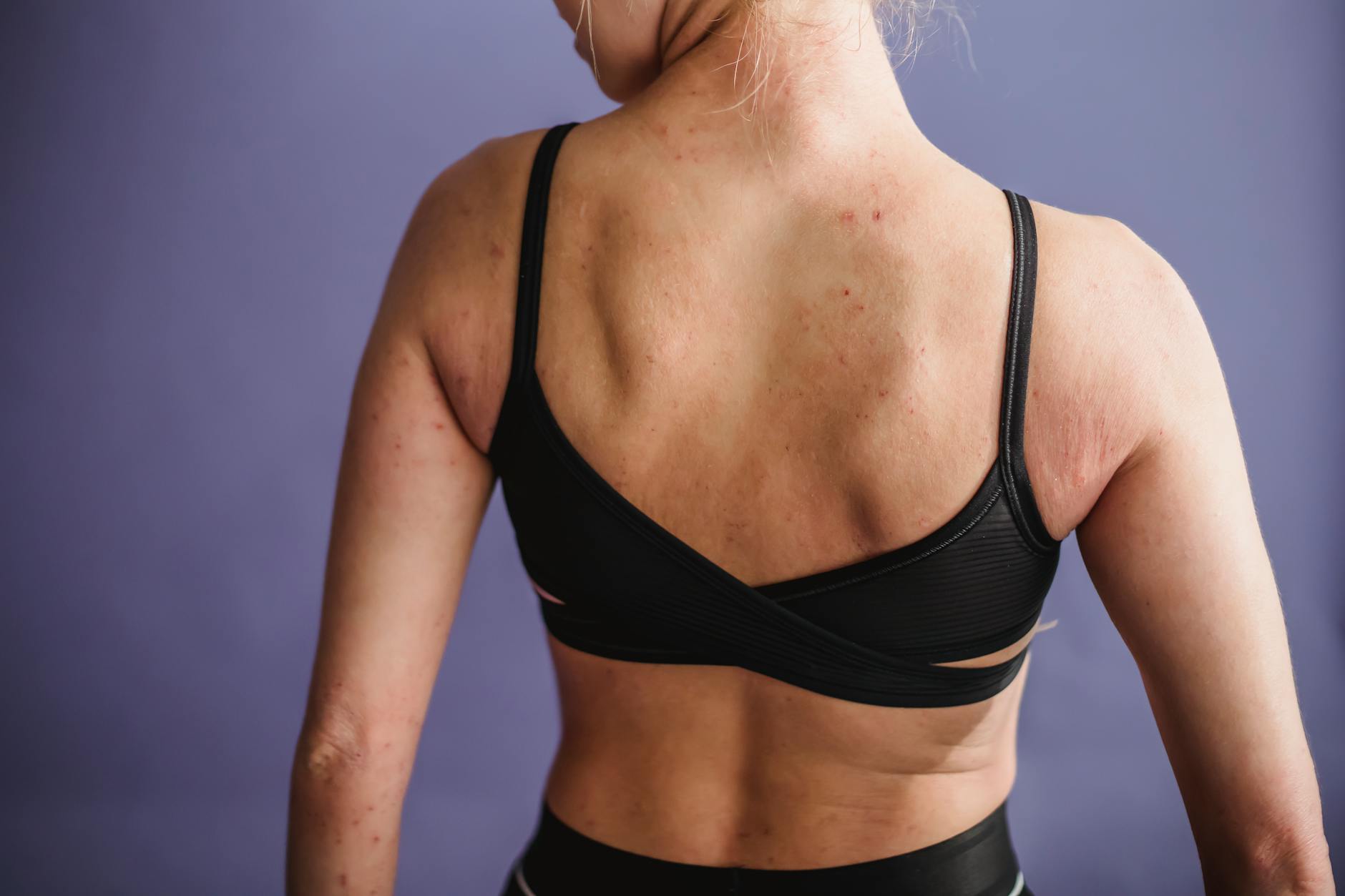
The most effective approach to jawline acne is pattern recognition. Track your breakouts for 2-3 months alongside your cycle (if applicable), stress levels, diet, sleep, and digestion quality. You’re looking for correlation, not causation—if jawline acne appears reliably 5-7 days before your period, hormones are your primary lever. If it flares after eating specific foods like pizza or dairy, digestion or food sensitivity may matter. If it spikes during high-stress work periods, stress management becomes your priority.
Most people have one dominant trigger and 1-2 secondary contributors. A comparison: a 28-year-old woman with jawline acne tried multiple topical treatments and retinoids with minimal improvement. When she tracked her breakouts, she noticed they clustered tightly in the luteal phase. She added a birth control with a lower androgenic profile and saw 70% improvement, while a friend with identical-looking jawline acne had tried four birth control brands without improvement and discovered that her trigger was a gluten sensitivity causing gut inflammation. Same location, different root causes. This is why generic “acne solutions” often fail for jawline acne—you have to find your specific trigger first.
Why Topical Treatments Alone Often Fail for Jawline Acne
Prescription retinoids and antibiotics can help manage jawline acne, but they rarely resolve it if the underlying cause—hormonal imbalance, stress, or digestive dysfunction—remains unchecked. Topical salicylic acid and benzoyl peroxide work by exfoliating and killing bacteria locally, which helps, but they don’t tell your body to stop overproducing sebum or reduce inflammation from inside. Someone using tretinoin correctly might clear their forehead and cheek acne but still experience persistent jawline breakouts because the jawline’s hormonal sensitivity is driving production faster than topical treatments can manage. A critical limitation: combining multiple topical treatments to “attack jawline acne from all angles” often backfires.
Over-treating the thin, sensitive skin around the jaw can trigger barrier damage, increasing irritation and sometimes making acne worse. You might clear the bacteria but create desert-dry, irritated skin that becomes a secondary problem. A dermatologist-recommended approach is usually one active (retinoid or prescription antibiotic) combined with gentle cleansing, not a stack of three different actives. If topicals alone aren’t working after 8-12 weeks, the signal is that you need to address an internal factor—hormones, digestion, or stress—not add more topical firepower.
Hormonal Birth Control and Medication Considerations
For women, hormonal birth control can be transformative for jawline acne if the underlying driver is hormonal. Birth controls with lower androgen indices or progestin-dominant formulations (like those containing norgestimate or drospirenone) are often more effective for acne than others. A woman switching from a standard birth control to a formulation specifically chosen for anti-androgenic properties might see jawline acne improve by 50-80% within 3-4 months.
However, some women experience the opposite—birth control worsens their jawline acne, a phenomenon called acne-prone breakthrough bleeding. This can happen if the formulation increases estrogen without sufficiently reducing androgens, or if it disrupts the gut microbiome. Spironolactone, an oral anti-androgen medication, is another option that’s helped many people with hormonal jawline acne, particularly when combined with birth control. The tradeoff is that spironolactone requires regular blood work monitoring and can cause side effects like dizziness or irregular periods in some people.
Long-Term Management and Prevention
Managing jawline acne long-term requires addressing at least one internal factor—usually hormones, stress, or digestion—rather than relying on perpetual topical treatment. Someone who has identified stress as their trigger might find that consistent exercise, 7-8 hours of sleep, and stress-reduction practices prevent jawline acne more effectively than any topical cream. Someone else might manage it through targeted dietary changes or working with a functional medicine practitioner on gut healing.
The jawline acne journey often looks like: identify your dominant trigger, address it for 8-12 weeks while supporting your skin topically, then scale back treatment and reassess. If acne returns when you stop treatment, you haven’t fully addressed the root cause. If it stays clear or dramatically improves, you’ve found your lever. For many people, the final picture is a sustainable balance—maybe a low-dose retinoid or occasional hormonal adjustment, combined with lifestyle practices that keep stress, digestion, and hormones in check—rather than aggressive intervention.
Conclusion
Jawline acne is your skin’s way of communicating internal imbalance, most commonly from hormonal fluctuations, stress, or digestive dysfunction. The jawline’s concentration of androgen-sensitive oil glands makes it acne’s preferred location when these systems are dysregulated, and topical treatments alone often fail because they don’t address the internal source. Your first step is identifying your pattern through tracking, then addressing the dominant trigger—whether that’s hormonal management, stress reduction, or dietary change.
The key to clearing persistent jawline acne is recognizing it as a symptom, not just a cosmetic problem. Once you’ve identified whether your trigger is hormonal, stress-related, or digestive, you can address it directly rather than cycling through topical treatments that don’t touch the root cause. Most people see meaningful improvement within 2-3 months of addressing their specific trigger, sometimes combined with a targeted topical like a retinoid for support.
Frequently Asked Questions
Can jawline acne be caused only by poor skincare or bacteria?
Rarely. While bacterial overgrowth and trapped debris contribute, jawline acne’s location suggests an internal factor is driving sebum production or inflammation. If you have clean skincare habits and still have jawline acne, look to hormones, stress, or digestion before assuming bacteria is the main culprit.
Does birth control always help jawline acne?
No. Birth control helps women whose acne is driven by androgen sensitivity, but it doesn’t help—and can worsen—acne driven by stress, digestion, or other causes. Some women also experience breakthrough acne with certain formulations. Trial and adjustment is often needed.
How long does it take to see improvement after addressing the trigger?
Typically 6-12 weeks, though some people see changes within 2-4 weeks if they’ve identified the dominant trigger accurately. Hormonal shifts take time to influence sebum production, stress takes time to lower, and digestion takes time to heal.
Should I use prescription retinoids or other actives while addressing an internal trigger?
Yes, they can support healing, but they’re not a substitute for addressing the root cause. Using a retinoid or low-dose antibiotic while also managing your identified trigger is often more effective than either approach alone.
Can jawline acne be caused by wearing masks or friction?
Friction and occlusion can worsen jawline acne, but they rarely cause it from scratch. If mask-wearing makes your jawline acne worse, the underlying cause is still likely hormonal or internal—the mask is just triggering an existing susceptibility.
Is it normal for jawline acne to appear in cycles?
Very normal, especially if it’s tied to your menstrual cycle or recurring stress periods. Cyclical jawline acne is often a sign that hormones or stress are your primary drivers.