Who Is a Candidate for Once Weekly Acne Therapy
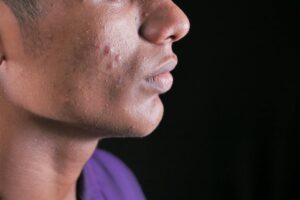
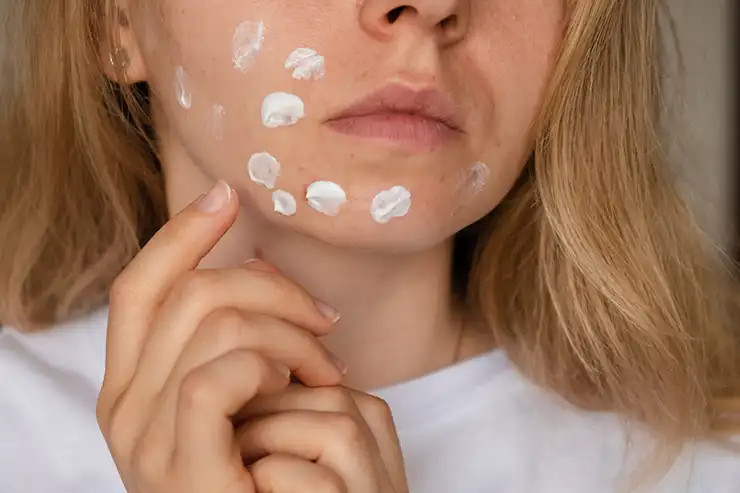
Acne affects millions of people, but not everyone needs daily treatments. Once weekly acne therapy offers a convenient option for certain patients who want fewer visits to the doctor or clinic while still seeing results. These therapies use lasers, lights, or special topicals activated less often, targeting oil glands, bacteria, and inflammation with sessions spaced out to fit busy lives.
One common once weekly approach is BBL laser treatment, also called photofacial for acne. It works best for people with active acne that causes redness and breakouts. Patients who commit to a series of eight weekly sessions, followed by maintenance every one to two months, often notice clearer skin after the first few treatments. This suits those with moderate acne severity who can avoid sun exposure and use sunscreen during healing.[4]
Red light therapy combined with blue light is another option done two to three times a week, but many providers space it to feel like a weekly routine for mild to moderate acne. Ideal candidates include adults with early acne signs, sun-damaged skin, or inflammatory pimples. Studies show about 90 percent of users see better skin texture and fewer lesions after 12 weeks, with no pain and just gentle warmth during 10 to 20 minute sessions.[5]
Photodynamic therapy, or PDT, involves applying a solution like levulinic acid to oil glands, then activating it with blue light and sometimes a vascular laser. It fits once weekly or every two to four weeks for those with cystic, pustular, or very oily skin. People needing three to five sessions see reduced oil production and redness, making it great for stubborn facial acne.[2]
For scarring from past acne, Tixel or microneedling treatments work well on a once weekly to every four to six week schedule. These suit any skin tone with mild to moderate scars, offering minimal downtime and collagen boost over three to six sessions. Patients with stable, inactive acne get the best results as the skin heals naturally.[2][7]
Not every acne sufferer qualifies. Severe nodular acne that scars deeply or resists antibiotics often needs daily oral drugs like isotretinoin instead. Once weekly therapies shine for milder cases where convenience matters, but a dermatologist must check skin type, acne stage, and health history first to avoid issues like irritation.[1]
Emerging options like denifanstat, a new pill in trials, target fat production in skin for moderate to severe acne with potential weekly dosing, but it is still under review.[10]
Sources
https://www.ncbi.nlm.nih.gov/books/NBK525949/
https://charlotteskinandlaser.com/laser-rejuvenation-skin-tightening/laser-acne-treatments/
https://www.scoutaesthetics.com/skin-treatments/acne-treatment/
https://blumeskintreatment.com/bbl-laser-acne-treatment/
https://friederdermatology.com/red-light-therapy/
https://theribbonbox.com/wellbeing/how-to-fix-hormonal-acne-naturally/
https://vitalskinderm.com/blog/laser-acne-and-scar-removal-guide/
https://rejuvadermatology.com/services/acne-scar-laser-treatment-in-venice-fl/
https://www.thespadocs.com/treatments/forever-clear-acne-treatment
https://www.prnewswire.com/apac/news-releases/ascletis-announces-china-national-medical-products-administration-acceptance-of-new-drug-application-for-denifanstat-asc40-a-first-in-class-fasn-inhibitor-for-acne-treatment-302637707.html