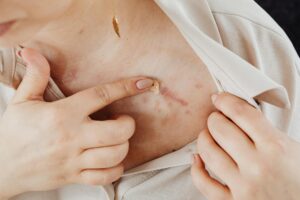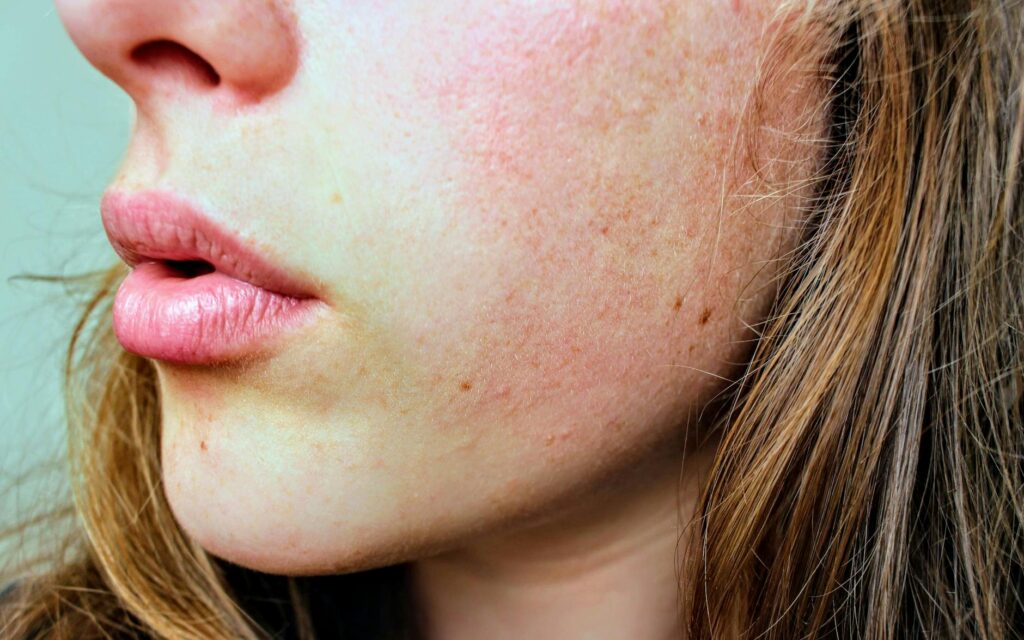
Zilxi is a topical foam treatment that specifically targets inflammatory rosacea—the bumpy, reddened skin condition that frequently gets mistaken for acne. Unlike harsh acne medications that can irritate the sensitive, reactive skin of rosacea, Zilxi uses minocycline, an antibiotic with potent anti-inflammatory properties, to reduce the papules and pustules that make rosacea look so similar to breakouts. The FDA approved Zilxi on May 28, 2020, making it the first and only topical minocycline foam available, and clinical trials showed that 50.6% of patients achieved clear or nearly clear skin with significant improvement by 12 weeks of treatment.
For someone struggling with persistent facial bumps and redness that don’t respond to acne treatments, Zilxi offers a different mechanism entirely: it works by reducing the inflammatory response driving rosacea, rather than addressing oil and bacteria the way acne medications do. This distinction is crucial, because using benzoyl peroxide or salicylic acid on rosacea-prone skin often makes the condition worse, triggering more flushing and irritation. This article explores how Zilxi actually works, what the clinical data shows, how it compares to other rosacea treatments, what to expect in terms of timeline and results, and practical considerations around access and cost.
Table of Contents
- How Rosacea and Acne Are Fundamentally Different Conditions
- What Minocycline Actually Does in Zilxi’s Topical Foam
- What the Clinical Trial Data Actually Shows
- How to Use Zilxi and What to Expect in the First Weeks
- Side Effects and Important Limitations of Topical Minocycline
- Cost, Insurance Coverage, and the Zilxi Savings Card
- How Zilxi Fits into Rosacea Treatment Evolution and Future Outlook
- Conclusion
How Rosacea and Acne Are Fundamentally Different Conditions
The most important thing to understand is that rosacea and acne are entirely different diseases, even though they can look superficially similar. Acne is driven by bacteria (*Cutibacterium acnes*), excess oil production, clogged pores, and inflammation in the hair follicle. Rosacea is a chronic disorder of facial blood vessels and the skin’s immune response, characterized by persistent redness, flushing, and inflammatory bumps that have nothing to do with bacteria or oil clogging. Someone with acne might have large pores, blackheads, or whiteheads; someone with rosacea typically has a persistently flushed face, visible blood vessels, and tender, inflamed pustules that appear across the cheeks and nose.
This distinction is why standard acne treatments often backfire on rosacea. Benzoyl peroxide, salicylic acid, and retinoids—the pillars of acne treatment—are designed to be drying and irritating in controlled ways to fight acne bacteria and clear pores. On rosacea-prone skin, this irritation triggers the very inflammatory cascade that makes rosacea worse: more flushing, more irritation, more pustules. A person might spend months treating what they think is stubborn acne with progressively stronger products, only to have their skin get angrier and redder. Once rosacea is correctly identified, Zilxi approaches the problem entirely differently—by calming the inflammatory response rather than stripping the skin or fighting bacteria.

What Minocycline Actually Does in Zilxi’s Topical Foam
Minocycline, the active ingredient in Zilxi, is an antibiotic that belongs to the tetracycline family. However, when it’s used to treat rosacea, the anti-bacterial effect is almost beside the point; the real power lies in its anti-inflammatory action. Minocycline reduces the production of inflammatory mediators—the chemical signals that trigger redness, swelling, and pustule formation in rosacea-prone skin. By dampening this inflammatory response at the skin level, Zilxi addresses the root driver of rosacea symptoms without requiring the systemic effects of oral tetracyclines.
The advantage of the topical foam delivery is significant: it applies the active ingredient directly where it’s needed, on the face, with minimal systemic absorption into the bloodstream. Unlike oral minocycline or doxycycline, which are absorbed through the stomach and distributed throughout the body, Zilxi’s foam stays localized to the skin. This means fewer systemic side effects, no need for repeat blood tests to monitor liver function, and no interaction concerns with other medications that affect oral antibiotics. For someone who has had trouble tolerating oral antibiotics or prefers a local treatment, topical minocycline offers a genuine alternative—though it’s important to understand that the exact mechanism by which minocycline reduces rosacea inflammation isn’t completely understood. Researchers know it works, and the clinical data proves it, but the complete biological pathway remains an area of ongoing study.
What the Clinical Trial Data Actually Shows
The Phase 3 clinical trials that led to Zilxi’s FDA approval tracked patients for 12 weeks and measured success using a standardized scale called the Investigator Global Assessment (IGA). Treatment success was defined as achieving clear skin (IGA score of 0) or nearly clear skin (IGA score of 1) with at least a 2-grade improvement from baseline. Using this measure, 50.6% of Zilxi patients achieved success by week 12, compared to 41.0% in the comparison group. While 50.6% might sound modest—fewer than half of patients reached “clear” status—this is actually competitive with other rosacea treatments, and the 9.6 percentage point improvement over the comparison group was statistically significant. What’s more encouraging is the speed of action.
Patients began seeing measurable reduction in inflammatory lesions as early as week 4 of treatment, meaning someone starting Zilxi wouldn’t have to wait three months to know whether it’s working. By week 12, the average patient using Zilxi had experienced a reduction of 18.0 inflammatory lesions, compared to 14.9 lesions in the comparison group. For someone with moderate inflammatory rosacea—say, 20 to 30 bumps across the cheeks and nose—an average reduction of 18 lesions represents a substantial improvement, potentially dropping them from moderate disease to mild. However, it’s important to set realistic expectations: these numbers mean that roughly half of patients get clear or nearly clear skin, while the other half improve but may retain some residual bumps or redness. For this latter group, Zilxi might be combined with other treatments like topical sulfur or azelaic acid, or oral medications if rosacea is more severe.

How to Use Zilxi and What to Expect in the First Weeks
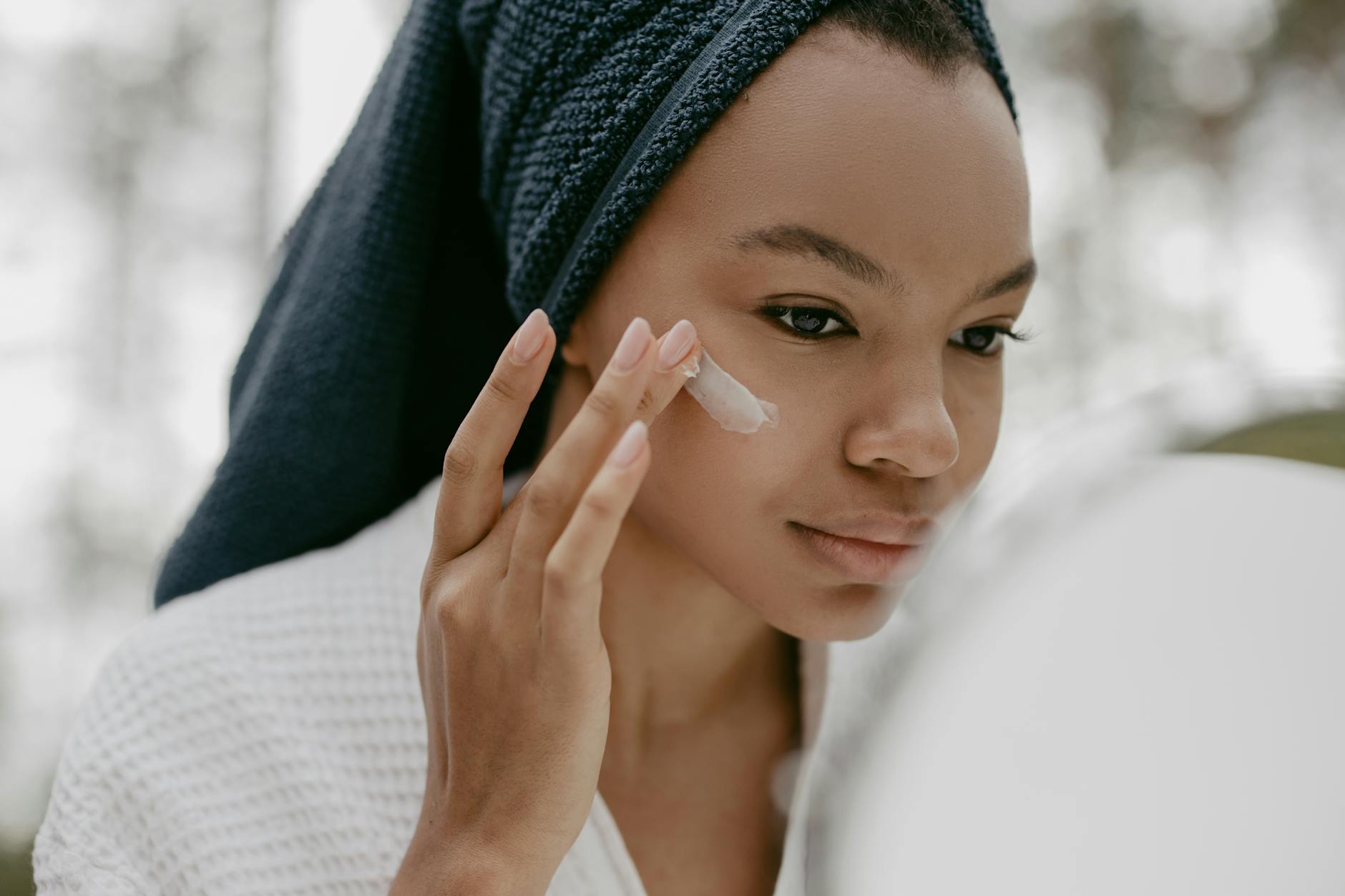
Zilxi comes as a 60-gram canister of topical foam, applied directly to the affected areas of the face—typically the central face, cheeks, and nose where rosacea clusters most heavily. The foam is spread in a thin layer and allowed to dry. Most patients use it once or twice daily, and dermatologists often recommend starting with once daily to allow the skin to adjust and assess tolerance. The foam dries relatively quickly and sits well under makeup or moisturizer, making it practical for daytime use.
In the first two weeks, some patients experience mild irritation or dryness as their skin adjusts to the minocycline. This is usually manageable with a gentle moisturizer and often resolves within a week or two. By week 3 to 4, the anti-inflammatory effects begin to kick in: patients typically notice the angry redness starting to fade and new pustules coming up less frequently. This is why the week-4 benchmark matters—if someone has seen no improvement by week 4, they can discuss with their dermatologist whether the issue is skin sensitivity, application technique, or simply that Zilxi isn’t the right fit for their particular rosacea. Sticking with treatment through week 8 to 12 is important to reach the full benefit shown in trials.
Side Effects and Important Limitations of Topical Minocycline
Zilxi is generally well-tolerated, but it’s not free of side effects. The most common are mild skin irritation, dryness, burning, or stinging at the application site, typically in the first 1-2 weeks. Some patients report temporary skin peeling. Because it’s a topical formulation, systemic side effects like nausea, photosensitivity (sun sensitivity), or yeast infections—concerns with oral tetracyclines—are rare. However, one important caveat: minocycline is a tetracycline, and tetracyclines can cause sensitivity to sunlight.
While the topical form carries much lower risk than oral medications, some dermatologists recommend using a daily SPF 30+ sunscreen whenever using Zilxi, especially in fair-skinned individuals or those with a history of sensitivity. Another limitation is that Zilxi is not recommended during pregnancy or while breastfeeding. Tetracyclines have historically been avoided in pregnancy due to theoretical concerns about bone and tooth development, and although the systemic absorption from topical Zilxi is minimal, most clinicians recommend avoiding it as a precaution. For someone who becomes pregnant while on Zilxi, the standard approach is to pause treatment and discuss alternative rosacea management with their dermatologist. Additionally, Zilxi works best for inflammatory rosacea (papules and pustules); it’s less effective for purely vascular rosacea (persistent redness and flushing without many bumps). If someone’s rosacea is primarily characterized by flushing and blood-vessel visibility rather than inflammatory bumps, Zilxi alone may not address the main concern.
Cost, Insurance Coverage, and the Zilxi Savings Card
Cost is often the biggest barrier to using Zilxi. The full retail price runs between $400 and $600 per 60-gram canister, and since rosacea is a chronic condition, ongoing treatment typically means purchasing several canisters per year. For uninsured patients or those with high deductibles, this is prohibitive. The good news is that Zilxi offers a Savings Card for commercially insured patients, which can reduce out-of-pocket costs to as little as $25 per prescription. Eligible patients can access this through Zilxi’s website, and most major pharmacy chains recognize the card.
Insurance coverage varies widely. Some insurers classify Zilxi as a cosmetic treatment and deny coverage entirely, while others require step-therapy (trying cheaper alternatives first, like generic oral doxycycline or topical azelaic acid) before approving Zilxi. Others cover it readily, particularly if prior treatments have failed. If insurance initially denies Zilxi, most dermatologists will file an appeal with documented evidence of failed prior treatments, and many appeals succeed. For those who can’t access the Savings Card and have no insurance coverage, this remains a significant cost challenge. Interestingly, as of March 2026, Zilxi is not on the FDA or ASHP drug shortage lists, meaning availability challenges are due to limited pharmacy stocking and single-source manufacturing rather than a formal supply crisis—though pharmacy stock can still be spotty in some regions.
How Zilxi Fits into Rosacea Treatment Evolution and Future Outlook
Zilxi’s approval in 2020 filled a genuine gap. Before Zilxi, the treatment arsenal for inflammatory rosacea consisted mainly of oral antibiotics (doxycycline, minocycline, or older tetracyclines), topical antibiotics like metronidazole, and anti-inflammatory agents like azelaic acid and sulfur. These work, but they all have tradeoffs: oral antibiotics require systemic absorption and carry side effects and drug interactions, older topical treatments can be messy or irritating, and not everyone responds equally well to any single agent.
Zilxi offered the first topical minocycline product, bringing the anti-inflammatory power of minocycline directly to the skin without systemic effects. Looking forward, rosacea treatment research is moving toward better understanding of the immune mechanisms driving the condition, with new drugs in development targeting specific inflammatory pathways. Zilxi isn’t a cure—it manages active inflammation while treatment is ongoing—but it represents the beginning of a shift toward more targeted, skin-specific therapies rather than broad-spectrum systemic antibiotics. For someone diagnosed with inflammatory rosacea that looks like acne, Zilxi is one of the most evidence-backed first-line treatments available today, particularly for those who prefer topical options or have had issues with oral medications.
Conclusion
Zilxi directly addresses inflammatory rosacea—the bumpy, pustule-prone redness that mimics acne but requires a completely different approach—by delivering minocycline as a topical foam that reduces the inflammatory response without systemic side effects. The clinical data shows that roughly half of patients achieve clear or nearly clear skin within 12 weeks, with measurable improvement as early as week 4, and an average reduction of 18 inflammatory lesions by the end of treatment. For someone whose acne treatments have been making their skin worse, Zilxi offers the correct tool for the actual condition: not a pore-clearing, bacteria-fighting acne drug, but an anti-inflammatory agent calibrated for rosacea’s underlying drivers.
The main practical considerations are cost (addressed by the Savings Card for insured patients), the timeline to full benefit (12 weeks), and realistic expectations (improvement rather than guaranteed clearance). If inflammatory rosacea is suspected—particularly if acne medications have triggered flare-ups rather than improvement—a dermatologist can confirm the diagnosis and discuss whether Zilxi is the right first step or whether other treatments like oral doxycycline or azelaic acid might be tried first. For many, Zilxi has become the go-to topical option precisely because it’s specifically formulated for rosacea, evidence-backed by trials, and free of the systemic complications of oral antibiotics.