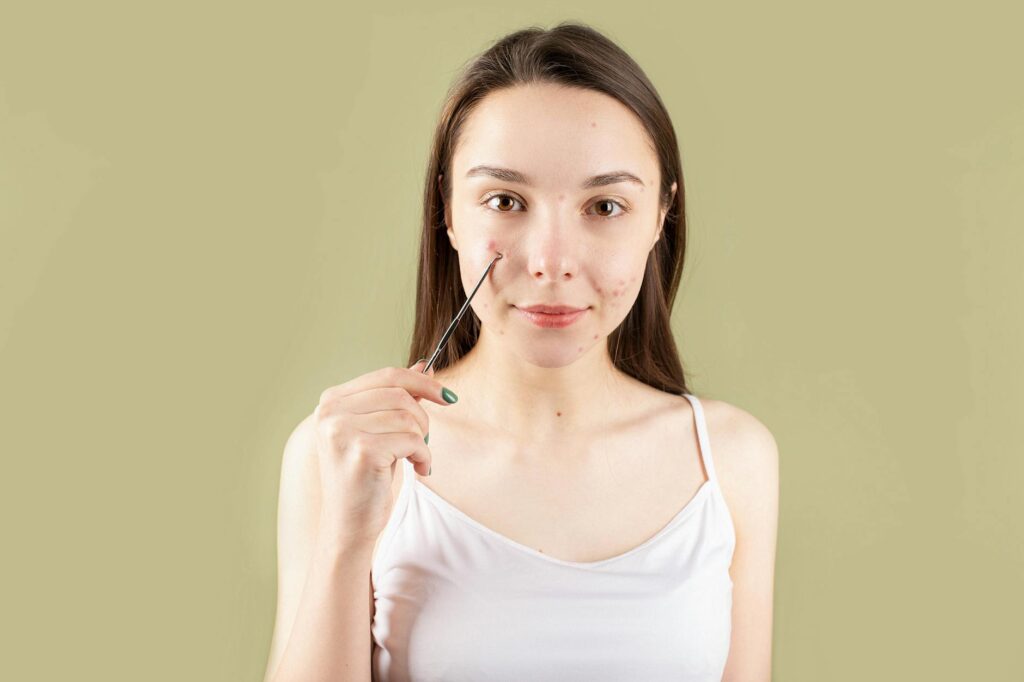
Laser treatments are more effective than topical products for reducing red acne marks, particularly when those marks involve textural changes or deeper scarring. While a topical like niacinamide or azelaic acid might fade post-inflammatory hyperpigmentation (the discoloration itself) within 8-12 weeks, laser therapy—especially pulsed dye laser (PDL)—can reduce acne-related erythema by up to 82.5%, making it the gold standard that 95% of dermatologists recommend first. For example, a 25-year-old dealing with widespread red marks from moderate acne breakouts would see more dramatic improvement from 3-4 PDL sessions than from consistent topical use alone. This article breaks down how these two approaches work, when each excels, and how they can be combined for optimal results.
Table of Contents
- How Do Laser Treatments Reduce Red Acne Marks?
- Why Topical Products Are Slower but Still Valuable
- Which Treatment Works Better for Different Types of Red Marks
- Combining Laser and Topical Treatments for Optimal Results
- Realistic Timeline and Limitations for Each Approach
- Cost and Accessibility Considerations
- The 2025 Landscape and Future Directions
- Conclusion
- Frequently Asked Questions
How Do Laser Treatments Reduce Red Acne Marks?
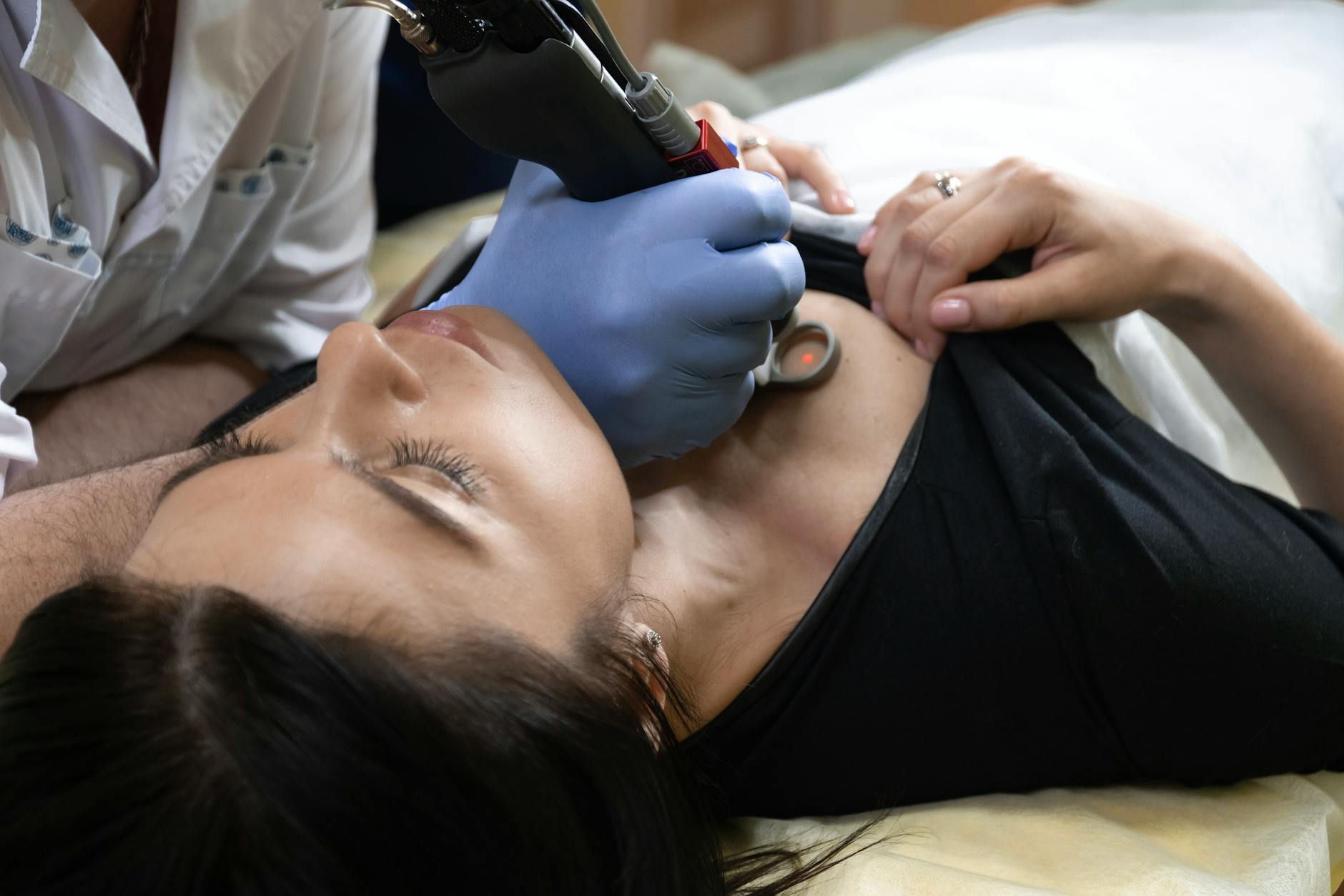
The pulsed dye laser (PDL) works by targeting the blood vessels beneath red acne marks, collapsing them and allowing the skin to heal with less visible erythema. Clinical research shows that PDL achieves up to 82.5% reduction in acne-related redness, making it the most proven option dermatologists use first-line for post-inflammatory erythema. When dermatologists combine PDL (595-nm wavelength) with a 1565-nm non-ablative fractional laser, results jump to 83.5% reduction—attacking both the redness and any subtle textural irregularities simultaneously.
Beyond PDL, fractional CO2 lasers and the newer 1726-nm sebum-selective laser (FDA-approved in 2025) offer additional options depending on scar depth and skin type. Fractional CO2 laser scar reduction ranges from 30-70% across studies, with mean improvement scores significantly outperforming other ablative options. The newer 1726-nm laser shows particular promise for moderate-to-severe acne lasting six months or longer. However, all laser treatments require downtime—typically 3-5 days of redness and peeling, and results take 3-4 weeks to fully appear as the skin rebuilds collagen.
Why Topical Products Are Slower but Still Valuable
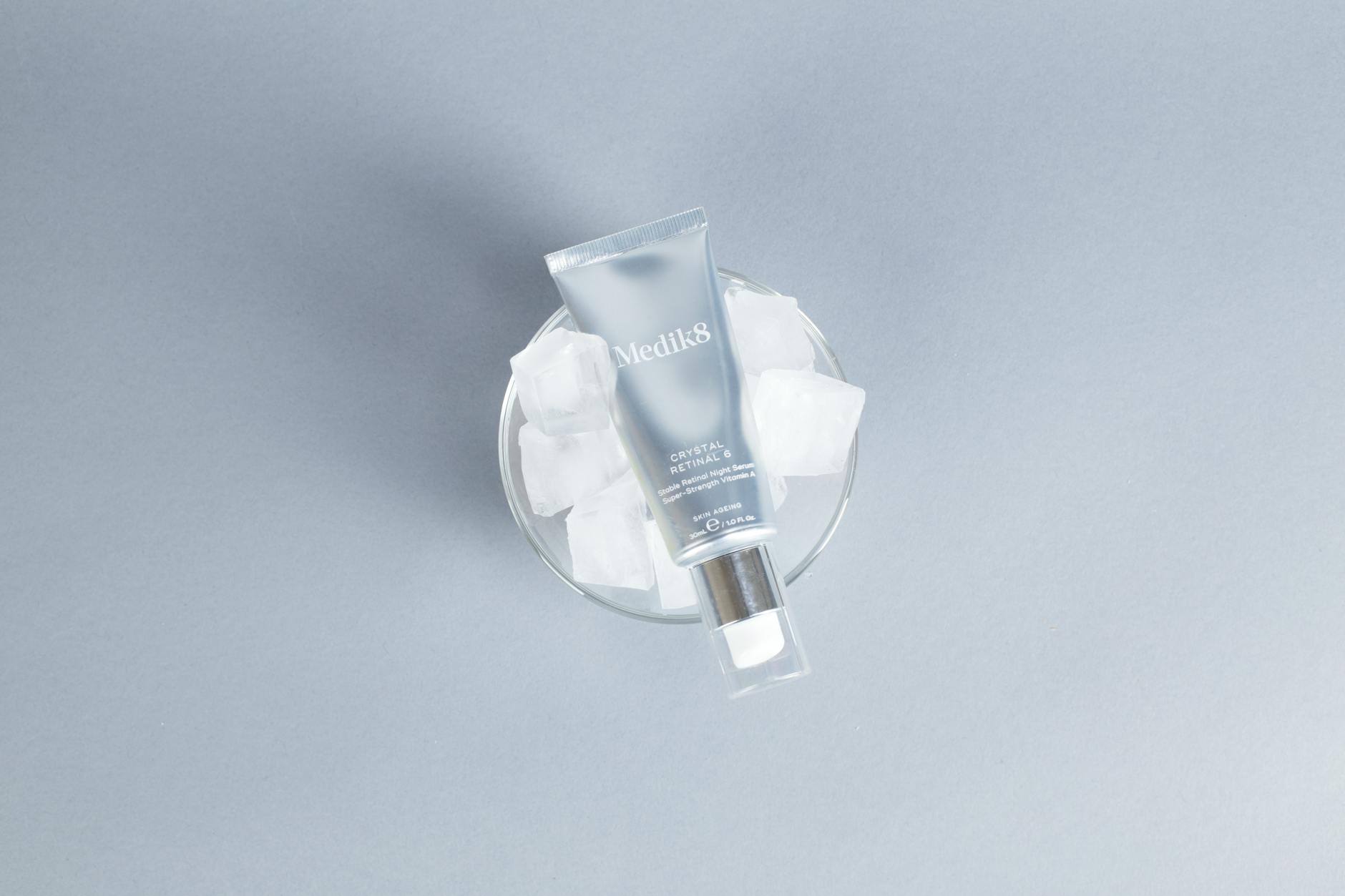
Topical treatments work through different mechanisms: niacinamide reduces inflammatory signaling and strengthens the skin barrier, azelaic acid provides anti-inflammatory and antimicrobial benefits, and tranexamic acid (an emerging option) shows promise specifically for post-inflammatory erythema with minimal side effects. A 4-5% niacinamide serum can produce visible improvements in inflammatory acne redness within 8 weeks of consistent twice-daily use. Tranexamic acid is gaining traction in clinical literature as an evidence-backed option for red marks, though it requires patience and consistent application.
The major limitation here is timeline: while laser treatments show results within weeks, topical products typically require 2-3 months of daily use before meaningful improvement appears. Additionally, topical treatments are most effective for post-inflammatory hyperpigmentation (the discoloration that hasn’t changed skin texture) rather than for atrophic scars or deeper indentations. If your red marks are purely surface-level discoloration from recent inflammation, a good topical regimen may be sufficient; if they involve any texture change or were caused by deeper acne months or years ago, lasers deliver faster and more dramatic results.
Which Treatment Works Better for Different Types of Red Marks
Red acne marks fall into two categories, and this distinction is crucial for choosing the right treatment. Post-inflammatory erythema (PIE)—the flat red marks that are purely vascular in nature—responds exceptionally well to PDL laser, which directly targets the blood vessels. Post-inflammatory hyperpigmentation (PIH)—the discolored but flat marks—may improve with topicals like tranexamic acid or azelaic acid, though results are slower and less dramatic than laser treatment for erythema.
A practical example: a 20-year-old with widespread red marks from cystic acne two years ago likely has atrophic scarring underneath the erythema. PDL combined with fractional CO2 would address both the redness and the indentation. Conversely, a teenager with flat red discoloration from acne that cleared six weeks ago might see adequate improvement from four weeks of niacinamide and azelaic acid—avoiding laser cost and downtime for what is genuinely temporary inflammation. The distinction between these scenarios determines whether you’re looking at a $300 laser session or a $50 topical regimen as your first step.

Combining Laser and Topical Treatments for Optimal Results
The most advanced dermatologists don’t choose between lasers and topicals—they combine them. A typical protocol involves laser sessions spaced 4-6 weeks apart (usually 3-4 sessions), with topical treatments applied consistently between sessions and after the laser series completes. For example, a fractional CO2 laser session followed by weekly PDL treatments with niacinamide and tranexamic acid applied daily during healing creates synergy: the laser addresses structural damage and deep erythema, while the topicals accelerate collagen remodeling and manage residual inflammation.
Recent meta-analyses show that fractional CO2 laser combined with platelet-rich plasma (PRP) achieved the highest cure rates for acne scars, suggesting that combining modalities consistently outperforms single-approach treatments. The practical tradeoff is cost and time commitment: a combined approach typically costs $1,200-2,500 and requires 3-4 months, whereas topicals alone cost $100-200 monthly but take 4-6 months with less dramatic results. However, if your red marks involve any textural component, combining approaches is typically worth the investment.
Realistic Timeline and Limitations for Each Approach
Laser treatments deliver results faster but require commitment to proper aftercare. PDL sessions require 3-5 days of visible redness and peeling; fractional lasers may require a week of downtime. Full results emerge over 8-12 weeks as collagen remodels, though patients see noticeable improvement after the first session. The limitation: laser treatments work best on active or recent red marks; if your erythema is more than two years old, the marks may have shifted from vascular to purely pigmentary, requiring a different approach.
Topical treatments demand consistency but fit seamlessly into daily routines. Niacinamide requires eight weeks minimum to show visible improvement; tranexamic acid may take 12 weeks. The key limitation is that even perfect topical use rarely achieves the 80%+ improvement rates lasers deliver. Additionally, if your red marks involve any skin texture change—indentation, roughness, or crater-like scarring—topicals cannot address the structural component. Many people waste months on topicals hoping for results that only lasers can provide.
Cost and Accessibility Considerations
Laser treatments are expensive, typically $300-600 per PDL session and $500-1,200 for fractional CO2, requiring multiple sessions. Most insurance doesn’t cover cosmetic laser treatments, making the total investment $1,000-5,000 depending on scar severity. Topical treatments, conversely, cost $15-60 per product and are often covered or subsidized, making them accessible for anyone.
Geographic accessibility also matters: quality dermatologic laser facilities are concentrated in urban areas, while topical treatments are universally available. This creates a practical reality: if you have budget constraints or live far from specialized dermatology clinics, starting with niacinamide, tranexamic acid, and azelaic acid is reasonable and evidence-supported. If you have the means and access to a skilled laser dermatologist, lasers deliver outcomes that topicals cannot match for most red acne marks, particularly those with textural involvement.
The 2025 Landscape and Future Directions
The FDA’s recent approval of the 1726-nm sebum-selective laser in 2025 represents a significant shift toward more targeted, multi-mechanism treatments for acne and its aftermath. This laser combines sebum reduction with inflammation management, offering a bridge between traditional spot treatments and comprehensive scar revision. As laser technology advances, treatments that were previously uncomfortable or required significant downtime are becoming more refined and tolerable. Concurrently, research into combination therapies continues expanding—PRP, microneedling, and laser combinations are demonstrating synergistic effects in clinical trials.
The future likely involves personalized treatment plans that stratify patients by scar type (purely vascular vs. atrophic vs. hybrid), skin type, and timeline, with topicals and lasers deployed in precise sequences rather than as competing options. For now, the science is clear: if your red marks involve any textural change or deep erythema, laser treatment from a qualified dermatologist offers superior results; topicals are most valuable for flat, purely pigmentary marks or as supportive care between laser sessions.
Conclusion
Laser treatments, particularly pulsed dye laser and combination fractional therapies, are more effective than topical products alone for reducing red acne marks, achieving up to 82.5% improvement in erythema compared to the slower, more modest results from even high-quality topicals. The choice between them depends on mark type (vascular vs. pigmentary), depth (surface vs. scarred), and your access and budget for treatment.
Topical niacinamide, tranexamic acid, and azelaic acid are evidence-supported, affordable starting points for flat discoloration; however, if your marks involve texture, depth, or widespread erythema, lasers deliver results that months of topical use cannot match. The most effective strategy is often combination therapy: laser sessions to address structural damage and deep redness, with topical support during healing and after treatment completes. Consult a dermatologist who can assess your specific marks under professional examination—they can determine whether your erythema is primarily vascular (ideal for PDL), whether scarring is present (requiring fractional lasers), and whether topicals alone would be sufficient or whether laser intervention is necessary. With the advances in laser technology through 2025, your options for non-invasive improvement have expanded significantly.
Frequently Asked Questions
How long does it take to see results from laser treatment for red acne marks?
Visible improvement appears within 2-3 weeks, with full results developing over 8-12 weeks as collagen remodels. Most people need 3-4 sessions spaced 4-6 weeks apart for optimal results, making the complete timeline typically 3-4 months.
Can topical treatments completely eliminate red acne marks?
Topical treatments like niacinamide and azelaic acid reduce inflammation and redness but rarely eliminate marks entirely, particularly if they involve texture change. They work best for flat, purely pigmentary discoloration and typically achieve 30-50% improvement over several months.
Is pulsed dye laser painful?
PDL causes a snapping sensation during treatment, often described as similar to a rubber band snap. Most practitioners use cooling devices or topical anesthetic to minimize discomfort. The procedure itself is quick (15-30 minutes), though the surrounding skin remains red for 3-5 days afterward.
Can I use topical products while undergoing laser treatment?
Yes, in fact it’s recommended. Topical products support healing between laser sessions and enhance overall results. However, you should avoid harsh actives (retinoids, acids) for 3-5 days immediately after laser treatment to prevent irritation.
Are red acne marks permanent?
Without treatment, post-inflammatory erythema typically fades on its own over 3-12 months as blood vessels reabsorb. However, active treatment (laser or advanced topicals) accelerates this process dramatically. If marks persist beyond 12 months, they often involve some degree of scarring or pigmentary change requiring targeted treatment.
What’s the difference between red marks and acne scars?
Red marks are primarily vascular—the skin hasn’t changed texture. Acne scars involve actual indentation or texture change in the skin. Red marks respond well to PDL; textured scars require fractional CO2 or combination therapy. Many people have both simultaneously, requiring combination treatment.