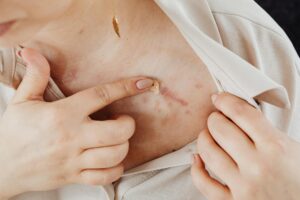
Post-inflammatory erythema (PIE) refers to the persistent red or pink marks left behind after inflammatory acne heals, often lingering for months and frustrating those battling acne. Unlike brown post-inflammatory hyperpigmentation (PIH), PIE stems from damaged capillaries and inflammation rather than excess melanin, making it a common concern for fairer skin tones prone to redness. These marks can undermine confidence and prolong the emotional toll of acne, but understanding targeted treatments offers real hope for clearer skin.
In this article, you'll discover evidence-based strategies to fade PIE, from everyday topicals like niacinamide and retinoids to professional lasers, drawn from dermatologist insights and clinical reviews. Learn prevention tactics to stop new marks from forming, step-by-step application guidance, and expert tips to maximize results without irritation. By the end, you'll have a practical roadmap to reclaim even-toned skin.
Table of Contents
- What Exactly Is PIE and Why Does It Happen?
- How to Prevent PIE from Forming in the First Place
- Proven Topical Treatments That Fade PIE
- Professional In-Office Treatments for Stubborn PIE
- What to Avoid and Common Mistakes with PIE
- How to Apply This
- Expert Tips
- Conclusion
- Frequently Asked Questions
What Exactly Is PIE and Why Does It Happen?
PIE manifests as flat, red spots where pimples once were, triggered by the dilation and damage to tiny blood vessels from acne-induced inflammation. It typically affects those with inflammatory acne like papules, pustules, or cysts, while non-inflammatory types like blackheads rarely cause it.
The redness persists because healing skin struggles to repair vascular damage, sometimes taking 3-12 months to fade naturally without intervention. Severity varies by individual factors like skin tone, acne intensity, and habits such as picking, which worsens inflammation and prolongs marks. Dermatologists emphasize that PIE differs from scars or PIH—it's superficial redness, not textural change or brown pigment—making it responsive to anti-inflammatory and vessel-targeting treatments.
- PIE forms post-acne due to inflamed, broken capillaries, not melanin overproduction.
- Fair skin shows it more visibly, but anyone with inflammatory breakouts is at risk.
- Picking or harsh scrubbing delays healing by adding trauma.
How to Prevent PIE from Forming in the First Place
The most effective defense against PIE is controlling acne inflammation early, as unchecked breakouts directly fuel red marks. Treating active pimples with benzoyl peroxide or salicylic acid kills bacteria and reduces swelling, while avoiding squeezes prevents extra vessel damage.
Gentle cleansing with mild soap supports natural healing without stripping the barrier. Sun protection plays a starring role, since UV rays exacerbate redness and stall repair—daily SPF is non-negotiable for acne-prone skin. Pimple patches offer a hands-off way to heal spots discreetly, curbing the urge to pick and delivering actives like salicylic acid directly.
- Prioritize acne regimens targeting all lesion stages to minimize inflammation.
- Use chemical exfoliants sparingly; skip physical scrubs to avoid micro-tears.
Proven Topical Treatments That Fade PIE
Topical actives shine for at-home PIE management by calming inflammation, boosting turnover, and repairing vessels. Niacinamide, azelaic acid, and vitamin C reduce redness while antioxidants like vitamin E neutralize healing-hindering free radicals.
Retinoids such as retinol or tretinoin accelerate cell renewal, gradually fading marks over weeks to months. Emerging options like tranexamic acid, oxymetazoline, and brimonidine tartrate show promise in clinical reviews for constricting vessels and lightening erythema without major side effects. Start low to avoid irritation, layering with moisturizer for tolerance.
- Niacinamide and azelaic acid soothe and even tone effectively.
- Vitamin C supports collagen and fights inflammation.
Professional In-Office Treatments for Stubborn PIE
For persistent PIE, lasers like pulsed dye laser (PDL), IPL, or vascular-specific ones target red blood vessels precisely, often yielding faster results than topicals alone. Vbeam laser, for instance, breaks down hemoglobin in dilated capillaries, reducing redness with minimal downtime.
These work best after acne is controlled, as active inflammation can worsen outcomes. Chemical peels and microneedling with growth factors offer adjunct benefits by exfoliating and stimulating repair, suiting milder cases or combination PIH/PIE. Always consult a dermatologist experienced in acne scars to avoid aggravation.
What to Avoid and Common Mistakes with PIE
Over-exfoliating or using harsh actives like high-strength acids can inflame skin further, turning temporary PIE permanent. Skipping sunscreen dooms progress, as sun exposure darkens and prolongs redness.
Patience is key—rushing with aggressive combos often backfires on sensitive, acne-prone skin. Don't confuse PIE with PIH; using pigment-lighteners like hydroquinone won't help redness and may irritate. Petroleum jelly aids minor wounds but isn't a standalone fade treatment.
How to Apply This
- Clear active acne first with benzoyl peroxide or salicylic acid spots to halt new PIE.
- Introduce one topical like niacinamide or retinol nightly, building tolerance over 2-4 weeks.
- Layer sunscreen every morning (SPF 30+ for acne skin) and antioxidants daytime.
- Monitor for 8-12 weeks; if no improvement, book a derm for laser assessment.
Expert Tips
- Dr. Sandra Lee stresses spot-treating pimples early to minimize inflammation.
- Pair retinoids with moisturizer to prevent dryness-induced redness.
- Vascular lasers outperform topicals for deep red marks—seek specialists.
- Pimple patches prevent picking, a top PIE aggravator.
Conclusion
Fading PIE requires a multi-pronged approach: prevent via acne control, treat with targeted topicals and pros, and protect relentlessly from sun. Consistency pays off, with many seeing marks soften in 1-3 months using niacinamide, retinoids, and SPF.
Armed with these strategies, you can interrupt the acne-mark cycle and achieve smoother, less red skin. Consult a dermatologist for personalized plans, especially for lasers, to ensure safe, effective results.
Frequently Asked Questions
How long does PIE typically take to fade without treatment?
PIE often resolves in 3-12 months naturally, depending on inflammation severity and skin type.
Can over-the-counter retinols really help PIE?
Yes, retinol boosts cell turnover and reduces redness over weeks, but start slowly to avoid irritation.
Are lasers safe for acne-prone skin?
Vascular lasers like PDL are effective and low-downtime when done by experts, post-acne clearance.
What's the difference between PIE and acne scars?
PIE is flat redness from vessels; scars are textured depressions needing different treatments like fillers.