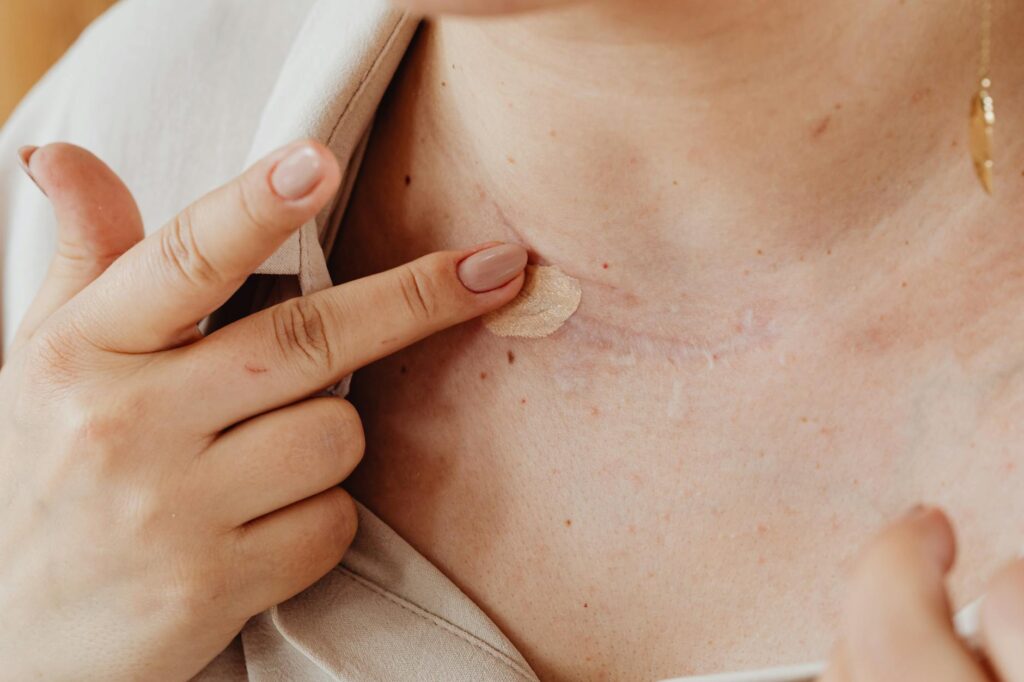
Before an acne scar procedure, focus on anti-inflammatory foods rich in vitamin C, protein, and zinc at least 3-5 days beforehand, with special attention to hydration and antioxidant-dense options in the 24 hours immediately preceding treatment. A typical pre-procedure meal might include grilled salmon with roasted broccoli and sweet potato—foods that support collagen synthesis and minimize inflammation before your skin undergoes controlled trauma. Proper pre-procedure nutrition accelerates healing, reduces bruising and swelling, and can significantly improve outcomes from laser treatments, microneedling, chemical peels, and other scar revision procedures. This article covers the specific foods to prioritize, timing strategies, nutrients that matter most, and practical meal planning for the days leading up to your appointment.
Table of Contents
- Why Nutrition Matters Before Acne Scar Procedures
- Anti-Inflammatory Foods That Support Skin Healing
- Protein and Vitamin C for Collagen Foundation
- Foods to Avoid and Pre-Procedure Timing Strategies
- Hydration and Hidden Inflammatory Foods
- Practical Pre-Procedure Day Meal Planning
- Recovery Nutrition Timeline Beyond Procedure Day
- Conclusion
- Frequently Asked Questions
Why Nutrition Matters Before Acne Scar Procedures
Your skin barrier and healing capacity depend directly on nutrient status in the weeks and days before a procedure. When you receive treatment—whether laser, microneedling, or chemical peels—your body initiates an inflammatory response to stimulate collagen remodeling and scar improvement. However, starting with poor nutritional status means your immune system and fibroblasts (collagen-producing cells) have fewer resources to work with.
Studies on surgical wound healing consistently show that protein, vitamin C, zinc, and antioxidants significantly reduce complications, minimize excess inflammation, and accelerate tissue repair. For example, patients with adequate vitamin C levels show faster epithelialization (skin surface healing) compared to those with deficiency, a difference that compounds over the weeks of scar remodeling post-procedure. Starting your pre-procedure nutrition window at least 3-5 days before treatment—and ideally 2-4 weeks if you’re planning ahead—gives your body time to build up nutrient reserves and prime healing pathways.
Anti-Inflammatory Foods That Support Skin Healing
Omega-3 fatty acids are foundational for pre-procedure nutrition because they suppress systemic inflammation without suppressing the localized, beneficial inflammation your procedure needs at the treatment site. Fatty fish (salmon, sardines, mackerel), ground flaxseed, chia seeds, and walnuts are practical sources; a 3-4 ounce serving of salmon provides roughly 2,500mg of EPA and DHA, nutrients that dampen pro-inflammatory cytokines your body would otherwise overproduce in response to procedure-induced injury.
Berries—blueberries, blackberries, strawberries—contain anthocyanins that reduce oxidative stress, which is particularly relevant because laser and chemical treatments generate reactive oxygen species that, left unchecked, slow healing and increase scarring risk. However, if you have a history of berry allergies or salicylate sensitivity, substitute with other antioxidant-rich options like dark leafy greens (spinach, kale) or orange-fleshed vegetables (carrots, sweet potato); the mechanism matters more than the specific food. Green tea, when consumed as cooled or warm beverage (not scalding), provides EGCG polyphenols that enhance collagen stability—aim for 2-3 cups daily in your pre-procedure week.
Protein and Vitamin C for Collagen Foundation
Collagen synthesis requires adequate protein (amino acids, particularly glycine, proline, and hydroxyproline) and vitamin C as a cofactor for hydroxylation enzymes. Without sufficient protein intake, your fibroblasts cannot manufacture new collagen matrix to repair scars, making the procedure significantly less effective. Lean protein sources—chicken breast, turkey, Greek yogurt, eggs, legumes—should anchor each meal; aiming for 25-35g of protein per meal ensures amino acid availability when your body needs it most.
Vitamin C should come from both food sources and potentially supplementation; while 200mg daily is the baseline RDA, pre-procedure nutrition benefits from 500-1000mg daily from sources like citrus, kiwi, bell peppers, and broccoli. A practical example: a breakfast of 2 eggs scrambled with a cup of chopped bell peppers and a side of grapefruit delivers roughly 20g protein, 90mg vitamin C from the peppers, and additional lutein from egg yolks—all supporting collagen remodeling. If you’re supplementing vitamin C (which many dermatologists recommend before procedures), take it with food to improve absorption and minimize stomach irritation.

Foods to Avoid and Pre-Procedure Timing Strategies
Sugar and processed foods actively impair healing by promoting glycation (cross-linking of proteins in a non-functional way) and amplifying inflammatory signaling. This doesn’t mean eliminating carbohydrates—whole grains, legumes, and starchy vegetables like sweet potato provide glucose for healing—but refined sugars, added sweeteners, and ultra-processed snacks should drop to near-zero in your pre-procedure week. Alcohol dehydrates tissue and impairs immune function; stop alcohol consumption at least 48 hours before your appointment, ideally 7 days if possible, to allow fluid status and liver detoxification capacity to normalize.
High-sodium processed foods increase fluid retention and puffiness, which complicates post-procedure assessment and extends downtime; aim for <2300mg sodium daily in your final week. On the day of your procedure, eat a normal balanced breakfast 2-3 hours beforehand (not on an empty stomach, which can cause dizziness during treatment), but avoid heavy meals that might cause nausea if you're receiving sedation or nervousness-triggered stomach upset. For example, a 300-calorie meal of oatmeal with berries and almonds 2.5 hours pre-treatment provides sustained energy without the bloating risk of a large meal.
Hydration and Hidden Inflammatory Foods
Hydration status directly affects skin turgor, wound fluid balance, and healing velocity—aim for at least 3 liters of water daily in your pre-procedure week, more if you exercise regularly or live in a dry climate. However, if you have inflammatory conditions like rosacea or are prone to histamine sensitivity, certain foods marketed as “healthy” can backfire. Fermented foods (kimchi, sauerkraut, aged cheese), cured meats, tomatoes, and citrus can trigger histamine-mediated inflammation in sensitive individuals, potentially worsening baseline redness before your scar procedure even begins.
If you suspect histamine sensitivity (you experience flushing, itching, or worsening rosacea after certain foods), stick to fresh proteins, neutral vegetables like broccoli and green beans, and fresh fruits like bananas and apples in your final week. Caffeine is another consideration: while moderate caffeine (200mg daily, roughly one 8oz cup of coffee) doesn’t impair healing, excessive intake can increase cortisol and catecholamines, potentially amplifying the inflammatory response your procedure induces. Limiting caffeine to one coffee in the morning (not afternoon/evening) for 3-5 days before treatment can help you stay calmer and more grounded during the procedure itself.

Practical Pre-Procedure Day Meal Planning
A sample 3-day pre-procedure nutrition plan demonstrates real-world execution. Day 1 (3 days before): Breakfast—Greek yogurt with blueberries and ground flaxseed; Lunch—grilled chicken breast with roasted sweet potato and spinach; Dinner—baked salmon with Brussels sprouts and quinoa. Day 2 (2 days before): Breakfast—eggs scrambled with bell peppers and whole-grain toast; Lunch—turkey and avocado wrap with extra leafy greens; Dinner—lean ground turkey meatballs with marinara (homemade, low-sugar) over zucchini noodles.
Day 3 (day of procedure): Breakfast (2-3 hours pre-treatment)—oatmeal with sliced banana and almond butter; Post-procedure—bone broth or a smoothie with protein powder, banana, and spinach (once you’re home and any topical numbing agent has worn off). This structure ensures 25-30g protein per meal, consistent micronutrient intake, and avoids the processed, sugary, high-sodium foods that undermine healing. You don’t need special “recovery supplements”—whole food sources of protein, vitamin C, zinc (found in shellfish, beef, pumpkin seeds), and antioxidants accomplish more than isolated supplement formulations.
Recovery Nutrition Timeline Beyond Procedure Day
Your nutritional strategy doesn’t end when the procedure concludes—the 2-4 weeks post-treatment is when collagen remodeling accelerates, making continued protein and micronutrient adequacy critical. Maintain the same anti-inflammatory, nutrient-dense eating pattern you established pre-procedure, with particular attention to protein (28-35g per meal supports fibroblast activity) and continued vitamin C intake (500-1000mg daily).
If you experienced significant downtime or swelling post-procedure, salt intake can be slightly restricted for the first 3-5 days to minimize edema, then normalized. Many patients find that continuing the pre-procedure nutrition strategy through the entire healing window—typically 6-8 weeks for most scar procedures—produces noticeably superior results compared to returning to casual eating after treatment. Forward-looking: as personalized medicine advances, pre- and post-procedure nutrition protocols will likely become more individualized based on genetic variants in collagen synthesis (like COL1A1 polymorphisms) and inflammatory response pathways, but for now, the foundational approach of adequate protein, vitamin C, omega-3s, and antioxidants applies universally.
Conclusion
Eating well before an acne scar procedure—focusing on protein, vitamin C, omega-3 fatty acids, antioxidants, and consistent hydration while avoiding sugar, excess alcohol, and processed foods—measurably accelerates healing and improves outcomes.
The optimal window is 3-5 days of concentrated attention to these nutrients, ideally building on 2-4 weeks of consistent good nutrition if you’re planning ahead. Starting this pre-procedure nutrition strategy now, before you schedule your appointment, means your body will be primed and ready to mount an efficient, productive healing response when treatment day arrives.
Frequently Asked Questions
Can I take supplements instead of eating these foods?
Whole foods are superior because they provide nutrient combinations, cofactors, and fiber that isolated supplements cannot replicate. A food-first approach is always preferable; supplements fill gaps, not replace meals. If supplementing, focus on vitamin C (500-1000mg), a quality fish oil or algae omega-3 source, and zinc (15-25mg) only if dietary intake is low.
What if I have dietary restrictions (vegetarian, vegan, allergies)?
Vegetarian patients can substitute poultry and fish with legumes (lentils, chickpeas), tofu, tempeh, and hemp seeds for protein; vitamin C and antioxidants remain the same. Vegan patients should prioritize algae-based omega-3 supplements (EPA/DHA) since plant-based ALA conversion is inefficient. Allergies require substitution within nutrient categories—cannot tolerate fish, use flaxseed and walnuts; cannot tolerate eggs, use Greek yogurt and legumes.
How many days before my procedure should I start eating this way?
Ideally, 2-4 weeks for maximum tissue priming, but meaningful benefit occurs with 3-5 days of concentrated nutrition. If you’re scheduling last-minute, even 3 days of optimal eating is better than nothing; start immediately once you confirm your appointment date.
Should I eat the morning of my procedure?
Yes—eat a balanced, moderate-sized meal 2-3 hours before treatment (roughly 300-500 calories with protein and complex carbs). Fasting increases dizziness and nausea risk during the procedure, while heavy eating can cause discomfort if you’re nervous or receiving numbing agents.
Will diet alone improve my scar results?
Diet is one of several factors determining outcome; procedure technique, skin type, scar depth, and post-procedure sun protection are equally important. Excellent nutrition amplifies the procedure’s effectiveness but cannot substitute for proper technique or dermatologic assessment.
What should I eat immediately after the procedure?
Once you’re home and any topical numbing has worn off, restart normal meals focused on protein and hydration. Bone broth, protein smoothies, scrambled eggs, or soft proteins like shredded chicken are practical options if your face feels tender or swollen. Continue the same nutrient-dense eating pattern for 6-8 weeks post-treatment.