The window of opportunity for treating acne scars is narrower and more valuable than most people realize. Research shows that treating scars sooner rather than later produces dramatically better results—the younger you are when you address them, and the fresher the scars themselves, the more successful treatment becomes and the faster you’ll see improvement. This is because newer scars are still actively remodeling, with skin cells and collagen in a more responsive state, while older scars develop deeper structural changes that require far more aggressive intervention to address.
A 25-year-old treating scars from teenage breakouts will see results in months and with fewer sessions than a 45-year-old addressing the same scars left untreated for decades. This article explores the critical timing factors that determine treatment success for acne scars. We’ll examine why scar age matters so much, what types of scars can fade on their own, when you should start treatment, how long the process typically takes, and what realistic timelines look like for actual results. Understanding these windows of opportunity helps you make an informed decision about whether to pursue treatment now or risk paying a far higher cost—in both time and money—later.
Table of Contents
- Why Scar Age Makes Such a Dramatic Difference in Treatment Outcomes
- Understanding Which Scars Fade Naturally and Which Require Professional Treatment
- Why Age Affects How Quickly Your Skin Responds to Scar Treatment
- When You Should Actually Begin Treatment: The Active Acne Prerequisite
- How Long Scar Treatment Actually Takes: Sessions, Spacing, and the Collagen Regeneration Timeline
- When You’ll Actually See Results: Realistic Expectations at Each Stage
- Modern Treatment Advances and the Seasonal Timing Advantage
- Conclusion
Why Scar Age Makes Such a Dramatic Difference in Treatment Outcomes
Acne scars aren’t static. When a breakout damages the dermis beneath your skin’s surface, your body begins a healing process that can last months or even years as collagen reorganizes and remodels. During the first weeks and months after a scar forms, the tissue is still malleable and responsive to treatment. Newer scars sometimes respond faster to professional treatment than older ones, meaning the same laser or chemical peel treatment that might require 12 sessions on a five-year-old scar could produce comparable results in just 6 sessions on a fresh scar.
For example, an atrophic boxcar scar from acne that occurred three months ago will typically respond more quickly to laser resurfacing than an identical-looking scar that’s been present for ten years. This responsiveness advantage fades as time passes. The longer a scar persists without treatment, the more the collagen cross-links and stabilizes, making it progressively harder for your skin to remodel. What this means in practical terms: if you have noticeable scars right now, starting treatment today is almost certainly going to get you better results in less time than waiting another year or two. The difference isn’t marginal—untreated scars become significantly more costly to treat later, requiring longer treatment courses and higher session counts to achieve the same level of improvement.
Understanding Which Scars Fade Naturally and Which Require Professional Treatment
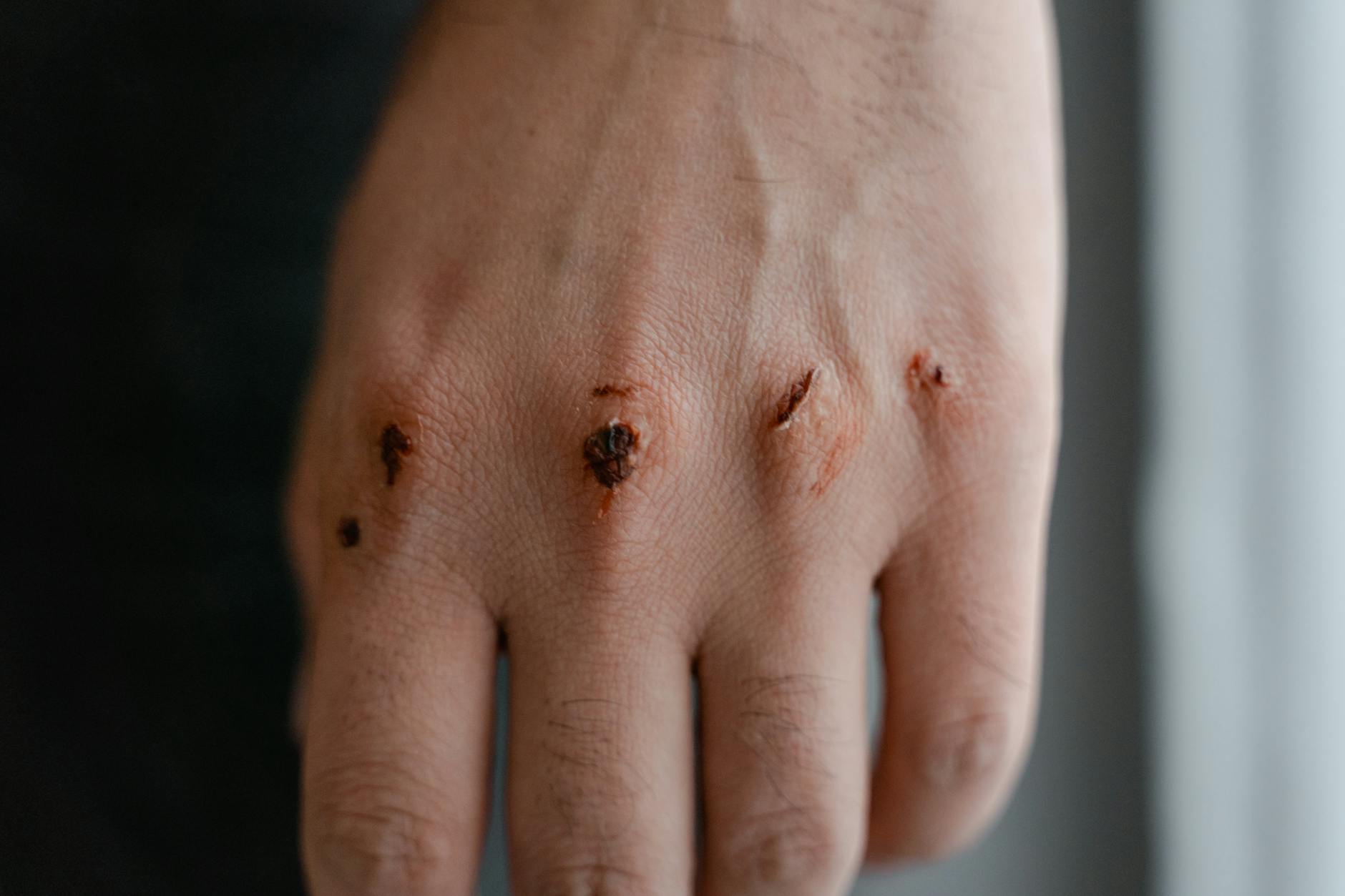
Not all acne scars require treatment. Some scars, particularly very mild ones, can improve substantially on their own if you give them enough time and sun protection. Research suggests that some acne scars measuring 1.5 millimeters or smaller may resolve spontaneously within 12 weeks, indicating that atrophic scarring has some dynamic characteristics. This is encouraging if you have very shallow scars from recent breakouts—they may fade without intervention. However, this spontaneous improvement is limited to only the smallest scars; deeper or larger scars rarely follow this trajectory.
Hyperpigmentation scars—the discolored marks left behind by inflammation—have their own distinct timeline. These can take anywhere from 3 to 24 months to fade naturally, depending on your skin tone and sun exposure. If you have just red or brown marks where acne was, avoiding sun and using SPF gives these marks the best chance to fade. However, true atrophic scars (the indented, pitted ones—including boxcar, rolling, and ice pick varieties) and hypertrophic scars (raised scars) require professional treatment. The difference is crucial: you cannot wait out a depressed scar the way you might wait out discoloration. These structural changes won’t improve on their own no matter how much time passes.
Why Age Affects How Quickly Your Skin Responds to Scar Treatment
Beyond the age of the scar itself, your actual age significantly influences how well you’ll respond to treatment. Younger skin has more robust collagen production capacity and heals more efficiently, meaning that the same laser treatment will stimulate collagen regeneration faster and more abundantly in a 20-year-old than in a 55-year-old. This is a documented advantage: the American Academy of Dermatology notes that the younger you are when you treat scars, the more successful the outcomes will be and results appear more quickly. This age advantage reflects a simple biological reality—older skin requires much more stimulation to produce sufficient new collagen compared to younger skin.
The practical implication is that if you’re in your teens or twenties with acne scars, pursuing treatment now will likely yield dramatic improvements in a relatively short timeframe. That same treatment at age 50 might produce visible improvement, but it will take longer and may require more aggressive or frequent sessions. This doesn’t mean older adults shouldn’t treat their scars, but it does mean the window of opportunity—where the ease and speed of improvement are greatest—is widest when you’re younger. Someone who addresses their acne scars in their twenties might achieve 80% improvement in 6 months, while the same person waiting until their forties might need 12 to 18 months for comparable results.
When You Should Actually Begin Treatment: The Active Acne Prerequisite
Before you schedule your first scar treatment session, there’s one critical requirement: your active acne must be under control or have stopped entirely. Starting scar treatment while breakouts are still occurring can cause unwanted side effects and reduce treatment effectiveness. The logic is straightforward—if you’re using a resurfacing laser or microneedling treatment to stimulate healing in scarred areas while new acne continues to inflame your skin, you’re fighting against your own healing process. Additionally, active acne can get worse with certain treatments, and you risk treating areas that might improve on their own once the acne clears. This prerequisite means timing matters in a different way than you might expect.
You don’t necessarily want to treat your scars immediately after your last breakout clears. Instead, wait until you’ve established that your acne is genuinely controlled—typically several months of clear skin or minimal breakouts. Work with a dermatologist to get your acne under control first, usually through topical treatments, oral medications like isotretinoin, or other interventions. Only once your acne is truly managed should you shift focus to scar treatment. This sequencing often adds several months to your timeline, but it’s essential for safety and results.
How Long Scar Treatment Actually Takes: Sessions, Spacing, and the Collagen Regeneration Timeline
Treatment duration varies dramatically based on scar severity and type. For mild to moderate scars, expect 3 to 8 months with 3 to 8 treatment sessions spaced approximately one month apart. Severe scarring extends treatment to one year or longer, as improvement happens gradually through cumulative collagen regeneration. The spacing between sessions isn’t arbitrary—it’s based on your skin’s biological healing timeline. Your skin requires a minimum of 4 to 6 weeks between sessions to complete collagen regeneration; shorter intervals reduce effectiveness and increase irritation risk, while longer intervals don’t provide additional benefit.
This means you can’t accelerate results by getting treated more frequently. A patient eager to see quick results might be tempted to schedule sessions every two weeks instead of monthly, but this approach actually backfires. The skin hasn’t completed its collagen-building phase from the previous treatment, so the next session provides less stimulation for new collagen formation. You end up with weaker overall results, more irritation, and actually longer to reach your final outcome. The month-long spacing is the rhythm your skin naturally follows for optimal healing and new collagen production, so working with it rather than against it produces the best timeline.

When You’ll Actually See Results: Realistic Expectations at Each Stage
Most patients notice their first visible changes within 2 to 4 weeks of the first treatment, typically manifesting as subtle texture smoothing rather than dramatic depressing reduction. This early improvement is encouraging but can be misleading—it’s mostly surface-level skin improvement and temporary inflammation reduction, not the deeper structural changes that constitute real scar reduction. Meaningful reduction in scarring becomes visible after 2 to 3 months of treatment, once you’ve completed several sessions and collagen has begun substantive remodeling. This is usually when patients start seeing obvious improvement when they look in the mirror, rather than just noticing during a dermatologist consultation.
Optimal results emerge 6 to 12 months post-treatment as collagen remodeling completes, and your skin continues improving for months afterward even after you’ve finished your session series. This extended timeline surprises many patients who expect to look fully improved immediately after their final treatment. Understanding this timeline prevents disappointment—you’re not done improving when your last session ends; you’re at the beginning of the final remodeling phase. Patience during this window is important because rushing to additional treatments before this natural remodeling completes can interfere with results.
Modern Treatment Advances and the Seasonal Timing Advantage
Recent research from 2024-2025 has revealed promising advances in scar treatment efficiency. Picosecond laser treatment combined with low-dose oral isotretinoin shows safe and effective results, enhancing scar clearance and improving patient satisfaction without observed adverse effects. This combination approach represents a shift toward multimodal strategies that integrate multiple technologies—chemical peels, laser resurfacing, microneedling, and dermal fillers—applied strategically to enhance outcomes while reducing overall treatment burden. Rather than relying solely on one technology, dermatologists increasingly combine approaches to target different aspects of scarring simultaneously.
Seasonal timing adds another layer to your treatment window strategy. Many effective scar treatments make skin highly sensitive to sun exposure, significantly increasing risk of hyperpigmentation and potentially undoing your results. Autumn and winter treatment is preferable to summer, allowing you to complete sessions and early healing phases when you’re naturally less exposed to intense UV radiation. If you’re considering treatment, planning for fall or winter sessions means you can wear protective clothing, avoid beach trips, and use aggressive SPF without disrupting your social schedule. Conversely, starting treatment in June means managing sun protection during outdoor season when it’s most challenging.
Conclusion
The window of opportunity for treating acne scars is real and it narrows over time. The combination of scar age, your age, and how your body’s collagen production capacity all converge to make early treatment dramatically more effective than delayed treatment. Newer scars in younger skin respond fastest to treatment, while older scars in aging skin require progressively longer timelines and more aggressive approaches.
This doesn’t mean you should panic into treatment immediately, but it does mean that any delay carries a genuine cost—both in terms of how long treatment will take and how good your final results can be. If you currently have noticeable acne scars, the practical next step is a consultation with a dermatologist who can assess your scar type, severity, and skin characteristics to recommend an appropriate treatment plan and timeline. Even starting this year rather than next year meaningfully improves your outcomes. The best time to treat acne scars was yesterday; the second-best time is today.