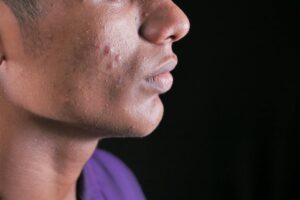
The future of acne treatment is heading toward easier access, smarter personalization, and gentler options that work with your skin instead of against it. Companies are rolling out new products and tech that promise quicker results with fewer side effects.
One big change coming soon is over-the-counter kits you can grab without a prescription. Dermata Therapeutics plans to launch the first such acne kit in mid-2026. It uses Spongilla technology from a freshwater sponge. Tiny spicules from the sponge go into your skin to unclog pores, exfoliate, and deliver ingredients deep down. This tech proved itself in clinical trials for moderate to severe acne, and the kit will be a once-weekly treatment you can use at home or get from pros like estheticians.[1]
The overall acne market is booming too. Experts predict it will hit about 9 billion dollars by 2027, with skincare products making up over 40 percent of that. More adults are dealing with acne from stress and pollution, so brands are creating natural mixes with things like salicylic acid, niacinamide, and retinoids. People want clean ingredients they can trust, with no pore-clogging stuff, and many pick plant-based options like tea tree oil or willow bark. Over 60 percent of buyers now care about sustainable packaging.[2]
Personalization is taking center stage. Online sales jumped 23 percent recently, thanks to AI tools that scan your skin and suggest custom routines for issues like hormonal acne or cystic spots. Hybrid products mix acne fighters with anti-aging perks to fix breakouts without speeding up wrinkles, which is great for grown-ups.[2]
On the doctor side, new combos like IDP-126 blend adapalene, retinol, and benzoyl peroxide to hit both red pimples and blackheads better. Drugs like Winlevi, a cream that blocks hormones on the skin, are expanding choices. Lasers, peels, and steroid shots are growing fastest at around 5 percent a year because folks want fast, low-downtime fixes.[4]
Regenerative treatments are sneaking into acne care too. Think salmon sperm DNA fragments, called PDRN, that boost collagen, heal barriers, and fight inflammation. These started in shots or microneedling but could hit creams soon. AI helps doctors tweak plans by checking your skin’s inflammation and pores up close.[3]
Exosomes, peptides, and biostimulators like poly-L-lactic acid pair with devices such as RF microneedling to wake up your skin’s repair system. This inside-out approach rebuilds collagen naturally, helping acne scars and texture without harsh scrubs.[5]
Microbiome-friendly products balance your skin’s good bacteria, while advanced peptides and gentle exfoliants keep things mild. Gender-specific formulas are popping up for underserved groups.[2][6]
New drugs and devices in trials could target acne at the gene level by 2026, making treatments even more precise.[7]
Sources
https://www.nasdaq.com/articles/dermata-therapeutics-launch-first-otc-acne-kit-mid-2026
https://www.intelmarketresearch.com/acne-improving-skincare-s-market-22970
https://www.cosmopolitan.com/style-beauty/beauty/a69757862/2026-skincare-trend-predictions/
https://www.mordorintelligence.com/industry-reports/acne-therapeutics-market
https://www.medestheticsmag.com/home/article/22957605/insideout-and-innovative-whats-trending-in-aesthetics-for-2026
https://www.whowhatwear.com/beauty/skin/skincare-trends-2026
http://dermatologytimes.com/view/drugs-to-watch-in-2026
https://www.refinery29.com/en-us/dermatologist-skincare-advice-2026