
The distinction between a dermatologist and an esthetician comes down to one fundamental divide: medical authority. A dermatologist can diagnose what is actually wrong with your skin, prescribe medications to treat it, and perform surgical procedures when necessary. An esthetician cannot do any of those things. For acne specifically, this means that if you are dealing with deep, painful, cystic breakouts that leave scars, an esthetician is not equipped to help you in the way you need. A dermatologist, with over 20,000 hours of clinical training, is the only professional qualified to manage severe acne. But if your acne is mild to moderate, or you are looking for maintenance care and guidance on daily skincare routines, an esthetician may be exactly the right starting point.
This matters more than most people realize because of who is actually seeking help. Roughly 50 million Americans deal with acne every year, yet only about 10 percent of them ever consult a dermatologist. The rest rely on over-the-counter products or advice from non-medical professionals. That gap between the number of people struggling and the number getting appropriate medical care is where the dermatologist-esthetician distinction becomes critical. Choosing the wrong provider for your severity level can mean months or years of wasted time and money, or worse, permanent scarring that could have been prevented. This article breaks down what each professional can and cannot do for acne, when you should see one versus the other, how an integrated approach works for chronic cases, and what recent legislative changes could mean for the scope of esthetician services going forward.
Table of Contents
- Why Does the Dermatologist vs Esthetician Distinction Matter So Much for Acne Treatment?
- What Estheticians Can Actually Do for Acne and Where Their Limits Begin
- The Acne Severity Spectrum and How It Determines Who You Should See
- How a Combined Approach Works for Chronic Acne
- Common Mistakes People Make When Choosing Between the Two
- What Master Esthetician Licenses Could Change
- Where Acne Care Is Heading
- Conclusion
- Frequently Asked Questions
Why Does the Dermatologist vs Esthetician Distinction Matter So Much for Acne Treatment?
The gap between these two professions is not a matter of degree. It is a difference in kind. Dermatologists complete 12 or more years of post-secondary education, including a bachelor’s degree, four years of medical school, an internship, and a three-year dermatology residency. They must maintain board certification through continuing education. Estheticians, by contrast, complete between 300 and 1,500 hours of training depending on the state, with most states requiring around 600 hours. Both are licensed professionals, but they operate in fundamentally different domains. A dermatologist is a physician. An esthetician is a skincare specialist limited to the outermost layer of skin, the epidermis. For acne, this distinction plays out in concrete ways.
Consider someone in their late twenties with hormonal cystic acne along the jawline. The lesions are deep, inflamed, and occasionally leave dark marks or pitted scars. An esthetician could perform extractions on surface-level comedones, recommend gentle products, and provide facials that improve overall skin texture. But they cannot prescribe spironolactone or tretinoin, they cannot order bloodwork to rule out hormonal imbalances, and they cannot administer a cortisone injection to shrink a painful cyst overnight. about 15 percent of acne sufferers develop severe acne that leads to scarring, and for that population, the medical training of a dermatologist is not optional. It is essential. The confusion arises partly because both professionals work on the same organ and sometimes use overlapping language. An esthetician might describe a “treatment plan” for acne, and a dermatologist might recommend a “skincare routine.” But the legal and clinical boundaries are sharp. Estheticians cannot diagnose skin conditions, cannot affect live tissue, and cannot prescribe. Understanding this is the first step toward getting the right care.
What Estheticians Can Actually Do for Acne and Where Their Limits Begin
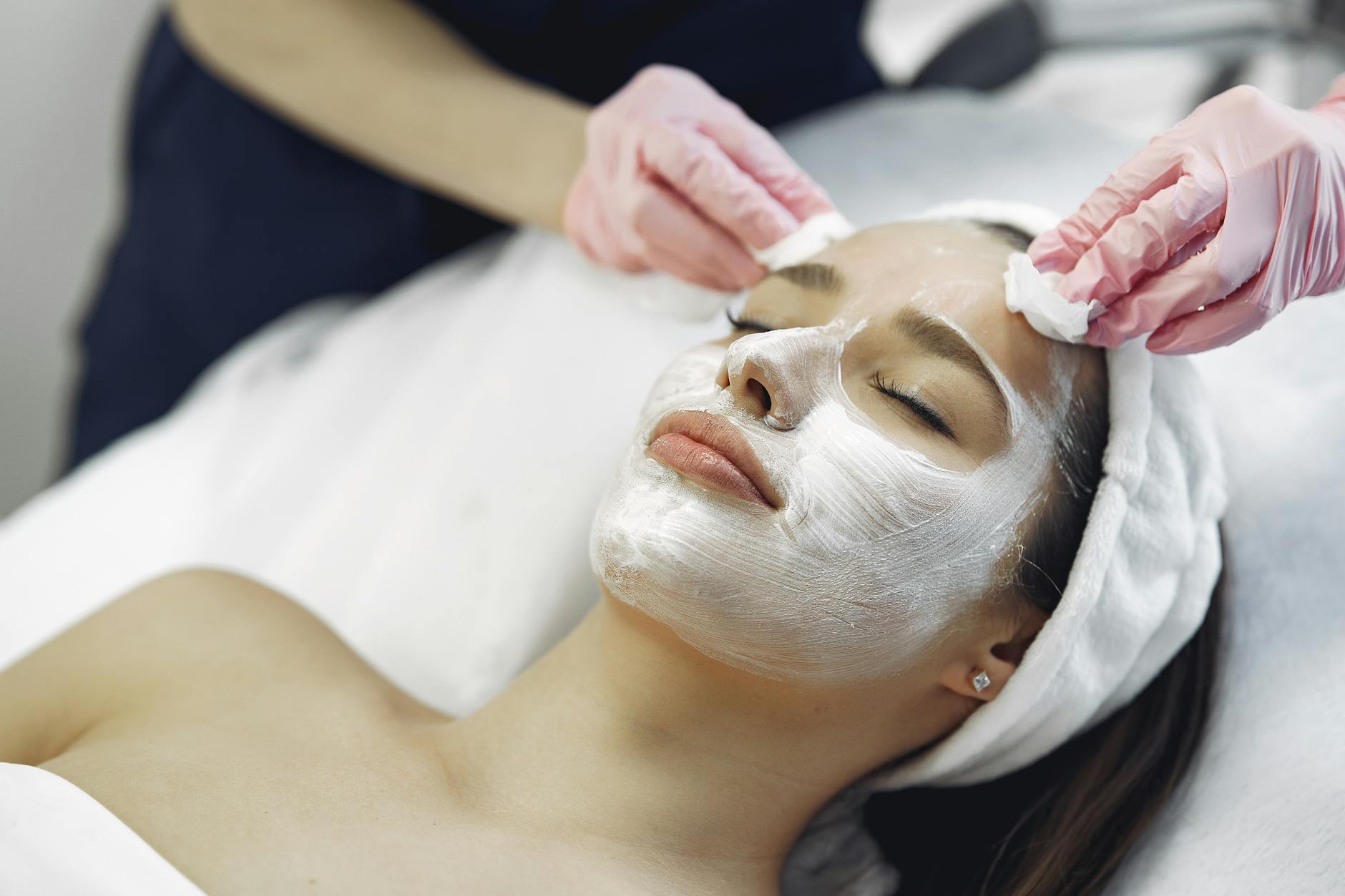
Estheticians provide real value for acne, and dismissing their role entirely would be a mistake. Their scope includes extractions for blackheads and whiteheads, chemical peels using approved concentrations, microdermabrasion, facials designed to reduce congestion, and personalized guidance on cleansers, moisturizers, and sunscreens. For someone with mild comedonal acne who primarily needs help building a consistent routine and clearing surface-level buildup, an esthetician can be highly effective and often more accessible than a dermatologist both in cost and appointment availability. However, if your acne is inflammatory, meaning you regularly see red, swollen bumps or pustules, or if it is leaving any kind of scarring, an esthetician’s toolkit becomes insufficient. They are legally permitted to work only on the epidermis, which means they cannot address the deeper dermal inflammation driving cystic and nodular acne. There is also a diagnostic limitation that matters more than people think. What looks like acne is not always acne.
Conditions like rosacea, perioral dermatitis, fungal folliculitis, and even lupus can mimic acne, and an esthetician is not trained to differentiate between them. Treating fungal folliculitis with acne facials, for instance, can make the condition significantly worse. If your breakouts are persistent, unusual in pattern, or not responding to a reasonable skincare routine after two to three months, that is a signal to see a dermatologist rather than continuing with cosmetic treatments. One important caveat: the quality of esthetician care varies enormously. Some estheticians specialize in acne and invest in advanced continuing education, working closely with dermatologists to coordinate treatment. Others have minimal experience with acne and may recommend products or techniques that aggravate breakouts. Asking about their specific acne training and whether they collaborate with dermatologists is a reasonable way to screen before booking.
The Acne Severity Spectrum and How It Determines Who You Should See
Acne is not one condition. It exists on a spectrum, and where you fall on that spectrum should determine your provider. Mild acne, characterized by occasional whiteheads, blackheads, and small pimples, generally responds well to over-the-counter products and esthetician care. Moderate acne, with more widespread papules and pustules, often benefits from a combination of dermatologist-prescribed topical treatments and esthetician maintenance. Severe acne, involving deep nodules, cysts, and scarring, requires a dermatologist and possibly systemic medications like oral antibiotics, hormonal therapies, or isotretinoin. The statistics on adult acne illustrate why this matters for a wider population than most assume. Acne is not just a teenage problem. Approximately 50 percent of women in their twenties, 33 percent in their thirties, and 25 percent in their forties continue to experience acne.
Adult acne often has a hormonal component that surface-level treatments cannot address. A 35-year-old woman dealing with recurring deep breakouts before her period is not going to resolve that pattern with facials alone. She likely needs a medical evaluation and potentially a prescription. Meanwhile, total prevalent acne cases in the United States exceeded 8.6 million in 2021, representing a rise of over 14.5 percent in the past decade. Females had nearly double the incidence rate compared to males, and children under 14 showed the steepest increase. The burden of acne is growing, and with it the need for clarity about which professional to see when. A practical example: a college student with forehead congestion consisting mostly of closed comedones and small whiteheads would be well served by an esthetician who can perform regular extractions and recommend a non-comedogenic routine. That same student’s roommate with painful, deep cysts on her cheeks and jaw needs a dermatologist, full stop. The severity, not the desire for help, should drive the choice.

How a Combined Approach Works for Chronic Acne
For people with chronic or recurring acne, the most effective strategy is often not choosing between a dermatologist and an esthetician but using both. The dermatologist addresses the medical side: diagnosing the type and grade of acne, prescribing appropriate medications, monitoring for side effects, and adjusting treatment as needed. The esthetician handles the cosmetic maintenance: clearing surface congestion, improving skin texture, reducing post-inflammatory hyperpigmentation through peels, and reinforcing proper daily skincare habits. This integrated model works because acne has both medical and cosmetic dimensions. Medication can stop new breakouts, but it does not necessarily address the textural damage left behind. The tradeoff is cost and coordination. Dermatologist visits, especially for established patients on a stable regimen, might be quarterly. Esthetician appointments might be monthly.
Insurance typically covers dermatology but not esthetic services, so the combined approach is more expensive out of pocket. There is also the coordination challenge. Not all dermatologists communicate with their patients’ estheticians, and not all estheticians are comfortable working within a dermatologist’s treatment plan. The best outcomes happen when both providers are aware of what the other is doing. If your dermatologist has you on tretinoin, for example, your esthetician needs to know that before performing a chemical peel, because the combination can cause severe irritation. Without that communication, the combined approach can do more harm than good. It is worth noting that over $6 billion is spent annually on acne treatments in the United States. A significant portion of that spending is driven by trial and error with products that are not matched to the actual type and severity of acne being treated. A proper diagnosis from a dermatologist at the outset can actually save money in the long run by eliminating the guesswork.
Common Mistakes People Make When Choosing Between the Two
The most frequent mistake is defaulting to an esthetician because dermatologist appointments are hard to get. Wait times for a new patient dermatology appointment can stretch to months in many parts of the country. During that wait, people turn to estheticians or keep cycling through drugstore products, sometimes allowing moderate acne to progress to severe acne with scarring. If you cannot get a dermatology appointment quickly, a primary care physician or urgent care provider can often prescribe basic acne medications like topical retinoids or antibiotics to bridge the gap. Another common error is seeing a dermatologist for mild acne that does not warrant medical intervention. A person with a handful of blackheads and an occasional small pimple does not necessarily need prescription medication. Dermatologists are trained to treat disease, and they are most valuable for acne that meets a clinical threshold of severity.
Going to a dermatologist for very mild acne can result in being prescribed medications with side effects that are disproportionate to the problem. An esthetician is often the more proportionate and practical choice for genuinely mild cases. A third mistake, and perhaps the most damaging, is seeing an esthetician for acne that is clearly scarring and treating those visits as a substitute for medical care. Female patients represent nearly two-thirds of dermatological visits for acne, and acne visits among adult females are 2.5-fold higher than among adult males. That gender disparity in who actually seeks dermatological care suggests that many men with moderate to severe acne are underserved, either not seeking care at all or relying on non-medical providers. Scarring is permanent in most cases. The window to prevent it with proper medical treatment is limited.
What Master Esthetician Licenses Could Change
Pending legislation in several states would create a master esthetician license requiring 900 hours of training, which would permit expanded services including laser treatments, intense pulsed light therapy, microneedling, and radiofrequency treatments. If these laws pass, it would meaningfully expand the acne-related services estheticians can offer, particularly for post-acne scarring and hyperpigmentation. Microneedling, for example, has strong evidence for improving atrophic acne scars, and broadening access to it through trained estheticians could help patients who cannot afford or access dermatologist-administered procedures.
That said, expanded scope does not change the fundamental diagnostic limitation. Even a master esthetician with 900 hours of training would not be qualified to diagnose skin conditions, prescribe medications, or manage systemic acne treatments. The legislative changes are about adding tools to the cosmetic toolkit, not blurring the line between medical and non-medical care. For patients, the practical implication is that estheticians may soon be able to offer more advanced treatments for acne scarring and maintenance, but the core decision about when to see a dermatologist versus an esthetician will remain the same.
Where Acne Care Is Heading
The growing burden of acne in the United States, with total cases rising over 14.5 percent in the past decade and the steepest increases among children under 14, suggests that demand for both dermatological and esthetic acne services will continue to increase. The teledermatology expansion that accelerated during the pandemic has made dermatologist consultations more accessible for initial evaluations and follow-ups, which could help close the gap between the 50 million Americans affected by acne and the mere 10 percent who currently see a dermatologist. At the same time, the esthetics industry is becoming more professionalized, with stronger licensing requirements, continuing education standards, and growing collaboration with medical providers.
For people dealing with acne now, the most productive shift in thinking is to stop viewing dermatologists and estheticians as interchangeable options and start viewing them as complementary providers serving different functions. The question is not which one is better. It is which one your skin needs right now, and whether the answer might be both.
Conclusion
The dermatologist-esthetician distinction is not academic. It has direct consequences for acne outcomes. A dermatologist brings medical training, diagnostic capability, and prescribing authority that are irreplaceable for moderate to severe acne, hormonal acne, and any acne that scars. An esthetician brings accessible, surface-level care that genuinely helps with mild acne, routine maintenance, and cosmetic improvement.
Confusing their roles, or substituting one for the other at the wrong severity level, leads to wasted time, wasted money, and in the worst cases, permanent scarring. If your acne is mild and primarily cosmetic, start with a well-qualified esthetician. If it is inflamed, painful, leaving marks, or not responding to several months of over-the-counter treatment, see a dermatologist. And if your acne is chronic and you have access to both, the integrated approach of medical treatment plus cosmetic maintenance is the most effective path forward. The key is matching the provider to the problem.
Frequently Asked Questions
Can an esthetician treat cystic acne?
No. Cystic acne involves deep, inflamed lesions beneath the epidermis, which falls outside an esthetician’s legal scope of practice. Estheticians are limited to the outermost layer of skin and cannot diagnose conditions or prescribe medications. Cystic acne requires a dermatologist who can prescribe systemic treatments such as oral antibiotics, hormonal therapies, or isotretinoin.
How do I know if my acne is severe enough for a dermatologist?
If your acne includes deep or painful lesions, if it is leaving scars or dark marks, if it has not responded to over-the-counter treatments after two to three months, or if you suspect a hormonal component, you should see a dermatologist. About 15 percent of acne sufferers develop severe acne leading to scarring, and early medical intervention is the best way to prevent permanent damage.
Are esthetician facials worth it if I am already seeing a dermatologist?
They can be, especially for maintenance. An esthetician can perform extractions, improve skin texture through peels or microdermabrasion, and help you stick to a good daily routine. The key is making sure your esthetician knows what medications you are on, since certain prescriptions like tretinoin can make skin more sensitive to esthetic procedures.
Why do so few acne sufferers see dermatologists?
Despite 50 million Americans being affected by acne annually, only about 10 percent consult a dermatologist. Barriers include long wait times for appointments, cost concerns, lack of insurance coverage, and the widespread availability of over-the-counter products that people try first. Many people also do not recognize their acne as a medical condition warranting professional treatment.
Will the new master esthetician licenses change what estheticians can do for acne?
Pending legislation in some states would create a master esthetician license requiring 900 hours of training, allowing expanded services like laser therapy, microneedling, and radiofrequency treatments. These tools could help with acne scarring and skin texture. However, master estheticians still would not be able to diagnose skin conditions or prescribe medications, so the fundamental distinction from dermatologists remains.
Is adult acne different from teenage acne in terms of who should treat it?
Adult acne, which affects roughly 50 percent of women in their twenties and persists into the thirties and forties, often has a hormonal component that requires medical evaluation and prescription treatment. Teenage acne can range from mild comedonal acne manageable with esthetician care to severe inflammatory acne requiring a dermatologist. In both cases, severity rather than age should drive the choice of provider.