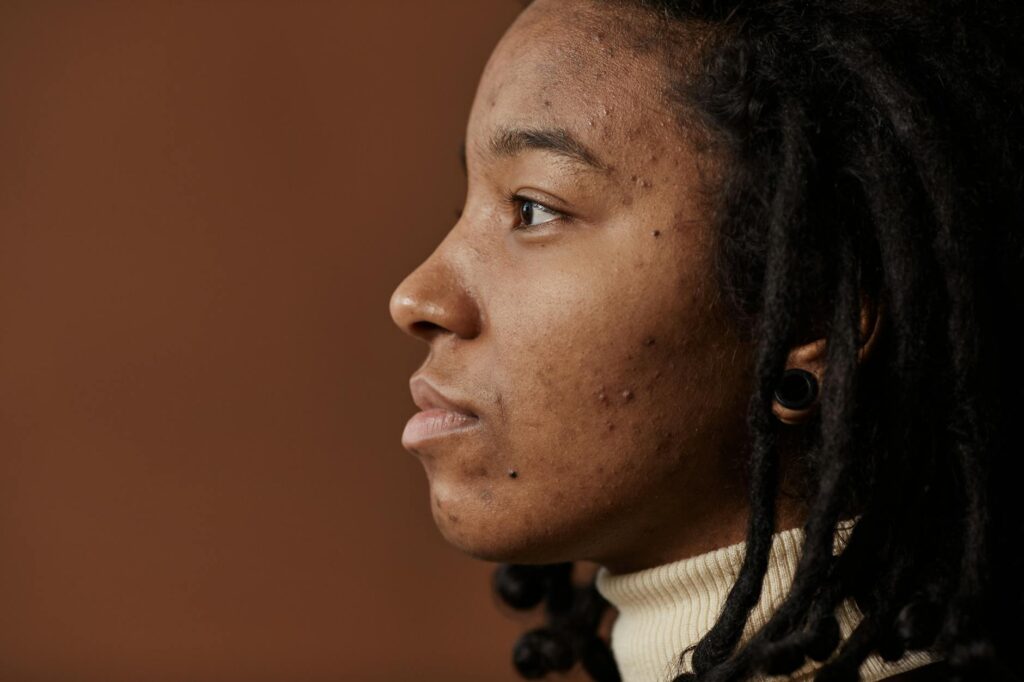
Syneron Elos works for acne skin texture by using a combination of radiofrequency energy and light-based technology to heat the dermis, stimulate collagen production, and gradually rebuild smoother skin surface. The device targets the deeper layers where acne-related scarring and pitting occur, rather than just treating surface-level bumps.
If you have rolling scars, atrophic depressions, or uneven texture from past breakouts, Syneron Elos can help remodel that compromised collagen and reshape the skin’s foundation over a series of treatments. This article covers how the Syneron Elos platform actually works on texture, what results you can realistically expect, how many sessions you’ll typically need, and what limitations exist when dealing with severe or boxcar scarring. We’ll also compare this approach to other texture-improvement options and walk through the treatment timeline so you know what to expect before and after each session.
Table of Contents
- How Does Syneron Elos Treat Acne Scars and Texture Problems?
- Radiofrequency Energy and Collagen Remodeling in Scarred Skin
- Treatment Timeline and Texture Improvement Progression
- Comparing Syneron Elos to Other Texture-Improving Treatments
- Limitations and When Syneron Elos Won’t Solve Your Texture Problem
- Preparation and Aftercare for Best Texture Results
- Long-Term Texture Maintenance and Results Durability
- Conclusion
- Frequently Asked Questions
How Does Syneron Elos Treat Acne Scars and Texture Problems?
Syneron Elos uses dual-wavelength technology—combining infrared radiofrequency with optical energy (light)—to penetrate into the dermis without damaging the epidermis. The radiofrequency component heats water and collagen in the deeper skin layers, while the light energy targets hemoglobin (redness from post-inflammatory erythema) and melanin (post-inflammatory hyperpigmentation that often accompanies scarring). Together, these energies trigger the skin’s natural healing response, which includes collagen remodeling and new collagen synthesis. For texture specifically, the heat-induced collagen remodeling addresses the underlying structural problem.
When acne creates pitted or depressed scars, it’s because collagen fibers were destroyed during the inflammatory process. Syneron Elos stimulates fibroblasts (cells that produce collagen) to lay down new structural support in those depressed areas. This happens gradually over weeks and months as the skin’s own repair mechanisms work—you’re not getting instant filling, but rather a progressive smoothing as new collagen integrates. For example, someone with shallow rolling scars across their cheeks will typically see gradual improvement after three to five treatments, with continued refinement for months afterward as remodeling continues.
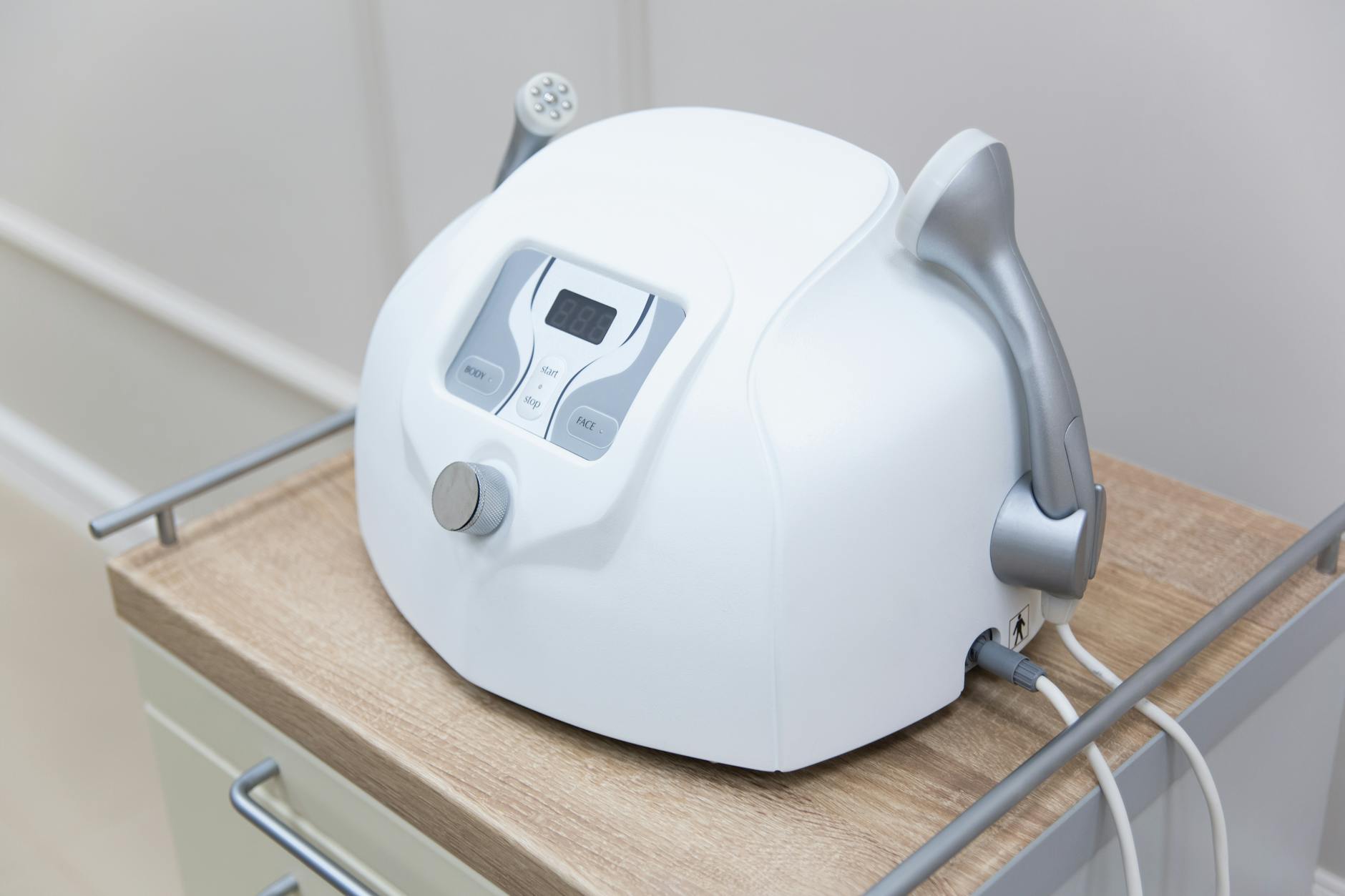
Radiofrequency Energy and Collagen Remodeling in Scarred Skin
The radiofrequency component of Syneron Elos is the primary driver of texture improvement because it heats collagen to around 60-65 degrees Celsius, which causes it to contract immediately and denature in a way that triggers new collagen synthesis. This is different from laser treatments that primarily work on surface pigmentation or superficial collagen. The RF energy reaches the deep dermis where scar tissue lives, making it effective for indented scars that sit below the skin’s surface rather than raised scars. However, if you have very deep boxcar scars (the kind with sharp, defined edges and significant depth), Syneron Elos alone often cannot completely eliminate them.
The device is better suited to rolling scars and general texture roughness than to severe atrophic scarring. If your scarring is severe enough to cast shadows, you may need either a combination approach (Syneron Elos plus subcision or dermal fillers) or acceptance that improvement will be partial rather than complete. Many dermatologists recommend starting with Syneron Elos for the collagen-building benefit, then potentially layering in other treatments if the texture improvement plateaus. The radiofrequency effect also improves skin tightness and elasticity as a bonus, which can subtly improve the appearance of pitted scars even if the depth doesn’t fully resolve.
Treatment Timeline and Texture Improvement Progression
A typical Syneron Elos course for acne texture involves four to six treatments spaced four to six weeks apart. You won’t see dramatic results immediately—the first week or two after treatment usually shows mild redness and possibly some surface warmth, but nothing dramatic. The real changes start becoming visible around week three or four when new collagen deposition picks up, and they continue to improve for two to three months after the final treatment as the remodeling process completes.
For example, someone treating diffuse roughness and shallow rolling scars might notice a 20-30% improvement in overall texture smoothness after the first three treatments, with continued refinement up to 50-70% improvement by six months post-final treatment. Deeper scars show slower and less complete improvement—you might gain 30-40% improvement in depth rather than near-elimination. The timeline matters because many people expect results immediately and become discouraged if they don’t see obvious change after treatment one. Understanding that Syneron Elos works through cumulative collagen building rather than immediate filling helps set realistic expectations and keeps you engaged through the full treatment series.
Comparing Syneron Elos to Other Texture-Improving Treatments
Syneron Elos differs from fractional lasers (like fractional CO2 or erbium lasers) in that it doesn’t create ablative wounds or require the intense downtime those treatments demand. Fractional lasers are more aggressive and can address severe scarring faster, but they involve week-plus of visible healing, peeling, and redness. Syneron Elos is gentler with minimal downtime—most people experience only mild redness lasting a few hours—but requires more patience and multiple sessions for equivalent results. Against microneedling (including radiofrequency microneedling), Syneron Elos covers a larger treatment area more quickly and the non-needling approach appeals to people anxious about needles.
However, RF microneedling can reach slightly deeper and allows for more targeted delivery to specific scars, making it better for isolated deep pitting. Syneron Elos works better as a full-face texture improvement tool, while RF microneedling excels at spot-treating individual severe scars. Cost-wise, Syneron Elos typically runs $400-800 per session depending on treatment area size and practice location, putting it in the mid-range compared to laser resurfacing (often $1,000+ per session) and basic microneedling ($200-400). For someone wanting gradual, full-face texture refinement without significant downtime or expense, Syneron Elos often represents a practical middle ground.
Limitations and When Syneron Elos Won’t Solve Your Texture Problem
Syneron Elos works best on mild-to-moderate texture issues, shallow rolling scars, and general roughness. It’s less effective on severe ice-pick scars (very narrow, deep pits) or large boxcar scars because the collagen remodeling it induces, while real, doesn’t create enough new volume to fill deep voids. If your scarring is severe enough that you can feel a sharp depression with your fingernail, Syneron Elos alone will disappoint. Additionally, if your acne texture is actually keratotic (rough, bumpy texture without actual scarring or pitting), Syneron Elos may help with the general roughness and skin smoothing but won’t address the follicular plugging that creates that bumpy feel—you’d need chemical exfoliation or retinoids for that.
Another limitation is that Syneron Elos is less effective on very dark skin tones because the optical energy component can be absorbed by melanin in a way that increases burn risk, meaning practitioners often lower settings on deeper skin, reducing efficacy. Darker skin also risks post-treatment hyperpigmentation more easily. This doesn’t mean it’s off-limits for darker skin, but results are often less dramatic and the risk-benefit calculus shifts. If you’ve had severe post-inflammatory hyperpigmentation or melasma alongside your acne scarring, Syneron Elos can help with the redness component and the texture, but the pigmentation typically requires separate targeted treatment.
Preparation and Aftercare for Best Texture Results
Before Syneron Elos treatment, you should avoid sun exposure for two weeks prior (or use SPF 50 daily) and stop using active ingredients like retinoids and vitamin C for three to five days before your appointment. Active skincare isn’t strictly forbidden but does increase the chance of irritation, so most practitioners recommend pausing them. On the day of treatment, arrive with completely clean skin—no makeup, sunscreen, or products. After treatment, the standard protocol is to apply a gentle moisturizer and mineral sunscreen immediately and avoid sun exposure, heat (saunas, hot showers), and strenuous exercise for 24-48 hours.
Most people experience only minor redness lasting two to six hours, so returning to normal activities the same day is usually fine. You can resume normal skincare (including retinoids and vitamin C) after 48 hours. The collagen-building process accelerates if you support it with adequate protein intake and hydration during the weeks following treatment—there’s no scientific requirement, but anecdotally people who focus on nutrition during the remodeling window report slightly better results. Sunscreen use becomes non-negotiable for the months after treatment because the newly synthesized collagen is more sun-sensitive and UV exposure can impair the remodeling process.
Long-Term Texture Maintenance and Results Durability
Syneron Elos results are not permanent in the sense that collagen naturally breaks down over time, but they’re also not temporary. The new collagen laid down during treatment becomes integrated into your skin’s structure and doesn’t simply vanish after a year or two. Most dermatologists recommend maintenance treatments every 12-18 months after completing an initial series—one or two sessions annually rather than the four-to-six sessions required initially. This maintenance approach keeps the collagen remodeling active and prevents textural regression.
The durability of Syneron Elos results also depends on whether your acne remains active. If you successfully clear your acne and prevent new breakouts through skincare or medication, the texture improvements from Syneron Elos remain stable and may even continue improving subtly as collagen remodeling persists. However, if acne continues to flare, new scarring will accumulate and offset the texture gains you’ve made. For this reason, pairing Syneron Elos treatment with a solid acne prevention regimen (whether that’s topical retinoids, oral antibiotics, or isotretinoin for severe cases) maximizes the value of your investment in texture treatment.
Conclusion
Syneron Elos improves acne skin texture by triggering deep collagen remodeling through radiofrequency and light-based energy, gradually building new structural support in areas damaged by acne scarring and inflammation. The results are real and cumulative, but they require patience—expect four to six sessions over several months and continued improvement for three to six months after your final treatment. For mild-to-moderate texture issues and shallow rolling scars, Syneron Elos offers a practical, low-downtime alternative to more aggressive treatments.
If you’re considering Syneron Elos, the most important step is a realistic consultation with a dermatologist or laser technician who can assess your specific scarring pattern and set appropriate expectations. Severe boxcar scars may require combination treatment, dark skin tones may see more modest results due to safety adjustments, and ongoing acne will undermine your texture investment. Starting with a series of four to six treatments will give you concrete data on how your individual skin responds before committing to long-term maintenance.
Frequently Asked Questions
How many Syneron Elos treatments do I need to see a real difference in texture?
Most people notice subtle improvement after two to three treatments, but meaningful texture change typically requires four to six sessions. Full collagen remodeling continues for months after your final treatment, so don’t judge results until six months post-series.
Is Syneron Elos safe for acne-prone skin?
Yes. The treatment doesn’t cause the irritation or barrier disruption that some other procedures do. In fact, the radiofrequency component has mild antimicrobial properties that can help reduce active acne bacteria. Just avoid scheduling treatment during an active flare-up—wait until inflammation settles first.
Can Syneron Elos completely eliminate deep acne scars?
No. It works best on rolling scars and general roughness. Deep ice-pick or boxcar scars require combination treatment (Syneron Elos plus subcision or dermal fillers) for significant improvement. Realistic expectations are 30-50% improvement in severe scarring rather than elimination.
What’s the difference between Syneron Elos and fractional laser for texture?
Syneron Elos is gentler with minimal downtime but requires more patience and sessions. Fractional lasers are more aggressive and show faster results but involve week-plus recovery and peeling. Syneron Elos is better for mild-to-moderate texture and people who can’t afford downtime.
Will my texture results last forever?
Results are long-lasting because new collagen integrates into skin structure, but collagen naturally breaks down over time. Most people maintain results with one to two sessions annually. If acne recurs and creates new scars, texture will worsen despite previous treatment.
Is Syneron Elos effective on darker skin tones?
Syneron Elos can be used on darker skin, but practitioners typically reduce energy settings to avoid burns and hyperpigmentation risk. This means results are often less dramatic than on lighter skin. Consult a dermatologist experienced with darker skin to assess realistic outcomes for your specific tone.