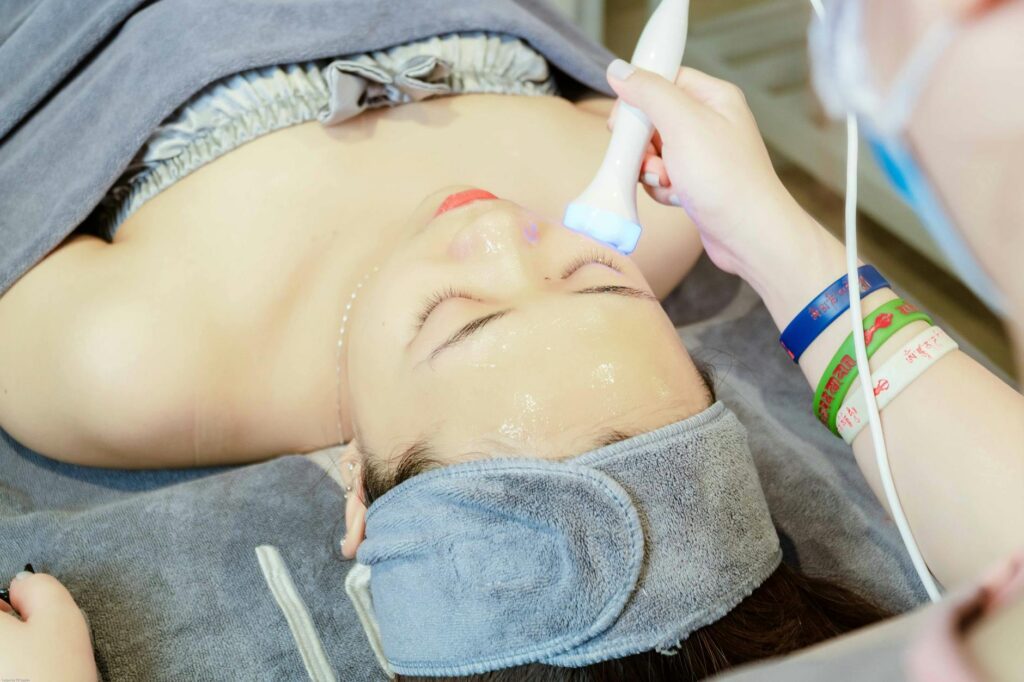
SIBO — small intestinal bacterial overgrowth — is one of the most overlooked drivers of persistent skin breakouts, and the connection is far more direct than most people realize. When bacteria proliferate in the small intestine where they don’t belong, they produce toxic metabolites that damage the intestinal lining, leak into the bloodstream, and trigger systemic inflammation that shows up on your face, chest, and back as acne, rosacea, or dermatitis. Research shows that SIBO is 10 times more prevalent in people with acne compared to healthy controls, and when SIBO-positive acne patients were treated for bacterial overgrowth, nearly 100 percent experienced acne remission. That is not a marginal improvement. That is a near-total resolution of symptoms by addressing the gut instead of the skin.
This is not fringe science, either. The gut-skin connection was first proposed over 75 years ago by dermatologists John Stokes and Donald Pillsbury, who hypothesized that disrupted intestinal microbiota and increased intestinal permeability contribute to systemic inflammation affecting the skin. Modern research has validated their theory repeatedly. A study of more than 13,000 adolescents with acne found they were significantly more likely to experience gastrointestinal symptoms including bloating, constipation, gastric reflux, and halitosis — all hallmarks of a compromised gut. If you have been cycling through topical treatments, prescription retinoids, and antibiotics without lasting results, your breakouts may not be a skin problem at all. This article breaks down the specific biological mechanisms linking SIBO to breakouts, where on the body these breakouts tend to appear, what role stress plays in the cycle, and what treatment approaches have shown real results in clinical settings.
Table of Contents
- How Does SIBO Actually Cause Skin Breakouts?
- Where SIBO-Related Breakouts Show Up on the Body
- The Stress-SIBO-Breakout Cycle
- Testing and Treatment Approaches That Have Clinical Backing
- Why Probiotics Can Backfire When SIBO Is Involved
- The Role of Microbial Metabolites on Skin Microbiome Balance
- Where Gut-Skin Research Is Headed
- Conclusion
- Frequently Asked Questions
How Does SIBO Actually Cause Skin Breakouts?
The pathway from bacterial overgrowth in your small intestine to a breakout on your forehead involves several overlapping mechanisms, but the primary one is intestinal permeability — commonly called leaky gut. SIBO bacteria produce toxic metabolites that damage the tight junctions between cells lining the small intestine. Once those junctions loosen, endotoxins escape into the bloodstream. The immune system responds with widespread inflammation, and because the skin is the body’s largest organ and is densely supplied with blood vessels, it becomes one of the first places that inflammation becomes visible. This is not the same process as a hormonal breakout triggered by your menstrual cycle or a reaction to a new skincare product. SIBO-driven acne is systemic — it starts from the inside and works outward. The second mechanism is nutrient malabsorption. SIBO bacteria compete for and deplete B vitamins, proteins, fats, and micronutrients that are critical for skin cell turnover, barrier repair, and sebum regulation.
These bacteria cause direct injury to small intestine enterocytes — the cells responsible for absorbing nutrients. So even if your diet is solid, your body may not be absorbing what it needs. Compare this to someone with a nutrient-poor diet but a healthy gut: they can often improve their skin relatively quickly through dietary changes. Someone with SIBO, on the other hand, can eat perfectly and still see no improvement because the absorption pathway itself is compromised. There is also a hormonal component. Gut bacterial overgrowth can disrupt the estrobolome — the collection of gut bacteria responsible for metabolizing estrogen. When the estrobolome is thrown off, it can lead to elevated estrogen or testosterone levels, both of which are well-established acne triggers. This is especially relevant for people with PCOS, where hormonal acne and gut dysfunction frequently coexist. If you have been told your acne is “hormonal” but hormone-targeted treatments haven’t fully resolved it, SIBO-related estrobolome disruption may be a missing piece.

Where SIBO-Related Breakouts Show Up on the Body
SIBO-driven breakouts follow a distinct pattern that can help differentiate them from other acne types. They primarily affect the forehead, cheeks, and upper back. Back acne in particular is commonly associated with gut dysbiosis and bacterial toxins entering the bloodstream, according to clinical observations from integrative dermatology practices. If your breakouts are concentrated in these areas — especially if you also deal with bloating, irregular digestion, or food sensitivities — the gut-skin axis is worth investigating. However, location alone is not diagnostic. Forehead and cheek acne can also be caused by comedogenic hair products, dirty pillowcases, or contact irritation.
Back acne frequently results from sweat occlusion, tight clothing, or fungal overgrowth (pityrosporum folliculitis, which looks like acne but doesn’t respond to acne treatments). The distinguishing factor with SIBO-related breakouts is that they tend to be persistent and resistant to topical treatment. You can use benzoyl peroxide, salicylic acid, and prescription retinoids correctly and consistently, and SIBO-related acne will barely budge — because the inflammatory trigger is not on the skin’s surface. It is also worth noting that SIBO doesn’t only cause acne. A study of 113 rosacea patients versus 60 healthy controls found that 46 percent of rosacea patients tested positive for SIBO via breath test, compared to only 5 percent of controls. After 10 days of Rifaximin antibiotic treatment, bacterial overgrowth eradication induced near-complete regression of rosacea that was sustained for over nine months. If you have been diagnosed with rosacea and also struggle with digestive symptoms, this overlap is significant and worth discussing with your doctor.
The Stress-SIBO-Breakout Cycle
Stress does not just make your skin worse through cortisol spikes and nervous face-touching. It creates a direct biological pathway to SIBO, which then creates a pathway to breakouts. Experimental studies show that psychological stress slows small intestinal transit time, which means food sits in the small intestine longer than it should. That stagnation encourages bacterial overgrowth. Stress also compromises the intestinal barrier independently, so you get a double hit: more bacteria where they shouldn’t be, and a weaker wall keeping them contained.
This is the stress-SIBO-skin breakout pathway, and it explains why so many people notice their worst breakouts during or shortly after periods of intense stress — exams, job changes, relationship crises, grief. The breakout isn’t just cortisol doing its thing on sebaceous glands. It is stress fundamentally altering the gut environment, promoting bacterial overgrowth, increasing intestinal permeability, and unleashing a cascade of systemic inflammation that erupts on the skin. A person under chronic work stress who develops both IBS-like symptoms and cystic acne simultaneously is a textbook example of this axis in action. The frustrating part of this cycle is that the breakouts themselves cause more stress, which worsens gut motility, which feeds the bacterial overgrowth. Breaking the cycle typically requires addressing both the stress response and the gut dysfunction simultaneously — stress management alone won’t clear an established case of SIBO, and SIBO treatment alone may not hold if the stress that caused it goes unmanaged.

Testing and Treatment Approaches That Have Clinical Backing
The standard diagnostic tool for SIBO is a lactulose or glucose breath test, which measures hydrogen and methane gas produced by bacteria in the small intestine. This is a non-invasive test you can often do at home with a kit ordered through your doctor or a gastroenterologist. It is not perfect — false negatives occur, particularly with methane-dominant SIBO (now called Intestinal Methanogen Overgrowth, or IMO) — but it remains the most accessible and widely used screening method. Treatment typically falls into two camps: pharmaceutical antibiotics or herbal antimicrobials. Rifaximin is the most studied antibiotic for SIBO and has the advantage of being gut-specific — it stays in the intestines rather than going systemic, which reduces side effects. The rosacea study mentioned earlier used a 10-day Rifaximin course with sustained skin clearing for over nine months.
Herbal protocols using combinations like oregano oil, berberine, and neem have shown comparable efficacy to Rifaximin in some comparative studies, though they typically require longer treatment courses of four to six weeks. The tradeoff is clear: Rifaximin is faster and more targeted but requires a prescription and can be expensive without insurance. Herbal antimicrobials are more accessible but take longer and require more discipline with dosing schedules. One critical caveat: treating SIBO without addressing the underlying cause often leads to relapse. If slow gut motility, chronic stress, or structural issues like adhesions caused the overgrowth in the first place, the bacteria will return after treatment ends. A prokinetic agent — something that keeps the small intestine’s migrating motor complex active between meals — is frequently recommended as a maintenance strategy post-treatment.
Why Probiotics Can Backfire When SIBO Is Involved
The instinct when dealing with gut-related skin issues is to reach for probiotics, and this is not always wrong — but it is not always right, either. SIBO is fundamentally a problem of too many bacteria in the wrong place. Adding more bacteria via high-dose probiotics, especially strains that produce histamine or D-lactic acid, can worsen symptoms in some SIBO patients. Bloating increases, skin flares intensify, and the person assumes probiotics don’t work for them when in reality, they were the wrong intervention at the wrong time. This is especially true for fermented foods.
Sauerkraut, kimchi, kombucha, and yogurt are generally considered gut-healthy, but for someone with active SIBO, the additional bacterial load and fermentable substrates can feed the overgrowth. A person who switched to a “gut healing” diet heavy in fermented foods and bone broth but saw their acne worsen may be dealing with exactly this issue. The limitation here is important: probiotics and fermented foods can be valuable after SIBO is treated, during the rebuilding phase, but using them during active overgrowth is often counterproductive. A 2023 peer-reviewed study found an association between inflammatory acne lesions and Methanobrevibacter smithii, a methanogenic archaea linked to gut dysbiosis including SIBO and IMO. This finding matters because methane-dominant overgrowth responds differently to treatment than hydrogen-dominant SIBO — Rifaximin alone is less effective, and combination therapy with Neomycin or herbal alternatives targeting methanogens may be necessary. If you have been treated for SIBO but your skin didn’t improve, methane-dominant overgrowth that wasn’t properly addressed could be the reason.
The Role of Microbial Metabolites on Skin Microbiome Balance
Beyond the leaky gut and inflammation pathway, there is a more direct route from gut bacteria to skin breakouts. Toxic metabolites produced by intestinal bacteria are carried to the skin via the bloodstream, where they accumulate and disrupt the skin’s own microbiome homeostasis. This means that gut dysbiosis doesn’t just cause internal inflammation — it actively alters the bacterial ecosystem on your skin’s surface, potentially favoring acne-causing strains of Cutibacterium acnes over commensal bacteria that keep the skin balanced.
This helps explain why some people with gut-driven acne also notice changes in their skin’s texture, oiliness, or sensitivity that seem unrelated to their skincare routine. The products haven’t changed, the climate hasn’t changed, but the skin itself behaves differently because its microbial environment has been altered from the inside. It is a reminder that the skin is not an isolated organ — it is deeply connected to systemic processes, and treating it in isolation has inherent limits.
Where Gut-Skin Research Is Headed
Acne affects approximately 20.5 percent of the global population over age 16, with rising incidence in adult women. That scale of prevalence, combined with the growing evidence that gut health plays a meaningful role in skin conditions, is pushing research toward more integrated treatment models.
Dermatology and gastroenterology have historically operated in silos, but the gut-brain-skin axis framework is beginning to bridge that gap in both clinical practice and academic research. The identification of specific microbes like Methanobrevibacter smithii in acne lesions opens the door to more targeted diagnostics — potentially using stool or skin microbiome testing to identify which patients are most likely to benefit from gut-focused treatment before cycling through months of topical therapies that won’t address the root cause. We are not there yet, but the direction is clear: the future of stubborn acne treatment will involve looking at the gut as seriously as we look at the skin.
Conclusion
SIBO and skin breakouts are connected through multiple reinforcing pathways — intestinal permeability, systemic inflammation, nutrient malabsorption, hormonal disruption, and direct microbial metabolite transfer to the skin. The clinical data is striking: SIBO is 10 times more prevalent in acne patients, and treating it has led to near-complete remission in multiple studies. Rosacea patients with SIBO who received targeted antibiotic treatment saw sustained clearing for over nine months.
These are not small effects. If your acne has resisted topical treatments, hormonal interventions, and dietary changes, getting tested for SIBO through a breath test is a reasonable and relatively simple next step. Work with a gastroenterologist or integrative medicine practitioner who understands the gut-skin connection, and be prepared to address not just the bacterial overgrowth itself but the underlying factors — stress, motility, diet — that allowed it to develop. Clearing your skin may require treating an organ you can’t see in the mirror.
Frequently Asked Questions
What is SIBO and how is it different from general gut problems?
SIBO stands for small intestinal bacterial overgrowth — it specifically refers to excessive bacteria colonizing the small intestine, where bacterial populations should be relatively low. It is distinct from conditions like IBS or general dysbiosis in the large intestine, though it frequently overlaps with them. Diagnosis requires a breath test measuring hydrogen and methane gases.
How do I know if my acne is caused by SIBO and not just hormones or skincare?
SIBO-related acne tends to be persistent despite proper topical treatment and is often accompanied by digestive symptoms like bloating, gas, constipation, or food sensitivities. It commonly appears on the forehead, cheeks, and upper back. If you have acne alongside chronic GI complaints, a SIBO breath test is worth pursuing.
Can I take probiotics if I have SIBO-related acne?
Not all probiotics are appropriate during active SIBO. Some strains can worsen overgrowth and intensify both gut and skin symptoms. Probiotics are generally more beneficial after SIBO has been treated, during the gut-rebuilding phase. Consult a practitioner before starting any probiotic protocol if you suspect SIBO.
How long does it take for skin to clear after SIBO treatment?
In the rosacea study using Rifaximin, near-complete skin clearing was sustained for over nine months after a 10-day treatment course. Individual timelines vary depending on the severity of the overgrowth, the treatment approach used, and whether underlying causes like slow motility or chronic stress are also addressed.
Does stress directly cause SIBO?
Experimental studies confirm that psychological stress slows small intestinal transit time and compromises the intestinal barrier, both of which promote bacterial overgrowth. Chronic stress can initiate or worsen SIBO, which then triggers skin breakouts — creating a self-reinforcing cycle that requires addressing both the stress and the gut dysfunction.