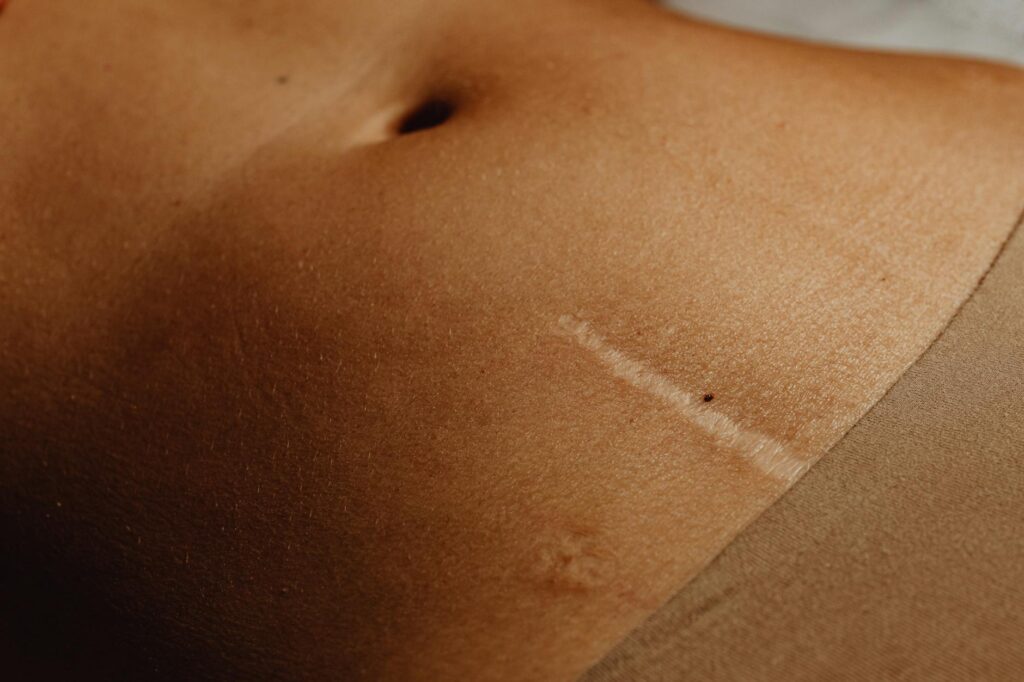
Scar tissue rebanding after subcision refers to the reformation of fibrotic bands that were severed during the subcision procedure, causing previously treated depressed acne scars to return to their original sunken appearance. If you’ve undergone subcision and noticed your scars re-deepening months later, you’ve likely experienced rebanding—a frustrating reality that affects many patients due to the body’s natural tendency to re-form the connective tissue anchors that hold scars in place. This article explains what rebanding is, why it happens, how common it is, and most importantly, what prevention strategies actually work based on current dermatological research.
Subcision works by using a specialized needle to sever the fibrous bands pulling scars downward beneath the skin’s surface. The procedure can produce dramatic initial improvements, but the tissue has a strong tendency to re-establish these connections. Understanding rebanding is critical because it directly impacts whether subcision delivers lasting results or becomes a series of repeated treatments. This guide covers the mechanism behind rebanding, its recurrence rates, proven prevention methods including combination therapies, and how modern protocols are designed to stop it from happening in the first place.
Table of Contents
- How Does Scar Tissue Rebanding Occur After Subcision?
- Why Is the Recurrence Rate So High After Subcision?
- Preventing Rebanding with Filler Injections and Spacer Therapy
- Combination Therapy with Concentrated Growth Factors—Superior Results
- Repeated Suction Sessions During Recurrence—Increasing Cumulative Efficacy
- Understanding Subcision Complications and Safety Profile
- The Modern 2026 Multi-Phase Protocol for Lasting Improvement
- Conclusion
How Does Scar Tissue Rebanding Occur After Subcision?
Rebanding is essentially your body’s healing response working against the initial treatment. When a subcision needle severs the fibrotic bands tethering a scar, it creates a small disruption in the tissue architecture. Your skin then heals this disruption—but problematically, it tends to re-establish the very same fibrotic connections that were just cut. The scar may look dramatically better for a few weeks or months while swelling is present, but as inflammation resolves and tissue remodels, the bands re-form and the scar returns to its depressed state. This rebanding process is essentially the same mechanism your skin used to create the scar anchor in the first place. The body recognizes the severed fibrotic tissue and treats it as an injury requiring repair, which means it rebuilds the structural connections in a similar pattern to what existed before.
This is why subcision alone has a high recurrence rate and typically only delivers mild to moderate improvement rather than permanent resolution. A scar that appeared 80% improved at two weeks may look only 40% improved by three months as rebanding occurs. The timeline matters significantly. Initial post-procedure swelling can mask true results, making the scar appear better than it actually will be long-term. The critical period for rebanding appears to be 2–6 months post-procedure, when the majority of patients notice their scars gradually deepening again. Some patients experience rebanding even sooner, while others have a longer window before recurrence becomes noticeable.
Why Is the Recurrence Rate So High After Subcision?
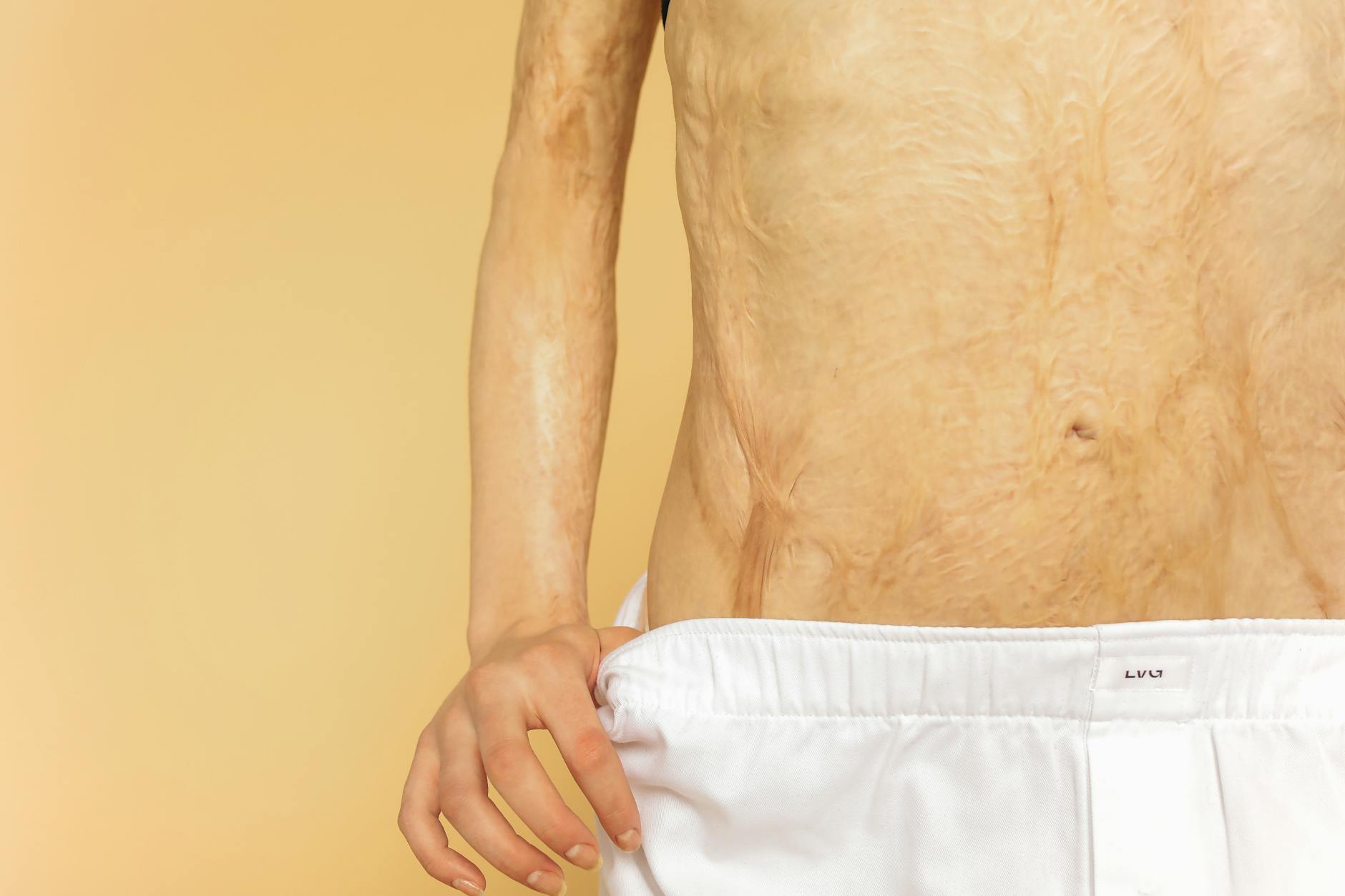
Clinical literature consistently documents that subcision has a high recurrence rate, which directly limits its efficacy. Research from the PMC shows that subcision alone is best suited for mild to moderate scarring, not severe cases, precisely because the recurrence problem significantly reduces long-term results. The body’s biological preference for re-establishing connective tissue architecture is simply very strong, making pure subcision a procedure that fights against normal healing physiology rather than working with it. The reason for this high recurrence relates to how your body prioritizes structural integrity. Fibrotic bands aren’t random scarring—they’re part of your skin’s structural matrix.
When you sever them, your body perceives a loss of structural support and naturally works to restore it. This is actually a beneficial response in most healing contexts, but in the case of acne scars, it’s counterproductive. Your skin doesn’t distinguish between a pathological scar band and a normal structural element, so it treats the severed fibrotic tissue as something requiring repair. This is where combination approaches become necessary. Relying on subcision alone essentially guarantees that rebanding will occur to some degree. However, if subcision is paired with strategies that prevent the tissue from re-establishing these connections—such as maintaining physical separation through fillers or stimulating controlled healing through growth factors—the recurrence rate drops significantly and results become more persistent.
Preventing Rebanding with Filler Injections and Spacer Therapy
One of the most straightforward ways to prevent rebanding is to inject filler immediately after subcision. These fillers act as physical spacers, literally maintaining separation between the tissue layers that were just released. By keeping the previously tethered tissue elevated and separated for several months, the healing process occurs without the fibrotic bands re-establishing their former connections. Common fillers used for this purpose include hyaluronic acid-based products and calcium hydroxylapatite, which gradually metabolize as the scar tissue remodels. The spacer principle is highly effective because it doesn’t fight the body’s healing process—it works with it.
The tissue still heals, but it heals in an elevated position rather than reforming the depressed scar. Over time, as the filler metabolizes and the scar tissue stabilizes in its new elevated position, you’re left with a persistently improved result. The filler essentially buys time and creates the architectural conditions that favor permanent improvement rather than rebanding. However, filler is temporary and requires repeat injections over several months to maintain optimal spacing through the critical healing period. For patients seeking long-term results without ongoing treatment, this becomes a decision between accepting the cost and time commitment of repeated fillers or exploring alternative prevention strategies like combination therapy with growth factors.

Combination Therapy with Concentrated Growth Factors—Superior Results
Recent research has introduced a more sophisticated approach to preventing rebanding: combining subcision with concentrated growth factors (CGF). A 2025 study of 60 patients demonstrated that subcision combined with concentrated growth factors produced superior outcomes compared to subcision alone. Rather than relying solely on physical separation (like fillers do), this approach biologically influences how the tissue heals after the fibrotic bands are severed. Concentrated growth factors work by stimulating controlled, organized tissue remodeling during the critical healing window. Growth factors like VEGF, TGF-β, and FGF naturally direct how your body reconstructs tissue.
By concentrating these factors at the treatment site immediately after subcision, the healing process is guided toward productive remodeling rather than rebanding. The tissue repairs itself in a way that maintains the improved scar appearance rather than re-establishing the old depressed structure. The advantage of CGF over filler-only approaches is that it addresses the biological root of rebanding rather than just creating temporary physical separation. As the growth factors guide healing, they’re essentially reprogramming how the tissue responds. This explains why studies show superior persistent improvement compared to subcision alone—the results hold because the biological healing pathway has been redirected, not just temporarily masked by filler. This approach represents a significant advance in addressing subcision’s historical recurrence problem, though it’s still emerging and may not be available at every clinic.
Repeated Suction Sessions During Recurrence—Increasing Cumulative Efficacy
For patients who experience rebanding despite initial treatment, repeated subcision sessions significantly increase cumulative efficacy and produce persistent improvement. This is an important caveat: subcision may require multiple treatments, but when performed strategically, the results do improve progressively with each session. Each subsequent treatment releases the newly reformed bands and further disrupts the tissue’s tendency to re-establish its original scar architecture. The mechanism behind repeated treatments’ effectiveness relates to progressive disruption. With each subcision session, you’re not just releasing the immediate bands—you’re also creating microtrauma that stimulates new collagen deposition and remodeling.
Over multiple sessions, the scar tissue gradually becomes more integrated and less capable of re-forming the same depressed structure. However, this approach requires commitment to 2–4 or more treatment sessions spaced several months apart, which makes it time-intensive compared to combination approaches. A critical limitation here is that repeated sessions without addressing prevention strategies (like fillers or growth factors) can lead to diminishing returns. Without preventing rebanding between sessions, you may spend years in repeated treatment cycles. Combining repeated subcision with prevention strategies produces much more efficient results—fewer sessions needed with longer-lasting outcomes.
Understanding Subcision Complications and Safety Profile
The main complications associated with subcision include pain and tenderness at the treatment site, bruising (sometimes extensive), infection risk, subcutaneous lumps or irregularities, and dyspigmentation (changes in skin color). These complications are generally mild and temporary, resolving within weeks to a few months, but they’re important to understand before committing to the procedure. Pain and tenderness typically peak in the first few days and gradually resolve over 1–2 weeks. Bruising can be extensive and visible for 2–3 weeks, which is why many patients choose to schedule subcision when they can take downtime.
More serious complications like infection are rare when the procedure is performed by experienced practitioners using sterile technique. Subcutaneous lumps occasionally develop if filler is injected too superficially or if healing is irregular, but these typically resolve over months. Dyspigmentation—either lightening or darkening of the treated area—is uncommon but can occur, particularly in darker skin types. These complications don’t necessarily indicate procedure failure, but they should be discussed with your practitioner beforehand so you understand the full risk-benefit profile.
The Modern 2026 Multi-Phase Protocol for Lasting Improvement
Current dermatological practice has moved beyond simple subcision toward a comprehensive multi-phase biological protocol designed specifically to prevent rebanding. This protocol typically includes: (1) a preparation phase that primes the skin and fibrotic tissue for treatment; (2) the release phase where subcision actually severs the fibrotic bands; (3) a stimulation phase using growth factors or other biologics to guide healing; and (4) a protection phase where fillers or other supports maintain proper tissue architecture during the critical healing window.
This systems-level approach acknowledges that subcision alone is insufficient—the procedure’s success depends on managing the entire healing timeline from pre-treatment through tissue remodeling. By addressing rebanding at every stage rather than just releasing the bands and hoping for the best, modern protocols achieve significantly better persistent results. This represents the current evidence-based standard for subcision, moving away from the older approach of relying on subcision as a standalone procedure.
Conclusion
Scar tissue rebanding after subcision is a predictable biological response where fibrotic bands reform and re-establish their original scar-anchoring connections after being severed. This is the primary reason why subcision alone has historically shown high recurrence rates and only mild to moderate long-term improvement. However, modern dermatological practice has developed multiple effective strategies to prevent rebanding, including filler injections (physical spacing), concentrated growth factors (biological redirection), and repeated treatment sessions (progressive disruption).
The most effective current approach is a comprehensive multi-phase protocol that combines subcision with prevention and stimulation strategies from the initial treatment through the complete healing timeline. If you’re considering subcision or have experienced rebanding, discussing combination approaches with your dermatologist—rather than relying on subcision alone—significantly improves your chances of achieving persistent, meaningful scar improvement. The key is understanding that rebanding isn’t an individual failure; it’s a predictable part of how your skin heals. The solution isn’t trying harder with the same approach, but instead addressing the biology of healing through combination therapy that prevents bands from re-establishing in the first place.