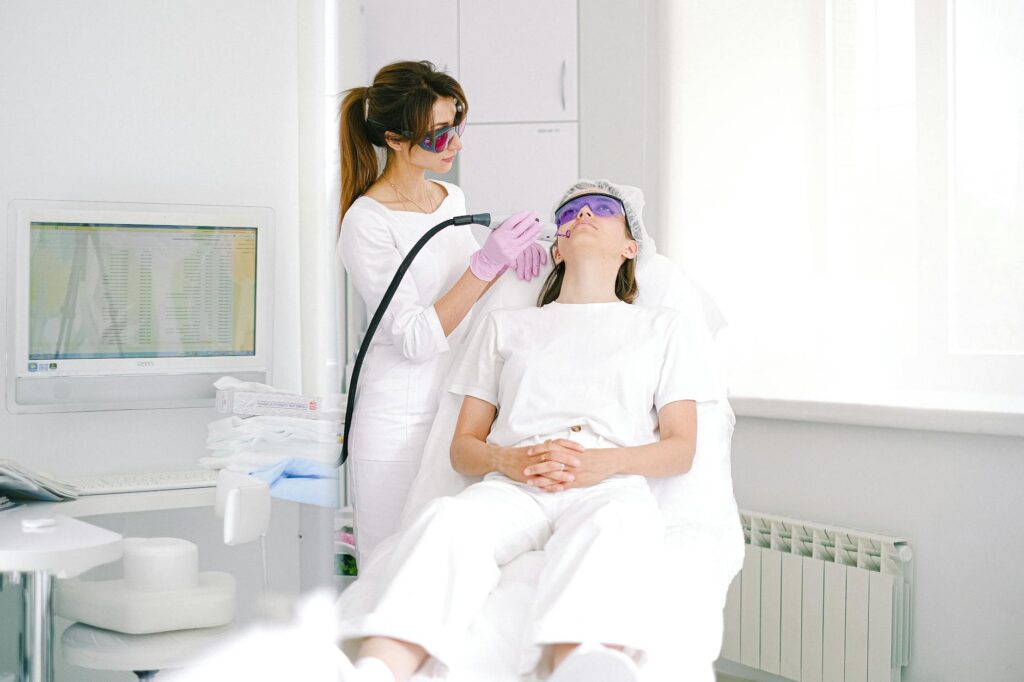
Ruby laser therapy has a specific role in treating skin pigmentation, but it’s important to understand its limitations when it comes to acne-related marks. If you’re considering ruby laser treatment specifically for post-inflammatory hyperpigmentation (PIH)—the dark or discolored marks left behind by acne—medical research indicates that ruby laser is largely ineffective for this purpose and may actually worsen the appearance. However, ruby lasers do excel at treating other types of superficial pigmentation like freckles, sun spots, age spots, and lentigos. This article breaks down exactly what ruby laser technology can and cannot do for acne pigmentation, explains why certain alternatives are superior, and helps you understand whether this treatment is right for your specific skin concerns.
Table of Contents
- How Ruby Laser Technology Works on Skin Pigmentation
- Why Ruby Laser Fails for Acne-Related Pigmentation
- Superficial Pigmentation That Ruby Laser Successfully Treats
- Superior Alternatives for Treating Acne Pigmentation
- Safety Concerns and Why Ruby Laser Can Backfire
- What a Typical Ruby Laser Treatment Session Involves
- Current Status and Expert Recommendations in 2026
- Conclusion
How Ruby Laser Technology Works on Skin Pigmentation
Ruby lasers emit light at a wavelength of 694 nanometers, a frequency specifically designed to be highly absorbed by melanin—the pigment that gives skin its color. This precise wavelength has low absorption by other skin components, which theoretically makes it selective for treating pigmented lesions. The laser works by emitting concentrated light pulses that break down melanin deposits in the upper layers of skin.
When melanin absorbs this energy, it fragments into smaller particles that the body’s immune system can then clear away naturally over the following weeks. The 694nm wavelength makes ruby lasers particularly effective at targeting superficial pigmentation problems that are purely melanin-based. For conditions like sun-induced freckles or age spots, this mechanism works reliably because the pigmentation is a straightforward overproduction of melanin with no inflammatory component. The laser can successfully lighten or remove these marks in multiple treatment sessions, typically requiring 3 to 6 sessions depending on the depth and darkness of the pigmentation.
Why Ruby Laser Fails for Acne-Related Pigmentation
The critical distinction is understanding what causes acne-related pigmentation marks versus what causes simple sun spots. Post-inflammatory hyperpigmentation from acne is not just excess melanin; it’s a complex inflammatory response where the skin overproduces melanin as part of the healing process after acne inflammation. Unlike freckles or sun damage, acne-related marks involve an inflammatory cascade that ruby laser treatment does not address. In fact, medical literature shows that Q-switched ruby laser treatment of acne-related hyperpigmentation results in “no permanent improvement and, in some cases, darkening” of the marks.
The problem becomes even more concerning when considering the risk profile. Research indicates that ruby laser treatment can worsen post-inflammatory hyperpigmentation or cause hypopigmentation (lightening) in ways that exceed the original appearance of the marks themselves. This means patients may end up trading one pigmentation problem for a different, sometimes worse one. For someone already dealing with acne scars and marks, the potential for darkening makes ruby laser a risky choice without the benefit of effectiveness.
Superficial Pigmentation That Ruby Laser Successfully Treats
Ruby lasers perform well for specific, non-acne-related pigmentation issues. Freckles, which are small clusters of concentrated melanin typically caused by sun exposure and genetic predisposition, respond reliably to ruby laser treatment. Age spots and lentigos—brown spots that develop over time on sun-exposed areas—also respond favorably because they are simple melanin accumulation without inflammatory components. Solar lentigines, which are common in people with significant sun exposure history, can be successfully lightened or removed with ruby laser therapy.
For example, a patient with multiple sun spots on the face or hands accumulated over decades of sun exposure may see significant improvement after 3 to 4 ruby laser sessions. These treatments are quick, typically cause only mild redness or a prickly sensation immediately afterward, and carry minimal downtime. The distinction is crucial: if your pigmentation marks are purely from sun damage or genetic factors like freckles, ruby laser is a reasonable option. If your marks are from acne inflammation, you should explore different treatments entirely.
Superior Alternatives for Treating Acne Pigmentation
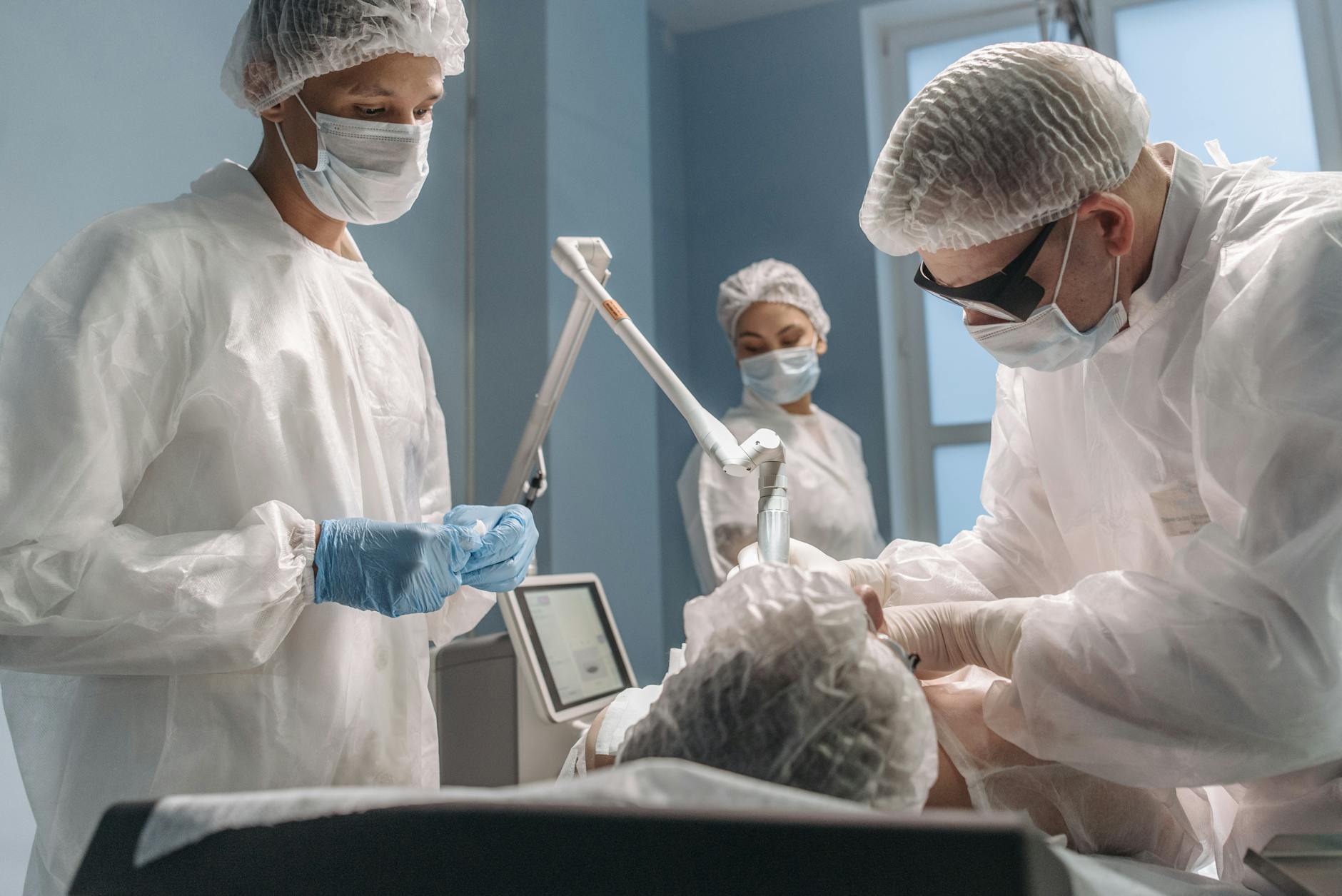
The medical literature clearly identifies more effective lasers for post-inflammatory hyperpigmentation from acne. The 1,064-nanometer Q-switched Nd:YAG laser (QSNY) and the 595-nanometer long-pulsed dye laser (LPDL) are significantly more effective at treating acne-related pigmentation marks. These alternative wavelengths work differently than ruby laser, with mechanisms better suited to addressing the inflammatory component of acne-related discoloration rather than just targeting melanin.
If you’re dealing with acne pigmentation, consulting with a dermatologist about Nd:YAG or dye laser treatments should be your first step rather than pursuing ruby laser. These alternatives have demonstrated clinical efficacy for post-inflammatory hyperpigmentation, whereas ruby laser has documented limitations. The additional benefit of these alternatives is that they address not just the pigmentation but also the underlying vascular and inflammatory changes associated with acne scarring, making them more comprehensive solutions.
Safety Concerns and Why Ruby Laser Can Backfire
Applying ruby laser to acne-related marks carries specific safety concerns that dermatologists take seriously. Because the marks are inflammatory in nature, the heat from the laser can potentially trigger additional inflammation, worsening the appearance. The documented risk of darkening—where hyperpigmentation actually becomes darker rather than lighter—represents a significant problem for patients seeking improvement.
Additionally, the risk of creating hypopigmentation (lighter patches) is real, leaving patients with a new pigmentation problem in place of the old one. This risk profile explains why dermatologists are cautious about recommending ruby laser for acne-related pigmentation. A treatment that has the potential to worsen your existing marks is not a reasonable first-line option, especially when more effective alternatives exist. If you’ve been considering ruby laser and have concerns about this risk, discussing your hesitation with your dermatologist is appropriate—their response should acknowledge these documented limitations rather than dismissing them.

What a Typical Ruby Laser Treatment Session Involves
When ruby laser treatment is appropriate for suitable pigmentation types, patients can expect a straightforward procedure. A typical session takes 15 to 30 minutes depending on the size and number of areas being treated. The laser emits pulses that feel like quick snaps against the skin, often described as mildly uncomfortable but tolerable. Many patients report only slight redness immediately following treatment, with the redness typically subsiding within a few hours.
The recovery process is minimal. Most people can return to normal activities immediately, though applying sunscreen is essential. For some types of pigmentation, scabbing may occur for 3 to 5 days following treatment, requiring gentle care to avoid picking at the area. Between sessions, the skin requires time to clear the fragmented melanin naturally—usually 4 to 8 weeks—before the next laser session can be effective.
Current Status and Expert Recommendations in 2026
Ruby laser treatment continues to be offered in dermatology practices as of 2026, reflecting its ongoing relevance for certain skin concerns. However, modern dermatology consensus recognizes that ruby laser is best reserved for sun-induced pigmentation and congenital lesions rather than post-inflammatory conditions.
The shift in treatment philosophy over recent decades has been driven by evidence showing both the ineffectiveness and potential harm when ruby lasers are applied to acne-related marks. Moving forward, if you’re seeking treatment for acne pigmentation, the current standard of care directs you toward more targeted therapies rather than ruby laser. Your dermatologist in 2026 will likely recommend evaluating your specific marks to determine whether you’re dealing with true post-inflammatory hyperpigmentation, texture changes, or scarring—and then recommending the appropriate laser technology or combination therapy for your particular situation.
Conclusion
Ruby laser technology is effective for treating many types of superficial skin pigmentation, including freckles, sun spots, and age spots, thanks to its 694-nanometer wavelength’s strong absorption by melanin. However, it is not an effective treatment for post-inflammatory hyperpigmentation caused by acne, and research demonstrates that it can actually worsen these marks rather than improve them. If you’re struggling with acne-related pigmentation, this finding should redirect your treatment search toward proven alternatives like Nd:YAG or dye laser therapy, which address the inflammatory component of acne marks more effectively.
Before pursuing any laser treatment for pigmentation, have a detailed consultation with a dermatologist who can identify exactly what type of marks you’re dealing with and recommend the most appropriate therapy. The distinction between sun-induced pigmentation and acne-related marks is critical because the same laser technology cannot effectively treat both. Understanding this limitation can save you time, money, and disappointment while guiding you toward treatments that actually work for your skin condition.