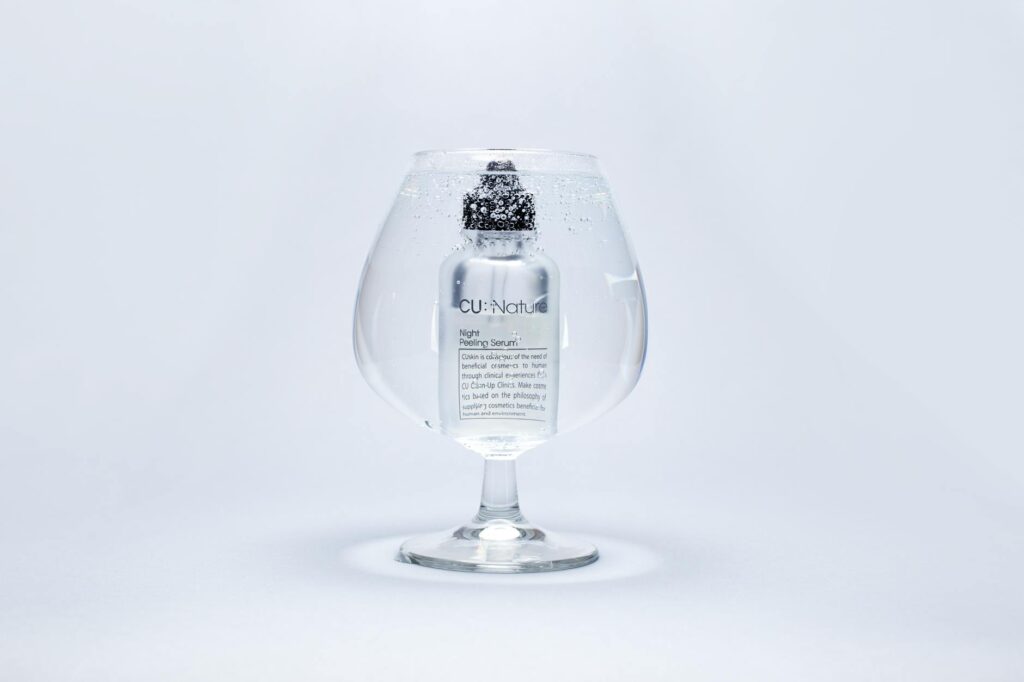
Resveratrol and ferulic acid serums can help reduce acne by addressing two root causes: inflammation and oxidative damage. Resveratrol, a polyphenol antioxidant found in red grapes and berries, has been shown in studies to suppress sebum production and reduce the growth of acne-causing bacteria like *Propionibacterium acnes*. Ferulic acid, a plant-derived antioxidant, enhances skin barrier function and strengthens the skin’s natural defenses against bacterial colonization.
When combined, these ingredients work synergistically—the ferulic acid stabilizes resveratrol, making it more effective—and together they can diminish active breakouts while preventing future ones. However, resveratrol and ferulic acid serum isn’t a replacement for conventional acne treatments in severe cases, and results typically emerge over 4-8 weeks rather than days. This article covers how these ingredients work at the skin level, why they’re particularly useful for inflammatory acne, how to use them effectively with other treatments, and what realistic expectations should be.
Table of Contents
- How Do Resveratrol and Ferulic Acid Combat Acne-Causing Factors?
- Why Combination Serums Are More Effective Than Individual Ingredients
- Resveratrol and Ferulic Acid Serum in the Context of the Acne Lifecycle
- How to Layer Resveratrol and Ferulic Acid Serum with Other Acne Treatments
- Limitations and When Resveratrol and Ferulic Acid Serum Falls Short
- How Long Does It Really Take to See Results?
- The Future of Antioxidant-Based Acne Treatment
- Conclusion
- Frequently Asked Questions
How Do Resveratrol and Ferulic Acid Combat Acne-Causing Factors?
Resveratrol works primarily by reducing sebum overproduction, which is one of the four pillars of acne development. In a 2015 study published in the *Journal of Cosmetic Dermatology*, researchers found that topical resveratrol decreased sebum production by approximately 40% in test subjects over eight weeks. The ingredient achieves this by modulating hormonal signaling pathways that trigger oil gland activity. Additionally, resveratrol has antimicrobial properties—it inhibits the proliferation of *Propionibacterium acnes*, the bacteria primarily responsible for inflammatory acne, without the antibiotic resistance concerns that come with prolonged use of conventional acne antibiotics like clindamycin.
ferulic acid complements this by strengthening the skin barrier and reducing inflammation. It increases the production of ceramides and other lipids that seal gaps between skin cells, making it harder for bacteria and irritants to penetrate and cause infection. The ingredient also blocks inflammatory cytokines—chemical messengers that trigger the redness and swelling characteristic of pustules and cysts. For someone dealing with both active acne and inflamed skin, this dual action is where the real benefit lies.
Why Combination Serums Are More Effective Than Individual Ingredients
Using resveratrol and ferulic acid together is significantly more effective than using either ingredient alone, partly because ferulic acid acts as a stabilizer. Resveratrol is notoriously unstable when exposed to light and air; once oxidized, it loses its antimicrobial and antioxidant properties. Ferulic acid chemically stabilizes resveratrol, extending its shelf life and ensuring that what you’re applying to your skin is genuinely active rather than degraded.
A well-formulated combination serum will also include a pH buffer to keep both ingredients in their optimal range for skin penetration—typically between 3.5 and 4.5. However, if you have sensitive or very dehydrated skin, combination serums can sometimes feel tacky or cause mild irritation during the adjustment phase. The antimicrobial and barrier-strengthening actions of these ingredients are powerful enough that skin can experience a brief “purging” phase in the first 1-2 weeks, where small whiteheads emerge as bacteria are cleared from pores. This is temporary and usually subsides, but it’s important to expect it rather than abandon the serum prematurely.
Resveratrol and Ferulic Acid Serum in the Context of the Acne Lifecycle
Acne develops in stages, and these serums are most effective when addressing the early inflammatory phase. When a pore becomes clogged with sebum and dead skin cells, bacteria begin to proliferate. Within 3-5 days, the immune system responds with inflammation, creating the red papules or pustules you see on the surface. This is the window where resveratrol and ferulic acid shine: they reduce bacterial load and calm inflammation before the lesion progresses to a deeper, more stubborn cyst.
For cystic or nodular acne—the deeper, often painless lumps that can persist for weeks—these serums alone are usually insufficient. Cystic acne involves immune response activity deep in the dermis, below the layer where topical ingredients easily penetrate. In this case, resveratrol and ferulic acid serum functions best as a preventative and supporting treatment, not a primary therapy. Someone with cystic acne would benefit more from oral antibiotics, retinoids, or in severe cases, isotretinoin (Accutane).
How to Layer Resveratrol and Ferulic Acid Serum with Other Acne Treatments
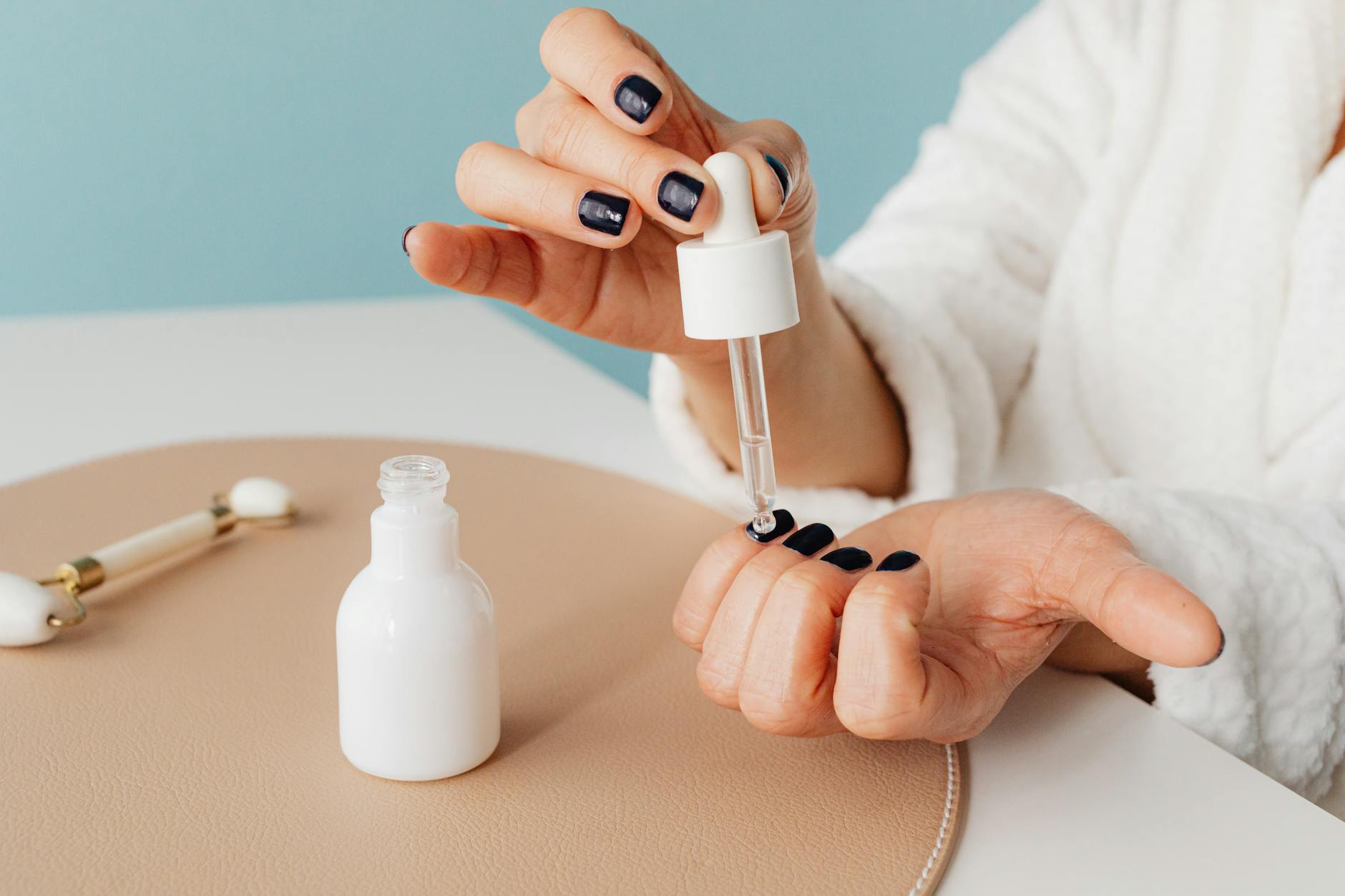
The timing and sequence of application matter significantly. If you’re using a benzoyls peroxide wash, apply it first, wait for skin to completely dry (5-10 minutes), then apply your resveratrol and ferulic acid serum. Benzoyl peroxide works best on completely dry skin and can deactivate some antioxidants if layered while wet. After the serum absorbs (another 2-3 minutes), you can apply a lightweight moisturizer or your retinoid if using one at night.
If combining with salicylic acid (a beta-hydroxy acid that exfoliates inside pores), use them on alternate nights rather than the same night. Both ingredients remove the skin barrier in different ways—salicylic acid chemically exfoliates; resveratrol and ferulic acid strengthen the barrier. Alternating prevents over-stripping. A common mistake is applying the serum to damp skin thinking it will help penetration—this actually dilutes the active ingredients and reduces their effectiveness. Pat skin dry first.
Limitations and When Resveratrol and Ferulic Acid Serum Falls Short
While these ingredients are evidence-backed, they won’t clear moderate to severe acne on their own. If you have more than 10-15 inflammatory lesions on your face, or acne that’s concentrated in areas like the jawline and neck (often hormonal), you’ll likely need prescription-strength treatment. Topical antioxidants work from the outside in, and their penetration depth is limited—they affect the epidermis and upper dermis effectively, but can’t reach deep cystic formations.
Additionally, acne driven primarily by hormonal factors (like polycystic ovary syndrome or hormonal fluctuations during the menstrual cycle) won’t respond as well to topical antioxidants alone. The sebum overproduction in hormonal acne is driven by androgens circulating in the bloodstream, not surface-level factors. These serums can reduce the inflammatory response once a hormonal breakout begins, but they can’t prevent it at the source.
How Long Does It Really Take to See Results?
Most dermatologists and clinical trials indicate that visible improvement in acne requires consistent use for 4-6 weeks before meaningful change appears. This timeframe applies to resveratrol and ferulic acid serum as well. In that first 2-3 weeks, don’t be alarmed if breakouts seem slightly worse—this is often the purging phase where bacteria-filled pores are being cleared. By week 4, you should notice fewer new lesions forming and a reduction in overall redness.
By week 6-8, if you have mild to moderate acne, you may see a 30-50% reduction in lesion count. For maintenance, consistency matters more than occasional use. Using a resveratrol and ferulic acid serum three times a week is less effective than daily application. The antioxidants work by accumulating in skin and continuously suppressing bacterial growth and inflammation—skipping days breaks that cycle.
The Future of Antioxidant-Based Acne Treatment
Research into antioxidant combinations for acne is expanding beyond resveratrol and ferulic acid. Scientists are now investigating how these ingredients perform when paired with other actives like niacinamide (which also reduces sebum production) or azelaic acid (which has both antibacterial and anti-inflammatory properties).
The trend is moving toward multi-mechanism formulations that address acne from several angles simultaneously rather than relying on single active ingredients. That said, resveratrol and ferulic acid serum has staying power in dermatology because both ingredients have multiple modes of action and low side effect profiles. Unlike some newer, more heavily marketed ingredients, these have decades of research behind them and won’t suddenly fall out of favor.
Conclusion
Resveratrol and ferulic acid serum can be an effective, gentler alternative to harsher acne treatments for mild to moderate inflammatory acne. By reducing sebum production, suppressing acne bacteria, and strengthening the skin barrier, they address acne at multiple points in its development cycle.
Results require patience—typically 4-8 weeks of consistent daily use—and work best as part of a comprehensive routine rather than a standalone solution. If you’re dealing with hormonal acne, severe cystic breakouts, or acne that hasn’t responded to gentler treatments, you’ll need prescription-strength options. But if your acne is driven by excess oil production and inflammation on otherwise clear skin, starting with a well-formulated resveratrol and ferulic acid serum is a scientifically sound choice with minimal risk of irritation or resistance.
Frequently Asked Questions
Can I use resveratrol and ferulic acid serum with benzoyl peroxide?
Yes. Apply benzoyl peroxide first on completely dry skin, wait 5-10 minutes, then apply the serum. Benzoyl peroxide is most effective on dry skin and the serum won’t interfere with its antibacterial action.
Will resveratrol and ferulic acid serum help with acne scars?
Not directly. These ingredients address active acne and inflammation, but they don’t have proven efficacy for existing scars. For scarring, you’d need treatments like microneedling, laser resurfacing, or dermal fillers.
How long before I should stop using the serum if I don’t see results?
Give it a full 8 weeks at consistent daily use. Many people see meaningful improvement by week 6, but some skin types respond more slowly. If you see zero improvement after 8 weeks, acne may be hormonal or require stronger prescription treatments.
Can I use this serum if I’m on isotretinoin (Accutane)?
You should check with your dermatologist, but generally, antioxidant serums are considered safe during Accutane treatment. However, Accutane causes significant dryness, so the serum should be applied to damp skin and followed immediately by a heavy moisturizer to maximize hydration.
Is there a difference between resveratrol from red grapes versus synthetic resveratrol?
Synthetic resveratrol is chemically identical to naturally-derived resveratrol and performs the same way on skin. What matters more is formulation—specifically, whether ferulic acid is present to stabilize the resveratrol, and whether the pH is correct for absorption.