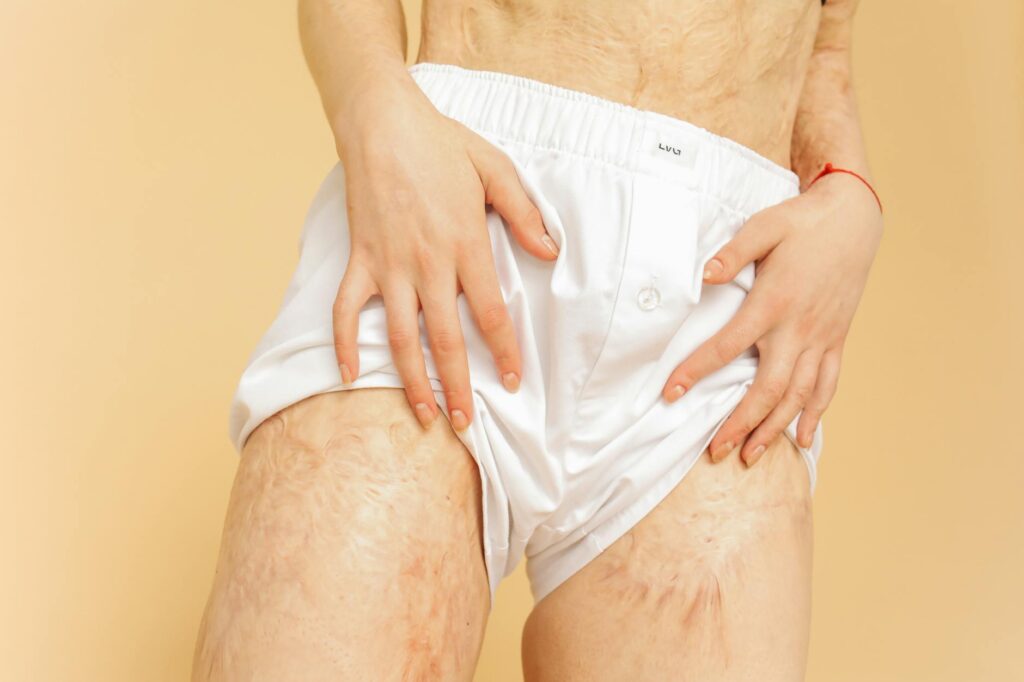
Profound RF uses radiofrequency microneedling to stimulate collagen remodeling beneath the skin’s surface, which directly addresses acne scar texture by filling depressed scars and improving overall skin firmness. The fractional RF energy penetrates deep into the dermis—typically 3.5 to 4mm deep—without damaging the epidermis, triggering a cascade of collagen production that gradually smooths atrophic scars and tightens loose or lax skin that often accompanies severe acne damage. For example, someone with widespread boxcar scars and a mild loss of skin elasticity on their cheeks might see 50-70% improvement after two to three treatments spaced four to six weeks apart. This article covers how Profound RF works at the cellular level, what results you can realistically expect, how it compares to other scar treatments, potential limitations, and what the recovery timeline looks like.
Table of Contents
- How Does Profound RF Address Atrophic Acne Scars?
- Skin Tightening and Laxity Improvement
- Visible Results and Timeline
- Profound RF Versus Other Scar Treatment Options
- Recovery, Downtime, and Realistic Expectations
- Who Is a Good Candidate?
- Long-Term Outlook and Maintenance
- Conclusion
- Frequently Asked Questions
How Does Profound RF Address Atrophic Acne Scars?
Profound RF creates controlled thermal injury at depth using insulated microneedles that deliver radiofrequency energy. The heat initiates immediate collagen contraction and, over weeks and months, triggers fibroblasts to synthesize new collagen and elastin fibers. This neo-collagen gradually fills in depressed areas of boxcar, rolling, and icepick scars, elevating them closer to the surrounding skin surface.
The mechanism is particularly effective for wider, shallower atrophic scars—someone with diffuse mild-to-moderate boxcar scarring across their forehead will see more dramatic improvement than someone with isolated, very deep icepick scars. However, if your scars are extremely deep or narrow (like severe icepick scars), Profound RF alone may not achieve complete resolution. Icepick scars often require subcision or TCA cross to break scar tissue adhesions before RF treatments can work effectively. The radiofrequency energy works best when there is some baseline skin elasticity to respond to the collagen stimulus; heavily scarred, inelastic skin responds more slowly or incompletely.
Skin Tightening and Laxity Improvement
Beyond scar elevation, Profound RF tightens loose or lax skin through dermal remodeling. acne damage—especially severe cystic acne—can stretch skin and compromise elasticity over time. The microneedling combined with RF heat causes significant collagen reorganization, which restores skin firmness and can improve mild to moderate sagging or loss of definition.
Many patients notice their skin feels more “lifted” and compact after a series of treatments, contributing to a more refined appearance beyond just scar improvement. The tightening effect develops gradually over three to six months as remodeling progresses, and some providers report continued improvement for up to a year post-treatment. However, if someone has significant gravitational sagging or advanced skin laxity unrelated to acne damage, Profound RF alone won’t deliver the results of a surgical lift or aggressive energy-based tightening. Realistic expectations matter: Profound RF improves laxity and firmness within the bounds of non-invasive radiofrequency, not a facelift.
Visible Results and Timeline
Most patients begin noticing texture improvement around four to six weeks post-treatment, with progressive refinement continuing over three to six months. Initial results come from collagen contraction and mild swelling reduction; longer-term improvement reflects new collagen synthesis. A typical protocol involves two to four treatments spaced four to six weeks apart, and many practitioners recommend annual maintenance treatments to sustain results.
Real-world example: A 28-year-old with widespread mild boxcar scars and some skin laxity completed three Profound RF treatments. After the first session, they saw about 20% scar elevation and firmer feel. By three months post-final treatment, the scars were approximately 60-70% less visible, and their skin looked more refined overall. Results plateau because collagen production eventually stabilizes; continued improvement after six months post-treatment is minimal unless additional sessions are performed.

Profound RF Versus Other Scar Treatment Options
Profound RF sits in the middle ground between gentler options like laser resurfacing and more invasive procedures like surgical excision. Traditional CO2 laser resurfacing is highly effective for severe scarring but carries higher infection and pigmentation-change risks, plus longer downtime. Subcision mechanically breaks scar tissue adhesions and works brilliantly for rolling scars but doesn’t address the “quality” of residual scarring texture.
Microneedling (standard, without RF) stimulates collagen but at a shallower depth and with less intensity, requiring more sessions for equivalent results. Profound RF combines the depth and intensity of surgical subcision-adjacent treatment with the controlled precision and lower complication risk of energy-based devices. The tradeoff: Profound RF requires multiple sessions and patience for results, whereas aggressive laser or surgical options can achieve dramatic results in one to two sessions but carry higher risk of complications like hypopigmentation or post-inflammatory hyperpigmentation, especially in darker skin tones.
Recovery, Downtime, and Realistic Expectations
Profound RF causes significant immediate swelling—expect two to five days of pronounced puffiness and redness. Many patients experience visible grid-pattern marks where the microneedles made contact, which resolve within one to two weeks. You’ll likely need at least three to four days away from work or social commitments.
Unlike ablative laser treatments, the epidermis stays largely intact, so infection risk and hyperpigmentation risk are lower, but downtime is still substantial. A critical limitation: Profound RF requires sun protection and good wound care, especially in the first two weeks. If someone doesn’t follow post-treatment instructions or has a tendency toward infection or delayed healing, complications including prolonged erythema, hyperpigmentation, or rare scarring from the treatment itself can occur. Patients with active acne, herpes simplex virus, or certain medications that impair healing should not proceed without consulting their dermatologist.

Who Is a Good Candidate?
Ideal candidates have mild-to-moderate atrophic scarring, intact or only mildly compromised skin barrier, good healing capacity, and realistic expectations. Patients with darker skin types can undergo Profound RF safely but may have higher risk of post-inflammatory hyperpigmentation; experienced operators familiar with treatment adjustment in darker skin are essential.
Someone with only a few isolated deep icepick scars is not an ideal candidate; the cost and downtime may not justify results. Conversely, someone with widespread mild-to-moderate boxcar or rolling scars, some skin laxity, and the willingness to undergo three to four sessions is an excellent candidate. Those with active cystic acne should first stabilize their acne with medical management before pursuing scar treatment; new scarring during RF recovery wastes effort and cost.
Long-Term Outlook and Maintenance
Collagen remodeling and new collagen synthesis are not permanent; over several years, natural aging and sun exposure gradually reverse gains. Many dermatologists recommend annual or biennial maintenance sessions to sustain results long-term. The good news is that maintenance sessions often require fewer passes or lower energy than initial therapeutic sessions.
Looking forward, Profound RF remains one of the most effective non-surgical options for concurrent acne scar and skin laxity treatment. Newer iterations of RF microneedling continue to refine temperature control and precision, potentially lowering downtime. For anyone with moderate acne scarring and skin texture concerns, Profound RF offers a reasonable middle path between gentler options that require many sessions and aggressive surgical approaches that carry higher risk.
Conclusion
Profound RF directly improves acne scar texture and skin laxity by stimulating deep dermal collagen remodeling through controlled radiofrequency-heated microneedling. It is most effective for mild-to-moderate atrophic scarring, particularly boxcar and rolling scars, and works synergistically with skin tightening to improve overall facial contour and firmness. Results take time—typically three to six months—and require multiple sessions, but downtime and complication risk are lower than ablative laser or surgical options.
Before pursuing Profound RF, consult with a board-certified dermatologist familiar with the treatment and your specific scar morphology. Realistic expectations, good post-treatment compliance, and patience are essential. For many people with moderate acne scarring and skin laxity, Profound RF offers meaningful, sustained improvement without the higher risk profile of more aggressive alternatives.
Frequently Asked Questions
How many Profound RF sessions do I need for acne scars?
Most people need two to four sessions spaced four to six weeks apart. Mild scarring may improve with two sessions; more extensive damage often requires three to four. Your dermatologist will assess your scars and recommend a protocol.
How long until I see results from Profound RF?
Initial texture improvement appears around four to six weeks, with progressive refinement continuing over three to six months. Full results typically stabilize by month six post-treatment.
Is Profound RF safe for dark skin?
Yes, but patients with darker skin tones have a higher risk of post-inflammatory hyperpigmentation. Treatment parameters must be carefully adjusted, and the provider should have experience with diverse skin types. Sun protection is critical.
Can Profound RF treat icepick scars?
Profound RF helps icepick scars to some degree, but very deep, narrow icepick scars often require subcision or TCA cross first to break scar adhesions before RF can effectively fill remaining texture irregularities.
What is the downtime after Profound RF?
Expect two to five days of pronounced swelling and redness, plus visible grid marks for one to two weeks. Most people need three to four days off work. Full healing and return to normal activities takes about two weeks.
How long do Profound RF results last?
Results are long-lasting but not permanent. Natural aging and sun exposure gradually reverse gains over several years. Annual or biennial maintenance sessions help sustain improvements.