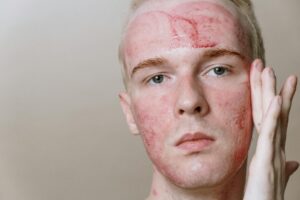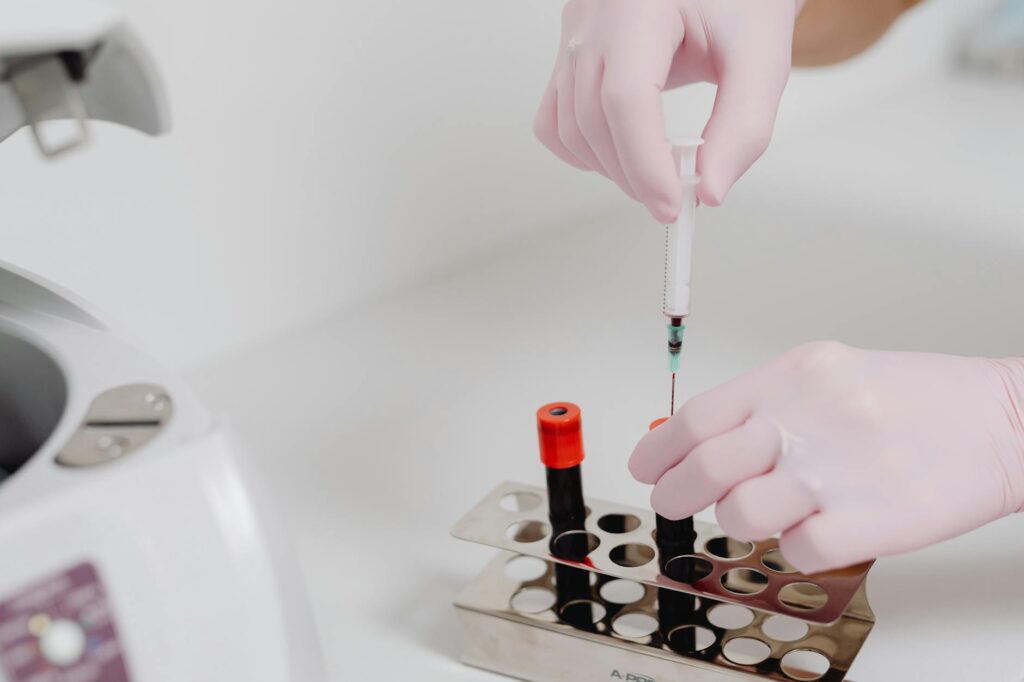
Platelet-Rich Fibrin (PRF) delivers significantly better results than PRP for acne scars because it releases growth factors slowly and steadily over 7 to 14 days, compared to PRP’s faster initial release. This sustained delivery mechanism allows PRF to stimulate greater fibroblast migration and collagen remodeling, the biological processes that actually fill in and smooth atrophic (sunken) acne scars. A clinical study comparing the two treatments directly found that PRF produced significantly higher therapeutic response and patient satisfaction than PRP, whether used alone or combined with microneedling.
This article explores exactly what makes PRF more effective, how the biological mechanisms differ, what the clinical evidence shows, how much improvement patients can realistically expect, and when each treatment makes sense depending on your scar type and budget. The choice between PRF and PRP for acne scars isn’t just about picking the newer option. Both treatments use components of your own blood to stimulate healing, but they differ fundamentally in preparation method, growth factor delivery timing, and—most importantly—measurable results. Understanding these differences is critical because if you invest in acne scar treatment, you want the approach most likely to work.
Table of Contents
- How PRF and PRP Deliver Growth Factors Differently
- What the Clinical Evidence Actually Shows About Efficacy
- Why PRP Struggles With Certain Scar Types
- Understanding Your Treatment Timeline and Realistic Expectations
- How Safe Are PRF and PRP for Your Face?
- Cost Reality: Why Price Alone Doesn’t Determine Value
- Recent Research Findings and When to Choose PRF Over Alternatives
- Conclusion
How PRF and PRP Deliver Growth Factors Differently
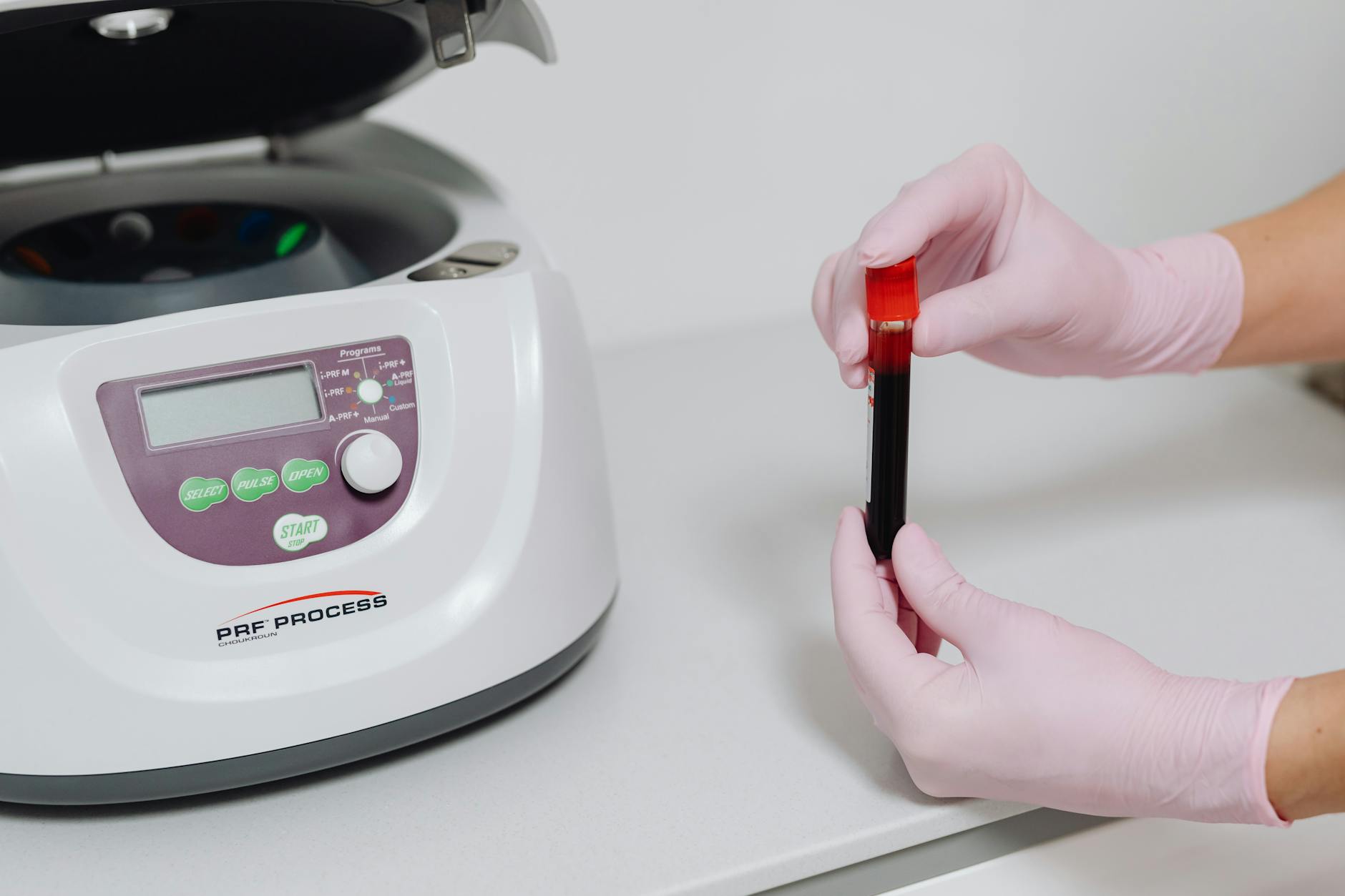
The core difference between PRF and PRP comes down to how long each treatment releases growth factors into your skin. PRP is centrifuged to concentrate platelets and mixed with anticoagulants to keep it liquid for injection. Once injected, it releases most of its growth factors within the first few hours to days. PRF, particularly injectable PRF (fluid PRF), is prepared without anticoagulants and maintains higher concentrations of both platelets and white blood cells compared to standard PRP. This structural difference matters: without anticoagulants, PRF forms a more complex fibrin network that slows down growth factor release.
In practical terms, PRF provides a sustained growth factor release over 7 to 14 or more days, whereas PRP’s release is front-loaded. This extended timeline allows the growth factors to stimulate skin cells more gradually and comprehensively. Fibroblasts—the cells responsible for producing collagen and elastin in the dermis—migrate significantly more in response to fluid PRF than to PRP, according to published research. This enhanced cellular activity translates directly into better tissue regeneration and scar improvement. The result is visible skin improvement that continues progressing over 3 to 6 months after treatment, with benefits lasting 8 to 14 months. PRP, by contrast, typically shows faster initial results but plateaus earlier.
What the Clinical Evidence Actually Shows About Efficacy
A direct 30-patient comparative study published in 2023 pitted PRF against PRP, with some patients receiving either treatment alone and others combining their treatment with microneedling. The results were unambiguous: PRF demonstrated significantly higher therapeutic response than PRP either alone or combined with needling, based on standardized quartile grading scales and patient satisfaction surveys. This isn’t a marginal difference—it’s the kind of evidence that influences how dermatologists recommend treatments. When researchers combined microneedling with injectable PRF specifically, they measured a 39.13% reduction in the Goodman and Baron quantitative scar score after just 16 weeks.
This metric is important because it’s objective—dermatologists measure scar depth and texture directly rather than relying on patient perception. PRP monotherapy, by comparison, produced marked improvement in only 42.5% of patients treated, with another 35% showing moderate improvement. In other words, roughly 1 in 4 PRP patients saw minimal or no improvement. For patients with Grade 2 and Grade 3 acne scars specifically, PRP alone achieved improvement in 50% of cases, which sounds reasonable until you realize half your patients are paying $400 to $800 per session with minimal results.
Why PRP Struggles With Certain Scar Types
PRP’s effectiveness varies dramatically depending on your scar morphology. The treatment works relatively well for boxcar scars (broad, rectangular depressions) and rolling scars (wavy, undulating depressions), but shows limited effectiveness against ice pick scars—those narrow, deep puncture-like scars that often represent the most visually obvious scar damage. This limitation matters because many people with severe acne have a mix of scar types, and a treatment that doesn’t address your ice pick scars may leave you partially satisfied despite the cost and recovery time.
Another limitation: the evidence supporting PRP in combination with other technologies like microneedling or laser therapy remains low to very low certainty according to systematic reviews. This means the studies done so far have had small sample sizes, inconsistent protocols, or both. When you see marketing materials claiming “PRP with microneedling is the gold standard,” understand that current evidence doesn’t strongly support that claim. This uncertainty is precisely why PRF’s higher efficacy in the comparative study stands out—when treatments get tested head-to-head under controlled conditions, PRF consistently wins.
Understanding Your Treatment Timeline and Realistic Expectations
One reason people feel disappointed with PRP is unrealistic expectations about timing. Scar improvement isn’t instant with either treatment. PRF shows gradual improvement over 3 to 6 months following injection, with results continuing to develop even after initial response. Most patients need multiple sessions spaced 4 to 6 weeks apart to achieve optimal results. With PRP, the timeline is somewhat faster in terms of initial response, but the plateau happens sooner.
The improvement also doesn’t last indefinitely—PRF effects typically persist for 8 to 14 months before gradual diminishment, meaning many patients return for maintenance sessions annually. The sustained growth factor release from PRF actually helps explain its longer-lasting results. Because PRF continues stimulating collagen remodeling throughout the 7 to 14-day release window, the structural changes in your dermis continue evolving longer than with PRP’s faster initial surge. This means the investment in PRF often pays off better over a year or longer, even if upfront costs might be similar. If you’re considering either treatment, plan for a series of sessions and understand that transformation takes months, not weeks.
How Safe Are PRF and PRP for Your Face?
Both treatments carry similar short-term side effects. Facial skin typically appears more erythematous (red) and edematous (swollen) immediately after microneedling combined with either PRF or PRP injection, but this temporary inflammation resolves within 2 to 3 days. No significant difference exists between PRP and PRF regarding adverse events—the redness, swelling, and minor bruising are comparable. Both treatments show favorable adverse event profiles overall, with serious complications being rare.
You’re working with your own blood components, which dramatically reduces rejection or allergy risks compared to synthetic fillers. However, “favorable overall” doesn’t mean “no risks.” While severe complications are uncommon, poor practitioner technique can damage deeper skin structures or cause excessive inflammation that prolongs recovery. Additionally, if you have active infections, certain blood disorders, or take blood thinners, you may not be a suitable candidate. The safety story changes slightly if combined with aggressive laser therapy or chemical peels done simultaneously—the cumulative inflammation stress becomes higher. Discuss your full medical history and current medications with your treatment provider before proceeding.
Cost Reality: Why Price Alone Doesn’t Determine Value
In the United States, a single microneedling session with PRP typically costs $400 to $800 per session. Most acne scar treatment protocols require 3 to 6 sessions for meaningful improvement, pushing total costs to $1,200 to $4,800 depending on severity and practitioner pricing. In India, the same treatment costs INR 5,000 to INR 15,000 per session ($60 to $180 USD), with total costs again depending on session requirements. The lower international pricing may seem attractive, but remember that the 30-patient clinical study showing PRF’s superiority was conducted under controlled research conditions—real-world results depend heavily on practitioner skill and your individual skin characteristics.
When evaluating cost, factor in the superior efficacy results PRF demonstrated. Paying $600 per PRF session when it produces better results might yield better value than $500 per PRP session that leaves you partially improved. This doesn’t mean PRF is always worth double the price—shop around, because many clinics charge similar amounts for both treatments while the evidence supports PRF. Ask about package discounts if committing to multiple sessions upfront.
Recent Research Findings and When to Choose PRF Over Alternatives
A 2025 systematic review examining platelet-based treatments for facial rejuvenation found that PRF obtained slightly better overall outcomes than PRP, and importantly, it noted that PRF offers a viable alternative because it’s easier to prepare and provides sustained effect. “Easier to prepare” matters in practice—PRP requires careful anticoagulant mixing and often multiple centrifugation steps that must happen immediately before injection. PRF preparation is more straightforward, reducing room for practitioner error.
The ease factor might seem minor until you realize that inconsistent preparation directly impacts treatment efficacy. The forward-looking message from 2025 research is that PRF deserves front-of-line consideration when choosing between blood-based acne scar treatments. This doesn’t mean PRP is obsolete—it remains effective for some patients, particularly those with limited budgets or those who’ve had good results with it previously. However, if you’re starting acne scar treatment and haven’t tried either yet, the clinical evidence increasingly points toward PRF as the more reliable choice for producing noticeable, lasting improvement.
Conclusion
PRF outperforms PRP for acne scars primarily because of its sustained growth factor delivery over 7 to 14 days, which stimulates superior fibroblast migration and collagen remodeling compared to PRP’s faster release. Clinical evidence from direct comparison studies shows PRF produces significantly higher therapeutic response rates and patient satisfaction. Improvement develops gradually over 3 to 6 months and lasts 8 to 14 months, requiring multiple sessions spaced weeks apart for optimal results. While both treatments carry similar mild side effects and favorable safety profiles, PRF represents the evidence-backed choice when initiating acne scar treatment.
Your next step depends on your scar type and goals. If you have predominantly ice pick scars, understand that neither PRP nor PRF alone reliably treats those and discuss combination approaches with your dermatologist. If you have boxcar or rolling scars and can commit to a multi-session protocol lasting 3 to 6 months, PRF deserves serious consideration given its superior clinical results. Schedule a consultation with a dermatologist experienced in blood-based treatments, verify they understand the difference between PRF and PRP, and ask specifically about their improvement rates and before-and-after photos for acne scar cases.