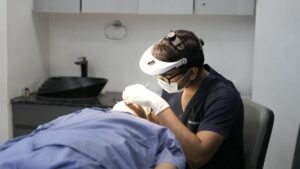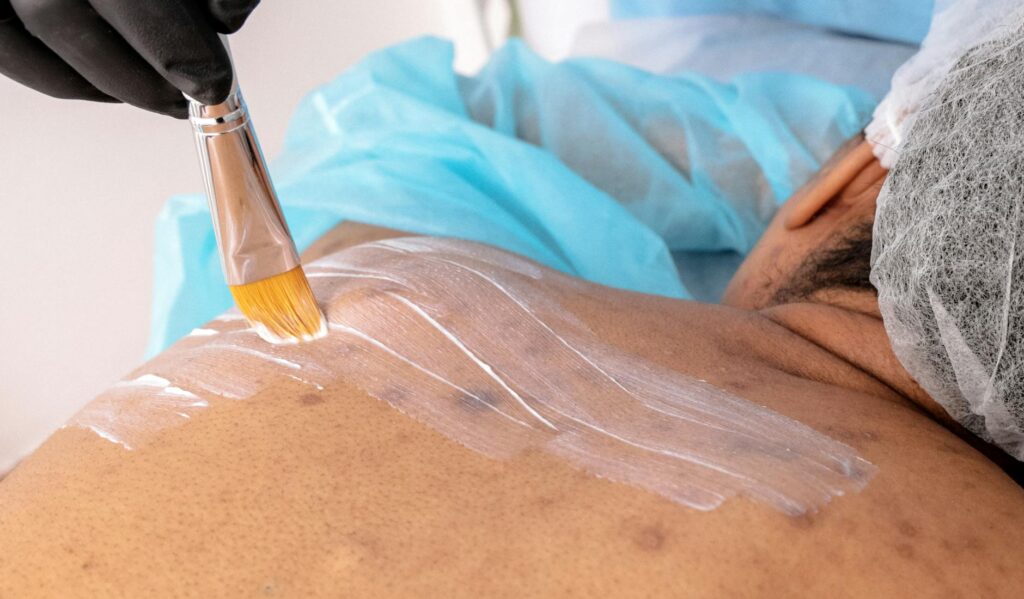
Personalized cell therapy would fundamentally change how acne scars are treated by moving from generic, one-size-fits-all approaches to precision medicine tailored to each patient’s specific scar biology. Rather than relying solely on lasers or fillers that work at different effectiveness levels depending on scar type, personalized cell therapies would analyze a patient’s individual scar characteristics—including fibroblast phenotype, genetic markers, and scar severity—to customize the treatment approach. Recent clinical evidence shows that autologous (patient’s own) cell-based therapies already produce substantial and statistically significant reductions in atrophic acne scar depth, with safety profiles superior to conventional treatments. For someone with moderate rolling scars, personalized cell therapy might deliver a single injection of adipose-derived stem cells that proves as effective as three sessions of fractional CO₂ laser, while someone with severe boxcar scars might receive a customized exosome treatment designed specifically for their fibroblast response.
This article explores the specific therapies being studied, the clinical evidence behind them, what personalization actually means in practice, and the practical realities of these emerging treatments. The shift toward personalization represents a maturation of regenerative medicine from experimental novelty to evidence-based precision treatment. A 2026 meta-analysis analyzing 18 clinical studies confirmed that autologous cell therapies show marked increases in patient-reported satisfaction alongside safety profiles comparable to or superior to conventional treatments. The key difference personalization introduces is moving beyond asking “does this treatment work?” to asking “which cell therapy will work best for this specific patient’s scar type?” This distinction matters because acne scars vary dramatically in their underlying biology—some are primarily collagen-deficient, others involve inflammatory fibrosis, still others stem from abnormal healing cascades—and a one-size-fits-all approach misses these nuances.
Table of Contents
- How Would Personalized Cell Therapies Target Different Types of Acne Scars?
- What Makes Cell Therapy “Personalized” Rather Than Generic?
- What Do Clinical Trials Reveal About Cell Therapy Effectiveness for Atrophic Scars?
- What Is the Practical Timeline and Realistic Improvement Patients Could Expect?
- What Limitations Should Patients and Clinicians Acknowledge About Current Cell Therapy Approaches?
- What Emerging Developments in 2026 Are Advancing Cell Therapy Beyond Injectable Cells?
- How Might Personalized Cell Therapy Change Acne Scar Management in the Next 5-10 Years?
- Conclusion
How Would Personalized Cell Therapies Target Different Types of Acne Scars?
Personalized cell therapy would address acne scars through multiple cellular mechanisms depending on the scar type and the patient’s individual biology. The most studied approach involves stem cell-derived exosomes—tiny extracellular packages released by stem cells that contain growth factors, proteins, and genetic material capable of promoting collagen remodeling and tissue regeneration. In a 12-week prospective, double-blind, randomized split-face study with 25 patients, adipose tissue stem cell-derived exosomes combined with fractional CO₂ laser achieved a 32.5% reduction in atrophic scar thickness in the exosome-treated group compared to only 19.9% in the control group. This means that adding personalized exosome therapy to the same laser treatment doubled the effectiveness—a clinically meaningful difference that demonstrates why precision cell selection matters. Another approach uses stromal vascular fraction (SVF), the cellular component of fat tissue that contains stem cells, endothelial cells, and other regenerative cells.
When used with nanofat—a specialized preparation of fat tissue—SVF shows improved outcomes compared to nanofat alone in clinical trials. A third strategy employs adipose-derived stem cells injected directly into scarred tissue, where they promote new collagen formation and improve tissue elasticity. One injection of adipose-derived stem cells has demonstrated efficacy equivalent to three sessions of fractional CO₂ laser in treating atrophic scars. For a patient comparing options, this is significant: three laser sessions involve multiple appointments, cumulative downtime, and expense, versus a single injection. However, if someone’s scars are severe or extensive, personalization might suggest combining cell therapy with complementary treatments rather than substituting one for the other.
What Makes Cell Therapy “Personalized” Rather Than Generic?
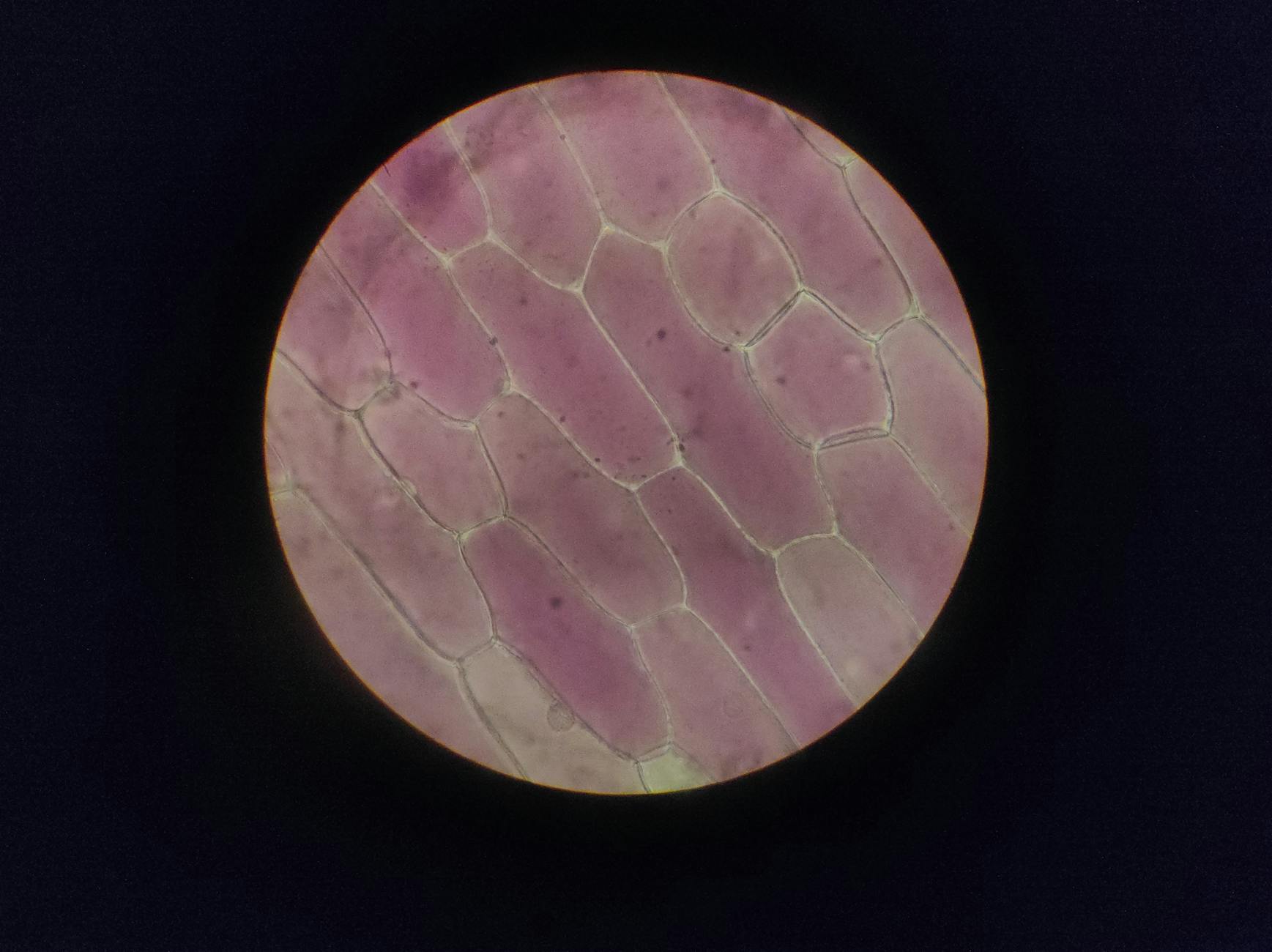
Personalization in cell therapy moves beyond simply choosing an off-the-shelf treatment to actually customizing the approach based on individual biomarkers and scar characteristics. A 2026 systematic review emphasizes that truly personalized regenerative medicine requires identifying predictive biomarkers—whether from serum proteomics (blood protein patterns), scar fibroblast phenotypes (the specific characteristics of cells within the scar), or genetic profiles—to customize treatment to individual scar type and severity. In practical terms, this might mean a dermatologist ordering bloodwork or a tissue sample analysis before treatment to determine which cell therapy approach will deliver maximum benefit for that specific patient. The distinction between generalized and personalized becomes clear when considering individual variation in scar response. Two patients with similar-looking rolling scars might have entirely different underlying cellular pathology—one’s scars might involve primarily inflammatory fibroblasts, while the other’s involve myofibroblasts driving excessive collagen contraction.
A generic approach treats both the same way; a personalized approach would recommend different cell populations or different growth factor combinations. However, it’s important to note that personalized cell therapy is still emerging. The biomarkers that would reliably predict which therapy works best for which patient aren’t yet standardized across clinical practice. Current research is identifying these markers, but widespread clinical implementation requiring pre-treatment biomarker testing is still years away. In the near term, personalization is more likely to mean selecting among established cell therapy types based on scar characteristics visible to an experienced dermatologist.
What Do Clinical Trials Reveal About Cell Therapy Effectiveness for Atrophic Scars?
Clinical evidence for cell-based therapies targeting acne scars is substantially stronger than many people assume. The 2026 meta-analysis examined 18 rigorous clinical studies and found consistent evidence of efficacy: autologous cell therapies produce “substantial and statistically significant reduction in atrophic acne scar severity.” This isn’t anecdotal improvement or modest changes—the studies measured actual thickness changes, texture improvement, and validated severity scales, all showing meaningful clinical benefit. The exosome study mentioned earlier provides a concrete example: patients receiving exosome treatment showed a 32.5% reduction in scar depth compared to 19.9% for controls receiving the same laser without exosomes, meaning the cell therapy component more than doubled the improvement attributable to the laser alone. The comparison to conventional treatments is equally important.
The clinical trials consistently show that adverse events from cell therapies are “mild, localized, and transient,” with zero documented cases of infections, scarring, systemic reactions, or long-term treatment-related complications across all the trials analyzed. By contrast, fractional CO₂ laser carries risks including infection, hypo- or hyperpigmentation, and rarely, severe scarring from the treatment itself. Dermal fillers, another conventional approach, carry infection risks, allergic reactions, and require repeated treatments because the filler reabsorbs. One patient considering options might weigh a single cell therapy injection—with no documented serious adverse events—against three laser sessions with cumulative downtime and documented risks, even if the cell therapy shows slightly slower early results.
What Is the Practical Timeline and Realistic Improvement Patients Could Expect?
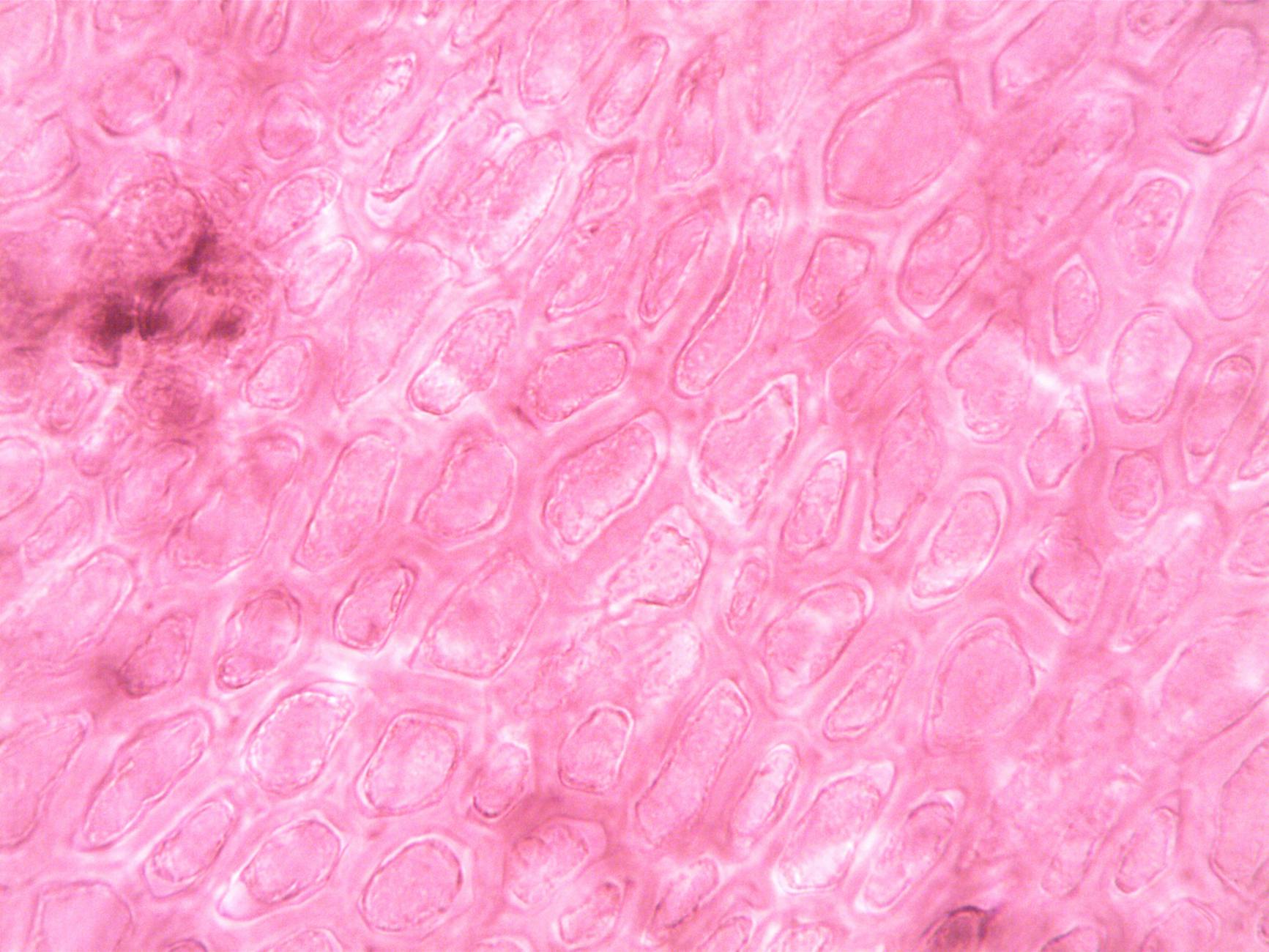
Understanding the realistic timeline is essential because cell therapy differs markedly from laser treatments in how results emerge. While fractional CO₂ laser shows immediate swelling followed by visible improvement over weeks, cell therapies work through slower biological remodeling—the injected cells or exosomes must trigger the patient’s own fibroblasts to produce new collagen and reorganize scar tissue. The 12-week exosome study showed meaningful improvement at 12 weeks, but the improvement continued gradually beyond that timeframe. Most cell therapy protocols suggest assessing results at 3 months, with additional improvement continuing through 6 months. For a patient accustomed to lasers’ faster visible results, this slower trajectory can feel like the treatment isn’t working during weeks 2-4 when laser effects would already be obvious. The improvement magnitude also differs by scar type.
Cell therapies excel at addressing atrophic (depressed) scars where collagen replacement is needed, because they directly stimulate new collagen formation. Rolling scars—the most common type—typically show substantial improvement. Boxcar scars (sharply demarcated, box-like depressions) also respond well because the cell therapy fills the depression with new tissue rather than just tightening existing skin. Hypertrophic or keloid scars (raised scars) may require different approaches. The important caveat is that cell therapy alone likely won’t eliminate severe, deep scarring completely—it substantially improves appearance and texture rather than making scars invisible. A realistic expectation might be 40-60% improvement in depth and appearance, which is clinically meaningful but not complete resolution.
What Limitations Should Patients and Clinicians Acknowledge About Current Cell Therapy Approaches?
Despite promising evidence, several important limitations constrain current cell therapy applications. First, adipose tissue (fat) must be harvested to obtain the cells or prepare exosomes, which means a minor liposuction procedure or fat aspiration is often necessary. This adds procedural complexity, cost, recovery time, and a small surgical risk compared to non-harvesting approaches. While the procedure is typically straightforward, it means cell therapy isn’t a same-day simple injection for everyone. Second, the manufacturing process for exosomes and processed cell preparations introduces variability—how cells are isolated, cultured, and prepared affects their potency. Without standardized manufacturing and biomarker-based personalization fully implemented, two patients receiving “exosome therapy” might receive products with significantly different biological activity.
Third, while the safety profile is excellent in published clinical trials, the long-term effects beyond 6-12 months aren’t yet thoroughly documented. Injected stem cells or exosomes could theoretically trigger unexpected inflammatory responses or adverse effects in individual patients, particularly those with specific genetic predispositions or autoimmune conditions. The trials show no documented serious complications, but these are relatively small studies in carefully selected populations. A patient with a history of keloid formation, for instance, might be a poor candidate because their healing response is abnormally aggressive—injecting regenerative cells could theoretically trigger excessive collagen production. Additionally, cellular therapies remain expensive, typically ranging from $2,000-$8,000+ per treatment depending on the approach and the degree of customization, and insurance rarely covers them. For someone with limited budget and severe scars, conventional laser treatment or combination approaches might remain more practical despite lower efficacy.

What Emerging Developments in 2026 Are Advancing Cell Therapy Beyond Injectable Cells?
Beyond injectable cell therapies, 2026 is seeing exciting developments in topical and biologic formulations containing cell-derived components. New topicals incorporating peptides, growth factors, and exosome-derived molecules are identified among the most exciting developments for 2026 for controlling skin healing in scar treatment. These topical formulations can’t replace invasive cell therapy—they don’t deliver the concentration of active molecules that injected therapies do—but they could serve as personalized maintenance treatments.
For someone who received cell therapy injections, a customized topical serum containing exosome-derived growth factors might enhance and prolong results without additional injections. This represents personalization in a different dimension: instead of injectable therapy only, patients might receive a customized protocol combining injection, laser, and targeted topical treatments based on their specific scar phenotype and response to initial treatment. Someone with extensive scars might receive initial cell therapy injections plus a prescribed regimen of exosome-containing serum applied daily, while another patient’s personalized protocol might recommend cell therapy plus brief laser sessions plus topical peptide therapy. The emerging landscape increasingly views scar treatment as multi-modal and customizable rather than one treatment fits all.
How Might Personalized Cell Therapy Change Acne Scar Management in the Next 5-10 Years?
As biomarker identification advances and clinical trials expand, personalized cell therapy will likely move from its current state—emerging, evidence-based but not yet routine—toward more standardized clinical protocols based on validated predictive markers. Patients might undergo a simple blood test or scar tissue sampling that identifies their specific fibroblast phenotype or genetic healing profile, which then directs recommendation of the optimal cell therapy type, dose, and potentially complementary treatments. Manufacturing standards will mature, exosome isolation and characterization will become more consistent, and cost will decrease as these therapies move from specialized research centers to wider dermatology practice.
The fundamental promise of personalized cell therapy is replacing the current trial-and-error approach—where a patient might try three lasers, then fillers, then combination treatments before finding what works—with predictive, personalized protocols matched to their specific scar biology from the start. This shift from generic treatments to precision medicine represents maturation of dermatology itself. Rather than a dermatologist recommending the same laser setting or filler approach to every patient with rolling scars, personalization would mean recognizing that these patients have different underlying scar biology and deserve different treatment strategies. The evidence supporting this direction is already compelling, even if the full realization of true personalization remains under active development.
Conclusion
Personalized cell therapy would fundamentally shift acne scar treatment by moving from generic approaches to precision protocols customized to each patient’s individual scar biology and healing characteristics. Current clinical evidence, including a 2026 meta-analysis of 18 studies, demonstrates that autologous cell therapies—whether exosomes, stromal vascular fraction, or adipose-derived stem cells—produce substantial and statistically significant improvement in atrophic scars with safety profiles superior to conventional treatments. The specific advantage of personalization is that different patients’ scars, though they might look similar, often have different underlying cellular pathology, and matching the cell therapy type to that pathology optimizes outcomes.
For someone currently dealing with acne scars, the practical reality is that personalized cell therapy represents a genuinely promising option that’s becoming more available, though it remains more specialized and expensive than conventional treatments and requires patience with a slower timeline to results. The emerging biomarker research and 2026 developments in topical exosome formulations suggest that personalized, multi-modal scar treatment combining targeted cell therapy with complementary approaches will become increasingly standard. Anyone considering cell therapy should work with a dermatologist experienced in these techniques, discuss realistic timelines and improvement expectations, understand that one-time dramatic resolution remains unlikely, and recognize that while evidence supports substantial clinical benefit, these therapies remain newer than laser treatments with a smaller total patient history. The future trajectory is clear: personalization based on individual biology rather than generic protocols, combined with topical support and multi-modal strategies, represents the genuine evolution of acne scar treatment.