Paula’s Choice 1% BHA Gel works for acne primarily by penetrating deep into your pores—something water-soluble treatments can’t do—to remove dead skin cells and excess sebum that clog pores. The salicylic acid in the gel has four distinct mechanisms against acne: it kills acne-causing bacteria, unclogs pores, sheds dead skin cells, and reduces inflammation. For example, if you have persistent blackheads on your nose or whiteheads along your jawline that don’t respond to regular cleansing, this BHA gel targets them by dissolving the oil and debris packed inside the pore itself, rather than just cleaning the surface. This article covers how the product works, what the clinical research shows, who it actually helps, and when you should consider other treatments instead.
Table of Contents
- How Does Salicylic Acid Penetrate Pores Better Than Other Acne Fighters?
- The Science Behind Salicylic Acid’s Pore-Cleansing Effects
- What Does Clinical Research Actually Show?
- Who Sees the Best Results From Paula’s Choice BHA?
- What Are the Real Limitations of BHA Over Time?
- How to Use Paula’s Choice BHA Gel Correctly in Your Routine
- The Question of Long-Term BHA Use and Skin Tolerance
- Conclusion
How Does Salicylic Acid Penetrate Pores Better Than Other Acne Fighters?
The key difference between BHA (beta hydroxy acid) and other popular acne fighters lies in chemistry. BHA is oil-soluble, which means it can dissolve into the sebum that clogs your pores—the root cause of blackheads and many breakouts. In contrast, AHAs (alpha hydroxy acids) are water-soluble and work only on the skin’s surface. This deeper penetration is why dermatologists often recommend BHA specifically for oily, congested skin.
Paula’s Choice formulated their 1% gel to be strong enough to work effectively but gentle enough for daily use, since concentrations between 1–2% salicylic acid strike that balance. Beyond just dissolving oil, salicylic acid also slows hyperkaratinization—the excessive shedding of skin cells that contributes to pore blockage. By regulating how quickly dead skin accumulates inside your pores, the BHA prevents the buildup from happening in the first place. This is why consistent daily use matters; you’re not just treating existing acne, you’re preventing the conditions that cause it. However, if you have very dry or sensitive skin, starting with a lower concentration or using it less frequently may be necessary to avoid irritation.
The Science Behind Salicylic Acid’s Pore-Cleansing Effects
Paula’s Choice 1% BHA Gel delivers four proven anti-acne mechanisms in a single product: bacteriostatic (kills bacteria), comedolytic (unclogs pores), keratolytic (removes dead skin), and anti-inflammatory (reduces redness and swelling). This multi-pronged approach addresses acne at several points simultaneously. When you apply the gel to congested skin, the salicylic acid begins dissolving the oily debris inside pores while simultaneously calming the inflammation that makes acne red and painful.
The concentration of 1% is deliberately chosen because research shows that 1–2% salicylic acid offers the optimal balance between efficacy and tolerability for daily use. Higher concentrations (like 2%) work faster but carry more risk of irritation, flaking, and sensitivity, especially when used twice daily. The 1% concentration in Paula’s Choice formulation allows you to use it once or twice daily without the harsh side effects that stronger treatments cause. That said, if you have very sensitive skin, you may still experience mild dryness or peeling for the first few weeks as your skin adjusts.
What Does Clinical Research Actually Show?
Paula’s Choice backed their 1% BHA gel with independent clinical studies that show tangible results. One study tracked 32 subjects and found visible reduction in blackheads and whiteheads after just four weeks of consistent use—not months, not years, but four weeks. In another independent study of 29 subjects, the product again demonstrated effectiveness at clearing congestion. These aren’t tiny numbers; they’re statistically meaningful for a skincare ingredient.
Additionally, more recent 2024 research examined a 2% salicylic acid hydrogel and found it performed comparably to adapalene (a prescription retinoid) for mild to moderate acne, but with fewer irritation side effects—meaning BHA is not just effective, it’s gentler on skin than some pharmaceutical alternatives. The timeline matters here: while some improvement appears within a week (the product is clinically proven to help control oil within 7 days), the most meaningful reduction in comedones takes closer to four weeks. However, this assumes daily, consistent use. Skipping applications or using the product irregularly will delay results. It’s also worth noting that while clinical studies show 1–4 week improvements, some individual users report taking nearly a year of consistent use to see their acne fully clear, suggesting that individual variation is significant.
Who Sees the Best Results From Paula’s Choice BHA?
Paula’s Choice 1% BHA Gel works best for mild to moderate acne—the kind involving blackheads, whiteheads, and small inflamed bumps across the face or specific zones like the T-zone. If your acne is driven by excess oil, congestion, or dead skin buildup (rather than severe inflammation), this is a solid choice. People with oily or combination skin types typically see the most dramatic results because BHA directly regulates sebum production and removes oil-based blockages. For example, someone with oily skin prone to blackheads on their nose, chin, and forehead will likely see noticeable improvement within weeks.
Where the product falls short is with deep cystic acne—the kind that sits beneath the skin and is inflamed at the root. BHA works on pore congestion, not on the deeper inflammatory response that cystic acne requires. If you have severe cystic acne, prescription treatments like oral antibiotics, isotretinoin (Accutane), or hormonal therapy may be necessary. This is an important limitation to recognize early: using BHA as your only treatment for severe acne will waste time and money when a dermatologist visit could point you toward treatments that actually work for your skin.
What Are the Real Limitations of BHA Over Time?
One finding that deserves attention is the mixed longevity of BHA treatment. While many people maintain consistent improvement with daily use, some users report that the product becomes less effective after a few months. This can happen for a few reasons: your skin may build a tolerance to the ingredient, your acne may have a component (like hormonal or bacterial) that requires treatment rotation, or you may need to occasionally increase frequency or concentration to maintain results. There’s no magic cure for acne that works indefinitely without any adjustment.
Additionally, BHA isn’t suitable for everyone in its current form. If you have eczema, rosacea, or extremely sensitive skin, the slight acidity and exfoliating nature of salicylic acid may trigger irritation, redness, or stinging. Pregnant or nursing individuals should consult a doctor before using BHA, as systemic absorption is unlikely but the data is limited. Finally, BHA is less effective against hormonal acne—the kind triggered by fluctuating androgens during the menstrual cycle. If your breakouts are closely tied to your cycle, hormonal birth control or anti-androgen medications might be necessary alongside (or instead of) topical BHA.
How to Use Paula’s Choice BHA Gel Correctly in Your Routine
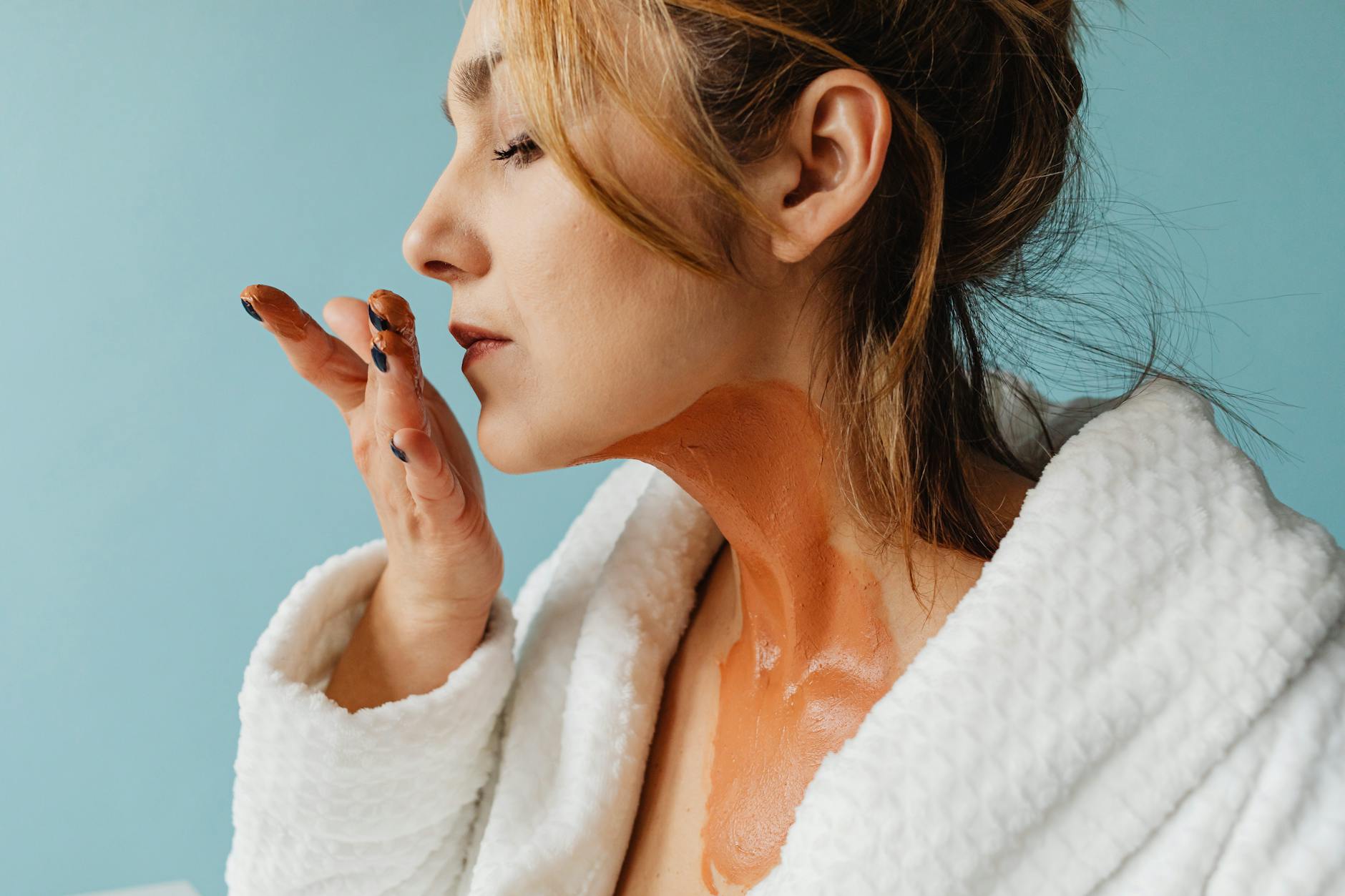
The correct application matters as much as the product itself. Paula’s Choice recommends using the BHA gel on clean, completely dry skin. Applying it to damp skin dilutes the salicylic acid and reduces efficacy. Most people apply it once or twice daily, though if you’re new to BHA, starting with once daily helps your skin acclimate. Massage a small amount (about a pea-size portion) onto affected areas or your entire face if you’re prone to breakouts across multiple zones.
Wait 15–20 minutes before applying other products, since BHA works best on skin with a slightly acidic pH. A practical example: if you cleanse your face in the morning, dry it completely with a clean towel, apply the BHA gel, wait 20 minutes, then apply a lightweight moisturizer and sunscreen (essential, since exfoliated skin is more sun-sensitive). At night, follow the same sequence but skip the sunscreen. Some people layer BHA with other actives like niacinamide (which actually complements BHA) but should avoid combining it with other exfoliants, vitamin C, or retinoids on the same night, as this causes irritation. The exception is that using BHA in the morning and a retinoid at night is often well-tolerated.
The Question of Long-Term BHA Use and Skin Tolerance
Using BHA consistently for months or years raises valid questions about whether your skin becomes immune to its effects or whether long-term use causes damage. The evidence suggests that while some tolerance can develop, BHA doesn’t damage healthy skin when used as directed. However, if you notice diminishing returns after 3–6 months of use, you have options: rotate to a different BHA product, increase frequency from once to twice daily, move up to a 2% concentration (if your skin tolerates the 1% well), or take a 1–2 week break to reset your skin before resuming.
The break strategy works because it prevents adaptation while avoiding the problem of stopping entirely and losing acne control. Looking forward, many dermatologists recommend that people with chronic mild acne treat BHA as a maintenance tool rather than a temporary fix—something you use long-term to keep acne at bay, similar to how someone with oily skin might use mattifying products indefinitely. This shifts the mindset from “use until acne is gone” to “incorporate into your baseline routine.” For those who maintain this approach, Paula’s Choice 1% BHA Gel serves as a gentle, accessible first-line treatment that prevents most mild breakouts without the prescription requirements or side effects of stronger options.
Conclusion
Paula’s Choice 1% BHA Gel works for acne by penetrating into pores with oil-soluble salicylic acid to remove debris, regulate sebum, reduce bacteria, and calm inflammation. Clinical studies show visible results within four weeks for blackheads and whiteheads, with some people seeing improvement in oil control as soon as one week. The 1% concentration strikes a balance between being strong enough to work and gentle enough for daily use without excessive irritation.
However, it’s not a cure-all: it works best for mild to moderate congestion-based acne, struggles with deep cystic acne, and may lose effectiveness over time for some users. If your acne is severe, hormonal, or cystic, or if it doesn’t improve after consistent use for 6–8 weeks, a dermatologist visit is your next logical step. For those with oily, congestion-prone skin and mild acne, Paula’s Choice 1% BHA Gel is a research-backed, accessible option worth trying as part of a consistent daily routine.