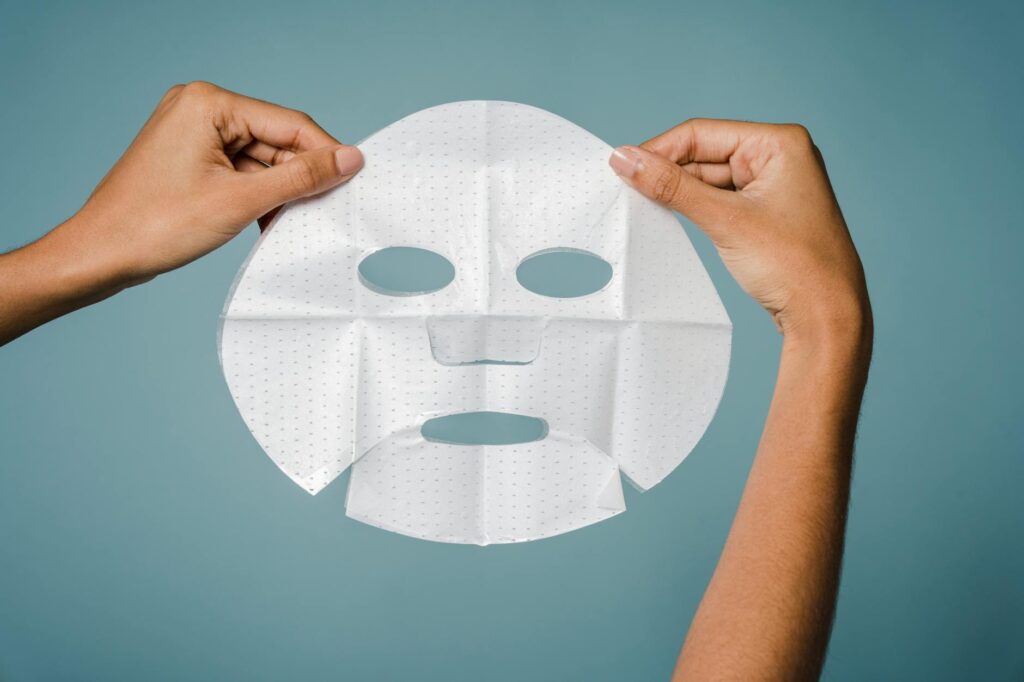
The Origins Clear Improvement Mask works on blackheads primarily through its clay and exfoliating base that draws out sebum and dead skin cells from pores, helping to unclog them and prevent the oxidation that creates blackhead appearance. The mask combines kaolin clay with salicylic acid and other clarifying ingredients to actively remove the buildup that forms blackheads, while also helping to minimize pores over time. This article covers how the mask’s ingredients target blackheads specifically, the proper way to use it for best results, realistic timelines for improvement, when it works versus when it falls short, and how to integrate it into a complete acne-fighting routine.
Table of Contents
- How Does the Origins Clear Improvement Mask Target Blackhead Formation?
- Key Ingredients and Why They Matter for Blackhead-Prone Skin
- The Science Behind Clay-Based Masks and Pore Unclogging
- How to Use the Mask Properly for Maximum Blackhead Results
- Timeline and Realistic Expectations for Blackhead Improvement
- When the Mask Doesn’t Work and Alternative Approaches
- Combining the Mask with Other Acne Treatments for Better Results
- Conclusion
- Frequently Asked Questions
How Does the Origins Clear Improvement Mask Target Blackhead Formation?
Blackheads form when pores become clogged with sebum and dead skin cells that oxidize when exposed to air, creating the characteristic dark appearance. The Origins Clear Improvement Mask addresses this at multiple steps in the process. As you apply the mask, the clay base adheres to oily buildup inside pores and pulls it to the surface, while mild exfoliants work to remove the dead skin layer that traps sebum beneath the skin.
For someone with moderately congested skin, leaving the mask on for 10 minutes typically draws out visible blackheads that you can see on the mask itself when you rinse it off—though this visual confirmation doesn’t always indicate deep pore cleansing below the surface. The mask also contains salicylic acid, a beta-hydroxy acid that dissolves the sebum-and-keratin plug that forms blackheads. Unlike surface exfoliants that only scrub the top layer, salicylic acid penetrates into the pore lining to prevent future blackhead formation. However, the concentration of salicylic acid in a rinse-off mask is typically lower than you’d find in a dedicated spot treatment or acne cleanser, so it works as part of a broader routine rather than as a standalone blackhead solution.

Key Ingredients and Why They Matter for Blackhead-Prone Skin
The mask’s primary active ingredient is kaolin clay, which has a natural negative electrical charge that attracts positively-charged oils and impurities. Kaolin is considered gentler than bentonite clay—another common blackhead-fighting clay—and works through absorption rather than aggressive drying, which matters because over-drying skin can trigger increased oil production and worsen blackheads over time. The combination of kaolin with salicylic acid creates a two-pronged approach: the clay pulls out existing sebum while the acid prevents new blackhead formation by keeping pores clear.
However, if you have naturally dry or sensitive skin, even kaolin clay can be too drying for regular use, potentially triggering more oil production as your skin compensates, which paradoxically makes blackheads worse. Origins addresses this by including calming ingredients like zinc and chamomile extract to reduce irritation. For most people with oily or combination skin, using the mask once or twice weekly works well, but using it more frequently—or using it on already-irritated or sunburned skin—can compromise your skin barrier and reduce its effectiveness against blackheads.
The Science Behind Clay-Based Masks and Pore Unclogging
Clay masks work through a combination of absorption and mechanical action. When applied, the clay particles are small enough to travel partway into the pore structure, absorb sebum and bacteria, and then be rinsed away along with the pore’s contents. The drying action as the mask sets on your skin also helps pull skin taut, which can temporarily minimize the appearance of pores and make blackheads less visible.
This is why you often see improvement in pore appearance immediately after using the mask. The long-term benefit of clay masks depends on consistent use because they don’t permanently shrink pores or eliminate the underlying tendency toward blackhead formation—they interrupt the blackhead cycle during the time you’re using them. If you stop using the mask and revert to a non-exfoliating routine, your pores will gradually become congested again over 2-4 weeks. This is different from prescription treatments like tretinoin or oral medications that create lasting changes to how skin produces sebum or sheds dead skin cells.

How to Use the Mask Properly for Maximum Blackhead Results
For the mask to effectively target blackheads, timing and preparation matter. Start with clean, slightly damp skin—dampness helps the clay spread evenly and prevents over-drying. Apply a thin, even layer to areas prone to blackheads, typically the T-zone (forehead, nose, chin). Leave it on for 10-15 minutes, not longer.
Many people assume that leaving the mask on for 20-30 minutes will deliver better results, but prolonged contact can over-dry skin and irritate the barrier, reducing the mask’s effectiveness over time. When you rinse the mask off, use warm (not hot) water and gentle circular motions with your fingertips to lightly exfoliate as you rinse—this helps lift away the clay and any loosened blackheads. A comparison: some people prefer to use the mask on wet skin or in a steamy shower, which softens the mask and makes it easier to remove, but also reduces the drying effect that helps unclog pores. The dry application on clean skin delivers stronger results for active blackheads. After rinsing, apply a lightweight, non-comedogenic moisturizer to prevent the skin barrier from becoming compromised by the clay’s drying action.
Timeline and Realistic Expectations for Blackhead Improvement
Most people notice some immediate improvement in blackhead appearance after the first use—the mask pulls out visible surface sebum and makes pores look cleaner. However, this initial improvement is largely temporary. Real, lasting blackhead reduction typically requires 3-4 weeks of consistent use (once or twice weekly) because you’re essentially interrupting the blackhead cycle by removing buildup regularly before it can oxidize and darken.
By week three, you should notice that blackheads are slower to return and require less frequent extractions. A key limitation: the Origins mask works best on comedonal (non-inflamed) blackheads. If your blackheads are inflamed, red, or you’re prone to picking at your skin, the mask alone won’t solve the problem—you’ll also need a treatment that reduces inflammation and bacteria, such as products containing benzoyl peroxide or azelaic acid. Additionally, if blackheads are deeply embedded or your pores are extremely congested, professional extraction by a dermatologist or esthetician combined with the mask routine often produces better results than the mask alone.
When the Mask Doesn’t Work and Alternative Approaches
The Origins Clear Improvement Mask is less effective on closed comedones (small white bumps) compared to open comedones (blackheads), because closed comedones are sealed under the skin surface and the mask can’t reach them as effectively. For closed comedones, you’d benefit more from a vitamin A treatment like retinol or a salicylic acid toner that you use daily rather than a rinse-off mask.
Similarly, if blackheads are caused by genetic predisposition to produce excess sebum, the mask provides temporary relief but won’t permanently reduce oil production. If you’ve been using the mask consistently for 6 weeks with no improvement in blackhead frequency, your blackheads likely require a more targeted approach—possibly a salicylic acid cleanser used twice daily, or a stronger treatment like adapalene (Differin) recommended by a dermatologist. Some people’s blackheads are actually a form of sebaceous filaments, which are normal and don’t respond to acne treatments the way typical blackheads do; in this case, the mask may make skin look cleaner temporarily but won’t reduce their number because that’s your skin’s normal structure.
Combining the Mask with Other Acne Treatments for Better Results
The Origins mask works best as part of a layered routine rather than as a standalone treatment. Using it once or twice weekly alongside a daily salicylic acid cleanser or BHA toner intensifies results because the toner prevents blackheads from reforming between mask sessions, while the weekly mask provides a deeper cleanse. For someone with resistant blackheads, adding a vitamin A product (retinol or prescription retinoid) addresses the root cause—abnormal skin shedding—making the mask’s job easier and results more lasting.
However, combining the mask with other potentially drying treatments requires caution. Using the mask on the same day as a BHA toner or retinoid is usually too much and can compromise your skin barrier, leading to flaking, irritation, and paradoxical increase in blackheads. A better approach: use the mask on one or two designated days (say, Sunday and Wednesday), use the BHA toner on alternate days, and save retinoids for nighttime or non-mask days.
Conclusion
The Origins Clear Improvement Mask effectively reduces blackheads by combining clay absorption, salicylic acid treatment, and mechanical exfoliation to unclog pores and remove the sebum buildup that forms blackheads. Results are most visible when used consistently once or twice weekly as part of a broader skincare routine, with noticeable improvement in blackhead frequency and appearance within 3-4 weeks. However, the mask is a management tool rather than a permanent solution—results depend on ongoing use, and the mask works best for non-inflamed, open comedones rather than deeply embedded or inflammatory blackheads.
To get the most from this product, use it on clean, slightly damp skin for 10-15 minutes, rinse gently, and follow with a lightweight moisturizer. If blackheads persist despite consistent use, consider adding or switching to a daily BHA product, consulting a dermatologist about prescription treatments like adapalene, or having a professional assess whether your blackheads are actually sebaceous filaments that don’t respond to acne treatments. Starting the mask as part of your routine now, while keeping expectations realistic, gives you the best chance of seeing meaningful improvement.
Frequently Asked Questions
How often should I use the Origins Clear Improvement Mask to treat blackheads?
Use it once or twice weekly. Using it more frequently won’t accelerate results and risks over-drying your skin, which can trigger more oil production and worsen blackheads.
Will the mask permanently get rid of blackheads?
No. The mask is a maintenance tool that interrupts the blackhead cycle during use. Blackheads will return over 2-4 weeks if you stop using it, unless you’ve also treated the underlying cause (abnormal skin shedding) with a product like a retinoid.
Can I use the Origins mask with salicylic acid cleansers or other acne treatments?
Yes, but not on the same day. Use the mask on certain days (e.g., Sunday and Wednesday) and reserve other days for daily BHA products or retinoids to avoid over-drying your skin.
Is the Origins Clear Improvement Mask safe for sensitive skin?
It contains calming ingredients like chamomile, but the clay and salicylic acid base means it’s still potentially drying for sensitive or easily irritated skin. Patch test first and use only once weekly if your skin is reactive.
My blackheads haven’t improved after 4 weeks. What should I do?
Your blackheads may be closed comedones or sebaceous filaments rather than typical blackheads. Switch to a daily salicylic acid product, consider a retinoid (like Differin), or consult a dermatologist about stronger treatments.