
Omnilux Revive works by delivering 633-nanometer red light deep into the skin to reduce the inflammation that drives acne breakouts and slows healing. In a clinical study of the device, 91% of participants reported visible skin improvements after three weeks of consistent treatment, with nearly 60% showing measurable clinical response in blinded photographic analysis. This professional-grade LED therapy targets the underlying cause of inflammatory acne rather than just surface symptoms, making it particularly useful for people struggling with persistent redness, swelling, and slow-healing lesions.
The device works through a well-established biological mechanism: red light at this specific wavelength penetrates through skin layers to reach the dermis, where it reduces inflammation, increases circulation, and supports the skin’s natural healing response. Whether you’re dealing with breakouts that leave lingering marks or acne that seems resistant to standard treatments, understanding how Omnilux Revive functions can help you decide if it’s the right addition to your skincare routine. This article covers the clinical evidence, how the technology works at a biological level, which types of acne respond best, what realistic timelines look like, and how it compares to at-home alternatives.
Table of Contents
- How Red Light Penetrates Skin to Reduce Acne Inflammation
- Clinical Evidence: What Studies Actually Show About Omnilux Revive
- Which Types of Acne Does Omnilux Revive Actually Help?
- Treatment Protocol and Timeline: When Should You Expect Results?
- Safety Profile and Side Effects: Is Omnilux Revive Right for Your Skin?
- Omnilux Revive vs. Omnilux Clear: Professional Device vs. At-Home Option
- LED Light Therapy in the Context of Modern Acne Treatment
- Conclusion
How Red Light Penetrates Skin to Reduce Acne Inflammation
The 633-nanometer wavelength used by Omnilux Revive is carefully selected because it strikes a balance: it penetrates deep enough to reach the dermis where acne inflammation occurs, but not so deep that the energy dissipates uselessly. Once the red light reaches inflamed tissue, it stimulates mitochondrial function in cells, increasing energy production and triggering anti-inflammatory responses. For acne-prone skin, this means reduced redness and swelling, decreased bacterial load, and faster resolution of individual lesions.
This mechanism differs fundamentally from topical acne treatments that work at the skin surface. Where benzoyl peroxide kills bacteria and salicylic acid exfoliates pores, red light addresses inflammation at its source—the immune response that causes the pain, swelling, and discoloration you see and feel. This is particularly valuable for people who’ve already tried conventional treatments or have sensitive skin that doesn’t tolerate strong topical actives well. However, the effectiveness depends on the specific type of acne: Omnilux Revive works best for inflammatory acne (the red, swollen type) and is less effective for comedonal acne (blackheads and whiteheads without inflammation).
Clinical Evidence: What Studies Actually Show About Omnilux Revive
A randomized controlled study of Omnilux Revive specifically evaluated participants receiving 20-minute treatments three times per week for three weeks. The results showed 91% of participants reported visible improvements and 59% demonstrated clinical response on blinded photographic evaluation—meaning independent reviewers who didn’t know which photos were pre-treatment or post-treatment could see measurable changes. These numbers suggest the device genuinely produces skin improvement rather than just subjective perception.
That said, the same study found no statistically significant changes in skin hydration or elasticity measurements, meaning Omnilux Revive’s benefits are specifically anti-inflammatory and don’t necessarily improve other skin quality markers. The device also exists within a much larger body of research: Omnilux has been featured in over 40 peer-reviewed clinical studies examining LED light therapy for skin conditions, and a related product (Omnilux Clear, which combines blue and red light) showed 93% of acne-prone participants experiencing decreased acne in a seven-week study. The research foundation is solid, though most recent studies focus on the Clear device rather than Revive specifically.
Which Types of Acne Does Omnilux Revive Actually Help?
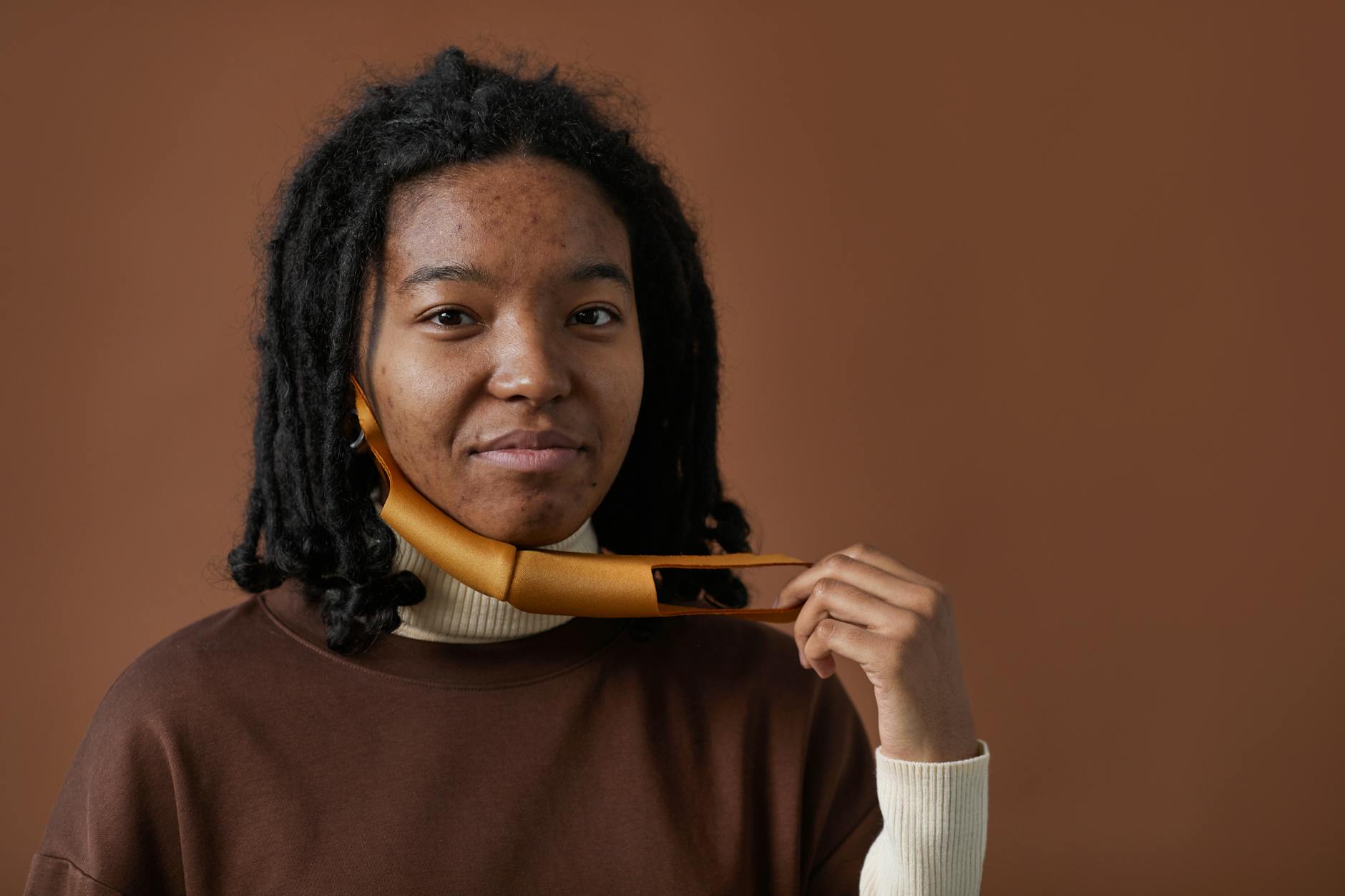
Omnilux Revive is most effective for mild to moderate inflammatory acne—the type characterized by red papules, pustules, and swollen lesions. If your breakouts involve painful, tender bumps that are visibly red and warm to the touch, this device is well-matched to your skin concern. A person dealing with post-breakout redness and inflammation could realistically expect to see improvements within the three-week treatment window outlined in clinical studies.
However, severe acne or cystic acne requiring oral medication may not respond adequately to LED therapy alone, and professional dermatological assessment is important before committing to this treatment. Similarly, if your primary acne concern is comedones (blackheads or whiteheads), Omnilux Revive may not address your specific problem effectively, since it targets inflammation rather than pore blockage. The device is also less suitable for fungal acne (pityrosporum folliculitis), where antibacterial and antifungal treatments are more appropriate.
Treatment Protocol and Timeline: When Should You Expect Results?
Clinical evidence shows the standard protocol: 20-minute sessions, three times per week for at least three weeks. This means a relatively significant time commitment—you’re looking at about one hour of treatment per week. Most people in the clinical study started seeing visible improvements within the three-week window, though individual response varies.
Some people notice changes sooner; others may need longer consistent treatment before acne noticeably improves. An important distinction here: Omnilux Revive is a professional or clinical device typically found in dermatology offices or advanced skincare clinics, not a home-use device like Omnilux Clear (which retails around $395). Professional devices deliver higher power output and precise treatment consistency compared to at-home options. If you’re considering LED therapy for acne, the choice between professional treatment and an at-home device involves weighing convenience and cost against efficacy—professional treatments may produce faster, more significant results but require office visits and are more expensive per session.
Safety Profile and Side Effects: Is Omnilux Revive Right for Your Skin?
Omnilux Revive has an excellent safety record with few reported adverse events, and those that do occur are mild and transient—meaning they resolve quickly without lasting impact. The device produces no pain, requires no downtime, and doesn’t damage healthy skin tissue. This makes it suitable across all skin types, from fair to deep, without the irritation or photosensitivity concerns that sometimes accompany chemical exfoliants or prescription acne medications.
The main practical limitation isn’t safety but expectation management: while the device effectively reduces inflammation, it’s not a permanent acne cure. You’ll likely need to maintain consistent treatment to sustain improvements, and it works best as part of a comprehensive skincare approach that includes gentle cleansing, non-comedogenic moisturizers, and sun protection. If you have active, severe infections or are taking photosensitizing medications, discuss Omnilux Revive with your dermatologist first, though serious contraindications are rare.
Omnilux Revive vs. Omnilux Clear: Professional Device vs. At-Home Option
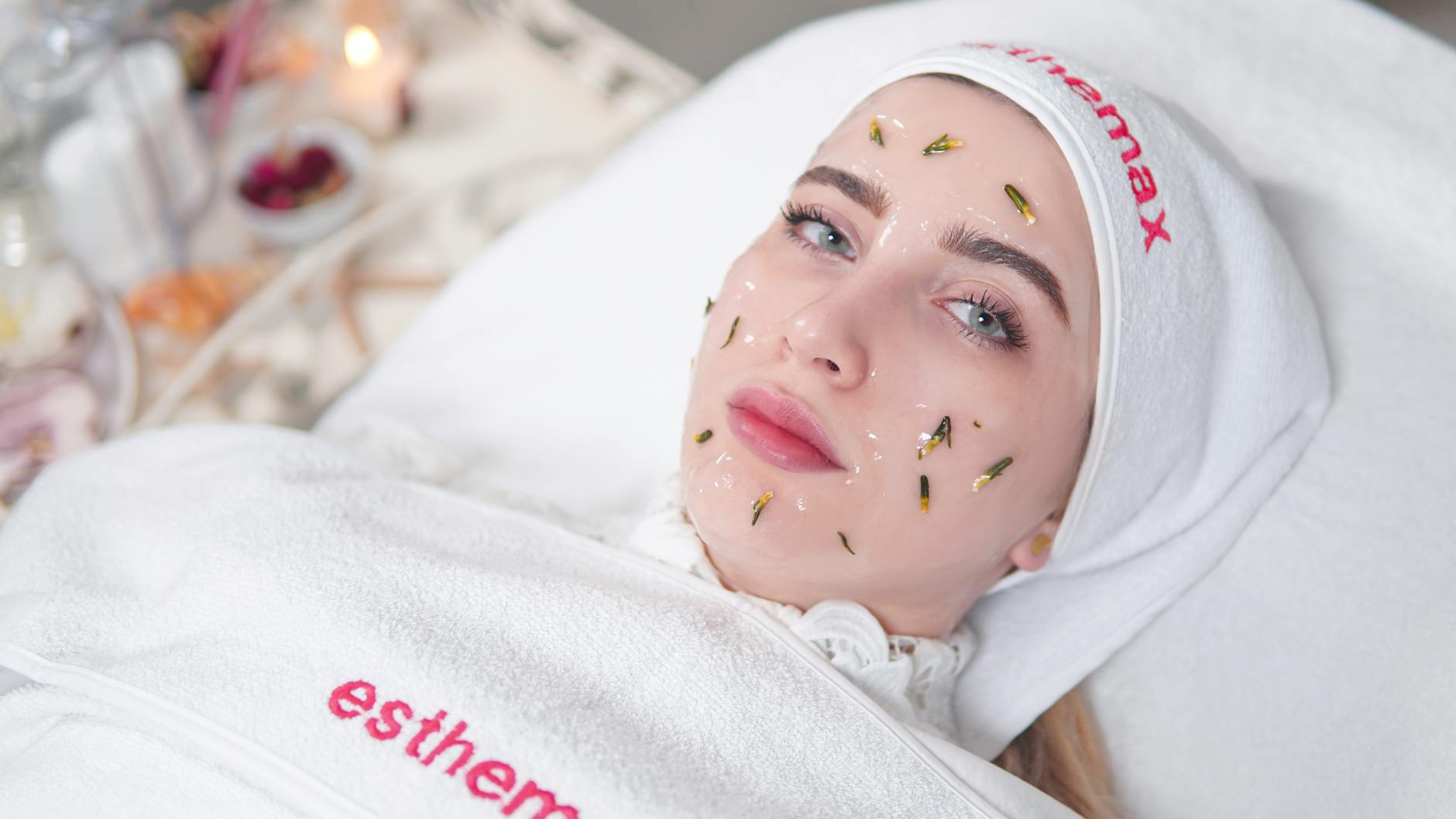
Omnilux Revive is a professional-grade device delivering 40 mW/cm² at 633nm, designed for clinical settings where dermatologists or trained practitioners control treatment parameters. Omnilux Clear, by contrast, is a home-use LED mask combining blue light (for bacteria) and red light (for inflammation) that people can use independently. The professional device typically produces faster results due to higher power output and precise clinical protocols, while the at-home device offers convenience and lower cost per use over time.
Consider your situation: if you have moderate acne that requires intervention but you want to see results relatively quickly, professional Omnilux Revive treatments might justify the investment and scheduling. If you have mild acne or want a gradual approach that fits into your daily routine, an at-home device might be more practical. Many people also use both—starting with professional treatments to jumpstart improvement, then maintaining results with at-home therapy. The choice depends on your budget, timeline, acne severity, and preference for clinical oversight versus independent treatment.
LED Light Therapy in the Context of Modern Acne Treatment
Red light therapy occupies an interesting position in modern acne management. It’s not as immediately dramatic as isotretinoin (Accutane) for severe cases, nor as widely used as oral antibiotics or topical retinoids. However, it fills a valuable niche for people who want a non-pharmaceutical approach, have sensitive skin that doesn’t tolerate strong actives, or want to reduce their reliance on systemic medications.
The evidence supporting LED therapy continues to expand—with over 40 clinical studies in the Omnilux bibliography alone—suggesting the medical community increasingly recognizes its legitimate place in dermatological practice. As acne research evolves and people seek gentler, more sustainable treatment options, LED light therapy is likely to remain relevant. The lack of significant side effects, absence of antibiotic resistance concerns, and ability to combine it with other treatments make it particularly valuable in contemporary skincare. Whether Omnilux Revive becomes your primary acne treatment or a supportive therapy alongside other approaches depends on your specific skin and situation.
Conclusion
Omnilux Revive delivers clinically proven anti-inflammatory benefits through 633-nanometer red light therapy, with nearly 60% of study participants showing measurable improvement and 91% reporting visible changes. The device works best for mild to moderate inflammatory acne when used consistently—20-minute sessions three times weekly for at least three weeks—and offers an excellent safety profile with no downtime.
Understanding how it works, what types of acne respond best, and how it compares to at-home alternatives helps you make an informed decision. If you’re considering Omnilux Revive, consult a dermatologist who has access to the device, discuss your specific acne type to confirm it’s appropriate, and establish realistic expectations: this therapy reduces inflammation and supports healing but works best as part of a comprehensive skincare routine. For many people dealing with persistent inflammatory acne, the clinical evidence and safety profile make professional LED light therapy worth exploring.