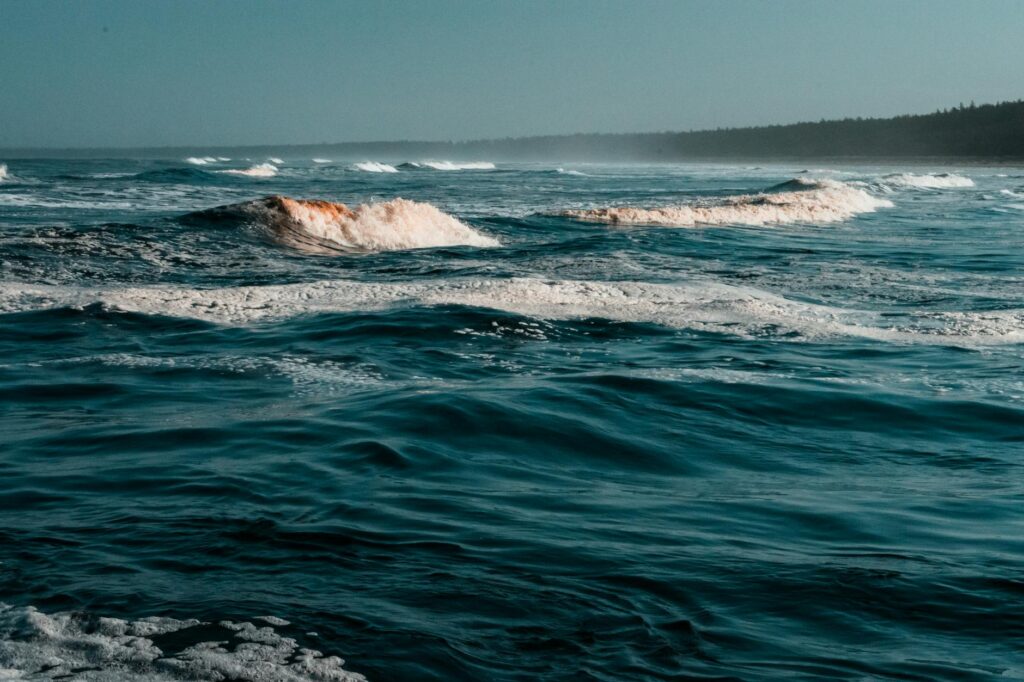
Ocean salt water can temporarily improve acne-prone skin for many people, but it is not a universal fix and comes with real tradeoffs. The salt content in seawater, roughly 3.5 percent by weight, creates a mildly antiseptic environment that can dry out active pimples, reduce surface bacteria, and draw excess oil from clogged pores. Many beachgoers notice their breakouts calm down after a few days of swimming in the ocean, and dermatologists acknowledge that the mineral-rich composition of seawater, which includes magnesium, potassium, and zinc, may support skin barrier function in ways that plain tap water does not. However, the drying effect that helps oily, acne-prone skin can devastate someone with dry or sensitive skin, and prolonged exposure without rinsing can leave behind a salt residue that irritates and worsens inflammation.
The relationship between ocean water and acne is more nuanced than social media beach selfies suggest. A person with mild comedonal acne and oily skin might see genuine short-term clearing after a week at the coast, while someone on tretinoin or accutane could end up with raw, peeling skin from the same exposure. Salt water also does nothing to address the hormonal or dietary roots of persistent acne. This article breaks down exactly how ocean salt water interacts with acne at a biological level, which skin types benefit and which get worse, how to use ocean exposure strategically, and what dermatologists actually recommend versus what gets repeated in online forums.
Table of Contents
- How Does Ocean Salt Water Affect Acne-Prone Skin at a Biological Level?
- Which Acne Types Respond Well to Salt Water and Which Get Worse?
- The Role of Ocean Minerals in Skin Health Beyond Acne
- How to Use Ocean Water Strategically for Acne Without Damaging Your Skin
- When Ocean Salt Water Makes Acne Worse and What to Watch For
- DIY Salt Water Treatments at Home and Why They Differ from Ocean Water
- What Dermatologists Actually Say About Salt Water and the Future of Marine-Based Skincare
- Conclusion
- Frequently Asked Questions
How Does Ocean Salt Water Affect Acne-Prone Skin at a Biological Level?
Salt water works on acne through several overlapping mechanisms. The sodium chloride concentration creates an osmotic effect, pulling moisture and some sebum out of skin cells and pores. This is the same basic principle behind saline wound care in hospitals. For an active whitehead or inflamed papule, this fluid shift can reduce swelling and draw out some of the pus and debris contributing to the lesion. The minerals dissolved in ocean water add another layer. Magnesium, which is present in seawater at roughly 1,290 milligrams per liter, has demonstrated anti-inflammatory properties in clinical studies. Zinc, though present in smaller concentrations, is the same mineral found in many over-the-counter acne treatments. The antibacterial component matters too, but less than people assume.
Cutibacterium acnes, the primary bacterium involved in inflammatory acne, thrives in the anaerobic environment inside clogged pores. Salt water on the skin surface may reduce some bacterial colonies, but it cannot penetrate a sealed comedone the way a topical antibiotic or benzoyl peroxide can. Compare this to swimming in a chlorinated pool, which provides a stronger antimicrobial effect on the skin surface but also strips away more protective oils. Ocean water sits in a middle ground: antimicrobial enough to help, but not so harsh that it obliterates the skin’s acid mantle the way pool chemicals tend to. One often overlooked factor is the mechanical action of the ocean itself. Waves and sand provide a mild physical exfoliation that can clear dead skin cells from pore openings, allowing trapped sebum to escape. This is essentially a natural version of what a gentle scrub or washcloth does, except it happens passively during a swim. The UV exposure that comes with beach time also suppresses local immune activity in the skin, which can temporarily reduce the redness and swelling of inflammatory acne, though this comes with its own serious long-term risks.
Which Acne Types Respond Well to Salt Water and Which Get Worse?
Not all acne is created equal, and salt water’s effects vary dramatically depending on what is happening on and under the skin. Oily skin with mild to moderate inflammatory acne, the kind characterized by scattered red papules and occasional pustules, tends to respond best. The drying and antibacterial properties of ocean water target exactly the surface-level issues driving those breakouts. People with predominantly blackheads and whiteheads, known as comedonal acne, may also see improvement because the osmotic pull and natural exfoliation help unclog pores. However, if you have cystic or nodular acne, the deep, painful lumps that sit well below the skin surface, ocean water will do almost nothing to help and may make things worse. These lesions are driven by deep inflammation and hormonal factors that salt water simply cannot reach.
The drying effect of salt on the skin surface can also trigger a rebound oil production response in some people. The skin senses moisture loss, ramps up sebum output to compensate, and within a day or two of heavy ocean exposure, pores are more clogged than they were before. This is particularly common in people with combination skin who are already prone to that dry-on-the-surface, oily-underneath pattern. Anyone using prescription acne treatments needs to be especially cautious. Retinoids like tretinoin and adapalene thin the outer layer of skin, making it far more vulnerable to salt irritation and UV damage. The same goes for people using chemical exfoliants like glycolic or salicylic acid at high concentrations. If you are on isotretinoin, your skin is already significantly compromised in its barrier function, and salt water exposure without careful aftercare can cause cracking, stinging, and secondary irritation that looks and feels worse than the acne it was meant to help.
The Role of Ocean Minerals in Skin Health Beyond Acne
The mineral profile of ocean water extends well beyond sodium chloride, and some of these trace elements have genuine dermatological relevance. Dead Sea water, which has a mineral concentration roughly ten times higher than typical ocean water, has been studied more extensively and shows measurable benefits for inflammatory skin conditions including psoriasis and atopic dermatitis. Regular ocean water contains the same minerals in lower concentrations, but the principle holds. Magnesium in particular has been shown in peer-reviewed research to improve skin hydration and reduce transepidermal water loss when applied topically, which seems paradoxical given that salt water is drying, but the mechanism is different from the osmotic drying effect. Sulfur, another component of seawater, has been used as an acne treatment for centuries. Sulfur-based topical treatments are still prescribed today for their ability to reduce Cutibacterium acnes populations and gently exfoliate.
The concentrations in ocean water are low, but during a week-long beach trip with daily swimming, the cumulative exposure adds up. Potassium and calcium in seawater contribute to maintaining the skin’s acid mantle, the slightly acidic film on the skin surface that serves as a first-line defense against pathogens and irritants. The practical takeaway is that a short swim in the ocean exposes your skin to a dilute mineral treatment that commercial products try to replicate in concentrated form. Many “sea salt spray” and “mineral mist” skincare products are essentially attempting to bottle this effect. The difference is that actual ocean swimming also involves mechanical exfoliation, temperature variation, and the psychological stress reduction of being in nature, all of which independently affect skin health. No bottled product replicates the full experience, which is worth keeping in mind when evaluating whether a forty-dollar marine mineral serum is worth the money compared to an actual beach trip.
How to Use Ocean Water Strategically for Acne Without Damaging Your Skin
The difference between ocean water helping and hurting acne-prone skin often comes down to what you do before and after getting in the water. The single most important step is rinsing with fresh water within fifteen to twenty minutes of leaving the ocean. Salt left to dry on the skin continues to pull moisture out long after you have toweled off, and the crystallized salt residue can physically irritate pores and existing breakouts. Many people skip this step because they are at the beach without a shower, and it is exactly why some beachgoers break out worse after a coast trip rather than better. Before swimming, applying a lightweight, non-comedogenic moisturizer creates a partial barrier that lets the beneficial minerals through while reducing the harshness of direct salt contact. This is a tradeoff: the moisturizer slightly blunts the drying and antibacterial effects, but it prevents the barrier damage that leads to rebound breakouts in the days after ocean exposure.
For people with oily skin who want maximum drying benefit, skipping the pre-swim moisturizer and focusing on thorough post-swim rinsing and moisturizing is the better strategy. For people with combination or sensitive skin, the pre-swim barrier is worth the reduced efficacy. Sun protection is the other critical variable. UV exposure provides a short-term anti-inflammatory effect on acne, which is why many people think the sun “clears up” their skin. But UV damage triggers post-inflammatory hyperpigmentation, the dark marks left behind after pimples heal, and makes those marks significantly worse and longer-lasting. Wearing a reef-safe, non-comedogenic mineral sunscreen rated SPF 30 or higher is non-negotiable for acne-prone skin at the beach. Zinc oxide-based sunscreens have the added benefit of being mildly antibacterial and anti-inflammatory themselves, so they complement rather than conflict with the ocean water’s effects.
When Ocean Salt Water Makes Acne Worse and What to Watch For
There are several scenarios where ocean exposure reliably worsens acne, and recognizing them early can save weeks of recovery. The most common is the post-vacation breakout that hits three to five days after returning from a beach trip. This delayed reaction happens because salt exposure compromised the skin barrier during the trip, the skin overproduced oil to compensate, and the combination of excess sebum and weakened defenses allowed Cutibacterium acnes to flourish once normal conditions resumed. The breakout was set in motion at the beach but does not manifest until days later, which makes it hard to connect cause and effect. Another warning sign is any stinging or burning sensation when entering salt water. Healthy, intact skin should not sting in ocean water. If it does, your barrier is already compromised, whether from over-exfoliation, retinoid use, windburn, or an existing condition like eczema.
Continuing to expose damaged skin to salt water will not toughen it up or accelerate healing. It will deepen the barrier disruption and almost certainly trigger a flare of whatever the underlying condition is. People sometimes push through this discomfort because they have heard salt water is “good for skin,” but the stinging is the skin explicitly telling you it is not good for your skin right now. Fungal acne, technically called Malassezia folliculitis, is another situation where ocean water is unhelpful at best. This condition looks like acne but is caused by yeast overgrowth in hair follicles, and the warm, moist environment created by salt water on skin can actually feed the yeast. If your “acne” consists of uniform small bumps that itch more than they hurt and do not respond to typical acne treatments, salt water exposure is likely making things worse. This misidentification is extremely common and leads people to repeatedly try ocean-based remedies for a condition that needs antifungal treatment instead.

DIY Salt Water Treatments at Home and Why They Differ from Ocean Water
Many people try to replicate the ocean’s effect at home by dissolving table salt or sea salt in water and applying it to their face. This approach misses several key components. Table salt is pure sodium chloride without the magnesium, potassium, zinc, and other trace minerals that contribute to ocean water’s skin benefits. Sea salt gets closer, but the concentration is difficult to control at home, and most people make the solution too strong.
A typical homemade salt water rinse ends up at five to eight percent salinity, roughly double the ocean’s concentration, which dramatically increases the drying and irritation potential. If you want to try a salt water treatment at home, using Dead Sea salt dissolved to a three to four percent concentration in distilled water, applied as a brief rinse rather than a soak, is the closest analog to ocean exposure. Leave it on for no more than five minutes, then rinse thoroughly and follow with a hydrating, non-comedogenic moisturizer. Even then, this is a supplemental treatment, not a replacement for proven acne therapies. Dermatologists generally rank it well below benzoyl peroxide, salicylic acid, and retinoids in terms of evidence-based efficacy.
What Dermatologists Actually Say About Salt Water and the Future of Marine-Based Skincare
Most board-certified dermatologists take a measured position on ocean water and acne: it may help some patients in some circumstances, but it should never be a primary treatment strategy. The American Academy of Dermatology does not include salt water exposure in its acne treatment guidelines, and no major clinical trial has established ocean swimming as an evidence-based acne intervention. What the research does support is that certain marine-derived ingredients, including algae extracts, marine peptides, and concentrated mineral complexes, show promise in controlled formulations.
The skincare industry is investing heavily in marine biotechnology, with companies isolating specific compounds from seaweed, deep-sea bacteria, and coral-adjacent organisms that demonstrate antimicrobial and anti-inflammatory properties in lab settings. Some of these will likely become legitimate acne treatments in the coming years as clinical trials confirm their efficacy. In the meantime, the honest answer is that ocean swimming can be a pleasant complement to a proper skincare routine for people with oily, mildly acne-prone skin, but it is not a treatment plan. Anyone with moderate to severe acne should be working with a dermatologist rather than relying on beach trips and mineral sprays.
Conclusion
Ocean salt water offers genuine but limited benefits for acne-prone skin. The combination of osmotic drying, mild antibacterial action, mineral exposure, and natural exfoliation can calm surface-level breakouts, reduce oiliness, and speed the resolution of minor inflammatory lesions. These effects are most pronounced for people with oily skin and mild to moderate papulopustular acne, and least useful, or actively harmful, for those with cystic acne, compromised skin barriers, or fungal folliculitis.
The practical approach is to treat ocean exposure as a potential bonus rather than a strategy. Rinse thoroughly after swimming, moisturize afterward, protect against UV damage, and do not expect the ocean to do what proven topical and oral acne treatments are designed to do. If your skin improves at the beach, enjoy it, but build your real skincare routine around ingredients and methods with clinical evidence behind them. If your skin gets worse, that is equally valid information, and pushing through salt water exposure hoping it will eventually help is a common mistake that costs people weeks of unnecessary breakouts.
Frequently Asked Questions
Can I use ocean water on my face if I am using tretinoin or retinol?
You can, but proceed with caution. Retinoids thin the stratum corneum, making skin more sensitive to salt irritation and UV damage. Apply a moisturizer before swimming, limit ocean exposure to fifteen to twenty minutes, rinse immediately afterward, and reapply your moisturizer. Skip the retinoid application the night before and after heavy ocean exposure to avoid compounding irritation.
How long should I stay in the ocean for skin benefits without overdoing it?
Fifteen to thirty minutes is the general sweet spot. Shorter swims may not provide enough mineral exposure to make a noticeable difference, while sessions longer than forty-five minutes increase the risk of significant barrier disruption and dehydration of the skin. People with sensitive or dry skin should stay on the shorter end.
Is salt water better than chlorinated pool water for acne?
For most acne-prone skin, ocean water is gentler and more beneficial. Chlorinated pools provide stronger antibacterial action but strip the skin’s natural oils more aggressively and lack the mineral profile that supports barrier repair. Pool water is also more likely to cause contact dermatitis in sensitive individuals. However, people with very oily skin who tolerate chlorine well may find pool water equally helpful.
Does the ocean clear up back acne and body acne too?
Yes, and body acne often responds better than facial acne to ocean exposure because body skin is thicker and less sensitive than facial skin. Back and chest acne, which is frequently driven by sweat and friction from clothing, can benefit significantly from the drying and antibacterial effects of salt water. Just be equally diligent about rinsing and moisturizing afterward.
Will swimming in the ocean make my acne scars worse?
Salt water itself does not worsen acne scars, but the UV exposure that comes with beach swimming absolutely can. Sun exposure darkens post-inflammatory hyperpigmentation and can make atrophic scars more visible by damaging surrounding collagen. If you have acne scarring, aggressive sun protection is essential during and after ocean swimming.