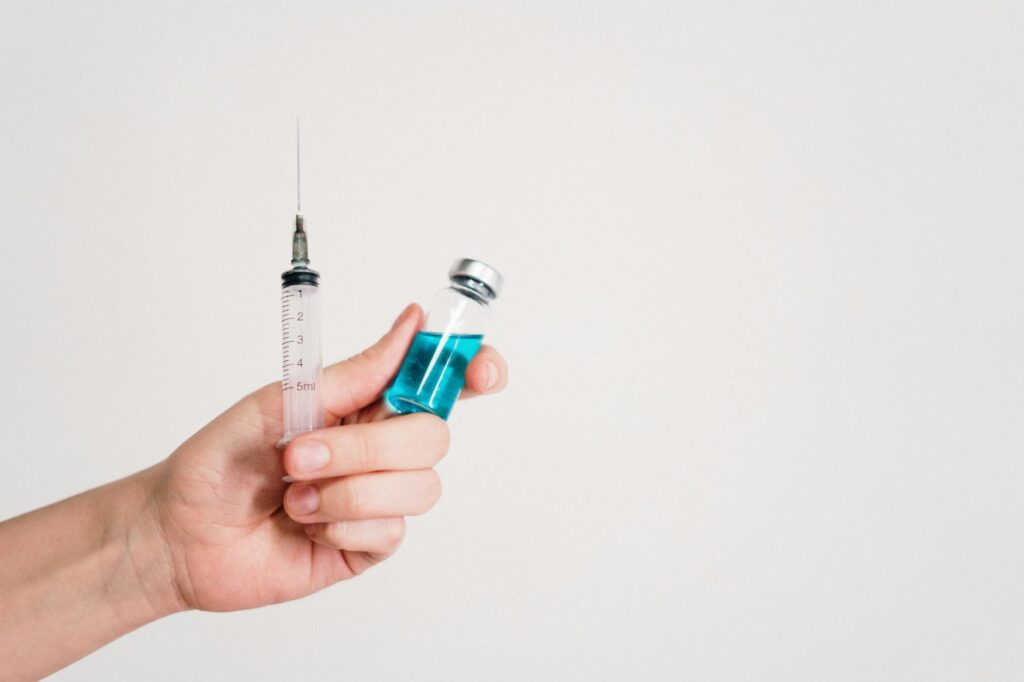
The Nokor needle cuts through scar tissue more effectively than a standard hypodermic needle due to its scalpel-like triangular tip, but this cutting advantage comes with a significant trade-off: substantially higher rates of bleeding, bruising, and other side effects. When performing subcision for acne scars, dermatologists insert either needle type parallel to the skin and move it back-and-forth in fanning motions to separate fibrotic scar tissue from the underlying layers. The Nokor’s sharp design makes it superior at penetrating dense fibrosis compared to the standard bevel of a regular hypodermic, yet clinical data shows that blunt cannula methods actually outperform both needle options in terms of overall scar improvement while causing fewer complications.
What’s important to understand is that this debate has largely become academic. Over the past decade, needle-based subcision—both Nokor and regular hypodermic varieties—has been largely replaced in clinical practice with blunt cannula dissection, which offers better efficiency, superior safety profiles, and comparable or superior results. If you’re researching acne scar treatments or reading about subcision techniques, knowing the difference between these needles provides context for why dermatologists moved away from needle methods altogether. This article breaks down what each needle does, why the complications matter, and what modern subcision approaches look like today.
Table of Contents
- How Nokor Needles and Standard Hypodermic Needles Cut Through Scar Tissue
- Why Nokor Needles Cut Better but Create More Damage
- Complication Rates Show Nokor Needles Cause Significantly More Problems
- Overall Effectiveness Results From Clinical Studies
- Why the Dermatology Field Shifted Away From Needle-Based Subcision
- Modern Subcision Instruments and Emerging Technologies
- What Modern Subcision Means for Treatment Planning
- Conclusion
How Nokor Needles and Standard Hypodermic Needles Cut Through Scar Tissue
The mechanical difference between these instruments starts with their design. The Nokor needle is an 18-gauge, 1.5-inch needle manufactured by Becton, Dickinson & Co. with a distinctive triangular, scalpel-like tip that comes to a sharp point. A standard hypodermic needle, also 18-gauge but only 1 inch long, has a traditional beveled tip designed for injection rather than cutting through fibrotic material. When inserted into the dermal and subdermal layers, both needles operate using the same technique: the clinician places the needle parallel to the skin surface and moves it in back-and-forth and fanning motions to physically separate fibrous scar tissue from the underlying healthy tissue.
The Nokor needle’s triangular tip is the critical difference. Because it’s sharper and specifically designed to cut through tissue rather than just pierce it, the Nokor needle can penetrate dense fibrosis more effectively than a standard hypodermic needle can. This means it requires less force and fewer passes to achieve the same level of tissue separation in areas where scarring is particularly thick or stubborn. However, the standard hypodermic needle was never optimized for this purpose—its design reflects its intended use as an injection device, not a surgical cutting instrument. In practice, this limitation means standard hypodermic needles are less effective for deep or severe acne scarring where the fibrotic bands are particularly resistant to separation.

Why Nokor Needles Cut Better but Create More Damage
The Nokor needle’s superior cutting ability comes from fundamental physics: a sharper point concentrates force over a smaller area, making it easier to slice through tough connective tissue. Clinically, this was theoretically an advantage—fewer passes through tissue should mean less overall trauma and potentially better outcomes. Studies showed that the Nokor needle’s design allowed it to achieve tissue separation with less mechanical effort compared to standard needles. For severe or fibrous acne scars that resist treatment, this cutting power initially seemed like a significant improvement. However, the reality of tissue trauma tells a different story.
Sharper cutting instruments don’t just separate scar tissue cleanly; they also create more bleeding and inflammation in the surrounding tissue. This is where the Nokor needle’s advantage becomes a liability. While it cuts fibrosis efficiently, that same sharp cutting action damages small blood vessels and creates more tissue disruption than blunt instruments do. The wound response to this increased trauma manifests in higher rates of bruising, hematoma formation, and other complications. So while the Nokor needle technically performs its function better in terms of cutting power, that efficiency comes at the cost of increased tissue damage—a critical trade-off that clinical outcomes eventually revealed.
Complication Rates Show Nokor Needles Cause Significantly More Problems
When researchers compared the safety profiles of Nokor needles versus blunt blade subcision methods directly, the data revealed a stark difference in adverse effects. Bleeding is the most dramatic disparity: Nokor needle subcision resulted in bleeding in 28.6% of cases, compared to just 7.1% in patients treated with blunt blade methods. This four-fold difference in bleeding rates is clinically significant and reflects the increased vascular trauma from the Nokor’s sharp tip. Bruising occurred in 17 cases with Nokor needle treatment versus 8 cases with blunt blade methods, again showing the mechanical toll of the sharper instrument.
Beyond bleeding and bruising, the complication profile gets worse. Hematoma formation—collections of blood beneath the skin that can persist for weeks—occurred in 3 cases with Nokor needle subcision but in zero cases with blunt blade methods. Subcutaneous nodules, firm bumps beneath the skin caused by scar tissue formation or fibrosis, appeared in 4 Nokor cases compared to none with blunt approaches. Even hyperpigmentation (darkened skin patches from inflammation) was noted in 2 Nokor cases versus zero with blunt methods. These aren’t rare edge cases; they’re documented adverse events that accumulate across larger patient populations, making the Nokor needle’s complication profile substantially worse than alternatives.

Overall Effectiveness Results From Clinical Studies
Despite the Nokor needle’s superior tissue-cutting ability, the clinical outcomes tell a cautionary tale about optimizing for one metric at the expense of overall results. When blunt cannula subcision (BCS) was directly compared to Nokor needle subcision (NNS) in clinical trials, blunt cannula methods proved more effective for treating acne scars overall. This counterintuitive finding—that a less aggressive, less sharp instrument actually produced better scar improvement—challenged the assumption that superior cutting power automatically translates to superior clinical outcomes. The explanation for this paradox lies in wound healing.
While Nokor needles cut more efficiently, the excessive tissue trauma they cause triggers a stronger inflammatory response and can paradoxically worsen scarring as the body heals. Blunt instruments, by contrast, achieve tissue separation through controlled mechanical disruption without creating excessive bleeding and vessel damage. Over the weeks following treatment, this gentler approach results in more favorable remodeling of collagen and better final appearance. Additionally, sharp needle-based subcision—including Nokor techniques—has been associated with increased scar formation in the treated area, potentially making the appearance worse rather than better in some cases. This represents a significant limitation that shifted clinical thinking away from sharp instruments.
Why the Dermatology Field Shifted Away From Needle-Based Subcision
The decline of needle subcision—both Nokor and standard hypodermic varieties—represents an important evolution in acne scar treatment driven by clinical evidence and practical concerns. Over the past decade, the standard of care shifted decisively toward cannula-based dissection methods, primarily because cannulas offer greater efficiency without sacrificing safety. A cannula is a blunt, hollow tube that separates tissue through mechanical disruption rather than cutting, combining the controlled approach of blunt methods with better ergonomics and broader working areas. This transition reflects a broader pattern in surgical and dermatologic innovation: sharper instruments are not always superior when tissue remodeling and aesthetic outcomes are the goal.
Cannula-based methods require less operating time compared to needle subcision while achieving equal or superior results. The improved efficiency of cannulas means patients spend less time under local anesthesia, experience less overall trauma, and have fewer complications. For clinics and practitioners, this translates to faster procedures, more predictable outcomes, and higher patient satisfaction. The Nokor needle, despite its engineering advantages for cutting tissue, ultimately lost market share not because it failed at its primary function, but because better approaches emerged that achieved the same goal with fewer drawbacks.

Modern Subcision Instruments and Emerging Technologies
The abandonment of needle-based methods opened space for innovation in subcision instruments. Recent years have seen the emergence of specialized tools designed specifically for optimal scar release. Repurposed dovetail Toledo cannulas—originally designed for fat grafting—have found use in subcision because their shape and dimensions allow for more efficient tissue separation than standard needles. Even more recent is the Taylor Liberator, a novel sharp-edged instrument that represents an attempt to combine the tissue-penetrating ability of sharp instruments with the controlled trauma profile of blunt methods.
Clinical research on these newer instruments suggests that longer and broader instruments yield better results than hypodermic needles while operating times remain shorter. This finding highlights an important principle: the dimension and design of the instrument matter more than whether it’s sharp or blunt. A well-designed blunt instrument of appropriate length and width outperforms a sharp needle of insufficient size or design. The trajectory of subcision technology is clearly moving toward purpose-built instruments optimized for scar release rather than repurposing general surgical tools. This represents a maturation of the technique from improvisation toward specialized design.
What Modern Subcision Means for Treatment Planning
Understanding the Nokor needle versus standard hypodermic debate provides important context for evaluating any acne scar treatment you might consider in 2025 and beyond. If a clinician is still using needle-based subcision—whether Nokor or standard hypodermic—ask why they haven’t adopted cannula-based approaches that offer superior results with fewer complications. This isn’t an argument against seeking subcision treatment; rather, it’s an argument for seeking the most advanced version of the technique available.
The shift from needles to cannulas represents real, documented improvements in efficacy and safety, not mere preference or marketing. Looking forward, the field continues to refine subcision instruments and combines the procedure with complementary treatments like radiofrequency, microneedling, or fillers that address different aspects of scar appearance simultaneously. Single-modality approaches using outdated equipment represent a missed opportunity for better outcomes. When consulting with dermatologists about acne scar treatment, understanding that needle subcision has been superseded by superior methods helps you ask informed questions and set realistic expectations for what modern dermatology can achieve.
Conclusion
The Nokor needle was engineered to cut through fibrotic scar tissue more effectively than standard hypodermic needles, and it succeeds at this mechanical task. However, its superior cutting power creates substantially higher rates of complications—bleeding in 28.6% of cases versus 7.1% with blunt methods, along with increased bruising, hematoma formation, nodules, and hyperpigmentation. Paradoxically, clinical studies showed that blunt cannula subcision methods actually produced better overall scar improvement despite not being optimized specifically for cutting tissue, revealing that aggressive tissue trauma doesn’t equate to superior aesthetic results.
The practical lesson from this comparison is that the medical field has moved decisively beyond both needle types toward cannula-based subcision methods that offer superior efficiency, better safety profiles, and comparable or superior clinical outcomes. If you’re exploring acne scar treatment options, understanding why needle-based subcision has been largely replaced helps you evaluate your treatment options and seek the most advanced techniques available. Modern subcision, whether using traditional blunt cannulas or emerging instruments like the Taylor Liberator, represents a significant improvement over needle-based approaches and should be your expectation when discussing treatment with dermatologists.